Horse Riding Tours in Kyrgyzstan: Your Ultimate Guide to Riding Like a Nomad
In Kyrgyzstan, a horse is more than a way to get from one viewpoint to another. Horses still connect families, summer pastures and mountain settlements, and they make some landscapes accessible in a way a car cannot. But the phrase horse riding tours in Kyrgyzstan covers very different experiences: a guided afternoon in Chon-Kemin, a two-day road trip to Song-Kul with a short ride, a genuine three-day crossing on horseback, or five days travelling through the Alay Mountains.
The right choice depends less on the tour’s advertised duration than on time in the saddle, starting point, altitude, terrain and overnight arrangements. This guide compares the main routes, explains what each day actually involves and highlights the practical questions to ask before paying for a trek.
Best Horse Riding Tours in Kyrgyzstan
These six bookable options cover first rides, yurt-based experiences and longer horse treks. The three-day Song-Kul choices are deliberately separate: one advertises a Bishkek-based itinerary, while the other normally begins at a guesthouse in Kyzart. Check the current booking option for the precise meeting arrangements.
Some booking links on this page are affiliate links. We may earn a commission if you book, at no extra cost to you.
Private full-day tour with guided horse riding, Burana Tower, a local lunch and hotel pickup.
Two-day trip from Bishkek with a yurt overnight and horse riding; driving takes up much of the itinerary.
Kyzart, Kilemche and Song-Kul, with a shepherd-house night and a yurt night.
Burana, Konorchek, Skazka, riding and a lakeside yurt stay in two days.
Three riding days based in Kyzart; simple mountain accommodation and no assumed Bishkek transfer.
Five-day Osh-based crossing through Airy Bell and Ak Tor, with mountain camps and pack-horse support.
Quick Answer: Which Horse Riding Tour Is Right for You?
For a first experience, take a Chon-Kemin day ride. If you want a yurt stay and a little time on horseback, choose two days at Song-Kul or the Issyk-Kul riding-and-canyons trip. If the horse journey itself is the main attraction, a three-day Song-Kul trek makes more sense. For a much longer commitment, consider the five-day Alay crossing from Osh.
| Experience | Total trip | Riding time | Starting logistics | Best for |
|---|---|---|---|---|
| Chon-Kemin valley ride | 1 day | Varies by operator; request exact hours | Bishkek pickup on featured options | First-time riders |
| Song-Kul + yurt | 2 days | One riding segment; confirm hours | Bishkek road tour | Yurt experience |
| Issyk-Kul + canyons | 2 days | Horse riding included; hours not clearly specified | Bishkek pickup | Mixed sightseeing |
| Song-Kul via Kilemche | 3 days | Multi-day riding; check daily schedule | Bishkek or Kyzart, depending on product | True horse trekking |
| Short Alay routes | About 3 days | Operator-dependent | Usually Osh / Sary-Mogol | Peak Lenin scenery |
| Alay mountain crossing | 5 days | Multiple riding stages across five days | Osh | Extended expedition |
Do not confuse an advertised two-day horse-riding trip with two full days in the saddle. Some packages involve eight or more hours of driving over the trip and only a short guided ride. Read the daily itinerary and ask the operator for actual riding hours, not just the total duration.
Why Kyrgyzstan Is Especially Good for Horse Trekking
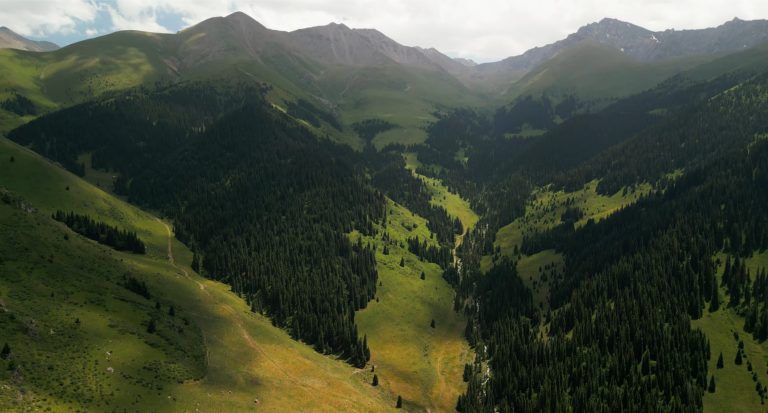
Much of Kyrgyzstan’s mountain landscape is shaped by seasonal movement. During the warmer months, livestock and their herders move towards high summer pastures called jailoo. Riding remains a practical way to cross areas where tracks become narrow, steep or inaccessible to ordinary vehicles. Visitors can follow some of these same broad valleys and passes with local horse guides, staying in yurts or simple mountain houses on longer routes.
Unlike a short ride around a tourist ranch, a Song-Kul trek can take you through pasture and over a pass before the lake appears. Chon-Kemin offers valley and foothill routes in a day; Alay means remote camps and long mountain ridges.
There is also a cultural element, although it should not be exaggerated. A local guide can explain how summer grazing works, how pack horses are loaded and why specific passes are used. Depending on the route, you might share a meal with a host family, stay at a shepherd’s house or drink tea in a yurt camp. These are real communities and working landscapes, not a staged outdoor museum; respect the hosts’ routines and ask before photographing people.
1-Day Horse Riding in Chon-Kemin: Best First Experience
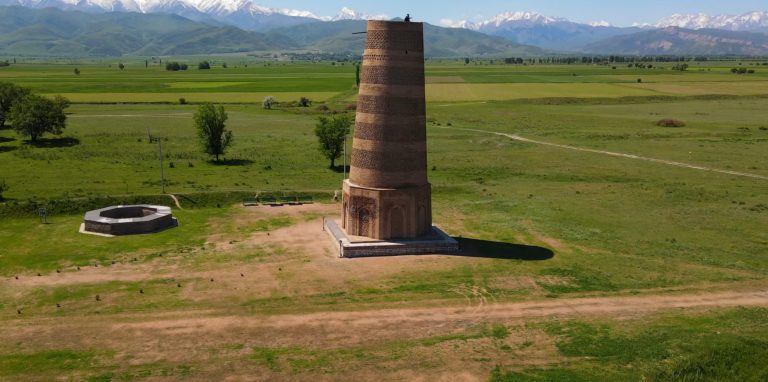
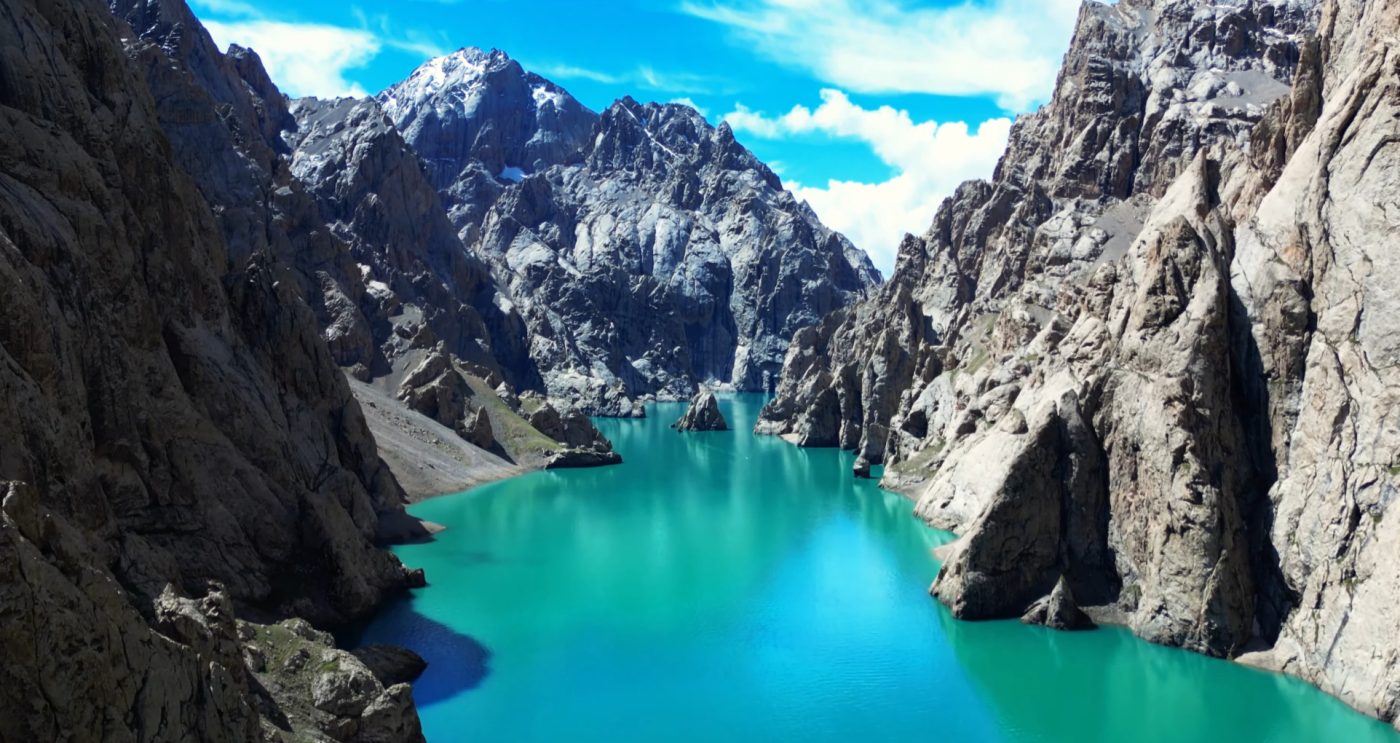
Chon-Kemin Valley is among the most accessible choices if you are based in Bishkek and want a genuine landscape ride without committing to mountain camping. The valley has broad areas of pasture, wooded slopes and foothill paths, with local guides offering different ride lengths. Many commercial day trips combine it with a visit to Burana Tower near Tokmok.
What the day usually looks like
The day starts with a road pickup in Bishkek and a drive towards the Chuy Valley. If Burana Tower is included, the guide may stop there before continuing towards Chon-Kemin. At the riding location, you meet the horse guide, receive a short introduction and set out at a pace suited to the group. The excursion may also include lunch with a local family before returning to Bishkek.
That sounds simple, but comparing the actual rides is important. Some products advertise a four-hour stop in Chon-Kemin; this does not necessarily mean four continuous hours on horseback. The stop can include meeting the horses, instruction, walking breaks and food. Ask about saddle time and whether the route is on flat pasture, valley tracks or steeper foothill terrain.
Private Chon-Kemin horse riding from Bishkek
The Ventura Tours Chon-Kemin outing is a private day trip combining Burana Tower, a guided horse ride in Chon-Kemin Valley and lunch at a local guesthouse. Its published itinerary includes hotel pickup and return transport from Bishkek. Ask the operator how much time is spent in the saddle and whether properly fitted helmets are provided.
A full-day private outing with Burana Tower, horse riding in Chon-Kemin and a local lunch.
GetYourGuide day-ride alternative
A separate GetYourGuide listing advertises roughly two to three hours of riding as part of a much longer day excursion from Bishkek. This can be a useful option if you want the saddle time stated more explicitly, but always recheck the current product and departure details.
1-Day Chon-Kemin Tour with Horse Riding
A valley experience with organized transport and a guided ride. Verify the advertised hours on horseback and whether helmets and meals are included.
Who should choose Chon-Kemin? First-time riders, families where every participant meets the operator’s age and weight restrictions, and travelers with only one free day. It is also a useful trial ride before deciding whether several consecutive days in the saddle would be enjoyable.
2-Day Song-Kul: Horse Riding, Road Travel and a Yurt Night
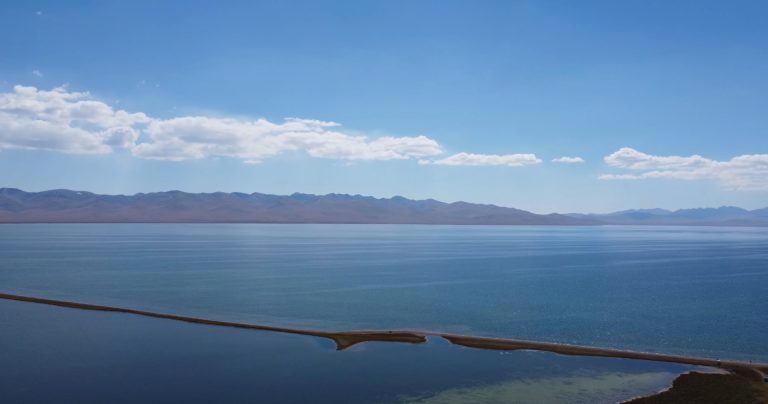
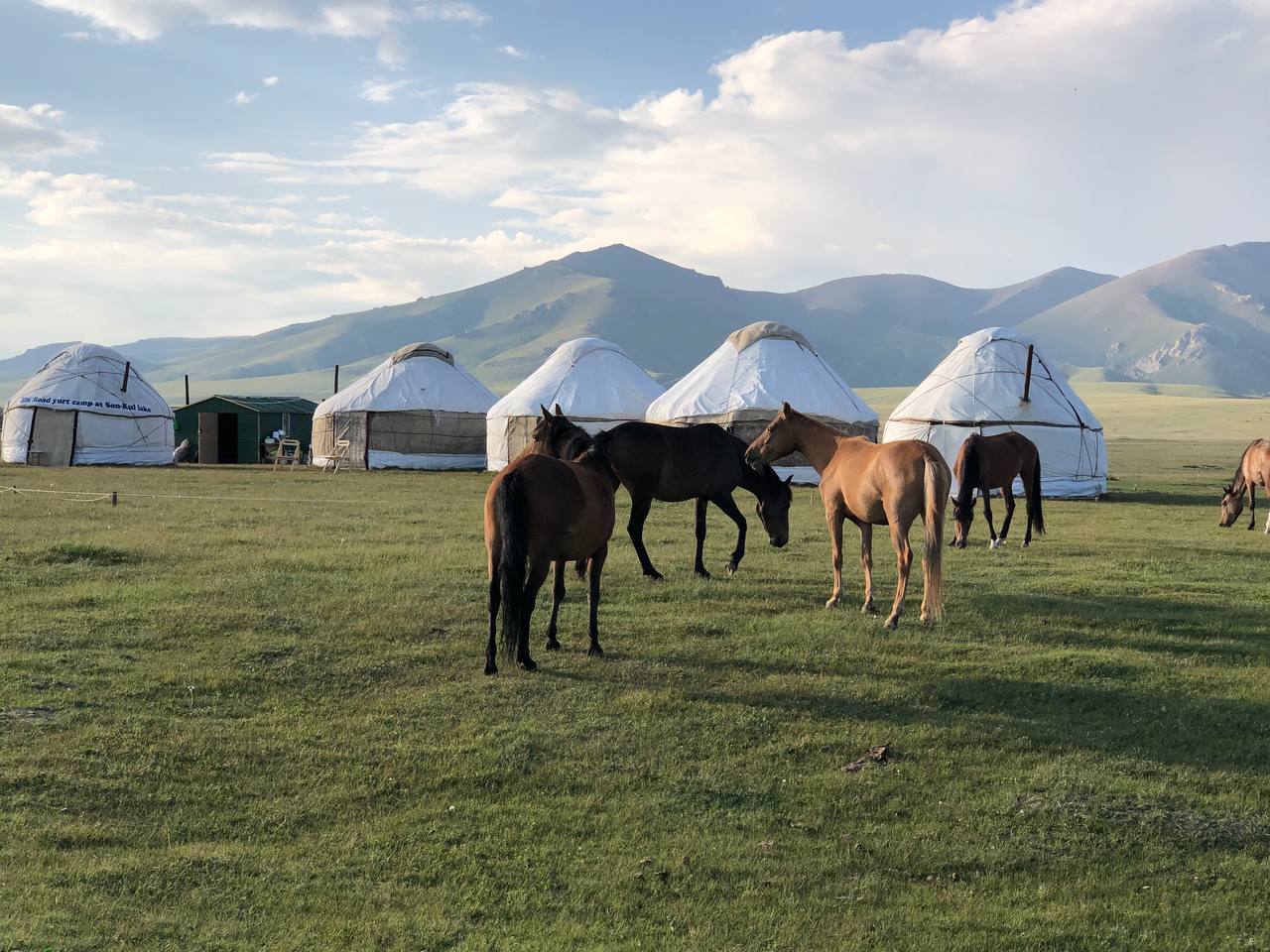
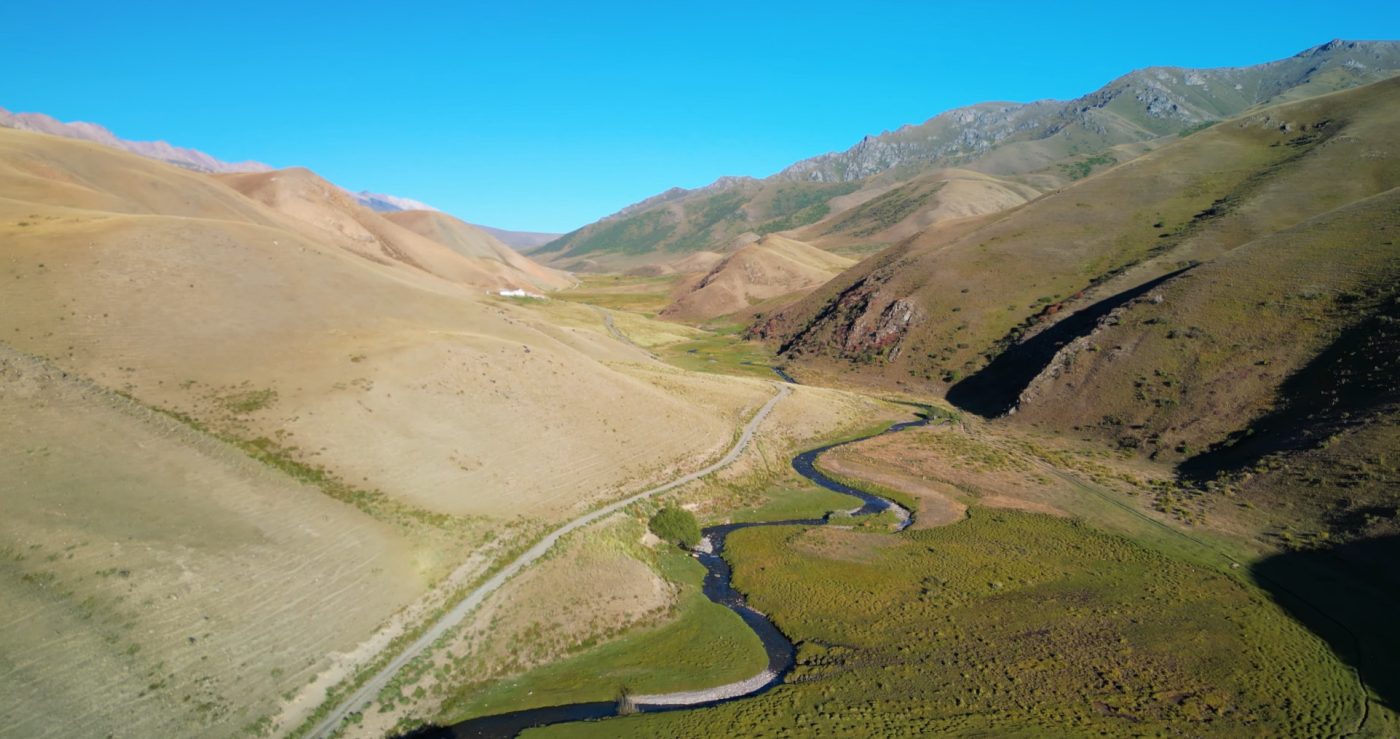
Song-Kul Lake sits above 3,000 meters in the Naryn Region, surrounded by rolling summer pastures. It is one of the most recognisable settings for horse riding in Kyrgyzstan: broad open horizons, herds of animals and seasonal yurt camps. But it takes a substantial road journey to reach the lake from Bishkek. A two-day itinerary is a good introduction to the region, not a substitute for a multi-day point-to-point horse trek.
Day 1: Bishkek, the road to Naryn and a yurt camp
The featured two-day tour includes pickup in Bishkek and a visit to Burana Tower. The drive towards Song-Kul may also pass through Boom Gorge and the Kochkor area. Travelers on this specific tour have reported stops at Orto-Tokoy Reservoir and a climb over Kalmak-Ashuu Pass, but these are examples from individual departures, not guaranteed inclusions. Every sightseeing stop takes time away from the lake, so check the latest route if a particular stop matters to you.
As the route climbs out of the lower valleys, the scenery changes from towns and farmland to high pasture. Reaching the lake is often the main achievement of the first day. You may arrive with just enough time to walk near the shore, meet the camp hosts and settle into a yurt before dinner. Exact arrival times depend on traffic, road conditions, weather and the route used; a specific hour should not be treated as guaranteed.
A yurt camp can mean sleeping in shared accommodation with basic washing facilities and limited electricity. Even when the valley below is warm, nights beside Song-Kul can be cold in summer. A sleeping bag or warm layers may be necessary depending on what the operator supplies. The reward is an evening without urban noise, watching the changing light across the lake and the movement of horses through the surrounding pasture.
Day 2: A guided ride before returning to Bishkek
The second day normally allows time for a guided horse ride in the Song-Kul area before the long road return. For a first-time rider, this is a manageable way to experience the lake from horseback. It is not the same as crossing into Song-Kul via Kilemche: a road-based two-day package may involve just one riding session, and the exact duration depends on the operator.
On the return, the operator may use a different mountain road, including the well-known 33 Parrots switchbacks if conditions allow. Photographs and past travelers’ accounts show that this route can feature in a Song-Kul visit, but it is not guaranteed for every departure. Passes and stops may change because of weather, road conditions and the group’s schedule.
| Practical point | What to expect or verify |
|---|---|
| Driving | Long transfers from and back to Bishkek; sightseeing stops add to the journey |
| Riding | Horse riding included in the featured product; exact hours should be confirmed |
| Night | One night in a yurt camp in the published package |
| Altitude | Song-Kul is above 3,000 m, even if the horse ride itself is easy |
| Best fit | Travelers prioritizing scenery, a yurt overnight and a first riding experience |
Includes Bishkek transfers, a yurt overnight and horseback riding, but is mainly a two-day road journey rather than a sustained horse trek.
For independent transport options and more information on the approaches to the lake, compare our Bishkek to Song-Kul transport guide.
2-Day Issyk-Kul: Horse Riding with Canyons and a Yurt Stay
Not every horse-riding holiday needs to focus on Song-Kul. A two-day itinerary around Issyk-Kul can combine horseback riding with shorter hikes, cultural stops and a yurt night. This is an especially useful choice if you want several different experiences in one booking rather than two full days in the saddle.
Day 1: Burana, Konorchek and the south shore
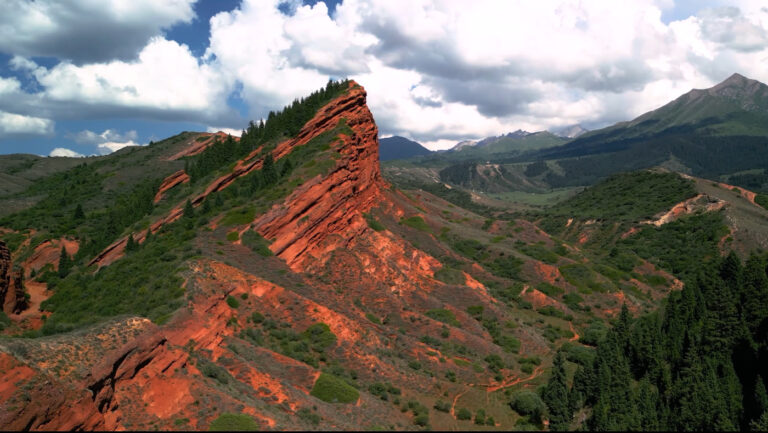
The featured private tour leaves Bishkek, visits Burana Tower and continues through the region towards Konorchek Canyon. Its itinerary includes a guided canyon walk before travelling to the south shore of Issyk-Kul for a yurt overnight. This is an active day because it combines road travel with walking over uneven canyon terrain. If you specifically want a relaxed horse-riding day, check how the operator distributes time between the hiking and riding components.
Day 2: Riding, Skazka Canyon and the return road
On the south shore, the combination of open land, villages and lake views provides a different backdrop from the alpine pastures of Song-Kul. The published package includes horseback riding and a stop at Skazka Canyon before returning to Bishkek. The horse-riding duration is not clearly specified in the main inclusions, so ask for it before booking. An eagle-hunting show is marketed as an optional extra rather than something to assume is in the basic price.
A varied private route from Bishkek including Burana, Konorchek, Skazka, horse riding and one yurt overnight. Ask about actual saddle time.
3-Day Song-Kul Horse Trek: The Kyzart–Kilemche Crossing
If you want the journey to happen on horseback, rather than treating riding as an excursion within a road trip, the three-day route from Kyzart through Kilemche to Song-Kul is a more appropriate choice. A three-day itinerary can devote substantial time to reaching the lake by mountain trails and then returning by another pass. It is also one of the clearest ways to understand why Song-Kul is associated with riding rather than only lakeside camping.
Day 1: Bishkek or Kyzart to the Kilemche Valley
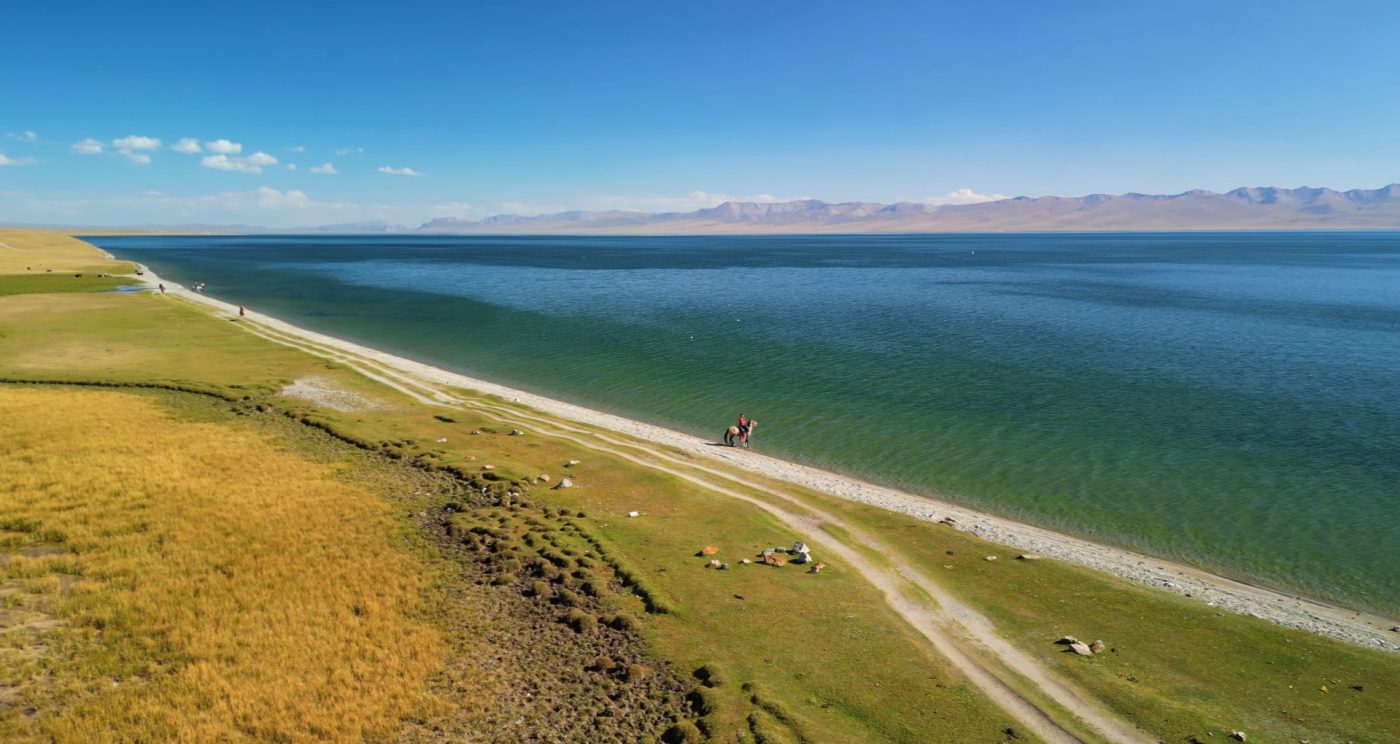
The featured Bishkek-oriented three-day itinerary describes a road transfer towards Kyzart, followed by the first horse-riding stage towards Kilemche. Kyzart is the handover point between road travel and mountain travel: you meet the local horse crew, receive the horses and begin climbing into open grazing country. After a few kilometres, the villages recede and the landscape becomes dominated by pasture, side valleys and the surrounding ridges.
The first ride introduces the basic rhythm of a trek. Even at walking speed, the saddle can be tiring if you have not ridden for years. It is worth asking the guide to check stirrup length and explain how to stay balanced on descents. A pack horse or baggage arrangement may be available depending on the operator; do not assume your large overnight bag will stay with you during the riding stage.
The advertised first night’s accommodation on this specific product is a shepherd’s house in Kilemche. Expect a much simpler overnight experience than a commercial hotel: shared sleeping space may be used, bathroom facilities can be basic, and hosts’ arrangements vary. Bring a warm layer that you can reach without unpacking all your luggage.
Day 2: Across Jalgyz Karagoi Pass to Song-Kul
On the second day, the trail climbs from Kilemche towards Jalgyz Karagoi Pass. This is the defining stage of the featured route: as you gain height, the valley opens behind you and Song-Kul appears across the broad plateau ahead. The sense of arrival is very different from reaching the lake by road because the landscape unfolds gradually from the saddle.
The published itinerary describes a substantial riding stage before reaching the lake. Treat any stated stage times as estimates, not guarantees: the group’s ability, weather, trail conditions and horse welfare can all change the pace. At high elevation, even slow riding can feel tiring. The guide may recommend dismounting for steep or exposed sections, and that instruction should take priority over staying in the saddle for the entire route.
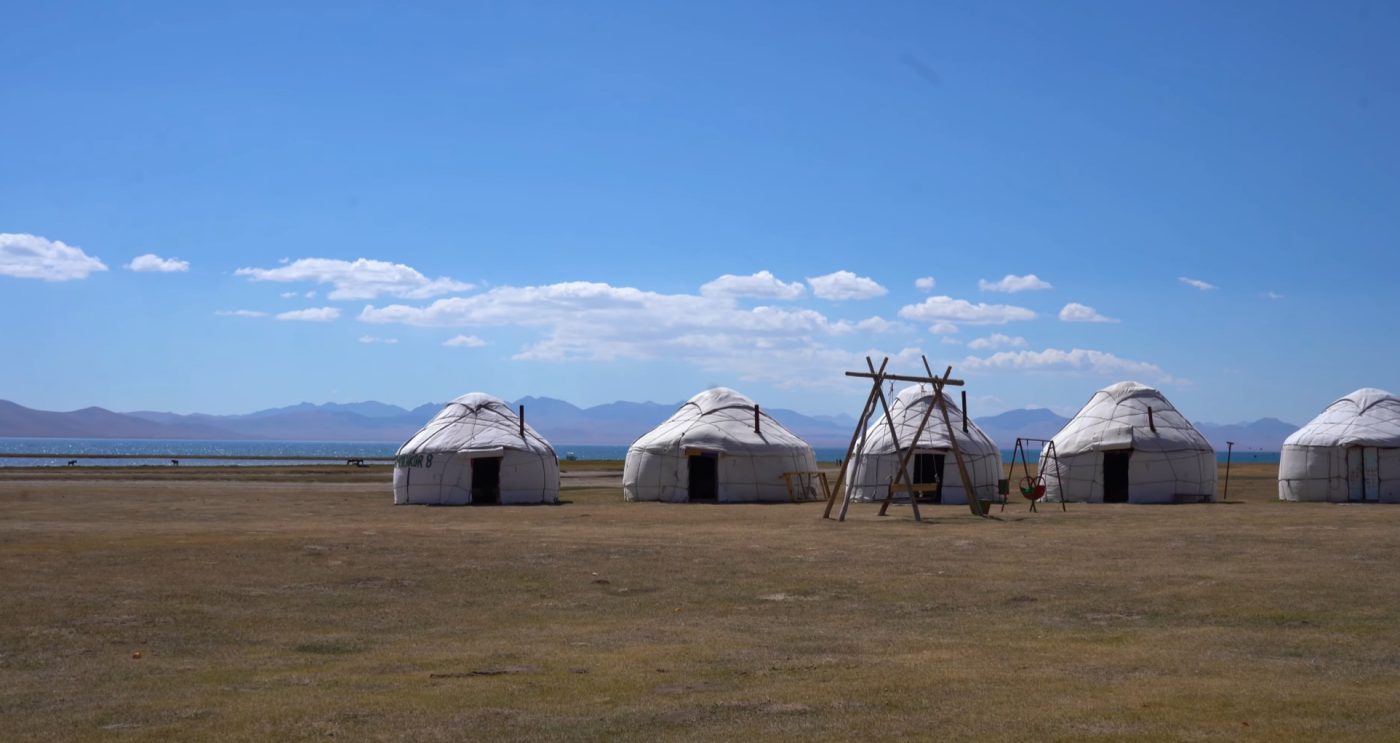
The second night on this three-day itinerary is advertised at a yurt camp beside Song-Kul. After a full riding day, the experience is less about checking off attractions and more about being at the lake: tea, a simple dinner, cooler air and a quiet evening on the pasture. Ask whether your specific departure includes private or shared yurts, showers, a heated common area and access to drinking water.
Day 3: Kara Kiya Pass and return to Kyzart
The featured route returns towards Kyzart via the Kara Kiya side of the mountains. This creates a more satisfying circuit than simply reversing the approach from Kilemche. The terrain can be rockier and more exposed, so descending technique and the guide’s choice of line matter. You then finish the riding section near Kyzart before the road journey back to Bishkek where that transfer is part of the booked option.
By the third day, some riders are surprised by saddle soreness in their hips and knees, even if they have had no difficulty controlling the horse. A realistic day includes stops, water breaks, time to tend the animals and flexibility in bad weather. Keep the riding schedule flexible rather than treating the itinerary as a race.
What is included with the featured three-day tour?
| Item | Published arrangement / important check |
|---|---|
| Overnights | Shepherd’s house in Kilemche, then Song-Kul yurt camp |
| Route | Kyzart – Kilemche – Jalgyz Karagoi – Song-Kul – Kara Kiya – Kyzart |
| Guide and horses | Horse guide and horses provided; confirm language and group size |
| Helmets | Listed as included on the featured product |
| Bishkek transfer | Listed as included in one section, while another section gives Kyzart as the meeting point. Confirm the booked option directly |
| Insurance and extras | Personal health insurance and other extras are not part of the standard assumption |
Three-day route with a Kilemche shepherd-house night, Song-Kul yurt night and return via Kara Kiya. Confirm Bishkek pickup when booking.
Alternative: a Kyzart-start three-day riding experience
The alternative offered by Kyrgyz Nature Travel is a different operator and a different itinerary. Its published meeting point is a guesthouse in Kyzart, rather than a Bishkek hotel. The route describes Kyzart to Kilemche, a ride involving the Tuz Ashuu area and Song-Kul, and a return to Kyzart. Crucially, its published overnight arrangement centres on a shepherd’s hut rather than promising a yurt night beside Song-Kul.
Choose this option if you are already travelling independently in the Kochkor or Kyzart area, or if you are happy to arrange the road transfer yourself. The listing currently advertises Russian as its language, so ask specifically if an English-speaking riding guide is available. Its cancellation terms also differ across the booking pages reviewed; check the policy shown for your selected date.
Three riding days with simple shepherd-house accommodation. Not the same route or pickup arrangement as the Bishkek-oriented three-day tour.
The published exclusions for Viator product 186773P1 list a helmet as not included. Before booking, ask whether a properly fitted riding helmet can be provided or rented, or arrange to bring your own. Do not assume the horse guide will supply one on arrival.
Short Horse Riding in the Alay Valley: Tulpar-Kol and Peak Lenin
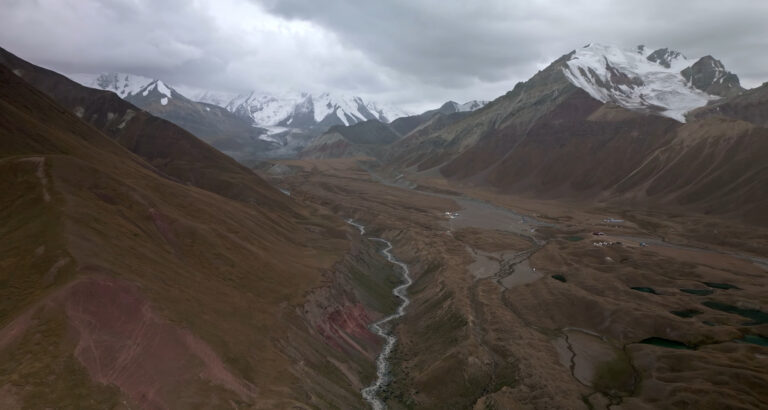
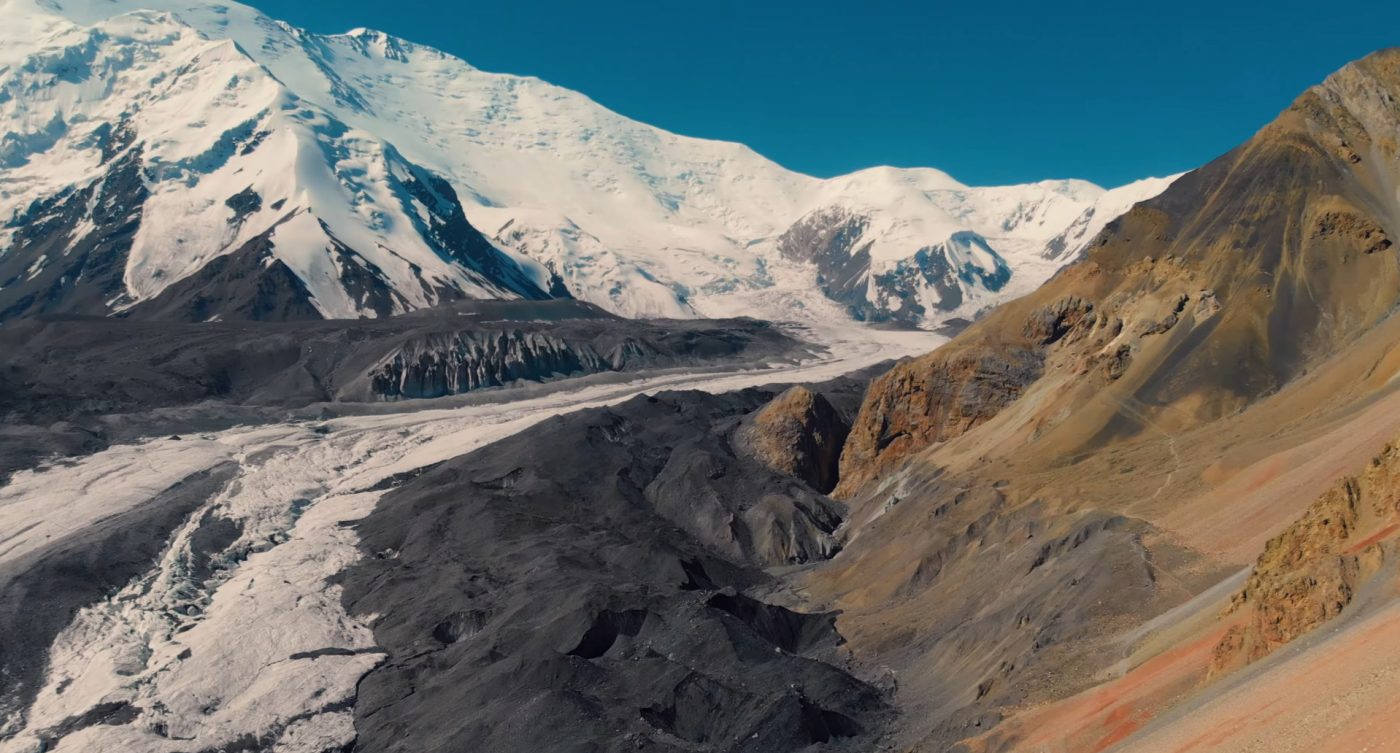
The Alay region in southern Kyrgyzstan offers a different landscape from Song-Kul. Instead of riding through rolling pastures towards a lake, you travel beneath the towering Trans-Alay Range, with broad valley floors, high ridges and views towards Peak Lenin. Most journeys begin from Osh and continue by road towards Sary-Mogol, where the mountain section becomes the main focus.
Short itineraries in this region often involve the Tulpar-Kol lakes and viewpoints in the Peak Lenin base-camp area. But this is high-altitude terrain, not an automatic beginner-friendly outing. The lake and nearby camps are already high above sea level; weather and the elevation gain matter even if the actual riding pace is slow.
A realistic three-day outline
Day 1 — Osh to the Alay Valley: A typical short route starts with a road journey from Osh towards Sary-Mogol. Depending on the operator, you may meet the horse crew in the village or near a mountain camp. The first riding section introduces the open Alay Valley and, in some programmes, approaches Tulpar-Kol. Check whether the road transfer is included; the tour’s nominal three-day duration may count that transfer as a major part of the first day.
Day 2 — Tulpar-Kol and the Peak Lenin area: A guided ride may focus on scenery near the lakes and established mountain trails beneath Peak Lenin. Do not assume a horse will take you directly to a glacier or across unstable moraine slopes. Such terrain is route- and conditions-dependent, and hiking or dismounting may be required. Ask for the exact turnaround point and the maximum altitude, especially if you are arriving from low elevation.
Day 3 — Return towards Sary-Mogol and Osh: The final day generally involves descending from the mountain area, finishing the riding stage and reconnecting with the road. Some local operators may add side valleys or short cultural stops. Those additions should be treated as optional unless they appear in the actual booked itinerary.
This three-day description is a planning framework for the region, not a promised itinerary for a specific Viator product. Operator programmes differ substantially and some published listings have inconsistencies around altitude, transfers or overnight counts. For that reason, we are not promoting an unverified three-day Alay product in the top recommendations. If a shorter Alay trip is your goal, first request the detailed day-by-day route, sleeping elevation, horse arrangements and inclusions from the operator.
Questions worth asking for Alay
- Does the quoted duration include the Osh–Sary-Mogol road transfer, or are all three days spent on horseback?
- Where are the nights spent: a guesthouse, a yurt camp or a remote shepherd camp?
- What is the highest riding altitude and the highest sleeping altitude?
- Are helmets available in suitable sizes, and how are horses matched to riders?
- Is there a plan for worsening weather, illness or an injured horse in a remote section?
5-Day Alay Horse Expedition: Airy Bell, Ak Tor and Murdash
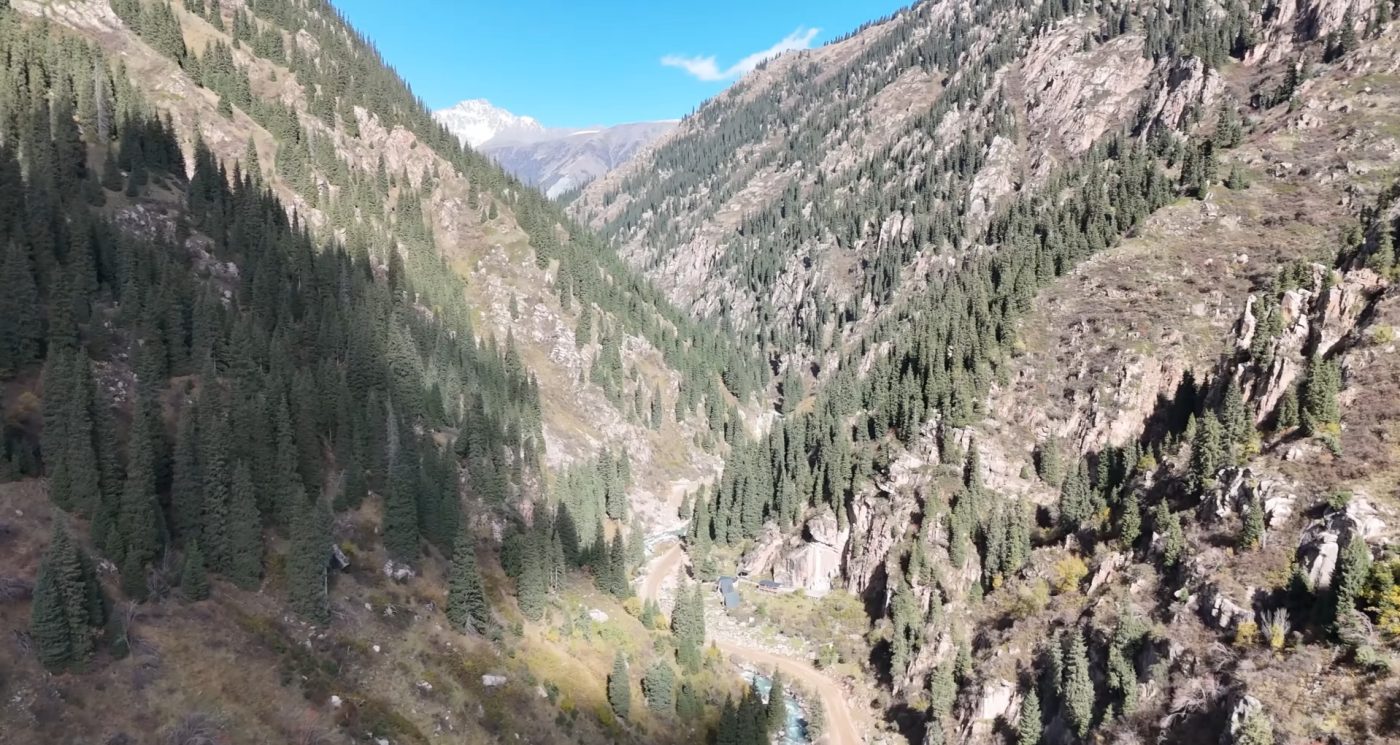
The five-day Truly Nomadic Land itinerary from Osh is a full mountain crossing, not a scenic road trip with a brief ride. It moves through a series of valleys and passes in the Alay Mountains, with nights in mountain camps and repeated days on horseback. For travelers who specifically want a journey through a changing landscape, this offers something that short rides cannot.
The featured operator says that previous horse-riding experience is not required, but the published trip still requires moderate physical fitness. Those statements are not contradictory: a novice can potentially learn the basic riding technique, while five consecutive days of travel, simple camp conditions and remote mountain terrain remain a serious commitment. Check the group’s pace and your own comfort with long saddle hours.
Day 1: Osh, Kara Bulak and the climb to Tepshi Camp
The tour begins in Osh and heads towards the mountains near Kara Bulak. Here, the road-based part of the day gives way to horses and the first ascent into pasture country. This is when you learn the group’s routine: how much to carry during the ride, how often there are breaks, and where luggage is loaded onto support animals. The first night is in a mountain camp rather than back in town.
Even if the first day’s riding is relatively straightforward, avoid treating it as a test of speed. The more useful goal is to find a comfortable seat, keep a relaxed grip on the reins and settle into a pace that leaves energy for the following days.
Day 2: Tepshi Camp over Airy Bell Pass to Sary Oi
This is a classic pass-crossing day. The route leaves Tepshi, climbs towards Airy Bell Pass and descends into the Sary Oi area. On the approach, the landscape can become more open, with longer views across mountain slopes and valleys. Riding downhill may be less comfortable than climbing, especially for beginners, because it requires a stable position and trust in the horse’s footing.
The pass is a landmark, not a reason to push through unsafe conditions. Mountain guides may change the pace or recommend walking part of a steep descent. Once camp is reached, the afternoon or evening is about recovery: food, dry clothes, caring for the horses and preparing for the next stage.
Day 3: Sary Oi towards the foot of Ak Tor Pass
The third day continues through the high Alay landscape towards the base of Ak Tor Pass. It is an opportunity to see how summer pastoral life changes with altitude and terrain. Depending on season and the hosts’ routines, camps may be close to working grazing areas, where families look after horses, sheep and other livestock.
Do not assume that the itinerary always includes a formal demonstration of mare milking or traditional food preparation. These are working communities. Any visits or cultural activities should be confirmed with the operator, and it is better to observe respectfully than to expect a staged performance.
Day 4: Across Ak Tor to Murdash Valley and Uch Chat
Crossing Ak Tor Pass is one of the main reasons to choose this itinerary. The route reaches a higher saddle before descending towards the Murdash Valley and the Uch Chat camp area. By this point, a rider will have spent several days adapting to the saddle and mountain routine, but fatigue can accumulate. This is the day to pay particular attention to weather, visibility, the horse’s condition and the guide’s advice on difficult sections.
At the end of a long day, the remote camp is part of the experience rather than a luxury overnight. Bring the necessary insulation and a personal light. Check the sleeping-bag requirements beforehand; the published tour does not include sleeping bags as a standard item.
Day 5: Following the Murdash Valley back towards Osh
The final stage follows the mountain route towards Murdash Village, where the horses are handed back and the transfer to Osh completes the journey. The last day is not necessarily an easy half-day simply because it ends in town. Allow enough recovery time before any onward transport, and do not schedule a tightly timed flight around a mountain itinerary without discussing the operator’s return arrangements.
What is included on the featured Alay expedition?
| Feature | Published information |
|---|---|
| Start and end | Osh, with road transfers to and from the mountain route |
| Accommodation | Four nights in yurt or mountain camps on the published five-day itinerary |
| Support | Horse guide, English-speaking guide and baggage horse; published baggage allowance is 15 kg per person |
| Meals | Meals during the trek; check special dietary requirements before booking |
| Experience level | Operator says prior riding experience is not required, but moderate fitness is expected |
| Extras | Travel/health insurance, sleeping bag and hotel stay in Osh are not included in the standard listing |
Do not interpret the tour page’s sightseeing-stop durations as precise daily hours in the saddle. Ask the operator how long you will actually ride on each of the five days, and whether the published route can be shortened if weather or rider ability demands it.
Five days from Osh through Tepshi, Airy Bell, Ak Tor and Murdash, with four mountain nights and baggage-horse support.
For other southern routes and how to reach the region, see our Alay Mountains tours guide.
Horse Trek Logistics: Transfers, Luggage, Camps and Costs
The biggest differences between apparently similar tours often have little to do with the scenery. Pickup points, overnight standards, guide language and luggage transport determine how much planning you must do yourself. A lower advertised price may be reasonable for a local-start trek, but not if you then need to arrange a long vehicle transfer and accommodation before the meeting time.
Starting in Bishkek, Kyzart or Osh
Bishkek is the most convenient origin for Chon-Kemin day rides and many Song-Kul or Issyk-Kul packages. Kyzart is a common beginning point for proper multi-day riding routes into Song-Kul; some operators meet there even when another product of a similar name includes a capital-city transfer. Osh is the natural base for the Alay Mountains, with additional road travel needed before you reach the horses.
Ask not only where the trip is advertised as starting but the exact street address or hotel pickup point, the meeting time and whether transport back to that same location is included. This is particularly important with similarly named Song-Kul products sold by different operators.
What is a night in a yurt or shepherd’s house actually like?
A commercial yurt camp may have beds, shared washing facilities and cooked meals, but standards vary by location and operator. A shepherd’s house may be simpler still, with fewer private facilities and limited power. In either setting, nights can be cold and the availability of hot water should not be assumed. Ask whether bedding is supplied, whether the room or yurt is shared, and whether a sleeping bag is recommended.
If a booking promises a yurt night, check which night and which location. For example, the two Song-Kul products compared above do not have identical accommodation patterns. One lists a shepherd’s house and a lakeside yurt, while the local-start alternative publishes two shepherd-house nights.
Horse support, helmets and rider restrictions
Longer treks may use additional horses to carry overnight baggage, while the rider carries a small day bag. There may be a strict baggage allowance; the featured five-day Alay product specifies 15 kg per person for the gear horse. Never assume that your main suitcase can accompany a point-to-point horse trek.
Ask what type and sizes of helmets are provided, whether you can bring your own, and whether there are age or weight limits. These policies should protect both the riders and the horses. You should also know whether a tour can accommodate complete beginners and whether the operator reserves the right to refuse unsafe riding conditions.
Comparing prices fairly
Horse tours are priced according to more than distance. Private transport, an English-speaking guide, horses and local horsemen, meals, camp facilities and the need for pack animals all influence cost. A five-day Alay expedition with multiple nights and support staff is not directly comparable to a one-day ride, and a Kyzart-start package is not directly comparable to a Bishkek pickup package.
We avoid fixed price claims because they can change with season and party size. When comparing the live offers, look at the final price for your exact dates and group size, then account for extras: sleeping bag rental, tips, transport not included, optional cultural activities and suitable travel insurance.
Best Season, Difficulty and Horse-Riding Safety
When to go
June through September is the main period for many high mountain treks, when summer camps are more likely to operate and access to pasture routes is generally better. Snow and storms can still affect high passes at any point in the season. Valley-based Chon-Kemin riding may be available at other times of year, but a product marketed as “year-round” should not be read as a guarantee that the same high route is safe every month.
Is horse trekking suitable for beginners?
There is no single answer. Some guides take first-time riders on gentle valley routes with patient horses and a walking pace. A three-day trek requires additional stamina, and a five-day trip adds repetitive saddle hours, basic overnight conditions and greater distance from roads. Even when an operator welcomes novices, you should still ask whether there are steep descents, narrow trails or river crossings on the itinerary.
Altitude is a separate concern
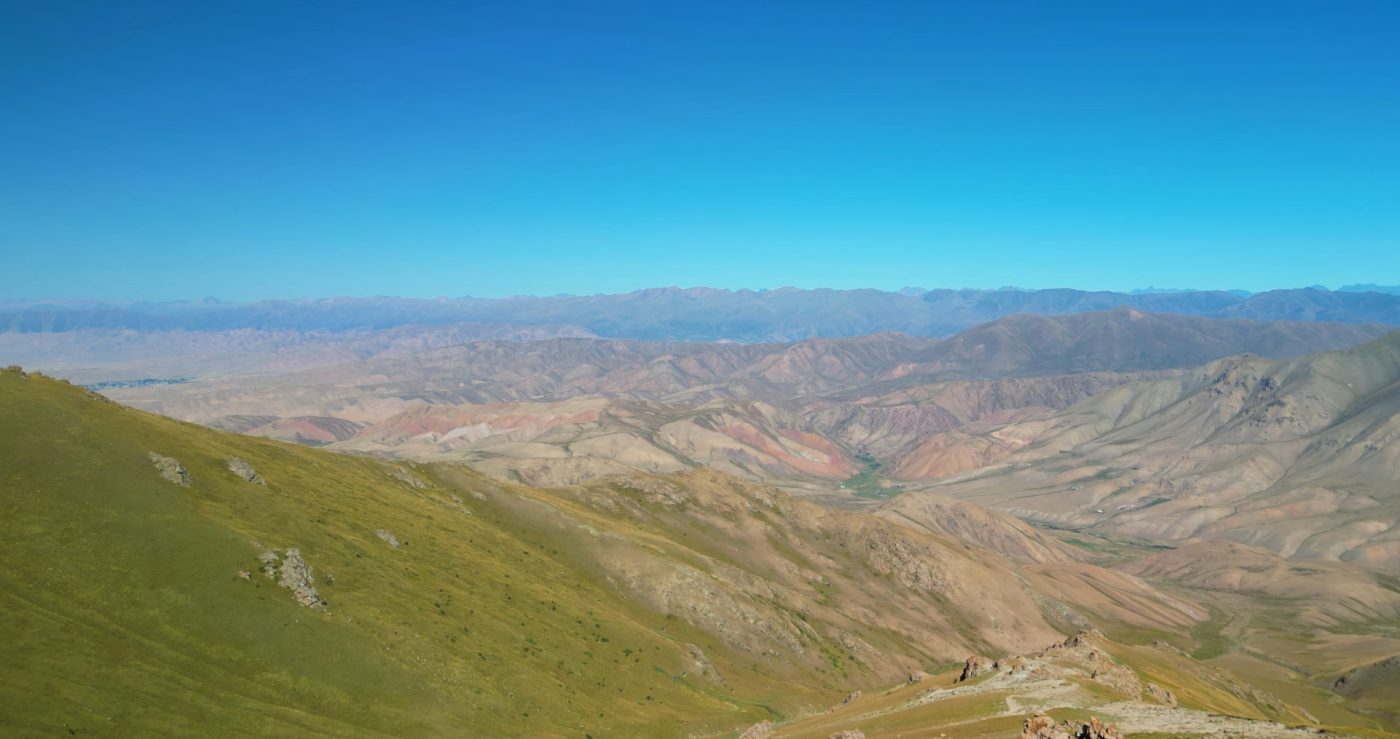
Song-Kul is above 3,000 m and Alay programmes can take riders higher. Being carried by a horse does not protect you from altitude-related illness. Headache, dizziness, nausea and unusual fatigue can be warning signs, particularly after a rapid ascent from a lower city. More serious or worsening symptoms call for prompt descent and medical assessment; do not simply push on because the horse is doing the climbing.
Ask about sleeping altitude as well as the highest pass. A day crossing above 3,000 m is not the same as sleeping for several nights at a similar height. Travelers concerned about altitude should plan for gradual ascent where possible and discuss their itinerary with a qualified clinician if they have relevant medical concerns.
Horse welfare and guide standards
Responsible horse trekking depends on the animals as much as the travelers. Before departure, look for horses that appear properly cared for, suitable tack without obvious rubbing or damage, and guides who allow breaks, water and a sensible pace. A reputable operator should be willing to discuss route changes when an animal is tired or lame.
Read recent reviews critically rather than relying only on the average star rating. Look for comments about the horses’ condition, equipment, language support, handling of bad weather and how guides respond to incidents. A glowing description of the landscape does not tell you whether an operator meets basic safety and animal-welfare expectations.
- Helmet: request a suitable, correctly fitted helmet and wear it during the ride.
- Instruction: ask for a short briefing on handling the horse and dismounting safely.
- Terrain: clarify whether steep or exposed sections can be walked on foot.
- Weather: expect route changes rather than pressure to cross a pass in unsafe conditions.
- Insurance: check that your policy covers horseback riding, remote areas and the relevant altitude.
- Communication: tell the guide if you are uncomfortable, injured or beginning to feel ill.
What to Pack for a Kyrgyzstan Horse Trek
Your packing list should reflect the length and remoteness of the route. A day ride near Bishkek needs little more than sun protection and suitable clothes. A three-day mountain crossing adds cold nights, limited electricity and the challenge of keeping essential items accessible while your larger bag travels separately.
- Riding clothes: comfortable long trousers that do not bunch badly in the saddle, layered tops and closed-toe footwear appropriate for riding and walking.
- Weather protection: a waterproof outer layer, warm fleece or insulated layer, gloves, spare socks and a warm hat for camp.
- Sun protection: sunscreen, lip balm, sunglasses and a sun hat for use off the horse.
- Drinking water: bottles or a hydration system that you can reach during breaks. Do not assume streams are safe to drink untreated.
- Day bag: phone or camera, power bank, snacks, medication and a compact first-aid kit.
- Overnight kit: headlamp, toiletries, spare clothes and any sleeping bag or liner required by the camp or operator.
- Documents: identification, booking confirmation, insurance details and an emergency contact.
If you have a medical or dietary requirement, communicate it before departure rather than hoping it can be solved at a remote camp.
FAQ About Horse Riding Tours in Kyrgyzstan
What is the best horse riding tour in Kyrgyzstan for beginners?
A day ride in Chon-Kemin is a sensible starting point because the outing can be completed from Bishkek without overnight trekking. Confirm the saddle time and terrain with the operator; “beginner-friendly” does not mean that every mountain path is effortless.
What is the difference between a two-day and a three-day Song-Kul trip?
A two-day tour is often a road trip with a yurt night and one riding session. A three-day horse trek usually puts the journey on horseback at the centre of the experience, with mountain passes and multiple riding stages.
Does the Song-Kul trek include pickup from Bishkek?
That depends on the particular product. The three-day Datka itinerary advertises a Bishkek transfer in its inclusions, while also displaying Kyzart meeting information; the separate local-start product meets in Kyzart. Confirm the exact booked pickup point and return transport directly.
Are a yurt and a shepherd’s house the same accommodation?
No. A tourist yurt camp may have beds and shared facilities near the lake, while a shepherd’s house is a simpler mountain overnight stop. Always check the nights and facilities listed for the specific operator.
Can you ride horses at Issyk-Kul as well as Song-Kul?
Yes. Some Issyk-Kul packages combine a guided ride with canyons and a yurt stay. They are generally mixed sightseeing tours rather than uninterrupted horseback expeditions.
Do I need previous riding experience for five days in Alay?
The featured five-day operator states that prior riding experience is not required, but also asks for moderate fitness. The duration, elevation and basic camp conditions still make it a major commitment. Ask about daily riding stages and suitability for your ability.
How long do you ride each day?
It varies widely. Some day trips include only a few hours in the saddle despite a full-day booking. Multi-day treks include repeated stages, but times in published itineraries may describe an overall stop rather than uninterrupted horseback riding. Request an explicit daily riding estimate.
When is the main horse-trekking season?
Many high mountain trips run mainly from June to September. Specific routes and passes may be affected by snow and storms even during summer. Chon-Kemin has a different accessibility profile from higher Song-Kul and Alay routes.
Are helmets, meals and insurance included?
Inclusions differ by product. For example, Viator product 186773P1 (the Kyzart-start Song-Kul trek) lists helmets among its exclusions, while product 240299P18 lists helmets as included. Check the inclusions for the exact option and date you book, and confirm that your own insurance covers horseback riding and remote terrain.
Which Kyrgyzstan Horse Riding Tour Should You Choose?
If you have one free day, choose Chon-Kemin and spend the time understanding how you feel on horseback. If you want to sleep in a yurt and see a high mountain lake, the two-day Song-Kul option is attractive, provided you accept the long road journey. If you want horse trekking to be the main experience, choose a three-day Kyzart–Kilemche–Song-Kul route and pay close attention to the starting point and overnight arrangements. If you want scenery, canyons and a short ride together, the two-day Issyk-Kul itinerary is the more varied alternative.
For an extended journey, the five-day Alay crossing offers a different scale of mountain riding from Osh. Whichever option you choose, compare the actual riding schedule, guide arrangements, horse welfare, route and accommodation before booking. Those details matter far more than whether a tour has the most dramatic photographs.