Altyn Arashan Tours: Which Option Is Actually Worth It?
At first glance, it looks easy.
You type “Altyn Arashan tour,” scroll a bit, and everything kind of blends together — mountains, hot springs, nature, a day or two out of Karakol. Same language, same promises.
Then it starts to split.
Some tours are quick in-and-out runs. Others stretch overnight. Some push you over high passes where your legs start negotiating with you halfway up. Others just roll in by jeep, dust everywhere, no buildup at all.
Same place, technically. But it doesn’t land the same.
That’s where people hesitate — not from lack of options, but from the fact that they’re not interchangeable. They just look like they are.
Quick Answer: Which Altyn Arashan Tour Actually Makes Sense?
If you don’t want to spiral into comparison mode, here’s the rough cut.
- Short on time → 1-day tour
- Want it to actually sink in → 2-day tour
- Want something physical, a bit raw → Ala-Kul combo
- First trip, trying to see everything → multi-day route
That’s the clean version.
The messy version — the one you only understand after you’ve done it — has more to do with pacing than duration.
Choose by travel style, not by duration
- Choose a 1-day tour if you are already based in Karakol and just want a quick look at the valley.
- Choose a 2-day tour if Altyn Arashan is the actual point of the trip and you want time for the valley to settle in.
- Choose an Ala-Kul combo if the mountain route matters more to you than the valley itself.
- Choose a 4–5 day package if you want a broader Kyrgyzstan overview and are fine with shorter stays in each place.
| Tour Type | Duration | What It Feels Like | Best For |
|---|---|---|---|
| 1-Day | 1 day | Fast, access-focused | Travelers already in Karakol with limited time |
| 2-Day | 2 days | Steady, complete | Most travelers who want a focused visit |
| Ala-Kul Combo | 2–4 days | Demanding, route-driven | Hikers who want a demanding mountain route |
| 4–5 Day Kyrgyzstan Tour | 4–5 days | Fast-moving, broad coverage | First-time visitors trying to cover ground |
Already in Karakol and short on time?
The most straightforward bookable option is a return 4×4 trip from Karakol. It avoids the long uphill hike and gives you several hours to walk around the valley or use the hot springs.
It is still the fast version of Altyn Arashan. Choose it because you only have one day, not because it offers the same experience as staying overnight.
- Return 4×4 transport from Karakol
- English-speaking guide
- About four hours in the valley
- Hot-spring entry and meals paid separately
Altyn Arashan: 4×4 Transfer & Hot Springs Experience
The straightforward option if you are already in Karakol and have only one day: travel into Altyn Arashan by 4×4, spend time in the valley and return the same day.
Why Tour Format Matters More Than the Tour Name
Booking pages make Altyn Arashan tours look more similar than they really are. The important differences are structural: how you reach the valley, how long you stay once you arrive, and whether Altyn Arashan is the destination or simply one stop inside a wider route.
- Access: on foot, by 4×4, or as part of a trekking route
- Time in the valley: a few hours, one night, or the end of a multi-day trek
- Trip focus: Altyn Arashan itself, the Ala-Kul route, or a broader Kyrgyzstan itinerary
That is why two tours with nearly identical titles can feel completely different. The booking page may list the same valley and hot springs, but the pace of the day determines whether the trip feels like a quick visit, an overnight mountain stay, or the finish of a demanding trek.
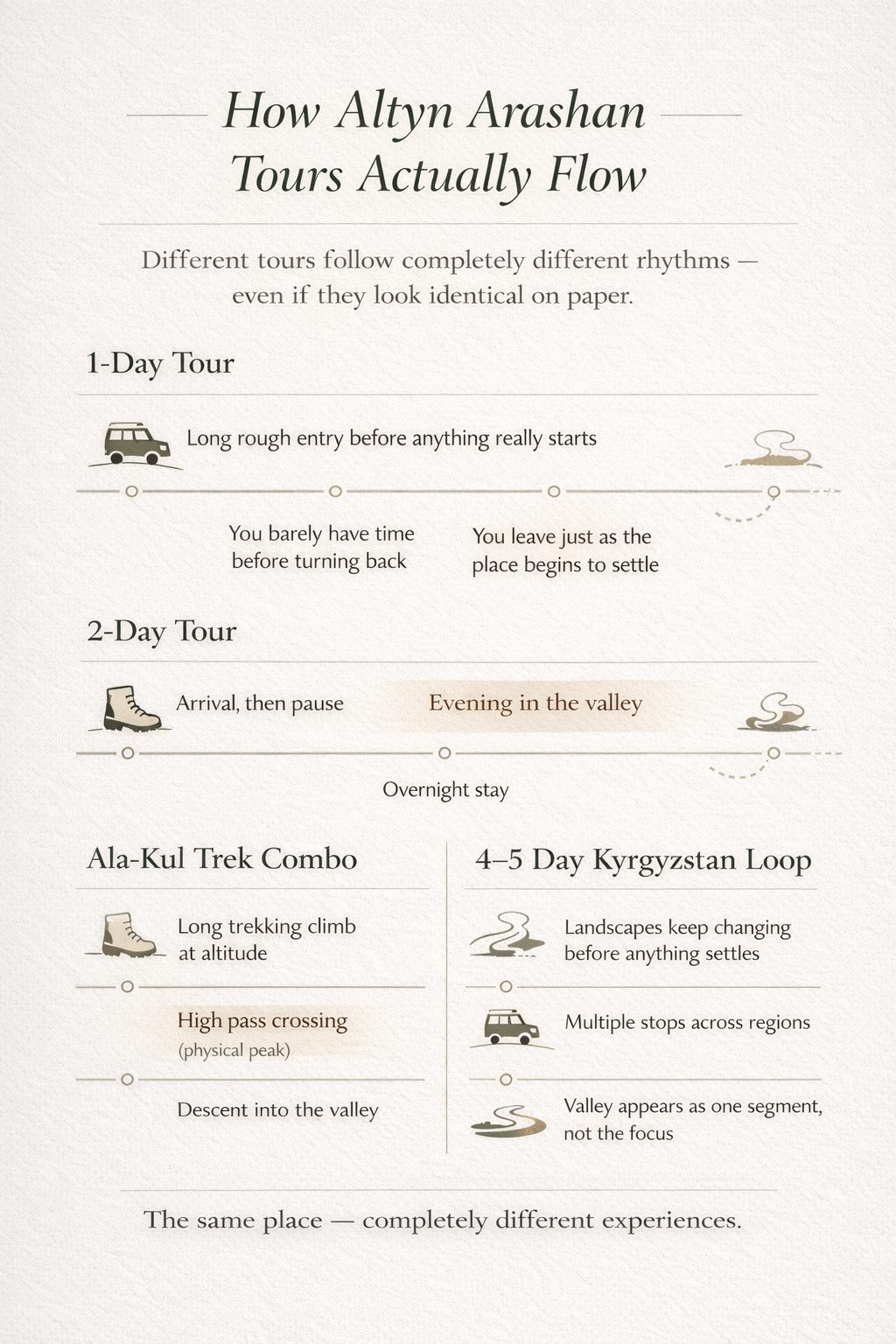
How the Main Formats Usually Unfold
| Tour Format | What the Day Feels Like | Where the Time Goes |
|---|---|---|
| 1-Day | Early start, rough access, short valley window, return the same day | Mostly transport and turnaround |
| 2-Day | Arrival, evening in the valley, overnight, slower exit the next day | More time in Altyn Arashan itself |
| Ala-Kul Combo | Long trekking effort, high pass, descent into the valley | Mostly the mountain route and altitude |
| 4–5 Day Package | Altyn Arashan appears as one segment inside a wider loop | Time is distributed across several destinations |
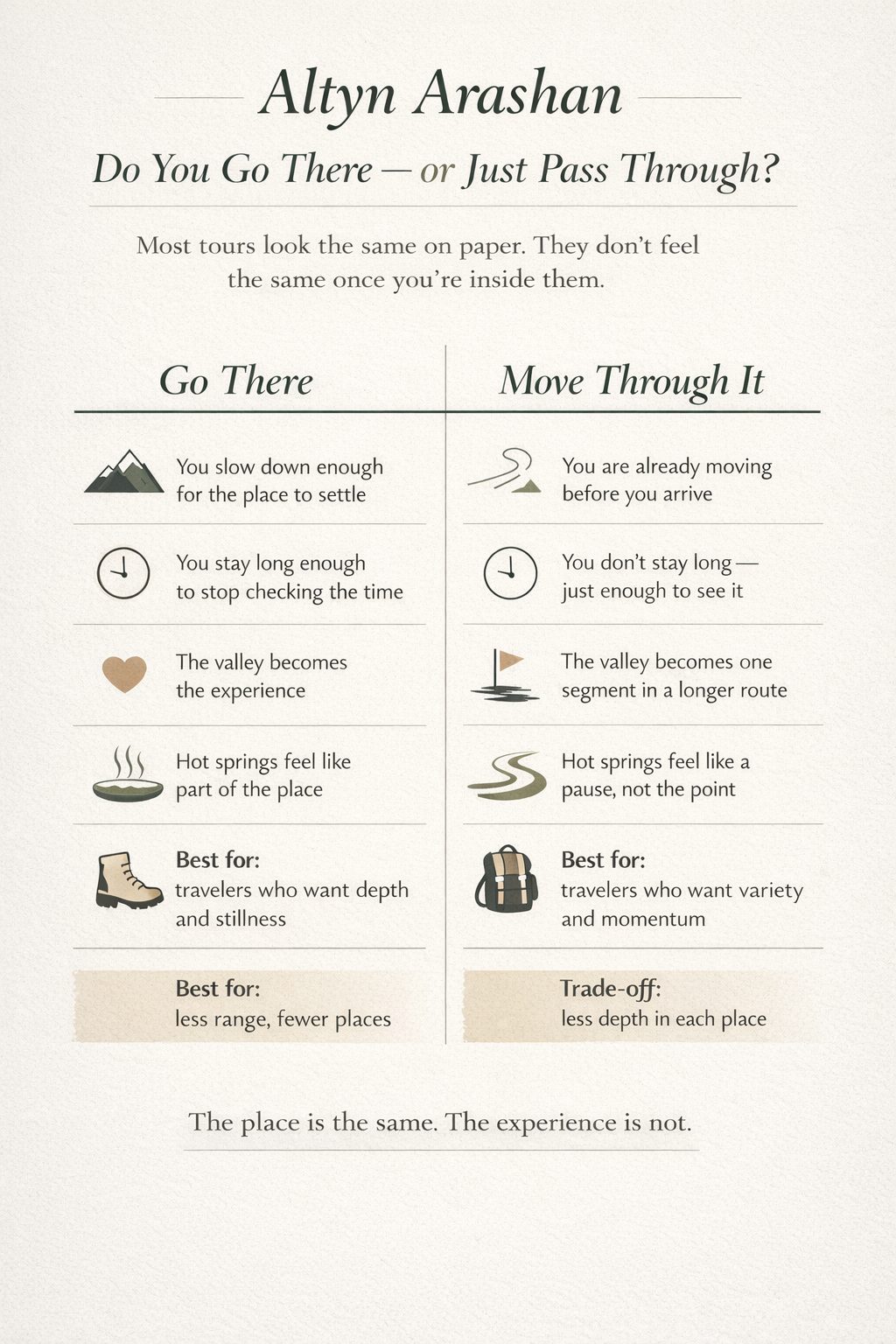
The Real Split: Go There or Move Through It
Go there
- You stop, stay, and let the valley become the experience
- Works best with a focused overnight format
- Better if Altyn Arashan is the main reason for the trip
Move through it
- You pass through the valley as part of a trekking or wider regional route
- Works better for travelers who want variety and momentum
- Gives you less depth if Altyn Arashan is the place you care about most
Tour Types Explained (What You’re Actually Booking)
Below is what each format actually means once you separate the itinerary from the marketing label.
1-Day Altyn Arashan Tours
This is the compressed version. Built for people staying in Karakol who don’t want to reshuffle everything just to fit the valley in. If you are still planning the approach, see the Bishkek to Karakol transport guide.
It sounds clean. Efficient. Tick the box, move on.
- Early start from Karakol
- Transfer to trailhead or straight into rough off-road
- Quick time inside the valley
- Back the same day
And yeah — it works.
But it doesn’t really land.
You spend most of the day in motion. Forward, stop, turn, back again. The valley kind of slips by you… like something you saw rather than something you were in.
What works
- Fits tight itineraries without stress
- No need to think about overnight logistics
- Easy add-on to other Karakol plans
What to expect
- Very limited time actually there
- More transit than presence
- Feels rushed if this is the main goal
I’d only do this if the valley isn’t the point of your trip. More like — you’re already there, might as well see it.
2-Day Altyn Arashan Tours
This is where things slow down enough to feel… real.
It’s not just “one more day.” It changes how you move, how you notice things, how long you stay in one place without checking the time.
- Day 1: get into the valley (hike, jeep, sometimes both)
- Evening: hot springs, no rush, just sitting there
- Day 2: leave, but not in a hurry
You arrive and actually stop moving.
That sounds obvious, but it isn’t. Most short trips never reach that point.
The extra night isn’t about duration. It’s the moment where the trip stops feeling like a route and starts feeling like a place.
Why it works
- The valley finally feels complete, not partial
- Pacing makes sense — nothing feels forced
- Evenings (especially hot springs) actually matter
Trade-offs
- You need to commit to staying overnight
- Costs a bit more
- Less room for squeezing in other places
This is usually what people had in mind… even if they didn’t know it when they booked.
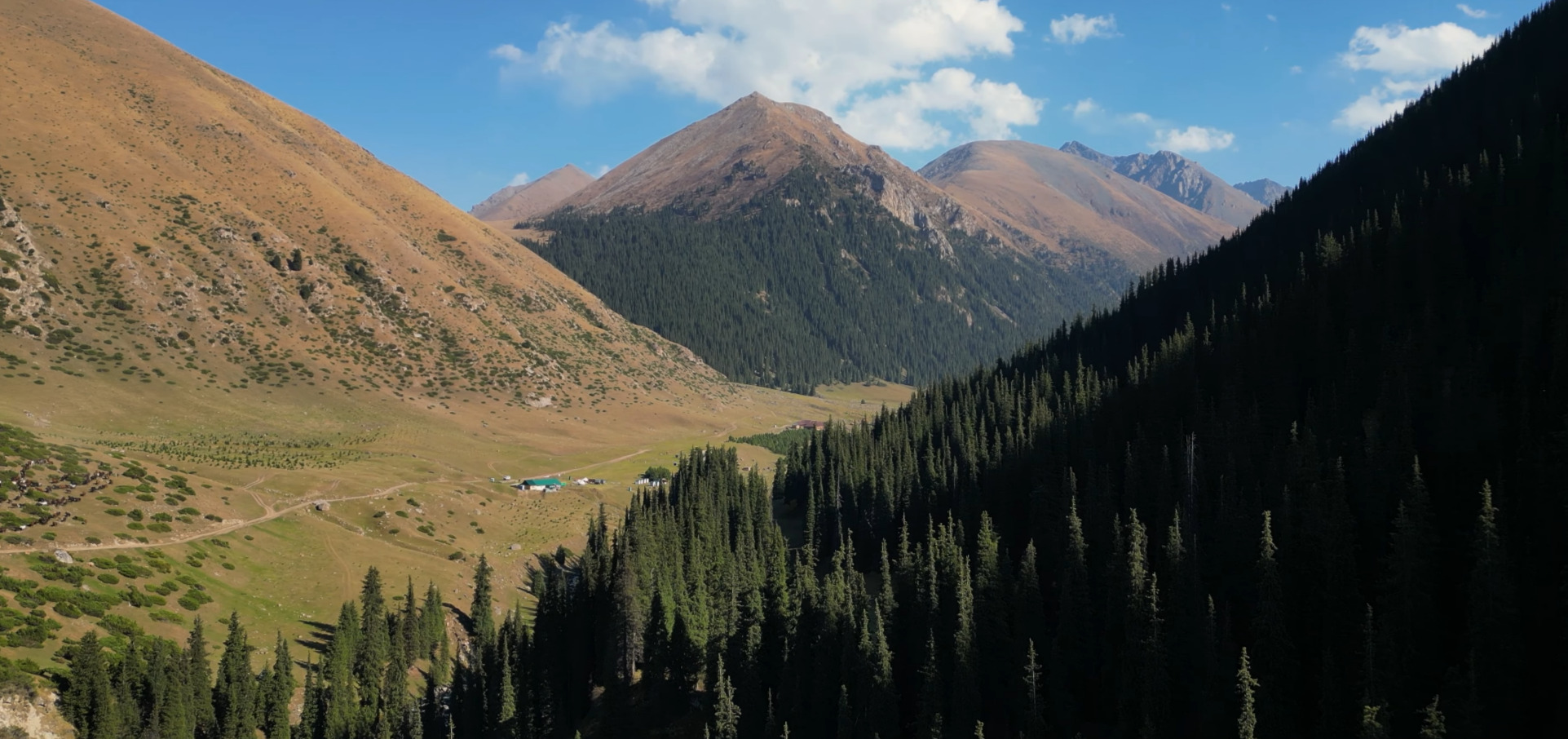
Ala-Kul + Altyn Arashan Tours
Then there’s this one. Different category entirely.
You don’t go to the valley. You come down into it.
- Multi-day trekking route
- High altitude exposure (close to 4000 m in places)
- Effort becomes the core of the experience
The structure flips without warning.
Altyn Arashan stops being the destination. It turns into the end point — the place you reach after pushing through the hardest stretch.
And because of that… it hits differently.
Arriving from Ala-Kul changes the mood completely. The hot springs don’t feel like a highlight — they feel like relief. That shift sticks with people.
Why it works
- Feels like a proper mountain route, not a visit
- Everything connects — no isolated stops
- Strong payoff for people who like trekking
Trade-offs
- Physically demanding, no way around it
- Altitude can mess with you
- Less flexible once you’re on the route
If you’re here for the journey itself — this is the one. If not… it might feel like too much for what you actually wanted.
Choose this for the demanding trekking version: Ala-Kul first, then Altyn Arashan as the finish and recovery point rather than a quick jeep visit.
What Actually Changes Between These Options
From the outside, it all blends together. Same valley, same angles, same descriptions recycled everywhere.
Inside the trip, it’s not subtle at all.
| Factor | 1-Day | 2-Day | Ala-Kul Combo |
|---|---|---|---|
| Time in valley | Short | Moderate | Moderate |
| Pace | Fast | Balanced | Slow but demanding |
| Physical effort | Low to moderate | Moderate | High |
| Focus | Access | Experience | Route |
The visible scenery may overlap, but the trip structure does not. Time in the valley, pace, and effort level change the experience more than the location itself.
Typical Price Range (What You’re Actually Paying For)
Prices for Altyn Arashan tours vary widely because the products are structurally different.
Use the figures below as broad planning ranges rather than current quotes. Group size, starting point, vehicle, accommodation and trekking support can move the live price outside these ranges.
| Tour Type | Broad Planning Range | What Drives the Cost |
|---|---|---|
| 1-Day 4×4 | $80–120 | Vehicle, group size and guide |
| 2-Day Focused Trip | $100–300+ | Transport method, accommodation, meals and whether hiking or horse riding is included |
| Ala-Kul Combo | $330–600+ | Group size, guide, accommodation, meals and trekking support |
| 4–5 Day Package | $850–1,300+ | Private transport, multiple stays, route length and included activities |
The part people miss — and I did too the first time — is this:
You’re not really paying for Altyn Arashan.
You’re paying for the way someone decided to wrap a route around it. How long you stay, how you get there, how many layers they stack on top.
A higher price doesn’t automatically mean a better Altyn Arashan experience. Sometimes it just means a longer loop with extra stops that dilute the main place.
4–5 Day Kyrgyzstan Tours with Altyn Arashan
On a 4–5 day Kyrgyzstan route, Altyn Arashan is no longer the whole trip. It becomes the mountain segment inside a broader itinerary of lakes, canyons, road travel and overnight stops.
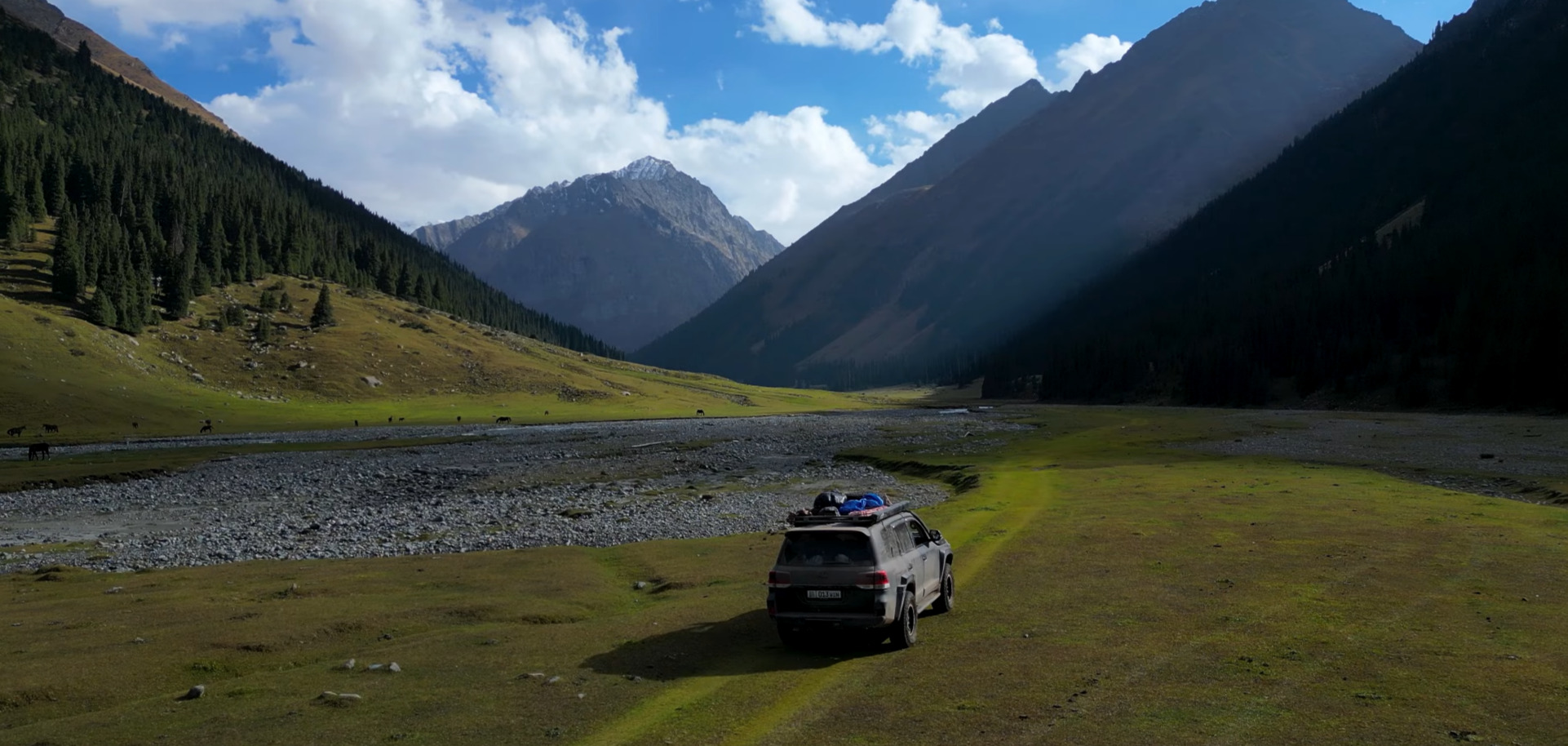
This format works well for first-time visitors who want several regions in one trip and prefer transport, accommodation and timing to be arranged. The trade-off is depth: you see more of Kyrgyzstan, but usually spend less time in Altyn Arashan itself.
What works
- Several major regions in one itinerary
- Structured transport and logistics
- Good overview for a first Kyrgyzstan trip
Main trade-offs
- Long driving days
- Shorter stays in each destination
- Less depth in Altyn Arashan than a focused overnight trip
| Factor | Wider 4–5 Day Tour | Focused 2-Day Altyn Arashan |
|---|---|---|
| Coverage | High | Low |
| Depth | Limited | Higher |
| Time in valley | Short | Moderate |
| Pacing | Fast-moving | More settled |
| Best for | Overview of Kyrgyzstan | Focused Altyn Arashan experience |
4 days: Issyk-Kul and Altyn Arashan by private car
This is the more focused regional route. It combines Burana Tower, the south shore of Issyk-Kul, Skazka Canyon, Barskoon, Jeti-Oguz and a separate Altyn Arashan segment.
A strong private option combining Issyk-Kul, Skazka, Barskoon and Jeti-Oguz with a dedicated Altyn Arashan day by off-road vehicle.
5 days: Song-Kul, Issyk-Kul and Altyn Arashan
This wider route covers more of the country. It adds Song-Kul, a yurt stay and cultural activities before continuing around Issyk-Kul and reaching Altyn Arashan.
The strongest wider itinerary here: Song-Kul and a yurt stay first, then Issyk-Kul and a full off-road day in Altyn Arashan.
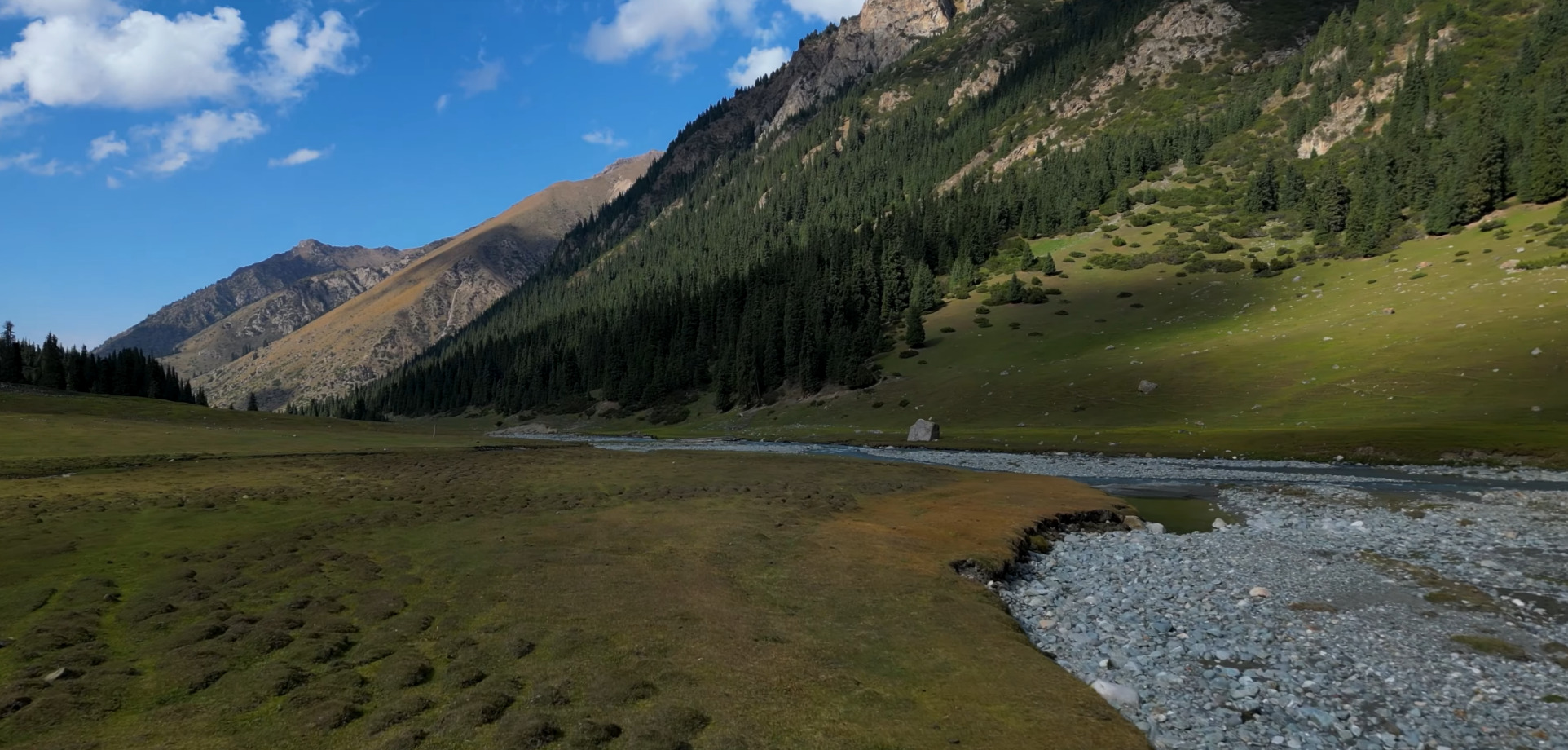
What’s Usually Included (and What Isn’t)
Tour descriptions love neat checklists. They look clean. Almost reassuring.
But they don’t tell you how the trip actually feels.
- Transport (shared minivan, 4×4, sometimes private)
- Guide (sometimes present, sometimes… not really doing much)
- Meals on multi-day trips
- Accommodation — usually simple guesthouses or yurts
Then there’s the stuff that actually shapes your experience — and rarely gets spelled out properly:
- How much of the day you’re walking vs sitting in a vehicle
- Whether you actually get time in the valley or just pass through
- How basic “basic” accommodation really is
That gap between what’s listed and what you feel on the ground… that’s where tours start to differ.
What to Look For Before Booking
Most people scroll, compare titles, glance at prices, maybe check reviews.
Feels logical. It’s not enough here.
Two tours can look almost identical online — same photos, same wording — and then play out completely differently once you’re actually on the road. For access, hiking, altitude and hot-spring logistics, use the main Altyn Arashan guide.
Before you book, try to answer these five things directly from the itinerary — and if you can’t, treat that as a warning sign.
So instead, look at this:
- Is Altyn Arashan the destination, or just one stop inside a wider route?
- Do you sleep in the valley, or leave the same day?
- How many hours are really spent getting in and out?
- Is the route vehicle-based, hike-based, or an awkward compromise between the two?
- Does the itinerary involve serious altitude exposure through Ala-Kul or other mountain sections?
If the itinerary feels vague about timing, it usually means the day is tighter than it looks — more driving, less lingering.
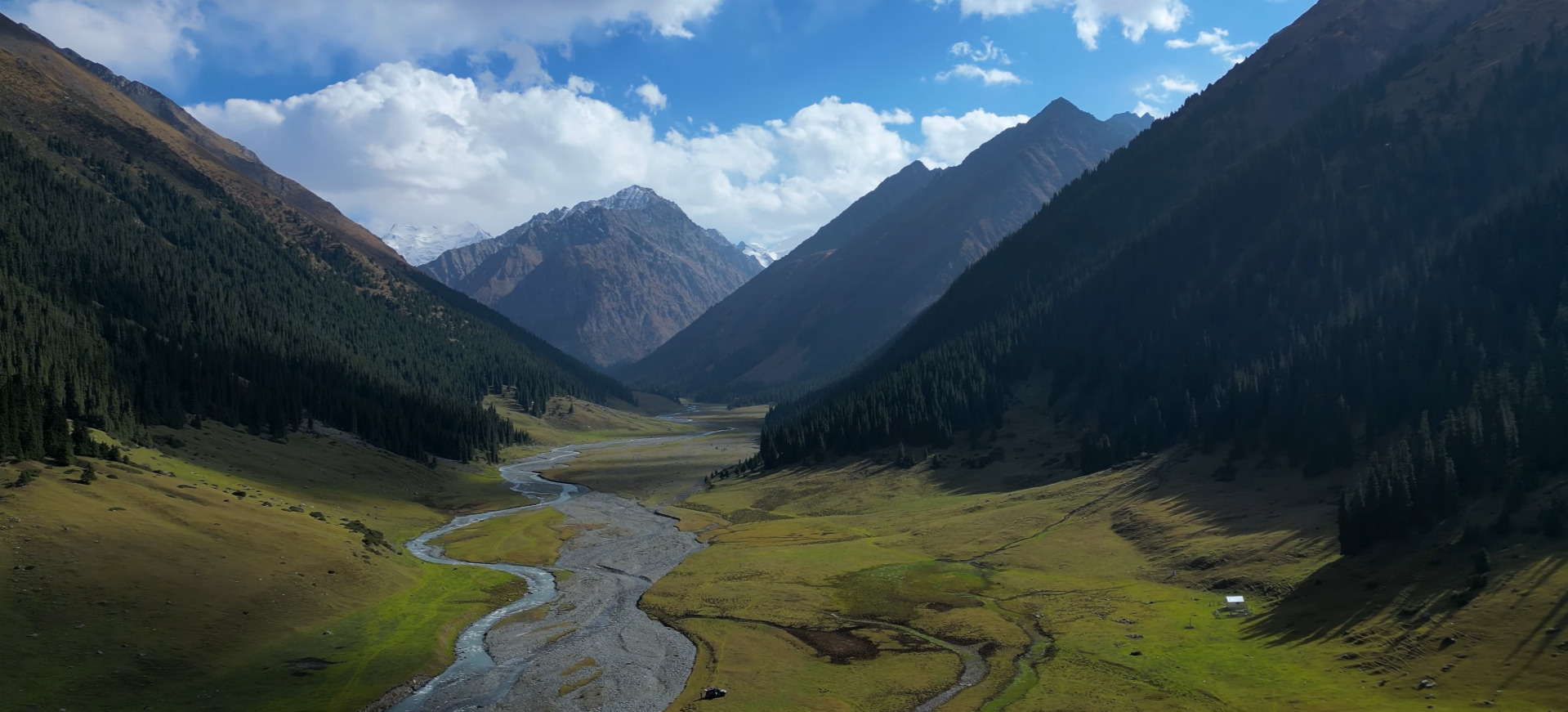
Common Mistakes When Choosing a Tour
It’s rarely bad decisions. More like assumptions that quietly shift the whole experience.
- Picking based on price instead of how the route actually works
- Thinking all “2-day tours” are basically the same thing
- Booking a longer package expecting more time in Altyn Arashan itself
- Underestimating how much time disappears into the road
- Choosing a trekking route without really thinking about altitude
None of this ruins anything.
It just changes the feel. Sometimes a lot.
Who Each Option Works Best For
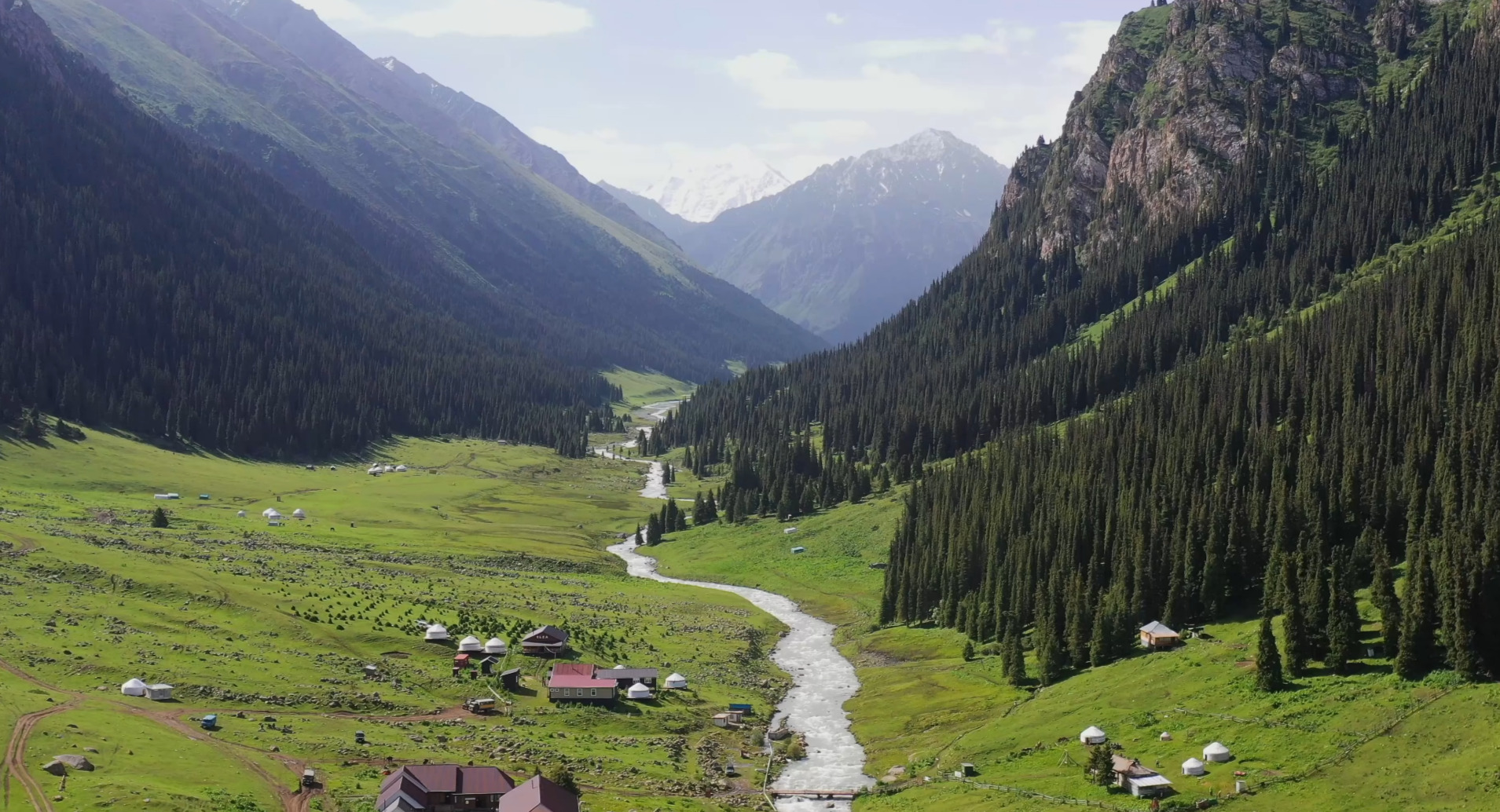
Choose a 1-Day Tour if…
- You’re already in Karakol and don’t want to rearrange your trip
- You’re short on time — like, properly short
- You just want a glimpse, not a stay
Choose a 2-Day Tour if…
- You want the valley to feel like a place, not a stop
- You care about the hot springs actually being part of the experience
- You like that rhythm — move, pause, stay, then move again
Choose an Ala-Kul Combo if…
- You’re here for trekking, not viewpoints
- You’re fine with long days and thinner air
- You want the route to connect, not just stack locations
Choose a Multi-Day Tour if…
- You want a packaged version of Kyrgyzstan without thinking too much
- You prefer structure — transport, stops, timing handled for you
- You’re okay with places blending together a bit
FAQ
What is the best Altyn Arashan tour for most travelers?
Probably the 2-day. It gives you space to stay, not just pass through. You feel the place a bit more — especially in the evening, when it quiets down.
Is a 1-day Altyn Arashan tour worth it?
Yeah, it can be. Just don’t expect it to linger. You’ll see it, maybe enjoy it, then you’re gone again. It’s quick — that’s the trade.
Are Ala-Kul tours difficult?
They’re not casual walks. Altitude creeps in, days stretch out, and the terrain isn’t forgiving. If you’ve done a bit of hiking before, you’ll be fine. If not… you’ll feel it.
Do multi-day tours spend a lot of time in Altyn Arashan?
Not really. It’s usually one segment in a longer chain. You pass through, stay briefly, move on.
Is it better to visit Altyn Arashan separately?
If that’s the place you actually care about — yes. A standalone 2-day trip just lands differently. Less rushed, more grounded.
Where This Fits in Your Trip
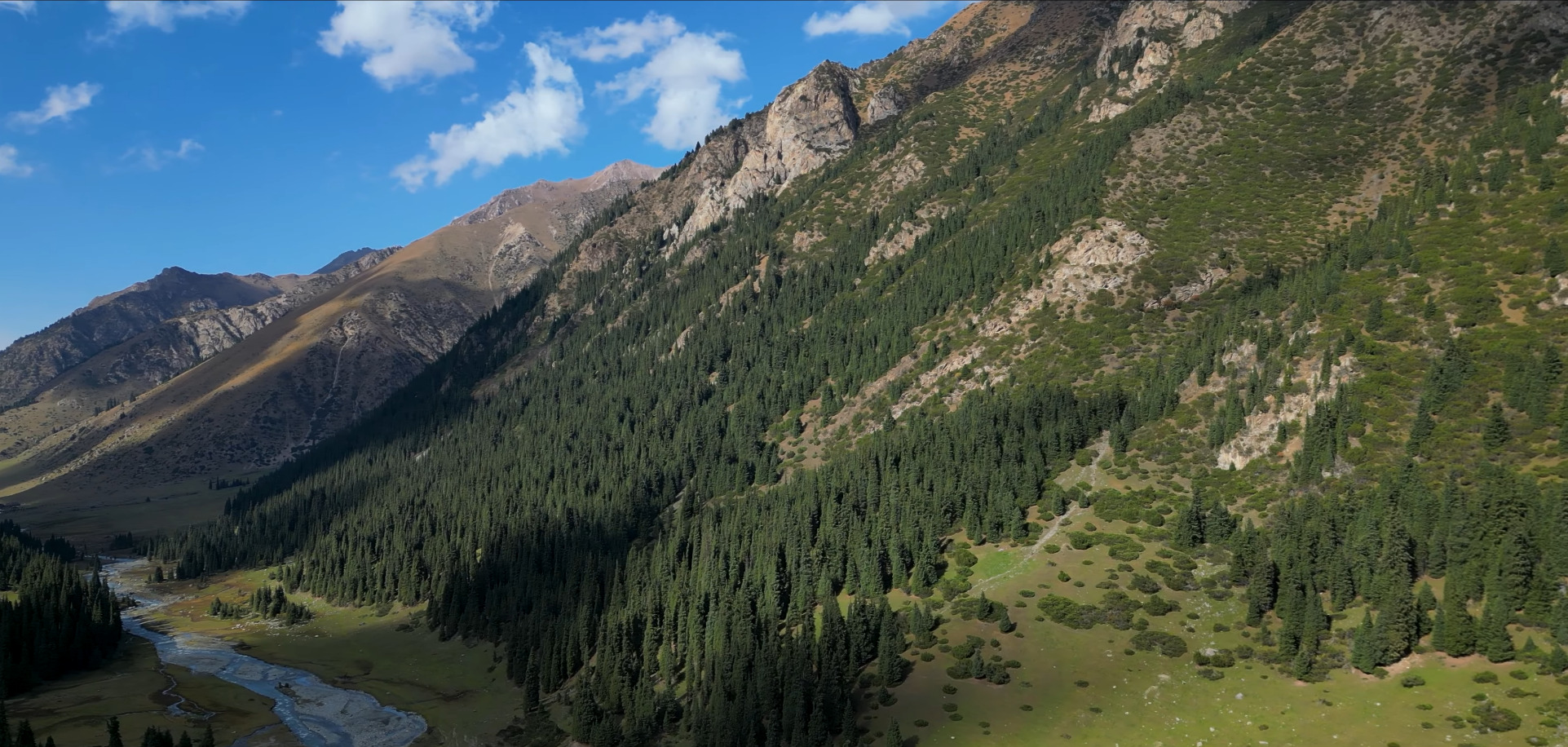
Some people build their whole route around Altyn Arashan.
Others slot it in between bigger stops — Issyk-Kul, Karakol, somewhere else down the line.
Both work. Just not in the same way.
If it’s your highlight, give it space.
If it’s part of a bigger loop, accept that it becomes a moment, not the story.
Once you’re clear on that… everything else stops being confusing. It just clicks.