Kol Tor Lake tour: Mistakes and the Truth About the Turquoise Water
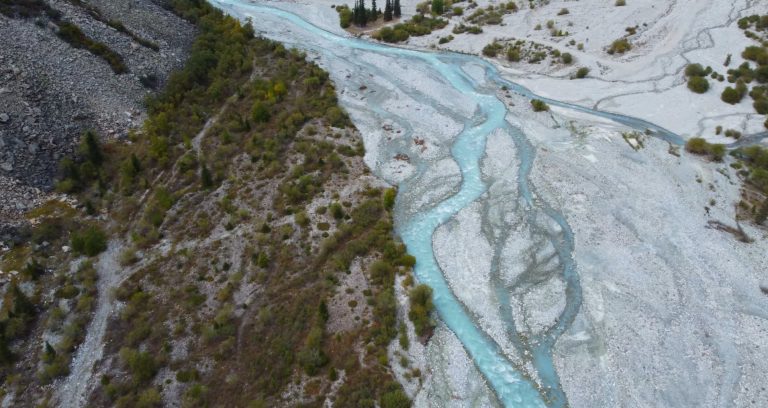
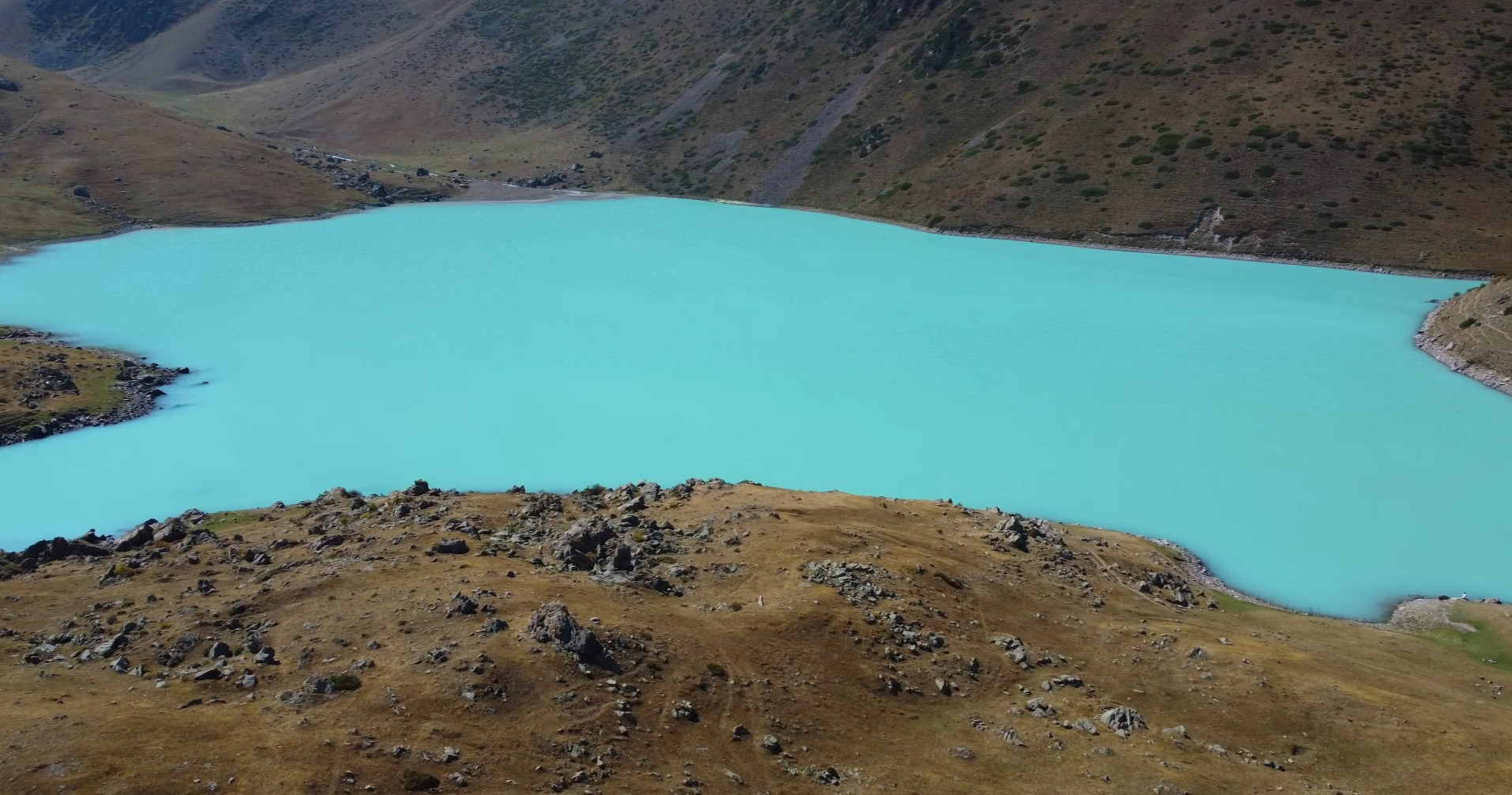
Tucked away in the jagged folds of the Northern Tian Shan, there’s a spot that honestly doesn’t look real. Kol Tor Lake. It’s the kind of place people flock to from Bishkek because of that wild, milky-turquoise water. It’s not like those other mountain lakes that just look “blue-ish” or green depending on the clouds; this one is thick, opaque teal. It’s all because of “glacial flour”—basically fine silt ground up by ice—floating around in the freezing depths.
If you’re roaming through Central Asia, this trek is the sweet spot. It’s a physical grind, sure, but you get this heavy dose of Silk Road history and raw scenery. I’m going to lay out the trail, the ancient vibes, and what you actually need to do to get up there without losing your mind.
The Core Experience and Historical Context
The Mystery of the Turquoise Water
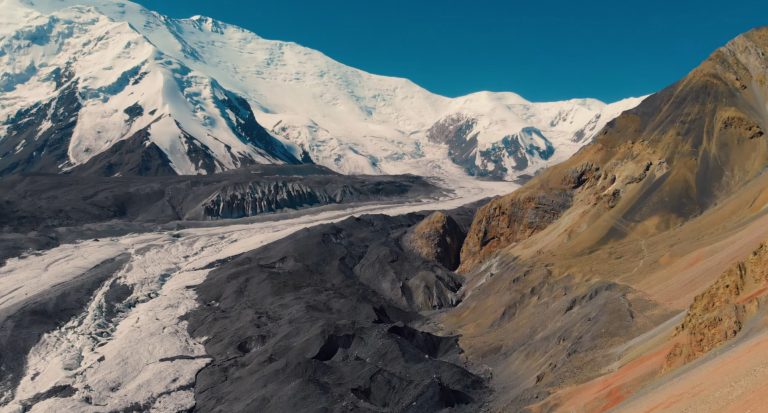
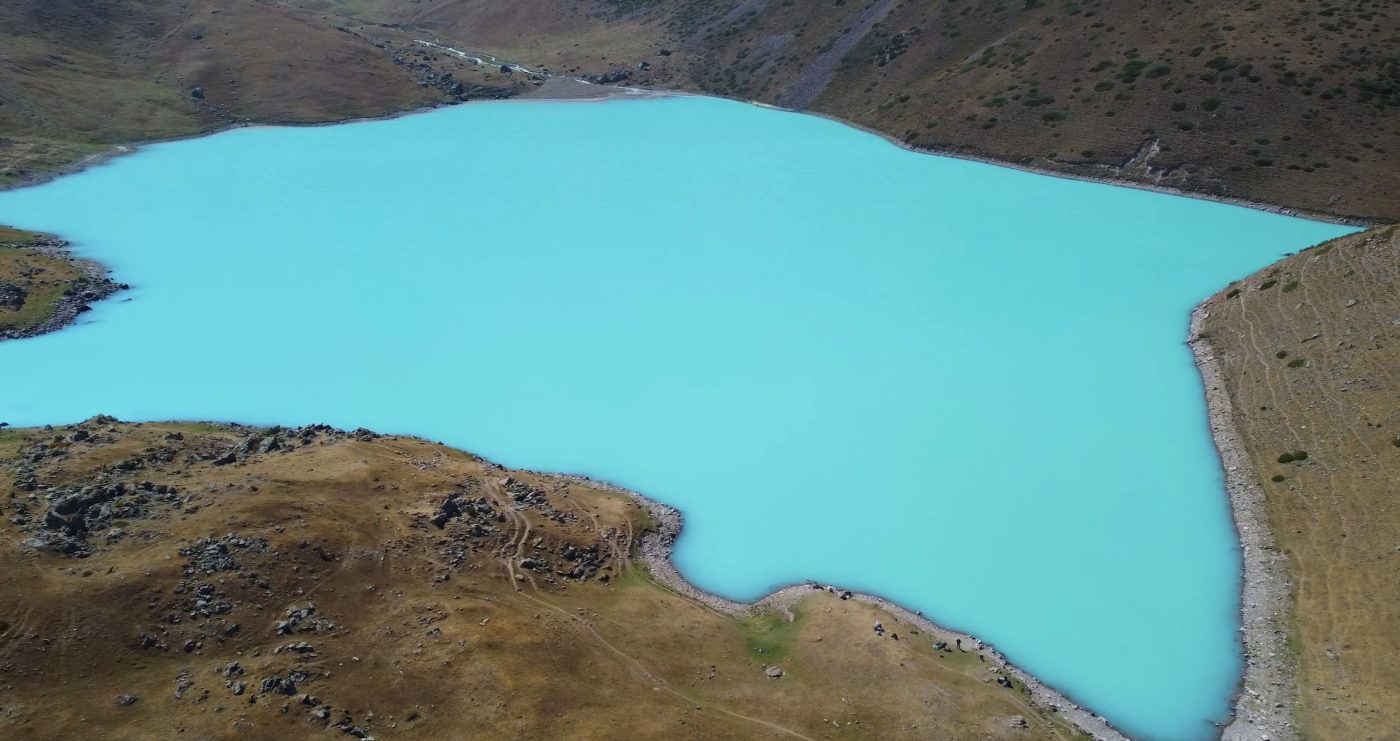
The color is the whole point. Seriously. To get why everyone obsesses over it, you have to look at the Kegety Gorge geology. The lake sits at about 2,725 meters—that’s roughly 8,940 feet—and it’s basically a bowl for melting glaciers from the Ala-Too peaks. When the glacier scrapes against limestone and granite, it turns stone into powder. This stuff stays in the water, catches the light, and boom: “Gatorade blue.” It’s bright. Almost neon.
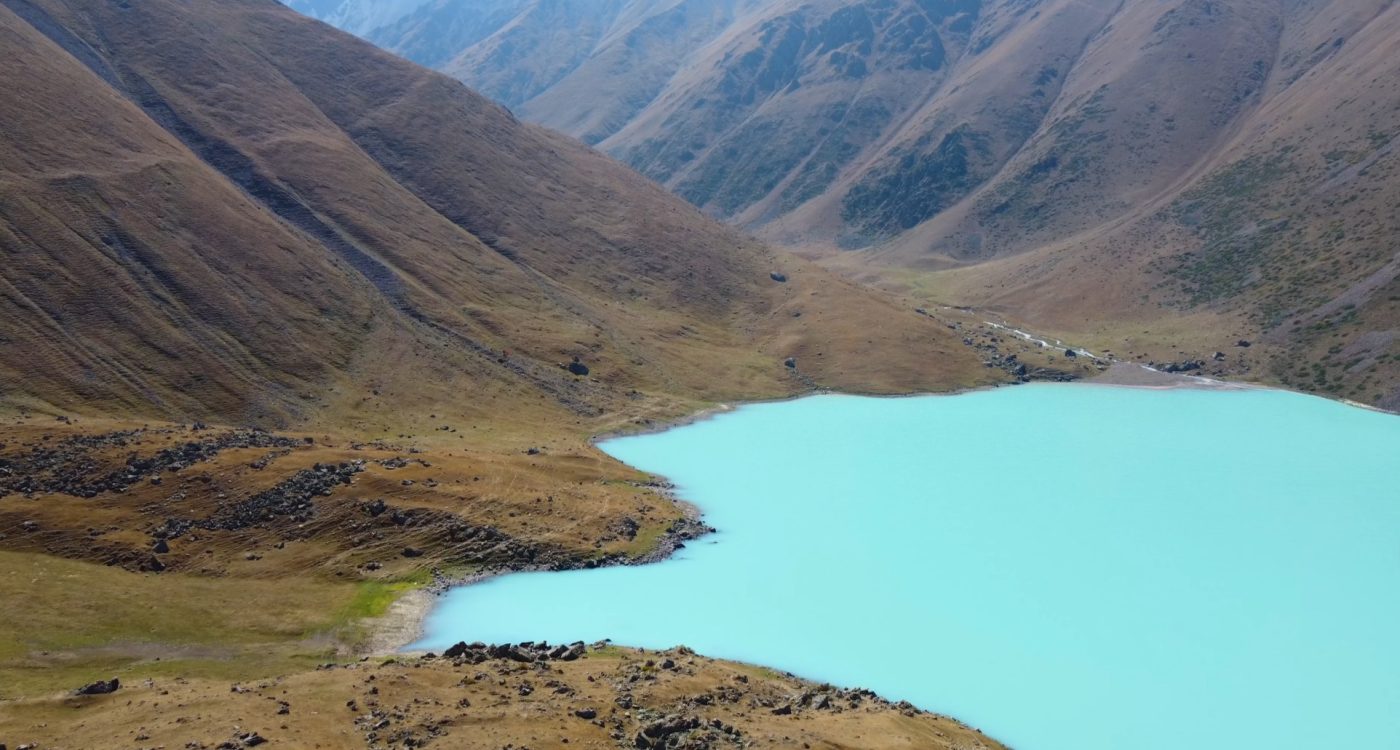
The shade shifts. Sometimes it’s a soft mint, other times it’s a glowing emerald. If you go in July or August, the melt is peaking, which means more sediment and crazier colors. It’s peak Kyrgyzstan.
The strongest all-round choice from Bishkek: a private guided Kol-Tor hike plus Burana Tower, with hotel pickup, trekking poles and entrance to Burana included.
The Gateway to the Past: Burana Tower and the Silk Road
Don’t just drive to the trailhead. That’s a waste. Most people stop at Burana Tower first. It’s about 80 clicks east of Bishkek and it’s basically a thousand-year-old ghost of a city called Balasagun. This place was a massive hub on the Silk Road back in the 10th century when the Karakhanids were running things.
The tower used to be 45 meters tall—part lighthouse for desert caravans, part minaret. An earthquake in the 15th century snapped it in half, so now it’s just 25 meters. Climbing the spiral stairs inside is sketchy. It’s pitch black and tight. But when you pop out at the top, you see the whole Chuy Valley and the mountains you’re about to hike. It puts things in perspective.
The Silent Sentinels: Balbals and Ancient Artifacts
Right by the tower is what I call the “field of ghosts.” There are over 80 balbals—these stone grave markers carved by Turkic nomads way back when. They have faces, hands, sometimes even swords. They’re supposed to be fallen warriors or ancestors watching over the steppe. It’s a bit eerie, honestly.
There’s a small museum there too. You’ll see Nestorian crosses, Buddhist stuff, Islamic pots—all dug up right there. It proves Balasagun was this crazy cultural blender. Seeing this before the hike makes the mountain air feel… I don’t know, heavier? Older. You aren’t just walking on dirt; you’re walking on history.
Why Kol Tor is the Perfect Bishkek Day Trip
Look, logistically, it’s a no-brainer. Places like Ala-Kul are incredible but they take days of planning and camping. Kol Tor? You can do it in a day. It’s a two-hour drive from the city, five or six hours of hiking, and you’re back in Bishkek in time for a beer and a proper bed. You get that high-altitude hit without the logistical nightmare. Just go.
Choose this if Kol-Tor is your main hike but you also want to use the drive from Bishkek to see Burana Tower without spending a second day on it.
Already visited Burana Tower? Choose the lake-only option if you would rather keep the day focused on Kegety Gorge and the Kol-Tor hike.
A better fit if the turquoise lake is the only priority: private transport, an English-speaking guide and lunch are arranged, with the day focused on Kegety Gorge and Kol-Tor.
The Great Kyrgyz Lake Debate: How Kol Tor Compares
Kyrgyzstan has, like, over 2,000 alpine lakes. It’s insane. They all have their own “vibe,” and if you’re trying to figure out if Kol Tor is actually worth the sweat compared to heavy hitters like Ala-Kul or Song-Kul, you’ve got to look at your fitness and how much time you’re willing to burn. Not everyone wants to live in a tent for a week.
| Lake Name | Key Attraction | Difficulty | Duration | Accessibility |
|---|---|---|---|---|
| Kol Tor | Neon turquoise water | Moderate | 1 Day | Easy from Bishkek |
| Ala-Kul | Insane mountain views | Hard | 3-4 Days | Serious trekking |
| Song-Kul | Yurts and horses | Easy | 2-3 Days | Car access |
| Issyk-Kul | Basically a sea | Very Easy | Flexible | Full resorts |
| Kel-Suu | Crazy rock cliffs | Moderate | 2-3 Days | Needs border permit |
The Verdict: Honestly, if you’re chasing that “neon” blue water look you see on Ala-Kul photos but you’ve only got a day and want a real bed at night, Kol Tor is the winner. It’s the best “bang for your buck” hike in the country. You put in the work, you get the view, and you’re back for dinner.
Technical Trail Guide & Route Breakdown
The trek up to Kol Tor is a bit of a grind, honestly, but the payoff is insane. You’ll pass through a bunch of different zones—forests, meadows, and then just raw rock. The trail is easy enough to follow, but your lungs will definitely feel the incline if you aren’t used to the altitude. Here’s the lowdown on the route.
Trail Statistics at a Glance
Don’t just wing it. Check these numbers so you know what you’re getting into before you start sweating through your shirt.
| Feature | Details |
|---|---|
| Total Distance | 15 km (9.3 miles) round-trip |
| Starting Elevation | 1,850 meters (6,070 feet) |
| Maximum Elevation | 2,725 meters (8,940 feet) |
| Total Elevation Gain | Approx. 875 meters (2,870 feet) |
| Average Hiking Time | 4–6 hours (plenty for snacks) |
| Trail Surface | Dirt, pine needles, loose rock, and some mud |
| Difficulty Level | Moderate (steep in spots) |
The Lower Forest and River Trail
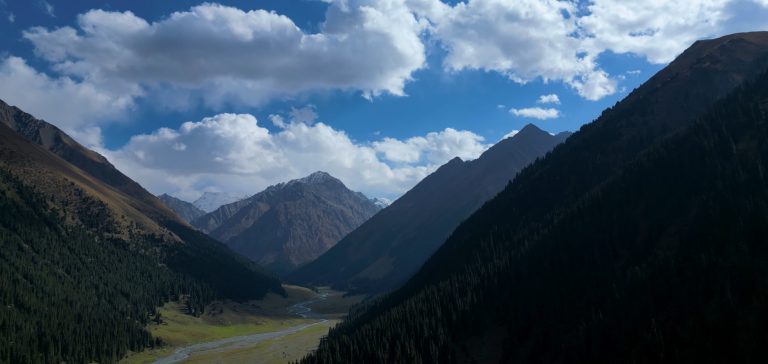
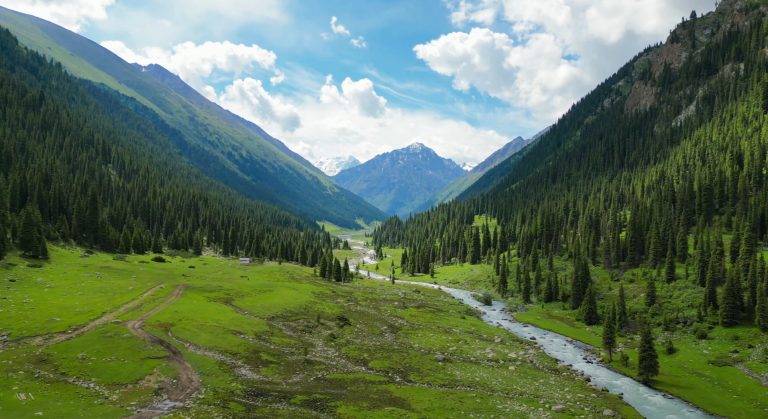
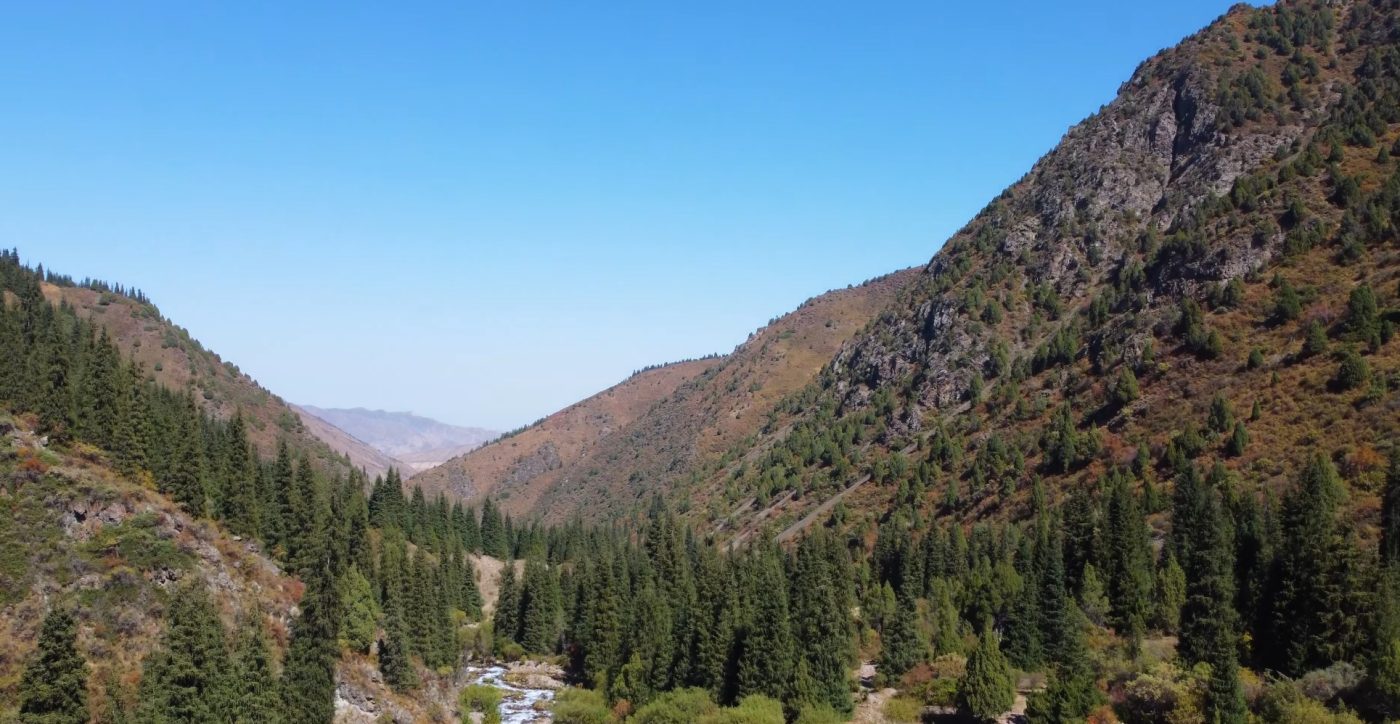
You start at the end of the road in Kegety Gorge, right by the forestry guy’s house. The first couple of kilometers? Pretty chill. You’re following the Kegety River through these massive Schrenk’s Spruces. The air is ridiculously fresh, smells like Christmas and cold water. This is basically your warm-up.
You’ll hop over some stones in the streams and cross a few wooden bridges that look a little weathered. Keep an eye out for cows and horses just hanging out in the meadows. The local shepherds use this area a lot in the summer, so you’re definitely sharing the path with livestock.
The Alpine Switchbacks (The Hardest Mile)
Eventually, the forest thins out and things get real. The trail starts zig-zagging up the mountain in these brutal switchbacks. This is the part where you’ll probably start questioning your life choices. There’s no shade, the sun beats down, and the dirt can be pretty slippery. If you have trekking poles, use them. Seriously.
As you climb, look back. The Kegety Gorge looks massive from up here. Take breaks. Don’t be a hero—the air gets thin around 2,500 meters and if you just flew into Bishkek yesterday, you’re going to feel it in your chest.
The Upper Plateau and Final Scramble
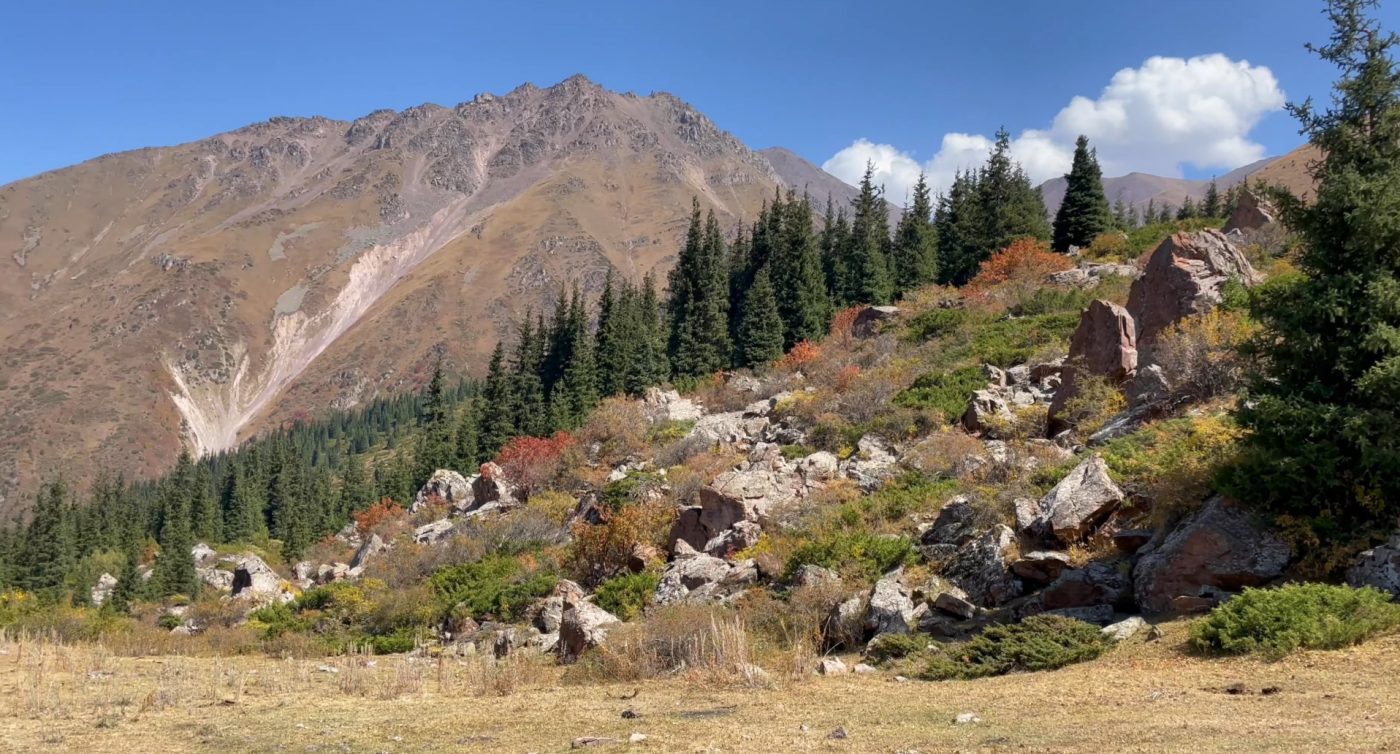
After the switchbacks, the trail levels out. You’re in the alpine zone now. No more tall trees, just juniper bushes and flowers. If it’s June or July, the place is covered in edelweiss and forget-me-nots. It looks like a Windows screensaver.
The very last bit is a scramble over a big pile of rocks. It’s actually a natural dam from an old landslide that holds the lake in. Once you crest that final ridge, the turquoise hits you. It’s so bright it looks fake. Most people just stop and stare for a minute because the color is that intense.
Descending: Protecting Your Knees
Going down is faster, obviously, but it’s a knee-killer. Those switchbacks are steep and the loose dirt makes it easy to slide. Tie your boots tight so your toes don’t jam into the front of your shoes. Your future self will thank you.
Gear, Preparation, and Safety
You need the right stuff. The weather in the Tian Shan is moody—one minute you’re baking, the next a freezing wind comes off the glacier and you’re shivering. Being underprepared here just makes for a miserable day.
The Essential Packing List: Gear for Success
Don’t be the person hiking in flip-flops. I’ve seen it, and it never ends well. Here’s the actual list of what you need in your pack.
- Footwear: Proper hiking boots or trail runners with actual grip. You need traction for the mud and the loose scree.
- Trekking Poles: I used to think these were for old people. I was wrong. They save your knees on the way down and help you power up the 875-meter climb.
- Layered Clothing: It might be 30°C in the city, but it’s cold at the lake. Bring a fleece and a windbreaker. Trust me.
- Hydration and Nutrition: Take 2 liters of water. The streams look clean, but cows poop in them, so unless you have a filter, don’t drink it. Pack some Kyrgyz dried apricots—they’re like natural rocket fuel.
Photography Gear: Capturing the Turquoise
If you want those “Gatorade blue” shots for the gram, use a CPL filter on your camera. It cuts the glare on the water so the camera actually sees the minerals. Drones are cool here, but the wind in the gorge can be sketchy, so don’t fly it into a cliff.
Safety and Altitude Considerations
You probably won’t get full-blown altitude sickness at 2,700 meters, but you might get a headache. Drink water. Walk slow. And for the love of everything, wear sunscreen. The sun at this height is brutal. Also, download offline maps (like Maps.me) because your phone signal is going to die the second you enter the gorge.
Solo Adventure Guide: Navigating Kol Tor Alone
People always ask if you can do Kol Tor solo, or if it’s safe for solo female hikers. Short answer? Yes. Totally. Kyrgyzstan is probably the chillest, most welcoming place in Central Asia. This specific trail is one of the safest bets for going it alone.
Safety on the Trail
This isn’t some deep-wilderness survival mission in the south. The path to Kol Tor is busy. In the summer, you’ll run into local families, groups of students, and other travelers. You’re never really “alone” alone. The trail is super obvious—just use a GPS map—and there aren’t any weird technical bits where you might fall off a cliff. It’s just a long walk up a big hill.
Empowering Tips for Solo Female Hikers
- Reliable Transport: Don’t just grab a random guy’s taxi on the street. Use Yandex Go or InDrive. It’s tracked by GPS, it’s cheap, and it’s way safer.
- The “Trekking Club” Alternative: If the forest feels a bit spooky to you, join a weekend group from Bishkek. It costs basically nothing and you’ll make friends with locals who know the best spots.
- Communication: Download your maps before you go. Cell service dies the second you hit Kegety Gorge. Tell someone at your hostel when you expect to be back. Standard mountain rules.
- Local Hospitality: Shepherds might offer you kymyz (fermented mare’s milk). It’s an acquired taste… kind of like sour, fizzy smoke. If you don’t want it, just say “Jok, rahmat” (No, thanks). They aren’t being pushy; they’re just being Kyrgyz.
Beyond Kol Tor – The Kegety Region
If you have gas left in the tank, there’s more to see around here. Don’t just tick the box and leave. The whole area is pretty spectacular.
The Kegety Waterfall
Right near where you park for the lake is the Kegety Waterfall. It’s about 30 meters high and super easy to get to—like a 10-minute walk. It’s a great way to cool off after the hike before you jump back in the car. It’s loud, misty, and honestly quite refreshing.
Flora and Fauna of the Northern Tian Shan
Keep your eyes peeled for marmots. They’re these fat mountain squirrels that live in the rocks. You’ll hear them whistling at you before you see them. If you’re lucky, you might see an eagle or a bearded vulture circling the peaks. It’s their territory; we’re just visiting.
Extending the Trek: The Kegety Pass
Feeling hardcore? The trail can actually take you over the Kegety Pass (3,780m). You’d need camping gear and a lot more time, but it leads all the way toward Kochkor. It’s empty, wild, and way off the beaten path. Maybe next time, right?
Local Gastronomy: The Post-Hike Reward
You’re going to be starving. On the way back to Bishkek, stop at a roadside cafe. Order some Lagman (noodles) or Shorpo (mutton soup). It’s greasy, salty, and exactly what your body needs after burning all those calories. It’s basically the unofficial end to any Kyrgyz mountain trip.
Common Myths and Mistakes: What to Know Before You Go
Every famous trail collects its own set of weird myths and dumb mistakes. When it comes to Kol Tor, knowing what’s actually true isn’t about being a buzzkill—it’s just about making sure your trip isn’t a total disaster. Here is the reality behind the stuff you’ll probably hear in the hostel bar.
Myth #1: “The water is only turquoise in the summer.”
People say the color vanishes if you aren’t there in July. That’s just wrong. Sure, the peak glacial melt in August makes it super opaque and milky, but the lake is gorgeous in the shoulder seasons too. In late spring, it’s a clearer, deeper teal—it basically turns into a mirror for the snowy peaks. By autumn, you get this wild contrast between the turquoise water and the orange larch needles. Don’t skip it just because the calendar says it’s September. It’s still a vibe.
Myth #2: “You have to be a professional athlete to reach the top.”
Nearly 900 meters of climbing sounds terrifying if you spend most of your time sitting at a desk. I get it. But honestly? The trail isn’t technical. You aren’t hanging off cliffs or doing anything crazy. The “secret” to Kol Tor is just pacing. Don’t try to sprint. Just keep moving, breathe the thin air, and take breaks when your legs start to burn. It’s a persistence thing, not an Olympic trial. Even casual hikers get up there if they don’t rush.
Common Mistake: Trusting the Bishkek Weather Forecast
This is a classic rookie move. You look out your hotel window in Bishkek, see 35°C and no clouds, and think you’re good in a t-shirt. Wrong. The mountains don’t care about the city weather. The Kegety Gorge has its own mood swings. It can drop to 15°C and start pouring rain while the city is still baking. Bring a waterproof shell. Just do it. You’ll look smart when everyone else is shivering in the mud.
Common Mistake: Skipping the Sunscreen on Cloudy Days
If it’s overcast or chilly, you think you’re safe from the sun. You aren’t. At 3,000 meters, the air is thin and the UV rays are basically trying to cook you. Plus, that milky water reflects the light right back into your face. I’ve seen hikers come back with “mountain burns” that look painful as hell. Put the sunscreen on your neck and face. Don’t argue with the altitude.
Myth #3: “The Burana Tower is just a quick photo stop.”
Don’t be that person who treats a thousand-year-old monument like a 5-minute bathroom break. It’s a waste. To really “get” this hike, you need to understand the dirt you’re walking on. Wandering through the “field of ghosts” with the balbals makes you realize people have been crossing these mountains for a thousand years. It stops being just a “nature walk” and feels more like a pilgrimage. Take the hour. It’s worth the detour.
The Ultimate Itinerary and Essential FAQ
If you want this trip to actually go smoothly, you need a plan. Walking into the mountains without a schedule is how you end up hiking down in the dark, which—trust me—isn’t fun on those slippery rocks. This breakdown balances the history at Burana with the sweat of the lake hike. Stick to it, or don’t, but don’t say I didn’t warn you.
The Perfect 1-Day Kol Tor Itinerary
This assumes you’re grabbing a car or a private driver from Bishkek. If you’re trying to navigate the marshrutka (public van) system, start way earlier. Like, 7:00 AM. Seriously.
- 08:00 – Departure from Bishkek: Get moving. You’ll head east, leaving the city chaos behind. Watch the Ala-Too mountains start to grow on the horizon—it’s pretty cool once the smog clears.
- 09:30 – Burana Tower Exploration: Pull over at the old city of Balasagun. Spend an hour. Climb the tower, wander through the balbals (those stone dudes), and check the museum. It sets the mood.
- 10:30 – Drive to Kegety Gorge: The road gets rougher here. Asphalt turns into gravel, and the walls of the gorge start closing in.
- 11:30 – Start the Hike: Get your boots on and go. That first hour in the spruce trees is where you find your pace. Don’t rush it yet.
- 13:30 – Reach Kol Tor Lake: You finally crest that ridge. Take the photos, eat your sandwich, and if you’re feeling crazy, stick your feet in. It’s freezing. Like, painfully cold.
- 14:30 – Commencing the Descent: Head back down. Your knees are going to complain. Just keep an eye on the loose dirt so you don’t end up on your backside.
- 16:30 – Return to Vehicle & Kegety Waterfall: You’re right there, so you might as well see the waterfall. It’s a nice little “I survived” victory lap.
- 17:30 – Post-Hike Meal: Find a guesthouse. Get some tea and fresh boorsok (fried dough). It’s the best thing you’ll ever taste after a hike.
- 19:30 – Arrival in Bishkek: Back to the hotel. You’ll be wiped out, but in a good way.
Frequently Asked Questions (FAQ)
Can I swim in Kol Tor Lake?
Sure, if you want your heart to stop. It’s glacial melt, so it’s basically liquid ice. A quick dip is okay, but there are no lifeguards out here. Swim at your own risk, obviously.
Is the trail suitable for children?
If they’re around 10 and actually like walking, maybe. It’s an 800-meter climb. That’s a lot for little legs. Bring way more snacks than you think you need. Sugar is a great motivator.
Do I need a permit to visit the Kegety Gorge?
Nah, you don’t need a border permit for this one. You might have to pay a small fee at the gate—maybe 50 or 100 KGS. It’s nothing. Just keep a copy of your passport on you because… well, it’s Kyrgyzstan, and you should always have it.
When is the best month to see the turquoise color?
Late June to early September. If you go in May, it’s probably still frozen or just muddy. By October, it’s still pretty, but the grass is brown and the “vibe” is different. Summer is the sweet spot.
Can I hike Kol Tor in the winter?
You can, but why? The lake will be white, not turquoise. You’ll need snowshoes and a death wish regarding avalanches. Save it for the summer unless you’re a pro.
Final Thoughts: Why Kol Tor Matters
Everything is so crowded these days. But Kol Tor? If you go on a Tuesday, you might be the only person there. It’s a physical test, a history lesson, and a visual punch in the face. It’s just… real.
Don’t be a jerk—take your trash back with you. Respect the mountains and they’ll respect you. Honestly, it’s the one experience near Bishkek you absolutely shouldn’t skip.
Bottom line: Choose the combined Kol-Tor and Burana tour if this is your first day trip outside Bishkek. Choose the lake-only option if you have already visited Burana Tower or want to spend the full day focused on the hike.