Issyk-Kul Tours from Bishkek: 1-Day, 2-Day and 3-Day Routes
Issyk-Kul is easy to reach on a map and surprisingly difficult to fit into a short itinerary. The western edge of the lake is close enough for a long day trip from Bishkek, but many of the places travelers actually want to see — Cholpon-Ata, Skazka Canyon, Barskoon, Jeti-Oguz and Karakol — are spread around a lake more than 180 kilometers long.
That is why the number of days matters more here than it does on an ordinary sightseeing trip. One day gives you the road, the western or northern shore and a few carefully chosen stops. Two days allow a yurt stay, canyon walks and a much calmer pace. Three days are enough for a real loop through the south shore, Karakol and the north shore.
This guide compares 1-day to 5-day Issyk-Kul tours from Bishkek, but the strongest choices for most travelers are the 1-day, 2-day and 3-day formats. It focuses on realistic driving time, route logic, accommodation and what is actually included. For wider route planning, see our Kyrgyzstan travel guide and overview of the lakes of Kyrgyzstan.
Best Issyk-Kul Tours from Bishkek
Compare six Issyk-Kul tours, from a one-day trip to a five-day lake circuit. For most first-time visitors, a two-day tour offers the best balance of sightseeing, cultural experiences and time at the lake.
Small-group tour with canyon hikes, an eagle show and an overnight stay in a traditional yurt.
An all-inclusive day trip from Bishkek combining Burana Tower, canyon scenery and Issyk-Kul.
A three-day circuit with Karakol, canyons, an eagle show, a yurt stay and the north shore.
Explore Skazka Canyon, Barskoon waterfalls and the south shore with a private guide and yurt stay.
A four-day journey combining Issyk-Kul, Chon-Kemin Valley, mountain landscapes and cultural experiences.
A private five-day journey around Issyk-Kul with cultural stops, Karakol, waterfalls and overnight stays.
Not sure which tour to choose? Start with the 2-day small-group tour for the best overall balance, the 1-day trip for a short visit, or the 3-day circuit to explore both shores.
Quick Answer: Is Issyk-Kul Worth Visiting from Bishkek?
Yes. Issyk-Kul is one of the easiest major landscapes to reach from Bishkek, but the right tour length changes the experience completely.
Choose a 1-day tour only if you have one free day and accept a long drive. Choose a 2-day route for the best overall balance of lake scenery, a canyon, cultural activities and an overnight stay. Choose 3 days if you want both shores, Karakol and a route that feels complete rather than sampled.
Issyk-Kul Tour from Bishkek
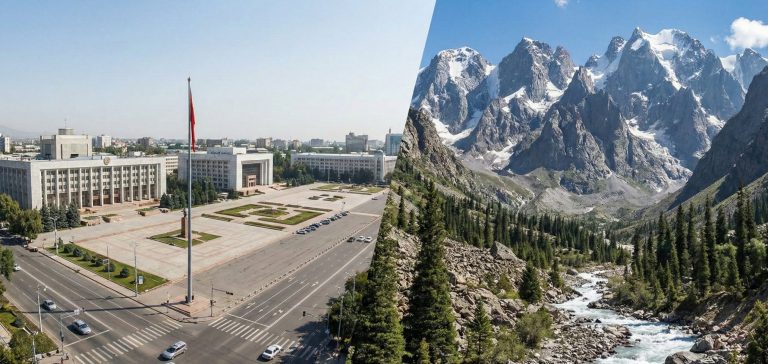
Most Issyk-Kul tours start in Bishkek because the capital has the easiest hotel pickup, private drivers, group departures and road access to the lake. The classic route follows the main highway through Boom Gorge toward Balykchy and then continues along the north shore toward Cholpon-Ata.
This route works well for travelers who want to see Issyk-Kul without figuring out marshrutkas, taxis, lake transfers and local stops on their own. Travelers continuing east can compare independent options in our Bishkek to Karakol transport guide. It also makes sense if you want to combine the lake with Burana Tower, Boom Gorge, Konorchek Canyon, or Cholpon-Ata in one short trip.
- Best for: first-time visitors, couples, families, and short-stay travelers
- Most common route: Bishkek – Boom Gorge – Balykchy – Cholpon-Ata
- Best short format: 2 days / 1 night
- Possible fast format: 1 long day from Bishkek
Can You Visit Issyk-Kul as a Day Trip?
Yes, you can visit Issyk-Kul as a day trip from Bishkek, but it is a long day. The route works best if you focus on the north shore and avoid trying to see too much. A realistic day trip usually includes the drive through Boom Gorge, one cultural or canyon stop, and a short visit to the lake near Cholpon-Ata or Balykchy.
The main downside is time. You may spend more hours in the car than beside the water. That is why a 1-day Issyk-Kul tour is best for travelers who only want a quick first impression. If you want to swim, relax, visit Cholpon-Ata properly, or add nearby gorges, choose 2 days instead.
| Question | Answer |
|---|---|
| Is a day trip possible? | Yes, especially to the north shore |
| Is it relaxed? | Not really; expect a long driving day |
| Best day-trip route | Bishkek – Boom Gorge – Balykchy or Cholpon-Ata – Bishkek |
| Better alternative | 2-day Issyk-Kul tour with one overnight stay |
1-Day Issyk Kul Tours — Fast Day Trips from Bishkek
Typical Itinerary
Most one-day trips to Issyk Kul start before the city fully wakes up. Somewhere between 6:00 and 8:00 a.m., you’re already in a minivan, half-asleep, watching Bishkek fade behind you. The road cuts through Boom Gorge, mountains pressing in on both sides.
The schedule is tight. Usually, guides stick to the north shore, squeeze in one or two stops, then rush everyone toward the lake. You get a few hours by the water. Then — back to the highway, back to the capital, late and tired.
- Early morning departure from Bishkek
- Stop at Boom Gorge or Burana Tower
- Visit to a canyon or viewpoint
- Lakeside walk or short beach break
- Evening return to the city
Main Attractions
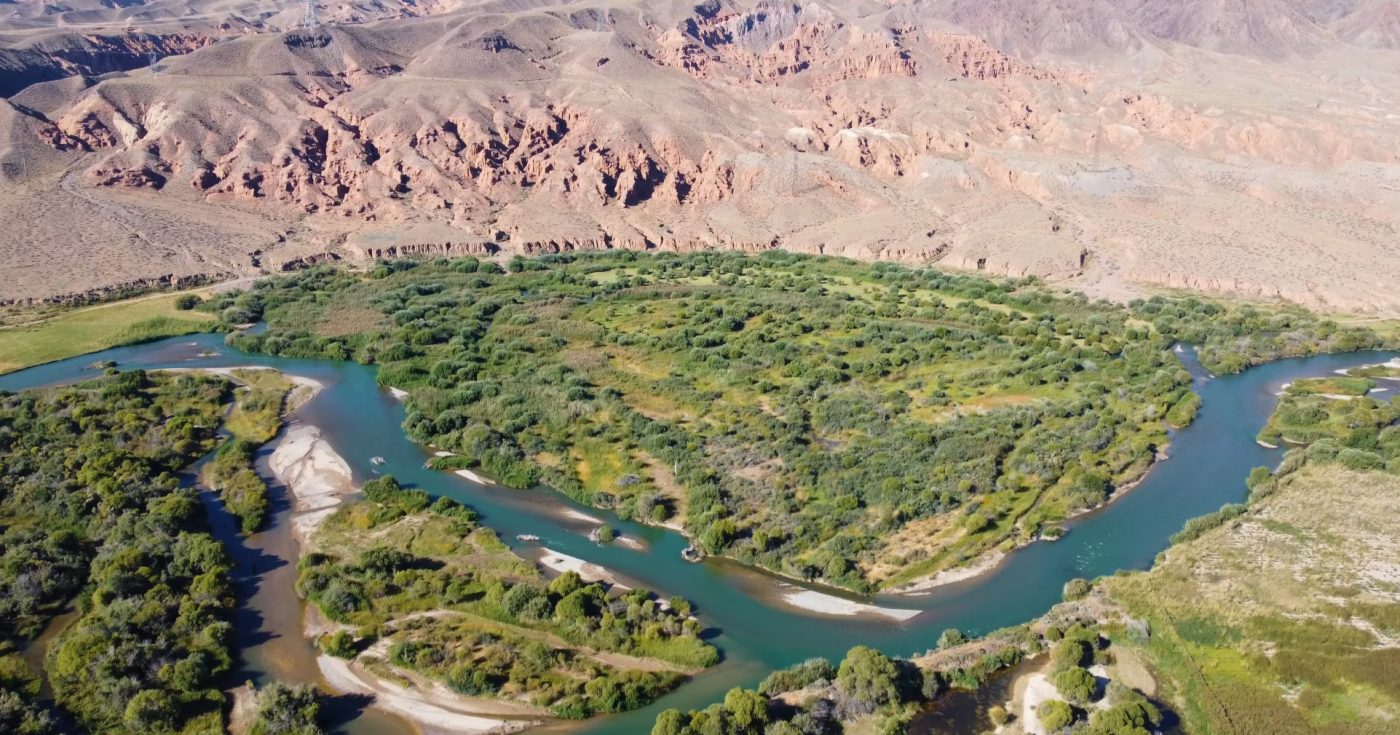
Because time is always slipping away, these tours stick to places right next to the main road. No deep detours. No wild adventures. Just the “greatest hits.”
- Burana Tower and archaeological site
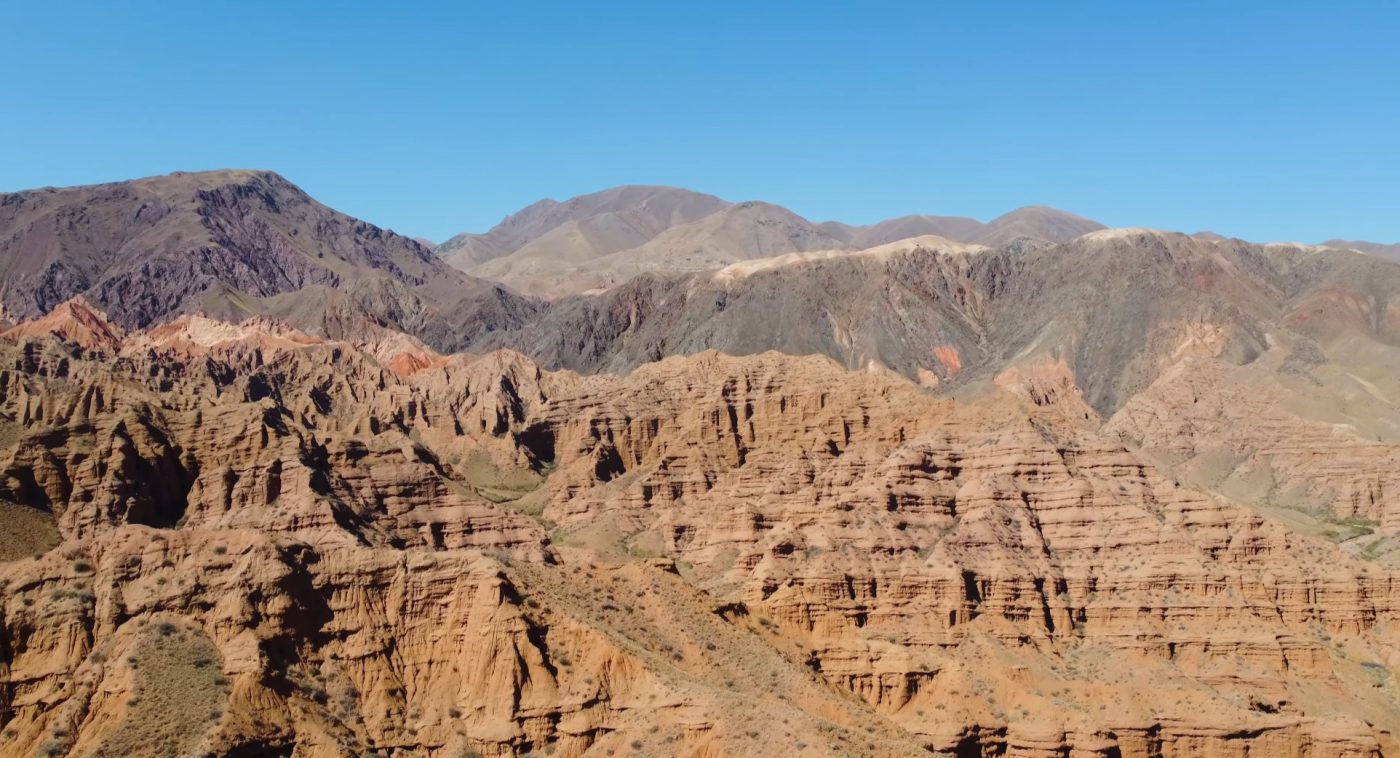
- Konorchek or Kok-Moinok Canyon
- Cholpon-Ata lakeshore
- Rukh Ordo cultural center
Who This Tour Is For
This format works for people who want a taste of Issyk Kul, not the full meal. Quick, simple, a bit rushed. Sometimes that’s enough.
- Business travelers in Bishkek
- Weekend visitors
- First-time tourists with tight schedules
- Travelers who prefer minimal hiking
Pros and Cons
| Advantages | Disadvantages |
|---|---|
| Low cost | Long driving hours |
| No overnight stay needed | Limited sightseeing |
| Easy logistics | Little time at the lake |
Seasonal Considerations
Some operators offer day trips throughout the year, but the widest choice runs from May to September. Winter routes usually focus on towns, viewpoints and cultural stops rather than mountain gorges or swimming.
All-Inclusive Day Trip: Burana, Canyons & Issyk-Kul
A convenient full-day option from Bishkek combining Burana Tower, canyon scenery and Issyk-Kul in one trip, with pickup and transport included.
2-Day Issyk Kul Tours — Overnight Experience
Yurt Camps and Guesthouses
With two days, everything slows down. You stay near the lake, usually in a felt yurt or a family guesthouse. No rushing back to Bishkek at night. No panic.
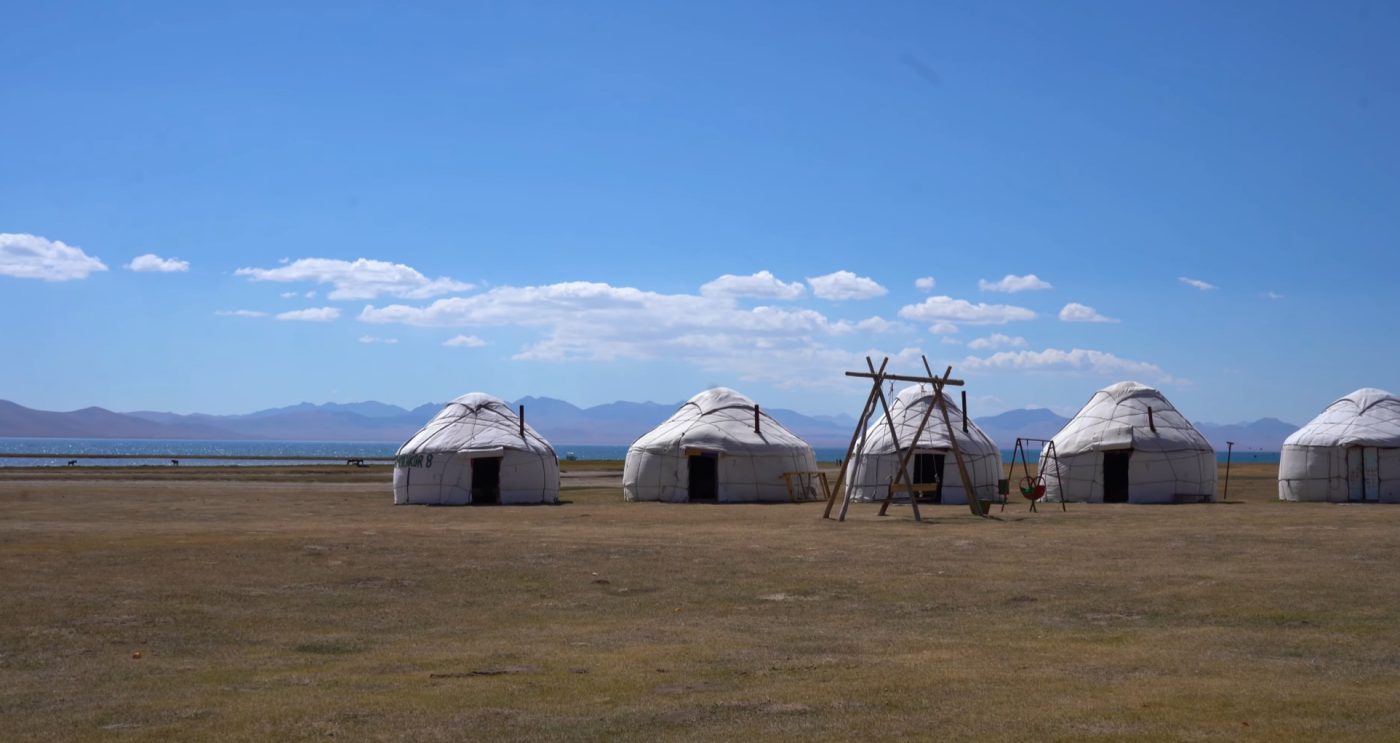
Yurts feel raw and honest. Thin walls, soft carpets, stars outside. Guesthouses are more private, with showers and solid doors. Different moods. Same landscape.
- Traditional felt yurts
- Shared or private bathrooms
- Home-cooked meals
- Lakeside or valley locations
Canyons and Waterfalls
Two days open the door to the south shore — rougher, quieter, more dramatic. This is where Issyk Kul starts to feel wild.
- Fairy Tale Canyon (Skazka)
- Barskoon waterfalls
- Jeti-Oguz valley viewpoints
- River gorges and meadows
Best 2-Day Issyk-Kul Route
There is no single best two-day route because the north and south shores serve different travelers. The north shore is easier and more comfortable. The south shore usually gives the stronger adventure and cultural experience.
| Format | Typical Route | Best For |
|---|---|---|
| North shore | Bishkek – Boom Gorge – Balykchy – Cholpon-Ata – nearby gorge – Bishkek | Hotels, beaches, families and travelers who prefer easier logistics |
| South shore | Bishkek – Burana – Bokonbaevo – Skazka – yurt stay – Barskoon or cultural stop – Bishkek | Canyons, rural scenery, yurts and a more varied first visit |
Verdict: choose the north shore for comfort and swimming. Choose the south shore for the better two-day travel experience. Trying to combine both shores properly in two days usually creates too much driving.
Cultural Stops
Many routes include small villages and hands-on experiences. The quality and style of these experiences vary by host and operator.
- Eagle hunting shows
- Felt-making workshops
- Local markets
- Village homes
Transport and Logistics
Groups usually travel by minivan or SUV. Distances are longer than on day trips, but nobody is sprinting from stop to stop. The rhythm is calmer.
Best Time for 2-Day Tours
June through September works best, when yurt camps are open and mountain trails are clear enough to explore.
The strongest balance of price, route variety and experience: two days, a yurt stay, canyon scenery and cultural stops without the cost of a full private vehicle.
Choose this if you want the south shore, Skazka and Barskoon with more control over the pace than a fixed small-group departure.
3-Day Issyk Kul Tours — Balanced Adventure
Lake Loop Routes
Three days mean movement. You start circling the lake, slowly connecting different worlds: resorts, villages, forests, dusty highways.
- Bishkek – Cholpon-Ata – Karakol
- Karakol – South Shore – Bokonbaevo
- Return to Bishkek via western route
Karakol and Jeti-Oguz
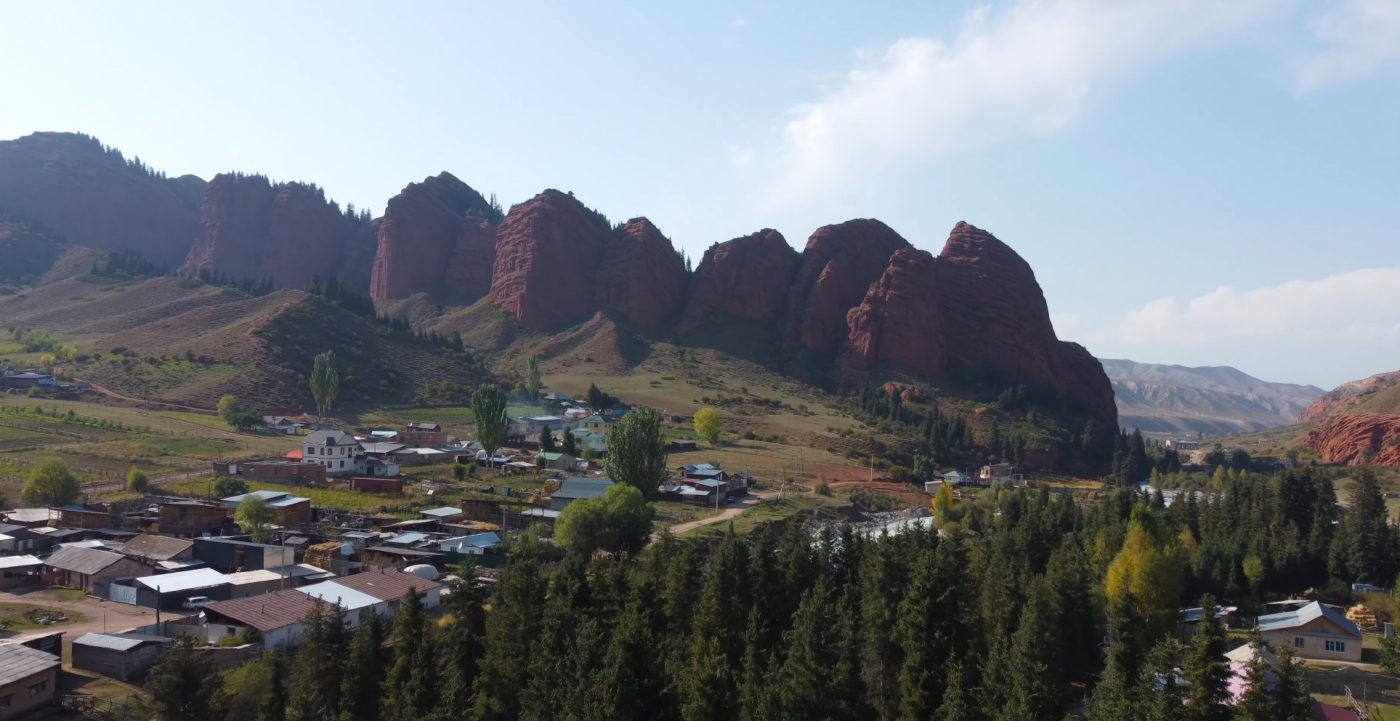
Karakol feels like a base camp. Gear shops, hikers, dusty boots everywhere. Nearby Jeti-Oguz looks unreal — red cliffs rising like frozen flames.
Nature and Hiking
Expect walking. Not extreme mountaineering. More like steady wandering through valleys and gorges.
- Waterfall trails
- Forest paths
- Alpine meadows
Cultural Activities
Museums, Dungan mosques, quiet streets, wooden houses. Small details that stick in your head longer than big landmarks.
Accommodation Options
Most tours mix guesthouses, simple hotels, and yurts. Comfort changes night by night. That’s part of the charm.
Three days is the point where Issyk-Kul starts to feel like a complete regional trip rather than a long excursion from Bishkek.
4-Day Issyk Kul Tours — Deep Exploration
Chon-Kemin Valley
Four-day trips often reach Chon-Kemin — green, wide, full of horses and birds. A place where time forgets itself.
Horse Riding and Wildlife
Some valleys offer short or half-day horseback rides. Check the terrain, riding time and whether helmets are available. For longer routes, compare our horse riding tours guide.
- Guided horse treks
- Bird watching
- Pasture visits
Remote Villages
Longer routes slip into villages most tourists never see. No souvenir stalls. No English menus. Just daily life.
Yurt Lifestyle
You start learning routines — milking, cooking, repairing, chatting late into the night. It’s quiet. Then suddenly loud. Then quiet again.
Slow Travel Benefits
Slower travel means fewer checklists and more conversations. More mistakes. More stories.
A good step up from the 3-day loop if you want Issyk-Kul plus Chon-Kemin, a yurt stay and a short horse-riding experience at a less compressed pace.
5-Day Issyk Kul Tours — Full Lake Circuit
A Complete Route Around Issyk-Kul
A five-day Issyk-Kul circuit gives enough time to connect the developed north shore, Karakol, the southern canyons and quieter rural stops without treating every location as a short roadside break. This is the strongest format for travelers who want the lake itself to remain the main focus of the journey.
When a Wider Kyrgyzstan Route Makes More Sense
Some five-day programs combine Issyk-Kul with Song-Kul. This is no longer a pure Issyk-Kul circuit: it is a wider Kyrgyzstan itinerary with substantially more driving and another high-altitude region. Compare the route with our 5-day Kyrgyzstan tour guide before choosing it.
Altyn Arashan Hot Springs
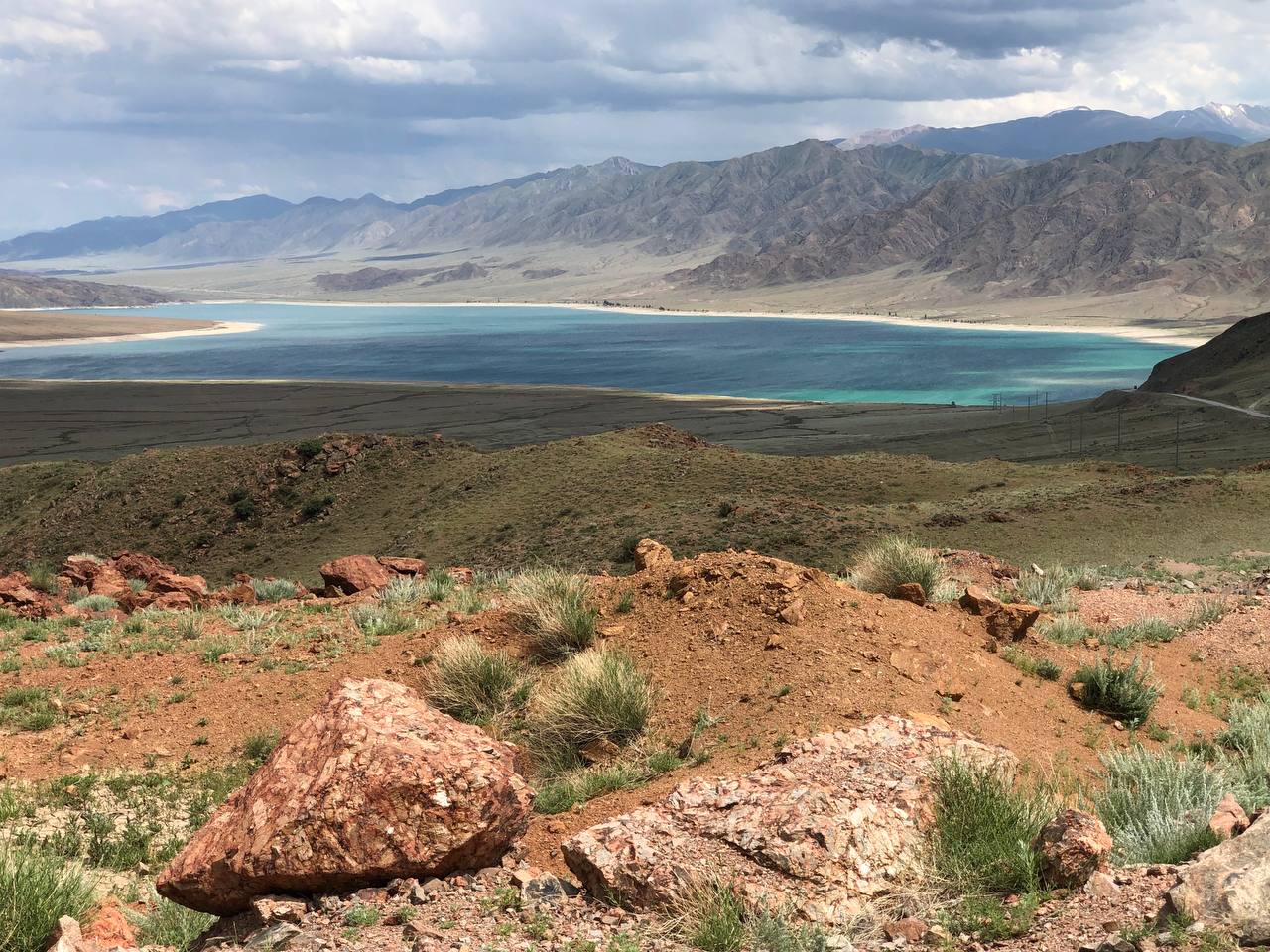
Altyn Arashan sits in a high valley near Karakol. Reaching it requires a rough-road vehicle or a substantial hike, so it should be treated as a mountain extension rather than a normal lakeside stop.
High Mountain Passes
Many routes cross passes above 3,000 meters. Wind. Clouds. Wide-open views that feel almost unreal.
Extended Hiking Routes
With five days, hikes become longer. Multi-hour climbs. Slow descents. Mud on boots. Dust in hair.
Adventure Level
| Tour Length | Physical Demand | Comfort Level | Suitable For |
|---|---|---|---|
| 1 Day | Low | High | Casual travelers |
| 2 Days | Low–Medium | Medium | Nature lovers |
| 3 Days | Medium | Medium | Active tourists |
| 4 Days | Medium–High | Medium | Slow travelers |
| 5 Days | High | Low–Medium | Adventure seekers |
Knowing these formats makes choosing easier. It’s about your energy, your curiosity, your patience — and how much time you’re willing to give to the lake.
The best fit if you want both shores, Karakol, waterfalls and cultural stops without adding Song-Kul and another major transfer.
Which Issyk Kul Tour Is Right for You?
Picking the “right” Issyk Kul tour sounds simple. It isn’t. It depends on how you travel, your budget, preferred comfort level, tolerance for long drives and interest in outdoor activities.
Some people want silence and water and mountains in the distance. Others want movement, dust, stories, chaos. If you mix these up, disappointment shows up fast.
By Travel Style
Different routes fit different personalities. No magic formula. Just patterns.
- Relaxed travelers: Usually lean toward 1-day or 2-day trips. Soft beds. Short walks. Limited physical demands.
- Nature lovers: Often pick 2-day or 3-day routes with canyon trails, waterfalls, and muddy boots.
- Adventure seekers: Go for 4-day or 5-day programs. Passes. Valleys. More exposure to changing mountain weather.
- Cultural explorers: Prefer longer trips with villages, family dinners, awkward but sweet conversations.
By Budget
Money matters. More than most people admit. Longer tours look cheaper per day, but your wallet still feels it.
- Low budget: 1–2 day group tours
- Mid-range budget: 3 day shared or private tours
- High budget: 4–5 day private tours with upgraded stays
Private tours cost more. You get freedom. Late starts. Extra stops. Fewer strangers breathing next to you.
By Season
The lake changes moods with the calendar. Routes open. Routes close. Winds get weird.
- Summer: Everything runs, swimming works, hiking feels good
- Spring/Autumn: Fewer people, better light, colder nights
- Winter: Short cultural trips, frozen beaches, quiet towns
If you’re coming in winter, stick close to the north shore and bigger settlements. Less stress.
By Physical Fitness
Not all “easy” tours are actually easy. Read between the lines.
- Low fitness: 1-day and 2-day routes with short walks
- Moderate fitness: 3-day trips with steady hiking
- High fitness: 4-day and 5-day routes, long climbs, rough ground
If walking hurts, say it early. Ask questions. Don’t pretend.
Comparison of Tour Formats
| Duration | Comfort Level | Price Range | Main Activities | Best For |
|---|---|---|---|---|
| 1 Day | High | Low | Sightseeing, short walks | Short visits, business trips |
| 2 Days | Medium | Low–Medium | Canyons, waterfalls, yurt stay | Weekend travelers |
| 3 Days | Medium | Medium | Hiking, culture, lake loop | First-time visitors |
| 4 Days | Medium | Medium–High | Horse riding, valleys | Slow travelers |
| 5 Days | Low–Medium | High | Hot springs, alpine trekking | Adventure tourists |
No single format fits everyone. It’s about time, energy, patience, and what kind of discomfort you’re willing to tolerate.
Budget and Costs
For accommodation, transport and daily trip planning beyond Issyk-Kul, see our Kyrgyzstan travel costs guide.
Average Tour Prices
Prices change by season, group size, accommodation standard and included activities. Use these as planning ranges rather than fixed offers.
| Tour Format | Typical Planning Range per Person | Price Logic |
|---|---|---|
| 1-Day Shared Tour | $80–$150 | Lowest total cost, but departures may be limited |
| 1-Day Private Tour | $120–$300+ | Per-person cost often falls when several travelers share the vehicle |
| 2-Day Small-Group Tour | $250–$450 | Usually includes accommodation and several meals |
| 2-Day Private Tour | $400–$700+ | Route, group size and hotel or yurt standard affect the total |
| 3-Day Private Loop | $600–$1,000+ | Usually includes two nights, long-distance transport and more activities |
2-Day Issyk-Kul: Canyons, Eagle Show & Yurt Stay
A south-shore trip combining Skazka Canyon, Barskoon Gorge, an eagle hunting demonstration and an overnight yurt stay, with meals and transport included.
Hidden Costs
Some things sneak up on you.
- Entrance tickets
- Horse rides
- Hot springs
- Snacks
- Souvenirs
Tipping Culture
Tipping is optional rather than a fixed requirement. If the guide or driver handled the trip well, a modest tip is appreciated, but there is no universal percentage that applies to every tour.
- Guide: optional, based on service and trip length
- Driver: optional, especially after a long or difficult route
- Guesthouse or yurt staff: optional
North Shore vs South Shore of Issyk-Kul
The two shores feel like different countries sometimes. Knowing the difference saves disappointment later.
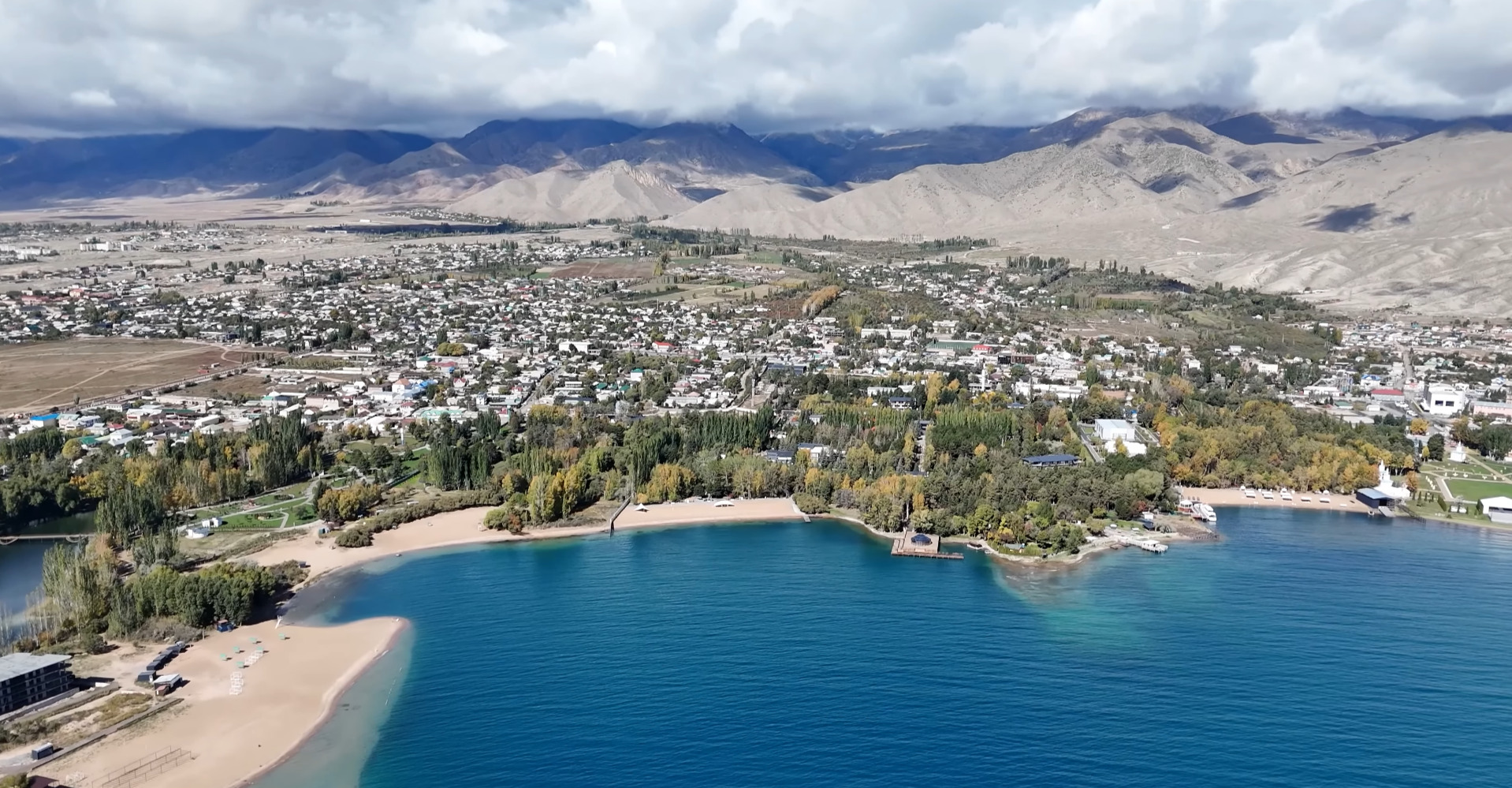
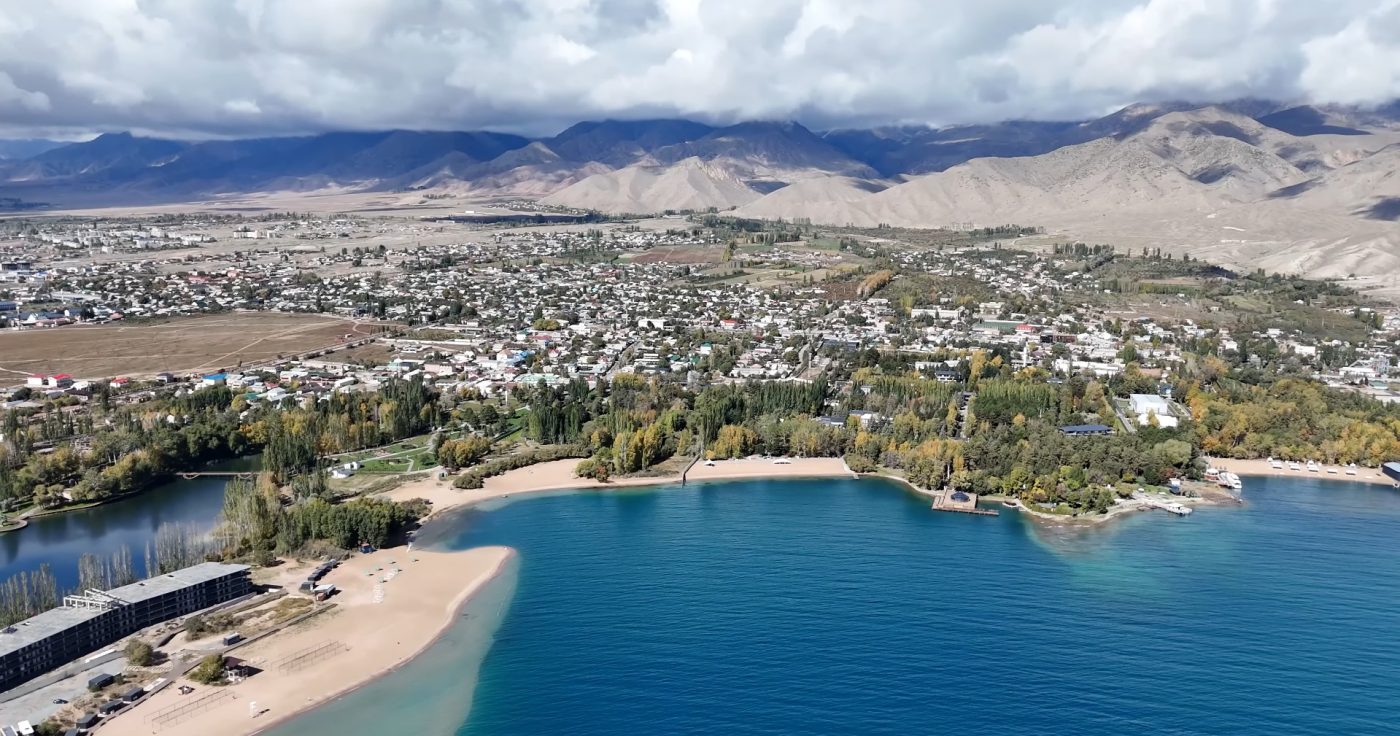
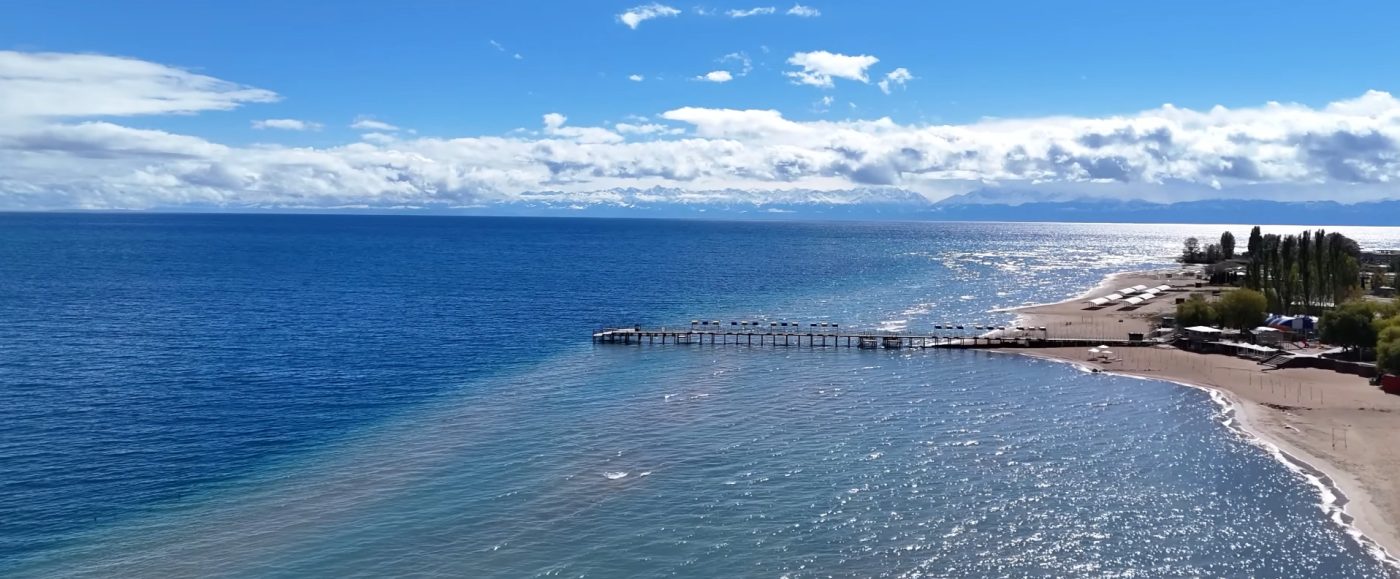
The north shore is developed. Resorts. Hotels. Beaches. Towns like Cholpon-Ata. It’s busy in summer and common on short tours.
The south shore is quieter. Wilder. More rural. You’ll find canyons, empty roads, villages, and open pastureland. Most multi-day adventure tours prefer this side.
| Feature | North Shore | South Shore |
|---|---|---|
| Development | Hotels and resorts | Guesthouses and yurts |
| Crowds | Busy in summer | Generally quiet |
| Nature | Beaches, gentle hills | Canyons, gorges, peaks |
| Tour Focus | Short leisure trips | Adventure and multi-day routes |
Why Visit Issyk Kul Lake in Kyrgyzstan?
Issyk Kul sits in northeastern Kyrgyzstan at about 1,607 meters above sea level. It is one of the world’s largest high-altitude lakes. The main body generally remains ice-free in winter, although shallow bays and shoreline areas can freeze.
What makes Issyk Kul special is contrast. Raw, sudden, sometimes overwhelming contrast. Within a few hours, you can drive from dusty red canyons to green valleys, then up toward snowy ridges, and finally down to warm beaches. The landscape changes quickly enough that even a short route can feel varied.
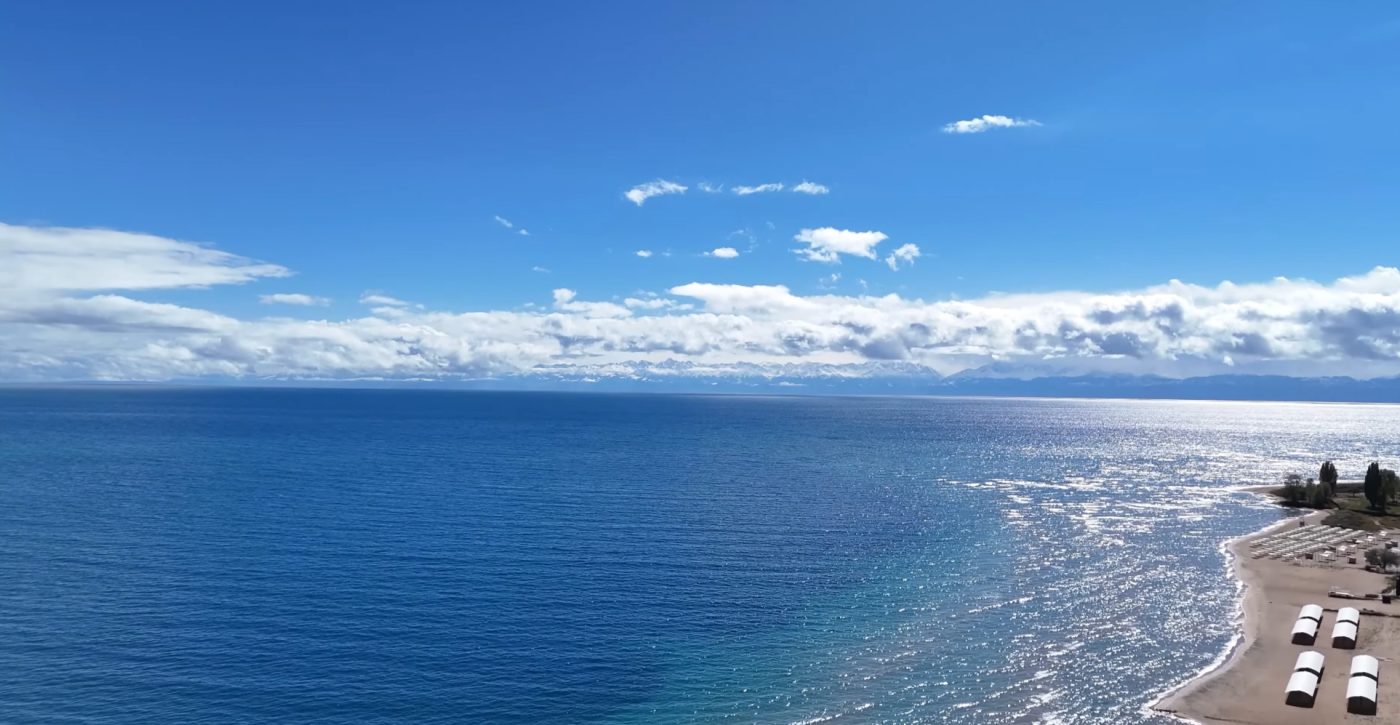
The lake moderates the local climate, but conditions still vary sharply by shore, elevation and season. Summer days beside the water can be warm, while evenings, gorges and higher valleys remain much cooler. Winter travel is possible around the main towns, but many mountain extensions become limited.
Over the last decade, Issyk Kul has quietly gained international attention. Backpackers show up. Photographers linger. Families relax. Adventure addicts chase trails. Yet large parts of the region still feel untouched, especially along the south shore and in the mountain valleys. No mega-resorts. No neon chaos. Mostly sky, water, and space.
For most visitors, organized tours make sense. Public transport exists, but it’s limited. Roads can be rough. English disappears fast once you leave main towns. Tours solve that mess by handling transport, lodging, and local coordination.
Main reasons travelers choose Issyk Kul tours
- Easy road access from Bishkek
- Lake, mountains, and canyons in one compact region
- Hiking, swimming, village visits, and cultural stops
- Yurt camps and family-run guesthouses
- Guides who know where things actually are
Issyk Kul as a travel destination
| Aspect | Description | Why It Matters |
|---|---|---|
| Location | Eastern Kyrgyzstan, Tian Shan Mountains | Fresh air, dramatic scenery, cooler summers |
| Altitude | About 1,600 meters | Manageable for most visitors |
| Climate | Mild summers, cold winters | Comfortable travel season from late spring |
| Landscape | Lakeshore, valleys, gorges, peaks | High visual variety in short distances |
| Culture | Nomadic heritage, rural communities | Real local interaction |
If you’re curious about Kyrgyzstan travel in general, Issyk Kul is the perfect entry point. It balances comfort with wildness. Easy access with real adventure. Short trips give you a taste. Longer tours let you sink in, slow down, and notice small things—tea rituals, horse herders, quiet mornings.
Where Is Issyk Kul and How to Get There
Location and Geography
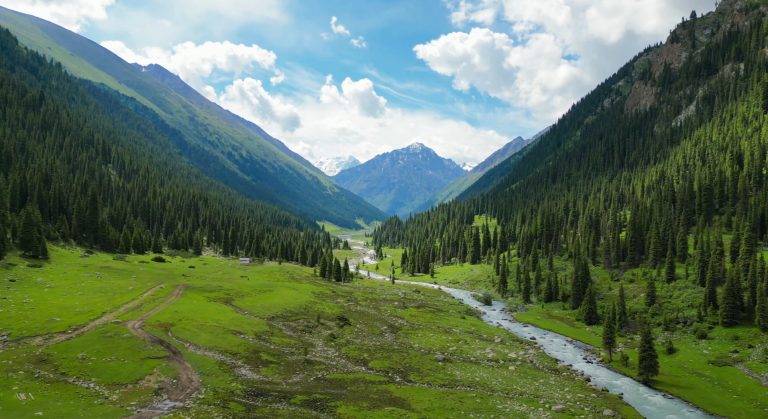
Issyk Kul lies in a massive intermountain basin, wrapped tightly by the Tian Shan range. The lake stretches more than 180 kilometers from west to east. High ridges on both sides form a natural bowl that blocks harsh weather and traps warm air.
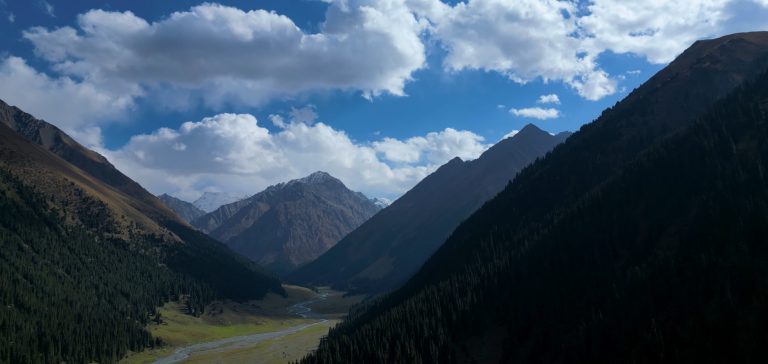
To the north stands the Kungey Ala-Too. To the south, the Terskey Ala-Too. Some peaks rise above 4,000 meters. They’re not just background scenery. They shape routes, weather, hiking options, and even local lifestyles.
Beyond the lake itself, the region includes dozens of valleys, rivers, alpine meadows, and remote settlements. That’s why two Issyk Kul tours can feel completely different, even if they’re the same length.
Distance from Bishkek
Bishkek is the main gateway and most organized tours start here. The western edge of the lake near Balykchy is closer than Cholpon-Ata: direct driving commonly takes around three hours to Balykchy and roughly four to five hours to Cholpon-Ata, before sightseeing stops.
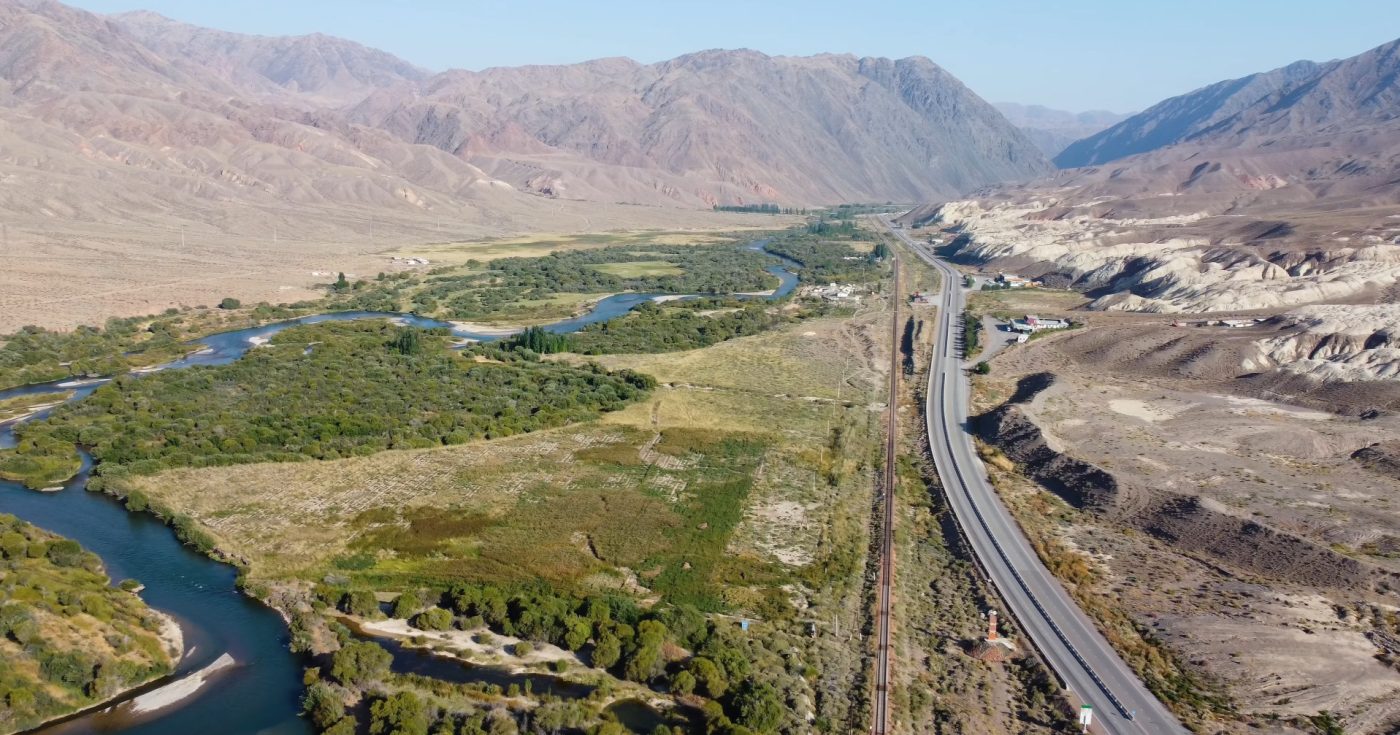
Most tours follow the main highway through Boom Gorge. It’s paved, maintained, and usable year-round. This is the lifeline between the capital and the lake.
- Average direct driving time: around 3 hours to Balykchy or 4–5 hours to Cholpon-Ata
- Typical departure: early morning
- Main route: Bishkek – Boom Gorge – Balykchy – Cholpon-Ata
- Alternative routes: seasonal mountain passes
Tours usually pause at viewpoints, cafes, or historical sites. Travel takes longer, sure. But it feels less like transit and more like part of the trip.
Cholpon-Ata and the North Shore
Cholpon-Ata is the most common north shore stop on short Issyk-Kul tours from Bishkek. It is not the wildest part of the lake, but it is practical: easy road access, hotels, beaches, restaurants, lake views, and cultural stops in one place.
For a 1-day tour, Cholpon-Ata usually works as the main lakeside destination. For a 2-day route, it can be used as an overnight base before adding nearby gorges, viewpoints, or a slower morning by the water.
- Best for: first-time visitors, families, relaxed travelers
- Main appeal: easy lake access and north shore infrastructure
- Common stops: lakeshore, Rukh Ordo, petroglyphs, nearby gorges
- Best season: late spring to early autumn
Top Attractions Around Issyk Kul Lake
Fairy Tale Canyon (Skazka)
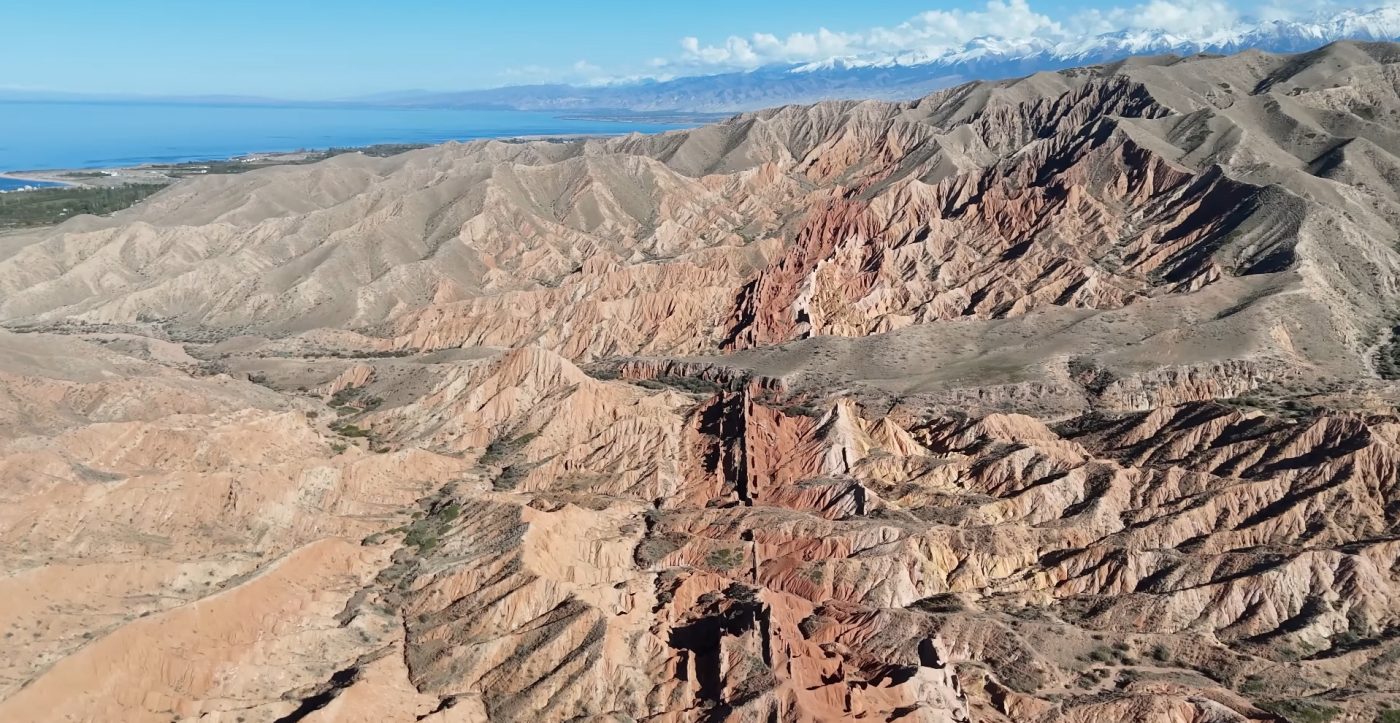
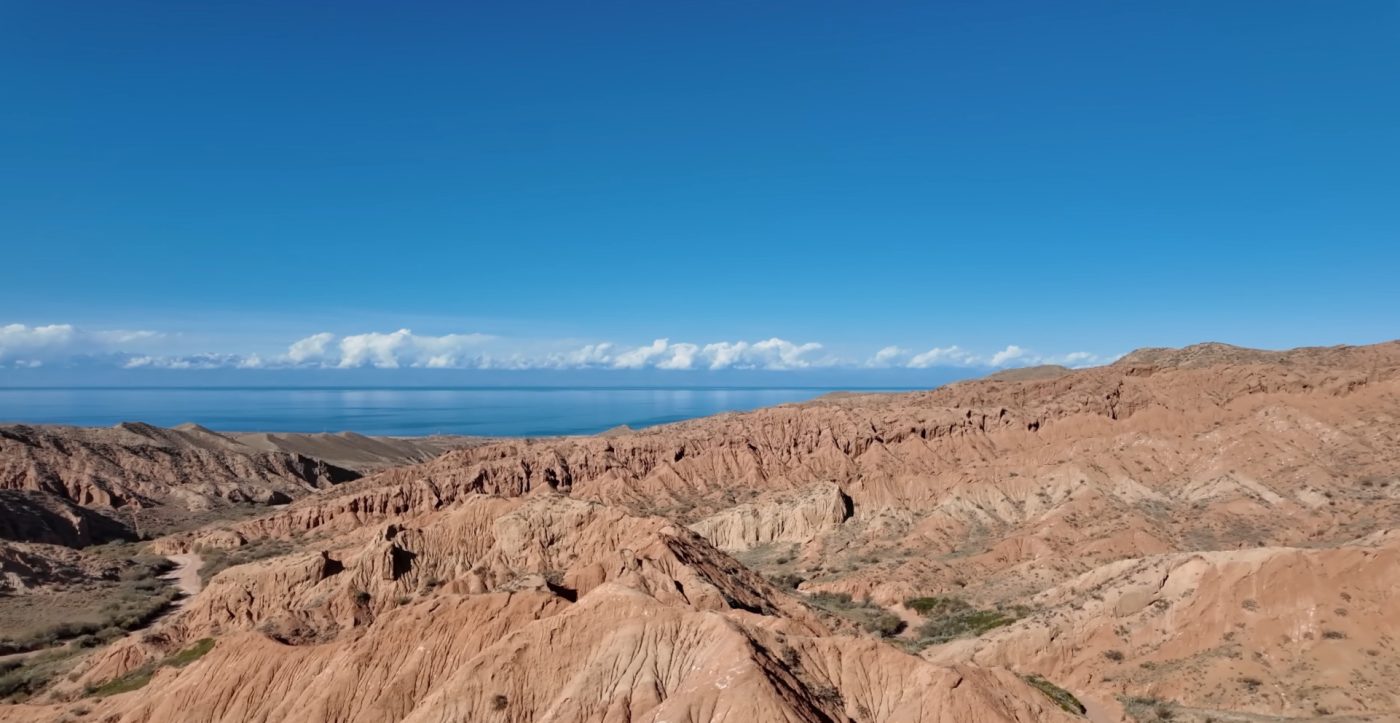
Fairy Tale Canyon—locals call it Skazka—looks fake at first. Like someone dropped a movie set in the middle of the south shore and forgot about it. Wind, rain, and time carved these sandstone walls into towers, waves, and strange animal-like shapes that don’t fully make sense… but somehow work.
Light changes everything here. Morning brings pale yellow. Noon burns orange. Evening goes deep red and rusty brown. Photographers love it. So do people who just want to wander without thinking too much.
Most tours stop here for a short hike. Nothing extreme. One to two hours, slow pace, plenty of photo breaks, random pauses to stare at rocks and wonder why they look like that.
- Location: South shore, near Bokonbaevo
- Best time: Morning or late afternoon
- Main activity: Walking, photography
Jeti-Oguz Red Rocks
Jeti-Oguz hits you suddenly. Red cliffs. Bright. Massive. Rising straight out of green grass like a mistake in nature’s color palette. They’re called the “Seven Bulls,” and yes, there are legends. Many. Ask a guide if you’re curious.
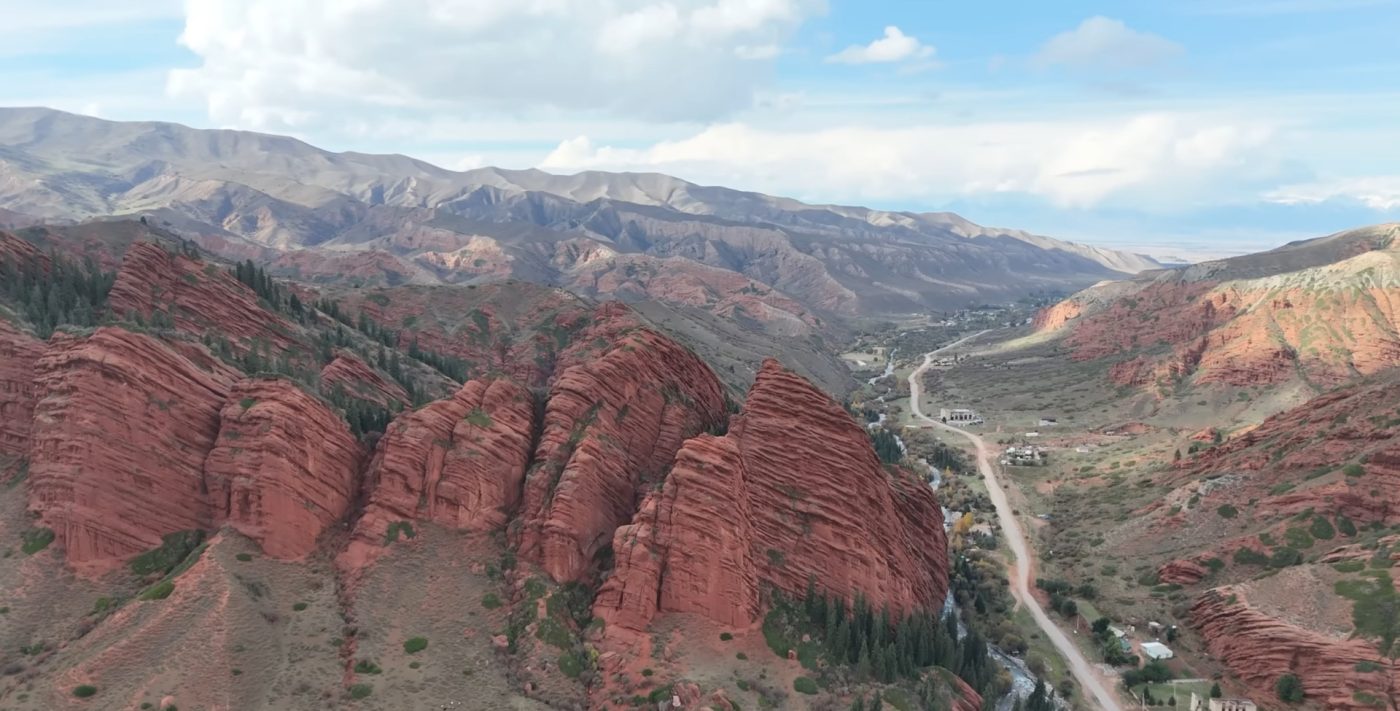
Pine forests wrap around the valley. Cold streams cut through meadows. It smells like resin and wet soil in summer. Good place for lunch. Better place to slow down.
Some tours rush through. That’s a shame. This place deserves time.
- Location: Near Karakol
- Landscape: Red cliffs, forested valley
- Activities: Hiking, sightseeing, picnics
Barskoon Gorge
Barskoon is green. Loud with water. Soft with moss. One of the prettiest valleys on the south shore, no debate.
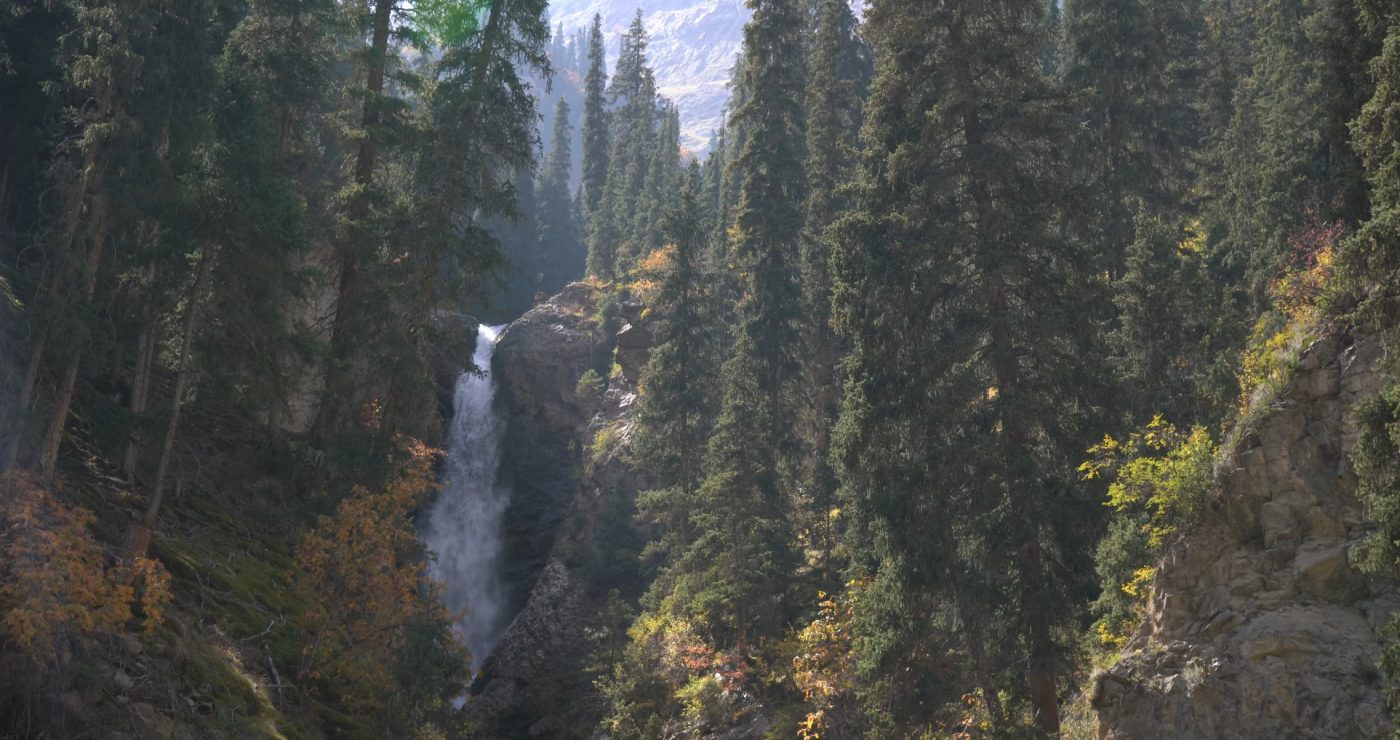
Waterfalls hide inside forests. Trails twist upward. Some are easy. Some make you breathe harder than expected. Viewpoints open suddenly, like curtains pulled back.
Because of its atmosphere, Barskoon usually appears in longer itineraries. It fits better when you’re not rushing.
- Location: South shore, near Barskoon village
- Main feature: Waterfalls, forest paths
- Difficulty: Easy to moderate
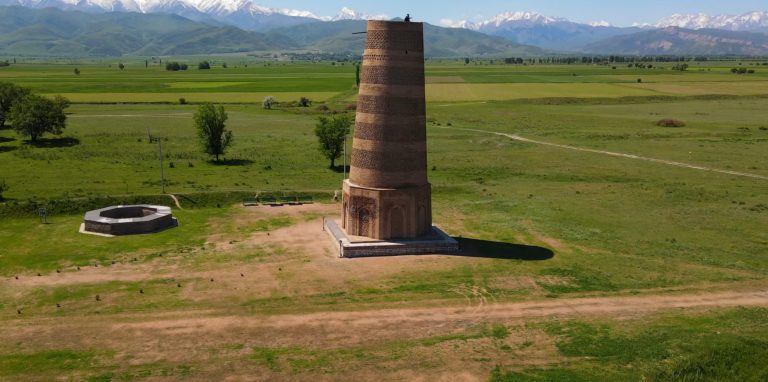
Burana Tower
Burana Tower stands alone in an open field near Tokmok. Quiet. Tall. Weathered. An 11th-century minaret that somehow survived earthquakes, wars, and neglect.
It once belonged to Balasagun, a Silk Road city that vanished long ago. Now you can climb inside. Narrow stairs. Low ceilings. Then suddenly—wide views of the valley.
Nearby: stone statues, balbals, a small museum. Simple. Honest. Worth stopping.
- Location: Near Tokmok
- Historical period: Karakhanid era
- Main attraction: Minaret, open-air museum
Rukh Ordo Cultural Center
Rukh Ordo in Cholpon-Ata is… unusual. Spiritual, symbolic, sometimes confusing. It was built to represent dialogue between religions and cultures. Big idea. Mixed execution. Still interesting.
You’ll see small temples, sculptures, quotes, lakeside paths. Some people love it. Some shrug. I think it depends on your mood that day.
Often combined with beach time. Culture, then swimming. Fair trade.
- Location: Cholpon-Ata
- Focus: Culture, spirituality
- Environment: Lakeside park
Grigoriev and Semenov Gorges
Two valleys. Side by side. Both green. Both wide. Both calm.
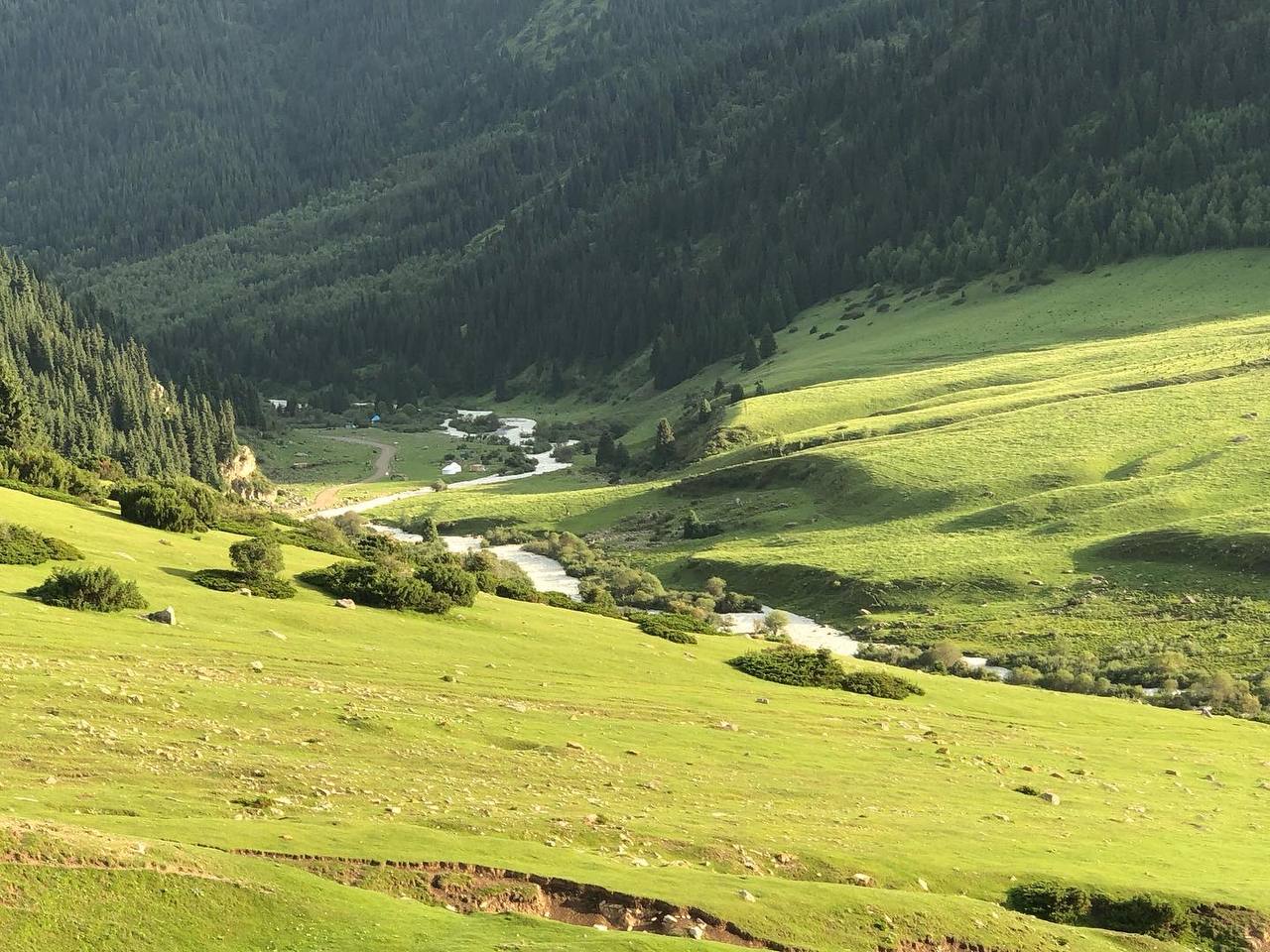
Grigoriev and Semenov are where people come to picnic, ride horses, lie in grass, and forget about emails. In spring and early summer, wildflowers explode everywhere.
Easy access makes them popular. Short tours love them.
- Location: North shore, east of Cholpon-Ata
- Main feature: Alpine meadows, forests
- Best season: Late spring to summer
Altyn Arashan
Altyn Arashan is not easy. Bumpy roads. Long hikes. Mud. Cold wind. Then—hot water in the middle of mountains. Worth it.
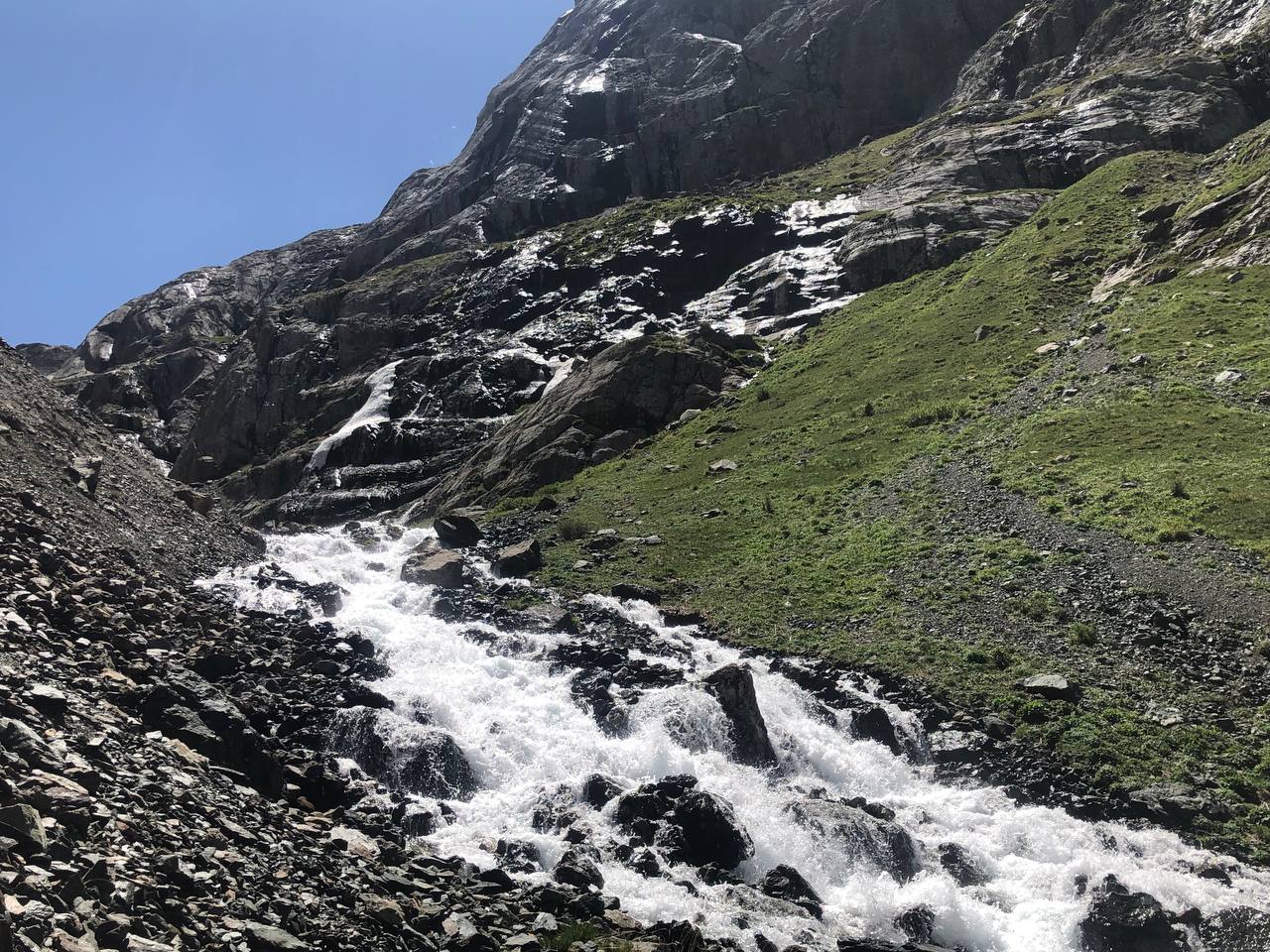
High peaks surround the valley. Glaciers stare down at you. Steam rises from pools. You soak. Muscles relax. Brain goes quiet.
Usually reserved for longer tours. Casual trips don’t reach here.
- Location: Near Karakol, Terskey Ala-Too
- Main attraction: Hot springs
- Access: Off-road or hiking
Summary of Major Attractions
| Attraction | Shore | Main Feature | Typical Tour Length |
|---|---|---|---|
| Fairy Tale Canyon | South | Colorful rocks | 2–3 days |
| Jeti-Oguz | East | Red cliffs | 2–4 days |
| Barskoon Gorge | South | Waterfalls | 2–3 days |
| Burana Tower | West | Historic site | 1–3 days |
| Rukh Ordo | North | Cultural complex | 1–2 days |
| Grigoriev Gorge | North | Alpine valley | 1–3 days |
| Altyn Arashan | East | Hot springs | 4–5 days |
These places form the backbone of most Issyk Kul routes. Short trips pick two or three. Longer journeys connect many into one slow, dusty, beautiful loop.
Best Time to Visit Issyk Kul
For a full month-by-month comparison, see our best time to visit Kyrgyzstan guide.
Summer Season
June to August is peak season. Warm days. Open roads. Full yurt camps. Busy beaches.
You can swim. Hike high. Stay out late. Downside? North shore crowds. Sometimes loud. Sometimes annoying.
- Temperature: 22–30°C
- Water: Up to 24°C
- Tour availability: Very high
- Crowds: Medium to high
Shoulder Seasons
May and September–October are my favorites. Fewer people. Lower prices. Clear skies.
Spring is green and fresh. Autumn is golden and calm.
- Temperature: 12–22°C
- Tour availability: Medium
- Best for: Photography, slow travel
Winter Tours
Winter is quiet. Cold. Limited. Some cultural trips still run.
Many valleys close. Snow and short daylight restrict many mountain activities.
- Temperature: -5 to 5°C
- Tour availability: Low
- Main focus: Culture, views
Climate and Natural Environment
Weather by Season
Issyk Kul’s climate is shaped by altitude and water. Summers stay moderate. Winters are cold but dry. Spring and autumn conditions can still be changeable, especially away from the main highway.
- Spring (April–May): Cool, unstable, snow in mountains
- Summer (June–August): Warm days, cool nights, peak travel
- Autumn (September–October): Clear weather, fewer visitors
- Winter (November–March): Cold, limited tourism
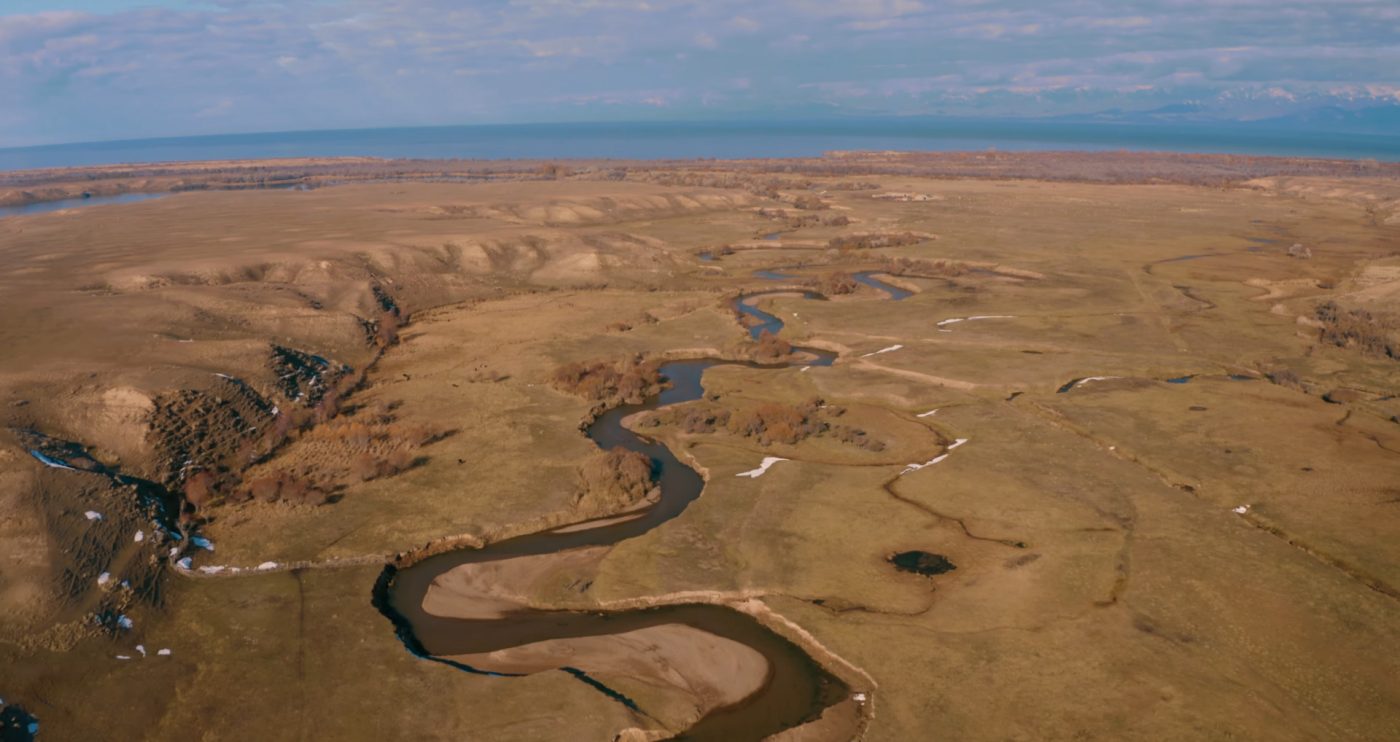
Most tours run from May to September, when roads and weather behave reasonably.
Water Temperature
Yes, you can swim here. And yes, it feels strange swimming in a high-altitude mountain lake. In summer, the water warms up enough to be comfortable.
Water temperature varies by shore, depth, wind and recent weather. The most comfortable swimming period is usually July and August.
- May–June: generally cool; short swims are possible for cold-tolerant visitors
- July–August: the most reliable swimming period
- September: often swimmable early in the month, but conditions cool quickly
- October–April: usually unsuitable for ordinary beach swimming
Mountain Landscape
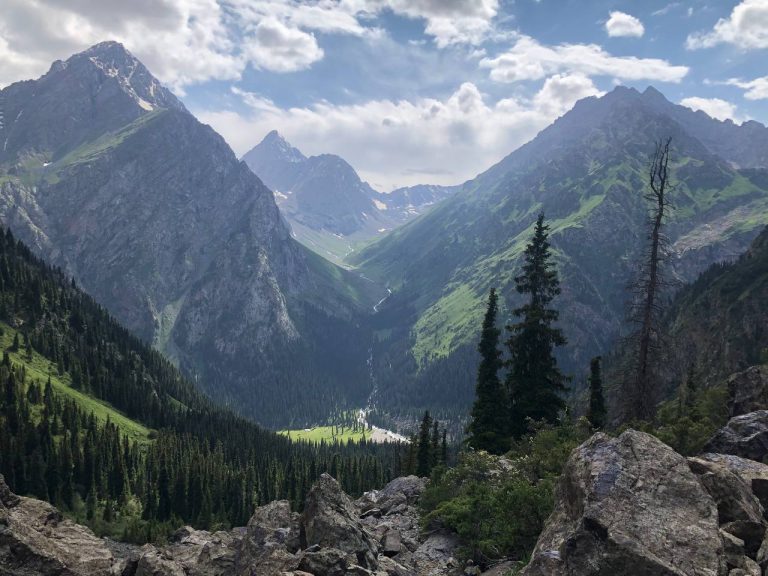
Mountains dominate everything here. Routes snake through narrow gorges, wide meadows, and river valleys before opening onto the lake. Sometimes it feels cinematic. Sometimes it feels lonely. Both are good.
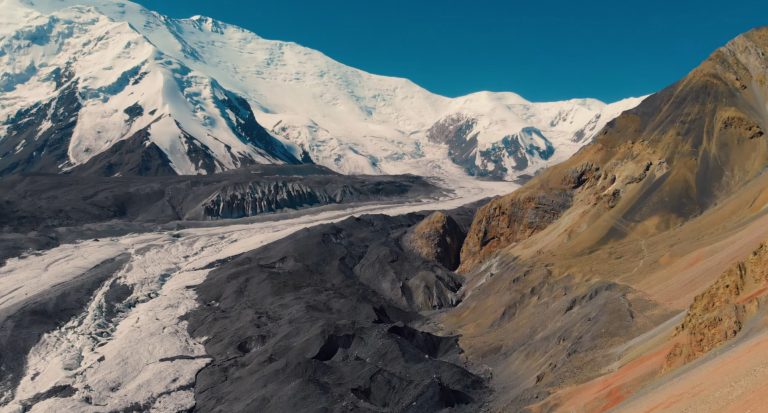
The ecosystem is rich. Wildflowers in summer. Horses in high pastures. Sheep everywhere. Higher up, you’ll see glaciers and permanent snow. Real alpine terrain, not postcard stuff.
This mix of water, peaks, and open land makes Issyk Kul ideal for hiking, photography, camping, and slow travel.
Accommodation Standards
Yurts
Traditional felt tents. Beds. Stove. Cozy at night. Cold mornings.
Guesthouses
Family homes. Warm meals. Simple comfort.
Hotels
Mostly in Karakol, Cholpon-Ata, larger towns.
Eco Lodges
Small, quiet, nature-focused.
- Eco design
- Local food
- Few rooms
What to Pack for an Issyk Kul Tour
Clothing
Mountain weather changes fast. Don’t trust blue skies.
- Light jacket
- Warm sweater
- Rain jacket
- Comfortable pants
- Swimwear
Hiking Gear
You don’t need mountaineering equipment. Just decent basics.
- Hiking shoes
- Daypack
- Sun hat
- Water bottle
Electronics
Electricity exists. Reliability… varies.
- Phone, charger
- Power bank
- Camera
- Adapter
Health Supplies
Outside cities, pharmacies are rare.
- Personal meds
- Painkillers
- Motion sickness pills
- Sunscreen
- First-aid kit
Food and Cuisine
Traditional Kyrgyz Dishes
Expect filling, meat-heavy meals.
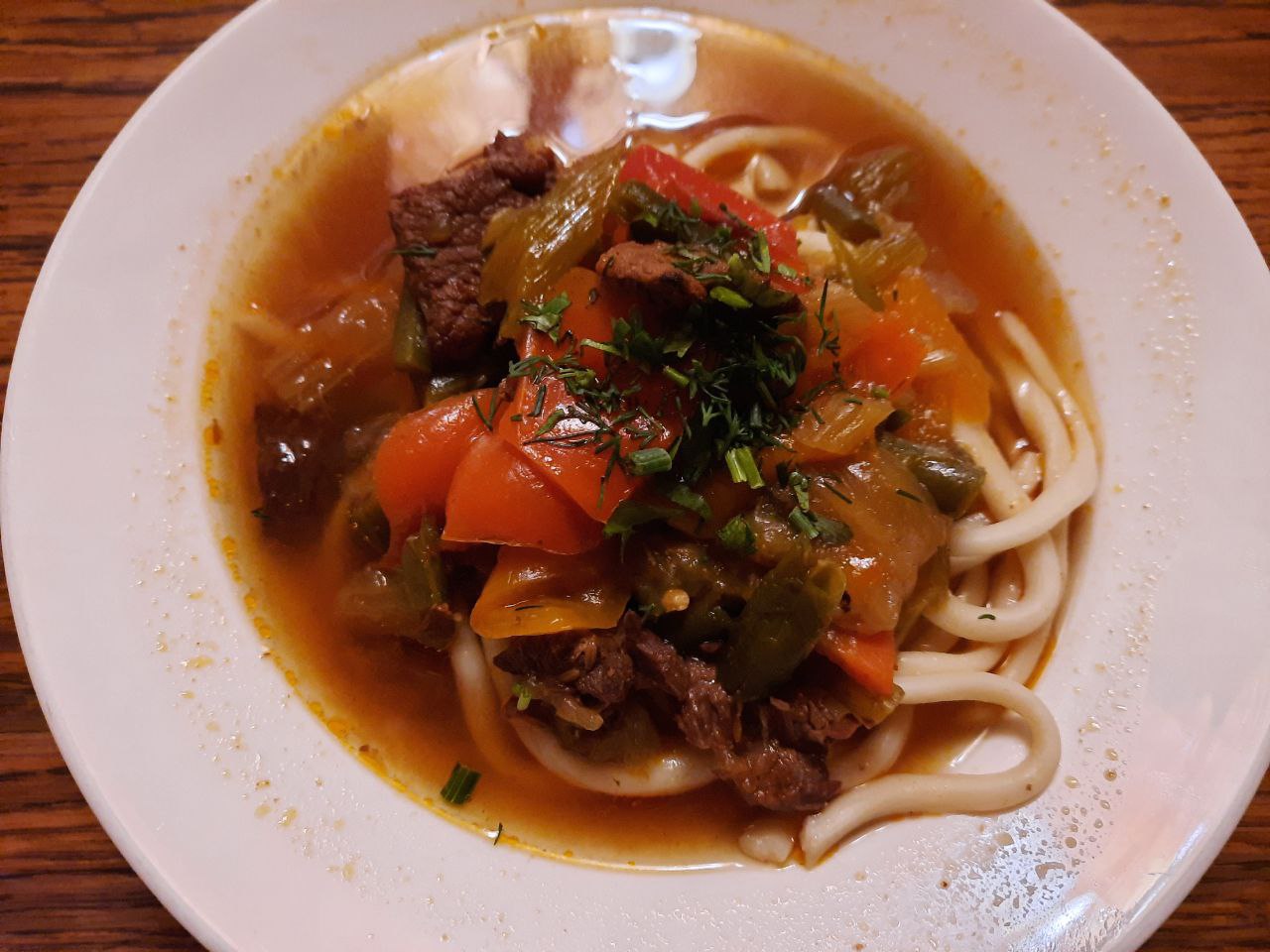
- Beshbarmak
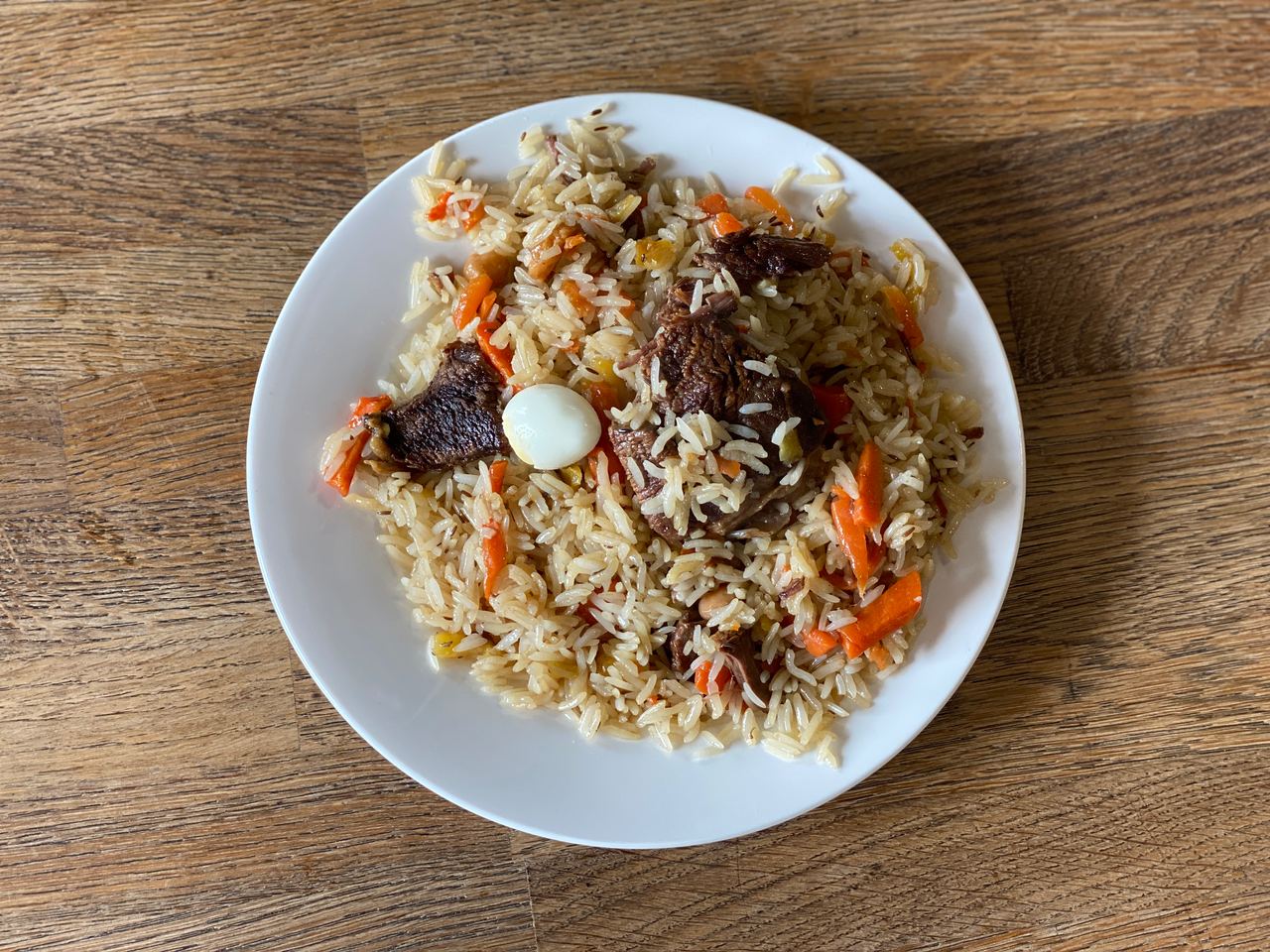
- Plov
- Lagman
- Manti
- Fresh bread, dairy
Dietary Options
Vegetarian is manageable. Vegan takes planning.
Drinking Water
Water quality varies between towns, guesthouses and rural camps. Many visitors use bottled or properly filtered water, especially outside the main towns.
- Carry enough drinking water for canyon and gorge stops
- Use a reliable filter or purification method when necessary
- Do not drink directly from rivers or streams without treatment
Plan well, stay flexible, and Issyk Kul will treat you kindly. Most of the time.
Safety and Health
Medical Services
Outside major towns like Cholpon-Ata and Karakol, medical care gets basic. Sometimes very basic. A small clinic. A tired doctor. Limited equipment.
Serious cases usually mean a drive back to Bishkek. Long. Bumpy. Not fun.
- Hospitals in Karakol and Cholpon-Ata
- Basic clinics in villages
- Private clinics mainly in Bishkek
- Road evacuation when needed
If you take regular medication, bring more than you think you need. Paper prescriptions too.
Altitude Issues
The lake itself sits at a reasonable height. The passes don’t. Valleys climb fast. Air gets thin.
Headaches. Heavy legs. Random fatigue. It happens.
- Drink water
- Skip alcohol at first
- Rest when tired
- Go up slowly if possible
Travel Insurance
Travel insurance is strongly recommended for horse riding, hiking, remote gorges and other activities beyond ordinary sightseeing. Check that the policy covers the specific activity and elevation involved.
Check what it covers. Read the fine print. Seriously.
- Medical emergencies
- Trip cancellation
- Lost luggage
- Outdoor activities
Local Culture and Etiquette
Yurt Etiquette
A yurt isn’t a hotel room. It’s someone’s home. Treat it that way.
- Don’t step on the threshold
- Take off shoes
- Accept tea
- Follow seating rules
Dress Code
The region feels relaxed. Villages still value modesty. Balance it.
- No tiny shorts in rural areas
- Cover shoulders in mosques
- Wear functional clothes
Photography Rules
Ask before shooting people. Always. It saves trouble.
Some religious and military sites forbid photos. Respect that.
Internet and Communication
Mobile Coverage
Along the north shore, signal is decent. In mountains and remote valleys — it disappears. No warning.
- Strong signal in Cholpon-Ata and Karakol
- Stable coverage on highways
- Weak or no signal in remote zones
SIM Cards
Local SIM cards are cheap and easy to buy in Bishkek and bigger towns. Five minutes. Passport. Done.
MEGA, Beeline and O! are the main mobile operators.
- Passport needed for registration
- Data plans at airports
- Affordable prepaid packages
Wi-Fi
Hotels and guesthouses usually have Wi-Fi. Quality changes daily. Sometimes hourly.
Yurt camps often have nothing. Or something that barely works. Accept it.
Language and Communication
Russian and Kyrgyz
Russian works almost everywhere in tourism. Kyrgyz dominates in villages.
Switching between them is normal.
English Availability
Most guides speak English. Many locals don’t. That’s normal.
Gestures. Smiles. Translation apps. Use them.
Useful Phrases
| English | Russian | Kyrgyz |
|---|---|---|
| Hello | Zdravstvuyte | Salamatsyzby |
| Thank you | Spasibo | Rakhmat |
| Please | Pozhaluysta | Suranych |
| How much? | Skol’ko stoit? | Kancha turat? |
| Goodbye | Do svidaniya | Kosh bolunuz |
Knowing basic safety rules, communication options, and cultural habits makes everything smoother. Fewer awkward moments. More real memories. In the next section, we’ll cover the most common questions about visiting Issyk Kul.
Frequently Asked Questions About Issyk Kul Tours
How many days do you need for an Issyk-Kul tour?
For most first-time visitors, 2 days is the best balance. One day works if your schedule is tight, while 3 days are better if you want Karakol and both shores without turning every stop into a quick roadside visit.
What is the best Issyk-Kul tour from Bishkek?
A 2-day small-group route is the strongest all-round choice for most travelers because it gives you an overnight stay, canyon scenery and cultural stops without the cost of a longer private circuit.
Is a 1-day Issyk-Kul tour worth it?
Yes, if you have only one free day and accept a long drive. It works best as a quick introduction to the lake rather than a complete Issyk-Kul experience.
Should I choose a small-group or private Issyk-Kul tour?
Small-group tours usually offer better value for solo travelers and couples. Private tours cost more but give you more control over pickup time, stops, pace and the choice between the north and south shores.
Can you visit Karakol on a 2-day Issyk-Kul tour?
It is possible, but a two-day route that includes Karakol can feel compressed. Three days is the better format if Karakol, Jeti-Oguz and both sides of the lake are important to you.
What is usually included in an Issyk-Kul tour?
Inclusions vary by product, but organized tours commonly bundle long-distance transport, guiding and selected sightseeing. Multi-day tours may also include accommodation, meals and activities. Always compare the current inclusion list before booking.
Is Issyk Kul safe for tourists?
Issyk-Kul is generally straightforward for tourists, but the most relevant risks are practical rather than dramatic: long road journeys, changing mountain weather, swimming conditions and limited medical support outside the main towns.
The real risks are boring ones—bad roads, sudden weather mood swings, and weak infrastructure in remote valleys. Organized tours smooth most of that out. You worry less. You enjoy more.
- Use normal precautions with money, phones and luggage
- Confirm road and weather conditions for remote stops
- Use experienced drivers for difficult mountain extensions
- Keep insurance and emergency contact details available
Can you swim in Issyk Kul Lake?
Yes. And people do. A lot. Summer turns the lake into a giant cold-blue playground. Late June through August is prime time.
The water is slightly salty, which helps it stay warmer than you’d expect at this altitude. North shore beaches are comfy. South shore spots feel wild. Pick your mood.
- Best months: July–August
- Water temperature: Up to 24°C
- Beaches: Mostly north shore
How far is Issyk-Kul from Bishkek?
The western end of the lake near Balykchy is reached in roughly three hours without long stops. Cholpon-Ata usually takes around four to five hours, while Karakol is farther east. An organized tour takes longer because it includes pickup, meals and sightseeing stops.
- Balykchy: suitable for a long day trip
- Cholpon-Ata: better with one overnight stay
- Karakol: best included in a multi-day route
Are tours suitable for families?
Yes, if you choose smartly. One-day and two-day tours work best with kids. Less driving. Less hiking. More naps.
Look for soft schedules, warm guesthouses, and patient guides. Makes a huge difference.
- Best formats: 1–2 days
- Family-friendly guesthouses
- Flexible pace recommended
Can I travel independently?
Possible? Yes. Easy? Not always.
You’ll need patience, basic Russian, and tolerance for missed buses and vague directions. Public transport rarely reaches canyons, valleys, or hot springs.
- Works for experienced travelers
- Remote sites are hard to reach
- Tours save time on short trips
Are winter tours available?
Some. Not many. Winter here is quiet. Cold. Beautiful in a harsh way.
Most trips stick to towns, museums, and lakeside walks. Mountains close. Snow and short daylight restrict many mountain activities.
- Main season: December–February
- Focus: North shore, towns
- Hiking: Very limited
How physically demanding are tours?
Depends on what you choose. Standard routes suit most people who can walk a few kilometers without drama.
Longer tours mean uneven trails, longer climbs, tired legs.
| Tour Type | Walking Distance | Terrain | Fitness Level |
|---|---|---|---|
| 1 Day | Usually short optional walks | Roadside sites, paved areas or an easy canyon path | Low for most standard routes |
| 2–3 Days | Varies by selected activities | Canyons, waterfalls, villages and uneven paths | Low to moderate |
| 4–5 Days | Can include several-hour hikes | Mountain trails, rough roads and higher elevations | Route-specific; check the itinerary |
Is altitude sickness a concern?
Usually no. Most people feel fine near the lake. Higher passes can cause mild headaches or fatigue.
Drink water. Rest. Stop ascending and seek help if symptoms worsen.
- Hydrate often
- Move slowly
- Rest if dizzy
Do tours operate in bad weather?
Light rain? Yes. Clouds? Yes. Storms? Maybe not.
Guides adjust routes when safety comes first. Sometimes plans change. That’s mountain life.
How much does an Issyk-Kul tour cost?
Prices depend on duration, group size and what is included. Shared day trips are normally the least expensive. Multi-day tours cost more because they include long-distance transport, accommodation, meals and activities. Compare the live price with the inclusion list rather than choosing only by the headline amount.
Final Thoughts on Issyk Kul Tours
Issyk Kul is chaotic and calm at the same time. Blue water. Snow peaks. Dusty roads. Quiet villages. All packed into one region.
You’ll find resorts and yurts. Hot showers and cold rivers. Wi-Fi and silence. Comfort next to wilderness. That contrast is one of the region’s main strengths.
One-day tours give you a glimpse. Two or three days let things sink in. Four or five days? That’s when you stop checking the clock and start noticing details—wind, smells, distant horse bells.
Families. Couples. Solo wanderers. Small groups. Everyone fits somewhere here, if expectations are realistic.
- Short tours: Tight schedules, first visits
- Medium tours: Balanced experience
- Long tours: Adventure focus
- Private tours: Maximum freedom
Some people want comfort. Others want dirt roads and empty valleys. Both are valid. Choose based on energy, budget, and mood.
Knowing the seasons, geography, lodging styles, and social norms saves headaches. Preparation pays off. Always.
Issyk Kul remains one of Kyrgyzstan’s strongest natural and cultural treasures. Accessible, wild, welcoming, stubbornly authentic.
Use this guide to compare routes, set honest expectations, and build a trip that actually fits you. Not someone else’s Instagram fantasy.