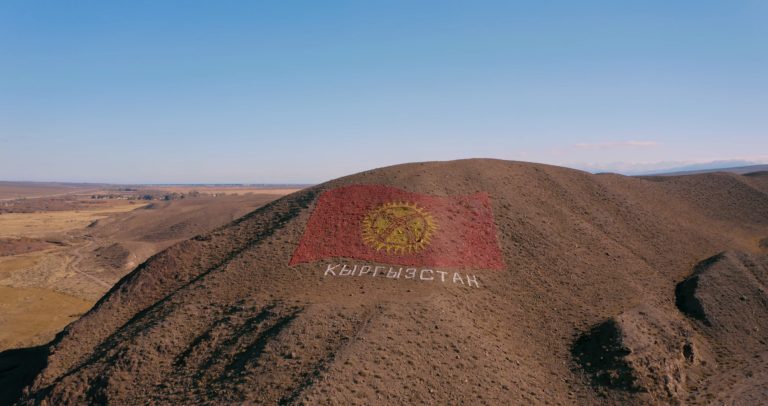
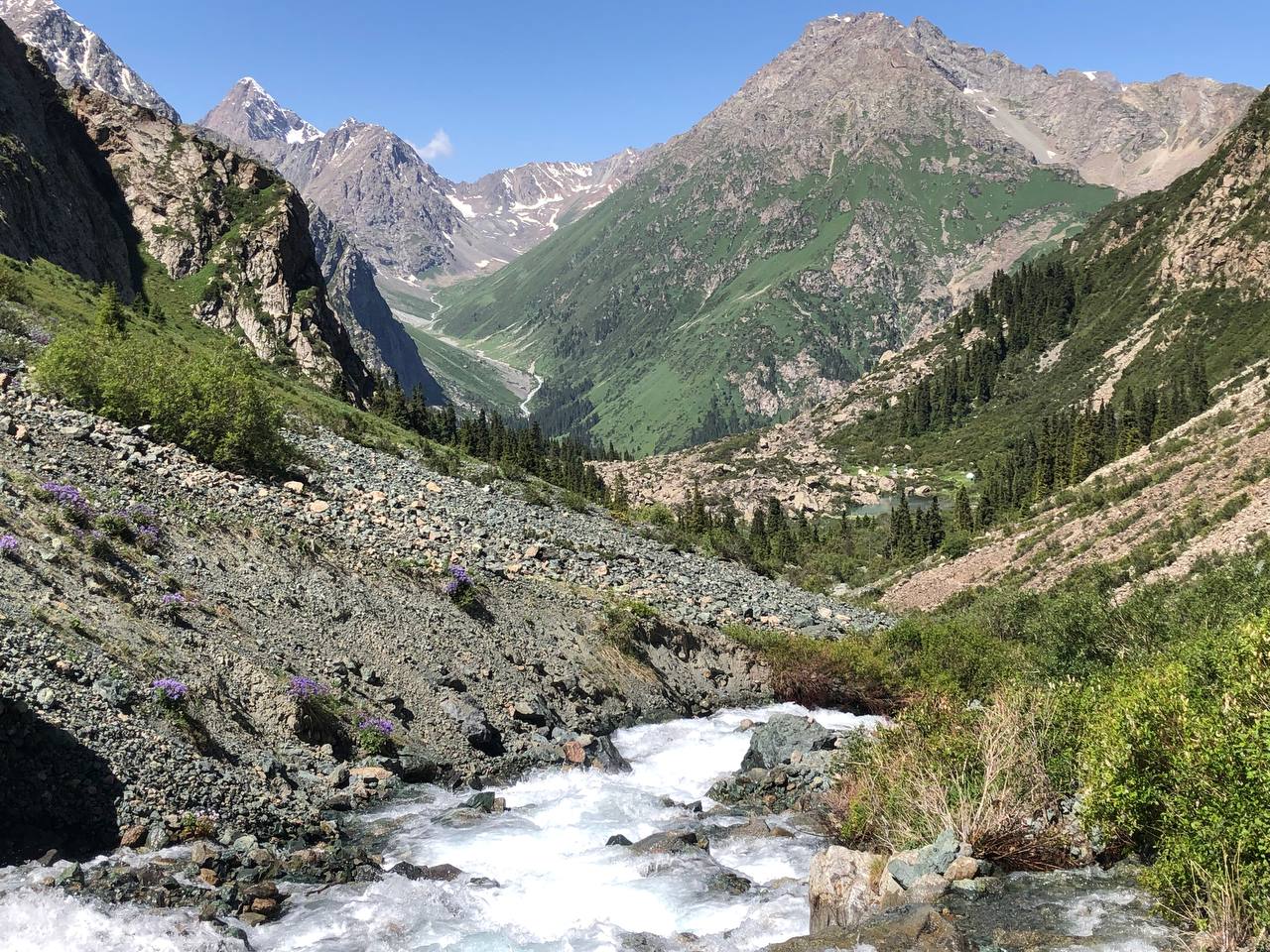
Kyrgyzstan Travel Guide 2026: Itinerary, Costs and Practical Tips
Kyrgyzstan is one of Central Asia’s strongest destinations for mountain travel, road trips, horse riding, alpine lakes, yurt stays and Silk Road culture. It is still relatively affordable, but it rewards realistic planning. Distances look short on a map, while mountain roads, altitude, weather and seasonal access can turn a simple route into a full travel day.
This Kyrgyzstan travel guide brings the main planning decisions together: the best time to visit, how many days you need, realistic 5-, 10- and 14-day routes, expected costs, transport, accommodation, visas, mountain safety and what to pack. It also links to the more detailed destination guides when you need exact routes or current prices.
For most first-time travelers, the best balance is a 10-day northern route combining Bishkek, Song-Kul or central Kyrgyzstan, Issyk-Kul and Karakol. Seven days can work if you accept more driving. Fourteen days gives enough room for southern Kyrgyzstan or a serious trek without turning the trip into a race.
Kyrgyzstan Travel Guide: Quick Planning Summary
| Planning question | Quick answer |
|---|---|
| Best time to visit | June to September for high mountains, yurt camps and horse routes. April to June and September to October are better for cities, lower valleys and road trips that do not depend on high passes. |
| Ideal first trip | 7 days for fast highlights, 10 days for the best overall balance, and 14 days for a north-plus-south route or a slower mountain itinerary. |
| Best first route | Bishkek, Ala Archa, Issyk-Kul, Karakol, then Altyn Arashan or Ala-Kul. |
| Typical daily budget | About $35–55 for budget independent travel, $85–130 for a comfortable mid-range trip, and $150–250+ on days requiring private vehicles, remote guides or 4×4 access. See the detailed Kyrgyzstan travel costs guide. |
| Independent or guided? | Independent travel works well on the Bishkek–Issyk-Kul–Karakol corridor. A guide, driver or organized route is more useful for Song-Kul, Kel-Suu, border permits, horse treks and short trips with tight timing. |
| Main planning mistake | Underestimating road time, altitude, cold nights and how seasonal the mountains of Kyrgyzstan are. |
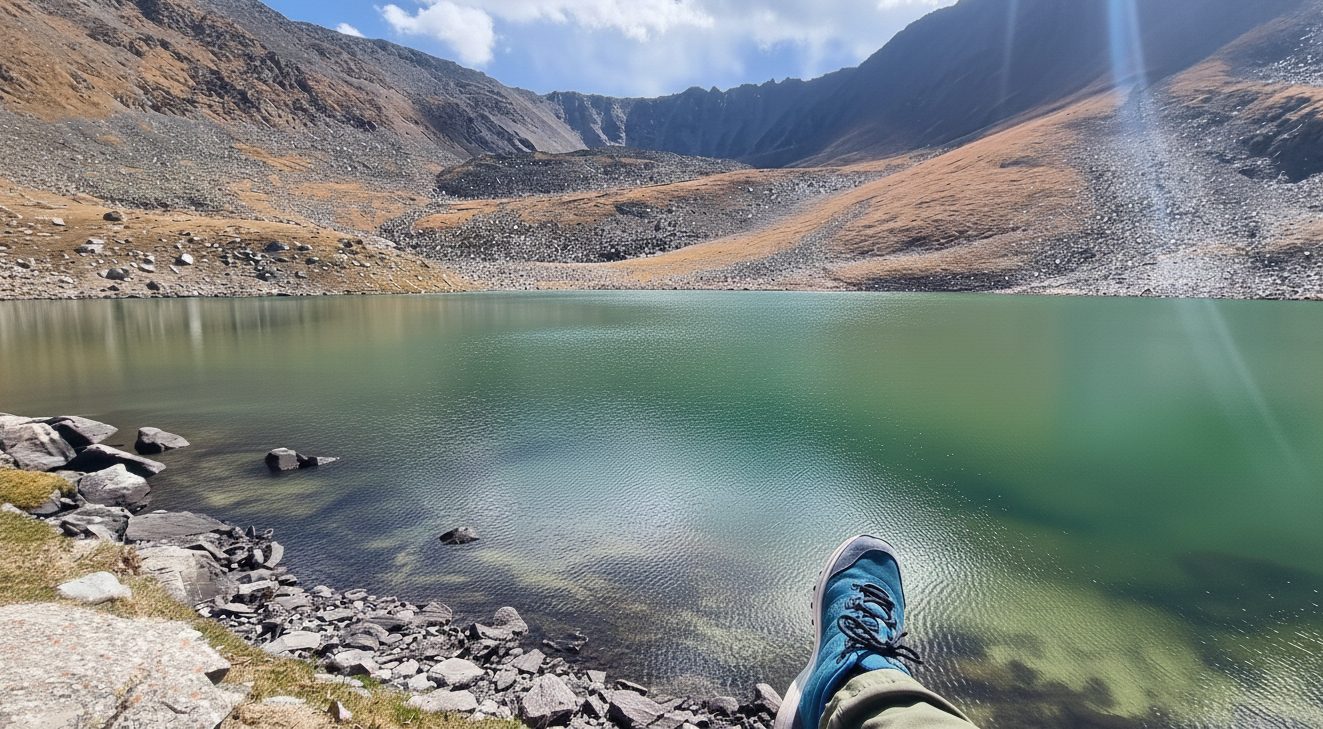
Best Places to Visit in Kyrgyzstan
Kyrgyzstan is not a country where one city dominates the trip. Most itineraries combine an arrival hub, a lake or pasture region and at least one mountain base. The best choice depends on whether you want trekking, road scenery, nomadic culture or a softer first trip.
| Place | Best for | Best time | Planning note |
|---|---|---|---|
| Bishkek | Arrival, food, markets, Soviet-era architecture and day trips | April–June, September–October | Use it as a logistics base, but allow at least half a day to understand the city rather than treating it only as an airport stop. |
| Ala Archa | Accessible mountain scenery near Bishkek | May–October | A useful first hike before sleeping higher. Choose the river or viewpoint route unless you are prepared for a longer mountain day. |
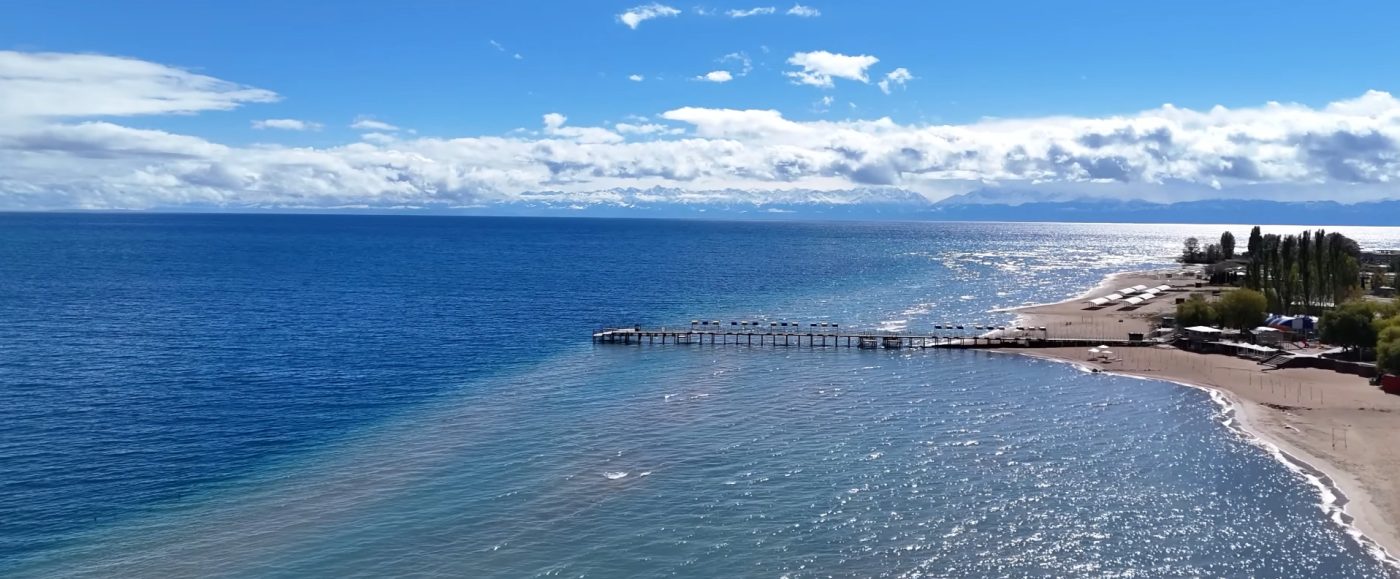
| Issyk-Kul | Beaches, canyons, cultural stops and road trips | June–September | The north shore is easier for resorts and transport; the south shore is better for a scenic touring route. |
| Cholpon-Ata | Beach stays, families, petroglyphs and a relaxed north-shore base | June–September | Better for lake time than trekking. One or two nights usually work. |
| Karakol | Trekking, food, Jeti-Oguz, Altyn Arashan and eastern Issyk-Kul | June–September | The strongest base for serious mountain routes and longer stays. |
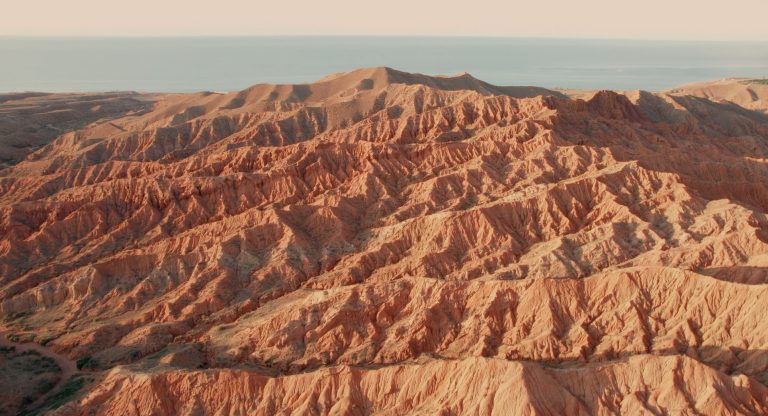
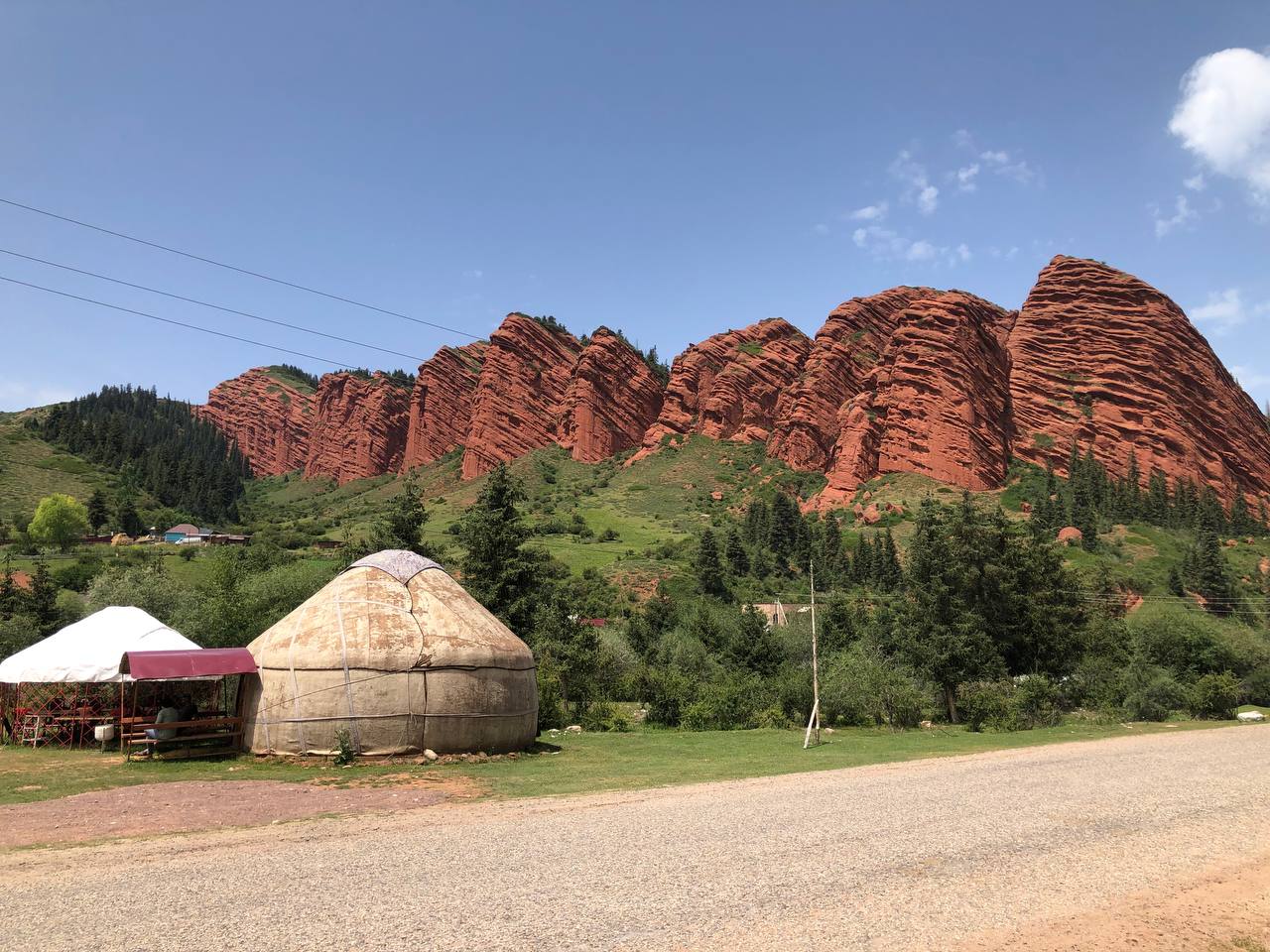
| Jeti-Oguz | Red cliffs, easy valley walks and a day trip from Karakol | May–October | A short stop covers the Seven Bulls; a half or full day is needed for Kok-Jaiyk and the waterfall. |
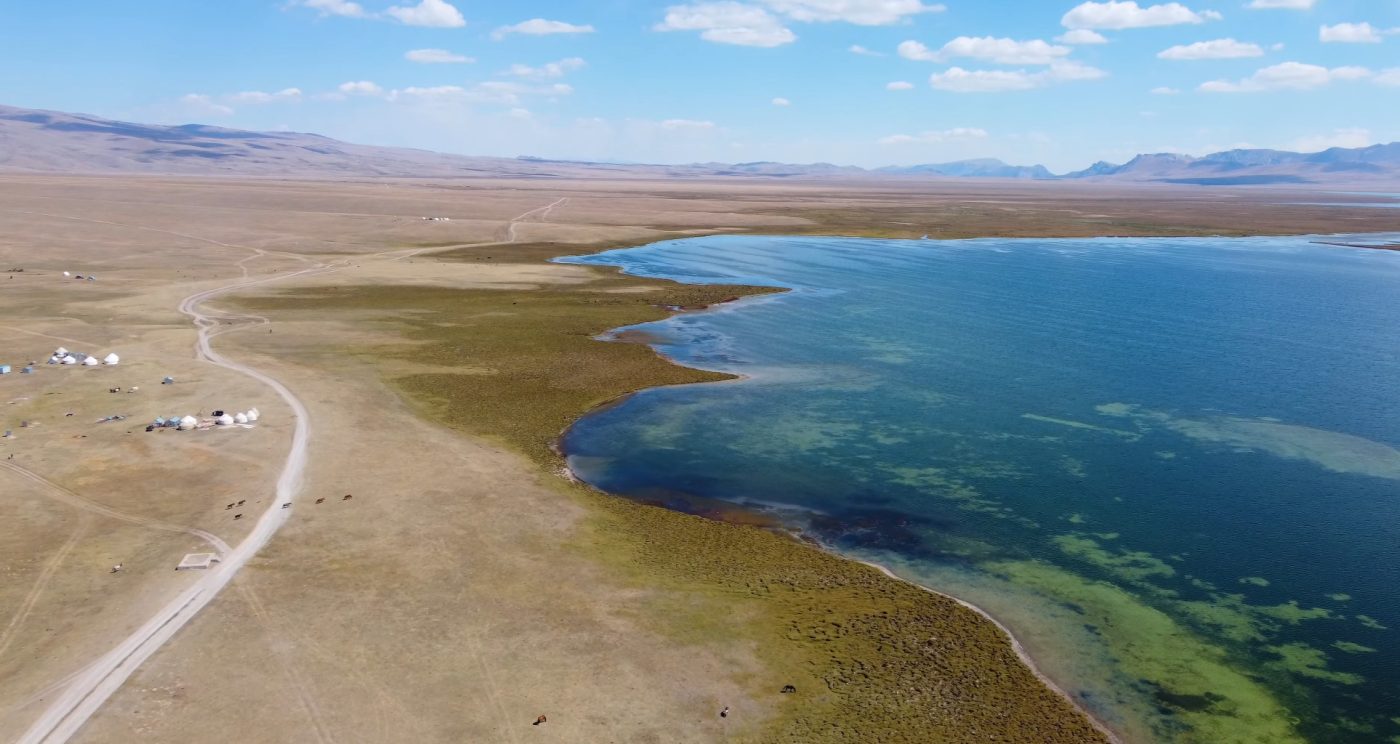
| Song-Kul | Yurt stays, horse riding and jailoo landscapes | Late June–early September | High, cold and seasonal. Weather can change even in midsummer. |
| Kel-Suu | Remote alpine lake and 4×4 adventure | Summer–early autumn | Usually needs permit support and more logistics than the main tourist corridor. |
| Osh | Silk Road history, bazaar life and Sulayman-Too | April–June, September–October | The main hub for southern Kyrgyzstan and the Alay Valley. |
| Arslanbob | Walnut forest, waterfalls and slower village travel | Spring–autumn | A softer southern alternative to high-altitude trekking. |
| Alay Valley | Pamir views, Lenin Peak base area and broad high-altitude landscapes | June–September | Best for longer trips and travelers comfortable with altitude and road time. |
| Tash Rabat | Silk Road history, remote valleys and a road journey through Naryn | June–September | Combines well with Song-Kul or a southern route but adds significant driving. |
Travelers focused on landscapes can compare the lakes of Kyrgyzstan. Those adding southern Kyrgyzstan should check the practical Bishkek to Osh route before deciding whether to drive or fly.
How Many Days Do You Need in Kyrgyzstan?
You can see a few highlights in five to seven days, but 10–14 days is much better for a first trip. The limiting factor is rarely the number of attractions. It is the time required to move between mountain regions without arriving exhausted.
| Trip length | Best for | Realistic route style |
|---|---|---|
| 5 days | Fast northern highlights | Bishkek, Ala Archa, Burana Tower, Chon-Kemin and part of Issyk-Kul |
| 7 days | First taste of Kyrgyzstan | Bishkek, Issyk-Kul, Karakol, Jeti-Oguz and Altyn Arashan |
| 10 days | Best first trip | Choose either Song-Kul plus Issyk-Kul and Karakol, or a trekking route with three days around Ala-Kul |
| 14 days | North plus south | Add Osh and either Arslanbob or the Alay Valley, not every southern region at once |
| 16–18 days | Slow grand route | Enough time for Issyk-Kul, Song-Kul, Sary-Chelek or Arslanbob, Osh and the Alay Valley |
Five days is possible, but it is not relaxed. Ten days is the sweet spot because it allows weather margin and one or two slower days. Fourteen days works well only if the route has a clear geographic logic.
Suggested Kyrgyzstan Itineraries: 5, 10 and 14 Days
5 Days: Fast Northern Highlights
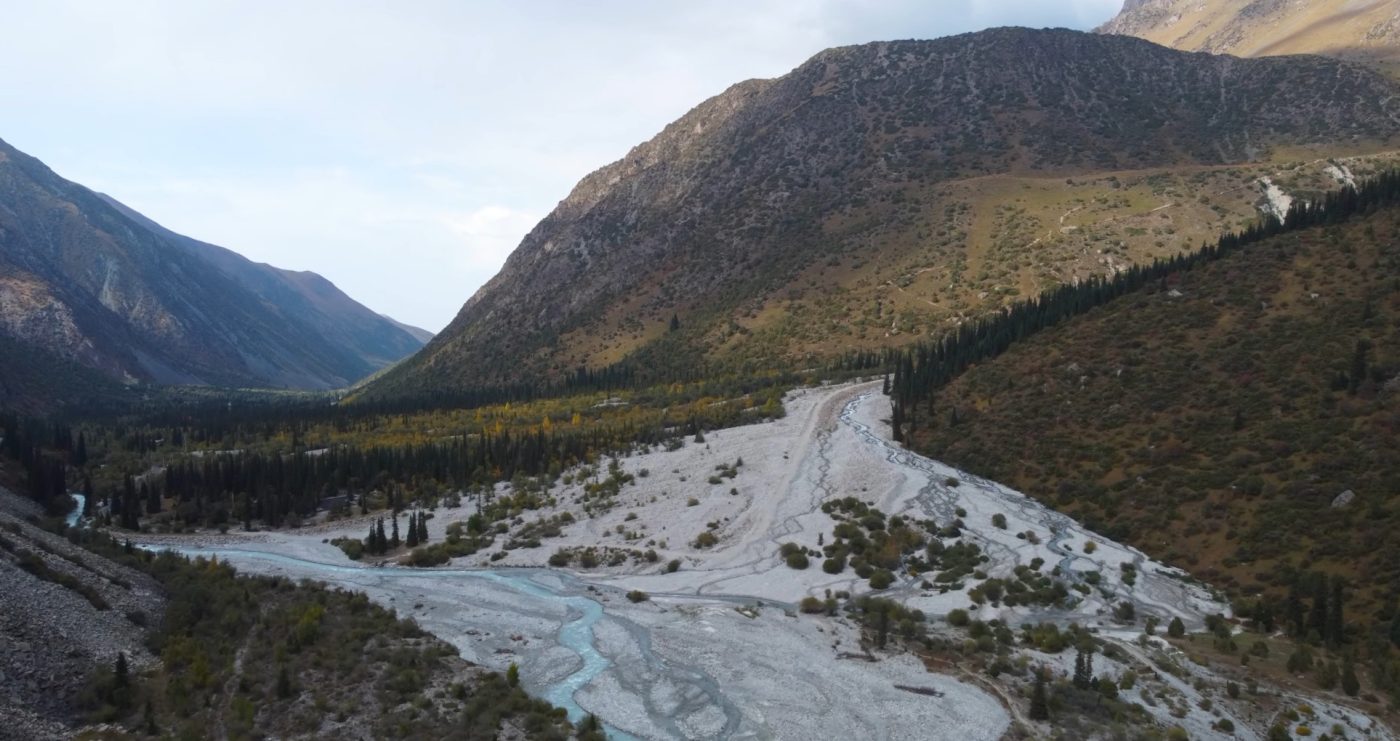
This compact route gives you Bishkek, accessible mountain scenery and both sides of Issyk-Kul. It is scenic but drive-heavy. Avoid adding a difficult trek immediately after an international flight.
| Day | Route | Main experience | Overnight |
|---|---|---|---|
| 1 | Bishkek and Ala Archa | Easy river, viewpoint or waterfall route depending on arrival time | Bishkek |
| 2 | Bishkek → Burana Tower → Chon-Kemin | History, valley scenery and optional short horse ride | Chon-Kemin |
| 3 | Chon-Kemin → Cholpon-Ata | North-shore Issyk-Kul, petroglyphs and lake time | Cholpon-Ata |
| 4 | Cholpon-Ata → south shore | Skazka Canyon, eagle demonstration or yurt workshop | Bokonbaevo or yurt camp |
| 5 | South shore → Bishkek via Boom Gorge | Return drive with short stops | Departure or Bishkek |
Who it suits: travelers with limited time who prefer road scenery and cultural stops over a multi-day trek. A private driver makes this route much smoother. With public transport, simplify it to Bishkek, Cholpon-Ata and Karakol.
10 Days: Balanced First Trip
The balanced version includes Song-Kul, Issyk-Kul and Karakol without forcing the full Ala-Kul crossing into an already busy route.
| Days | Route | Why it works |
|---|---|---|
| 1–2 | Bishkek and Ala Archa | Arrival, city orientation and a lower-altitude mountain day |
| 3–4 | Bishkek → Song-Kul | Yurt stay, horse riding and high-pasture scenery with enough time to absorb the drive |
| 5 | Song-Kul → south shore of Issyk-Kul | Long transfer broken by Naryn landscapes and lakeside stops |
| 6 | South shore → Jeti-Oguz → Karakol | Canyon or cultural stop, then arrival in the eastern mountain base |
| 7 | Karakol | Food, city sights, rest and preparation for a mountain day |
| 8–9 | Altyn Arashan or Jyrgalan | Choose a valley overnight, horse ride or moderate hike rather than rushing the full Ala-Kul circuit |
| 10 | Karakol → Bishkek | Return by the north shore; consider a night bus or flight only if the schedule suits |
Trekking alternative: Skip Song-Kul and spend days 5–8 on a properly paced three- or four-day Ala-Kul and Altyn Arashan route. This is the better 10-day choice for strong hikers. Trying to include two Song-Kul nights and a full Ala-Kul crossing leaves too little recovery time.
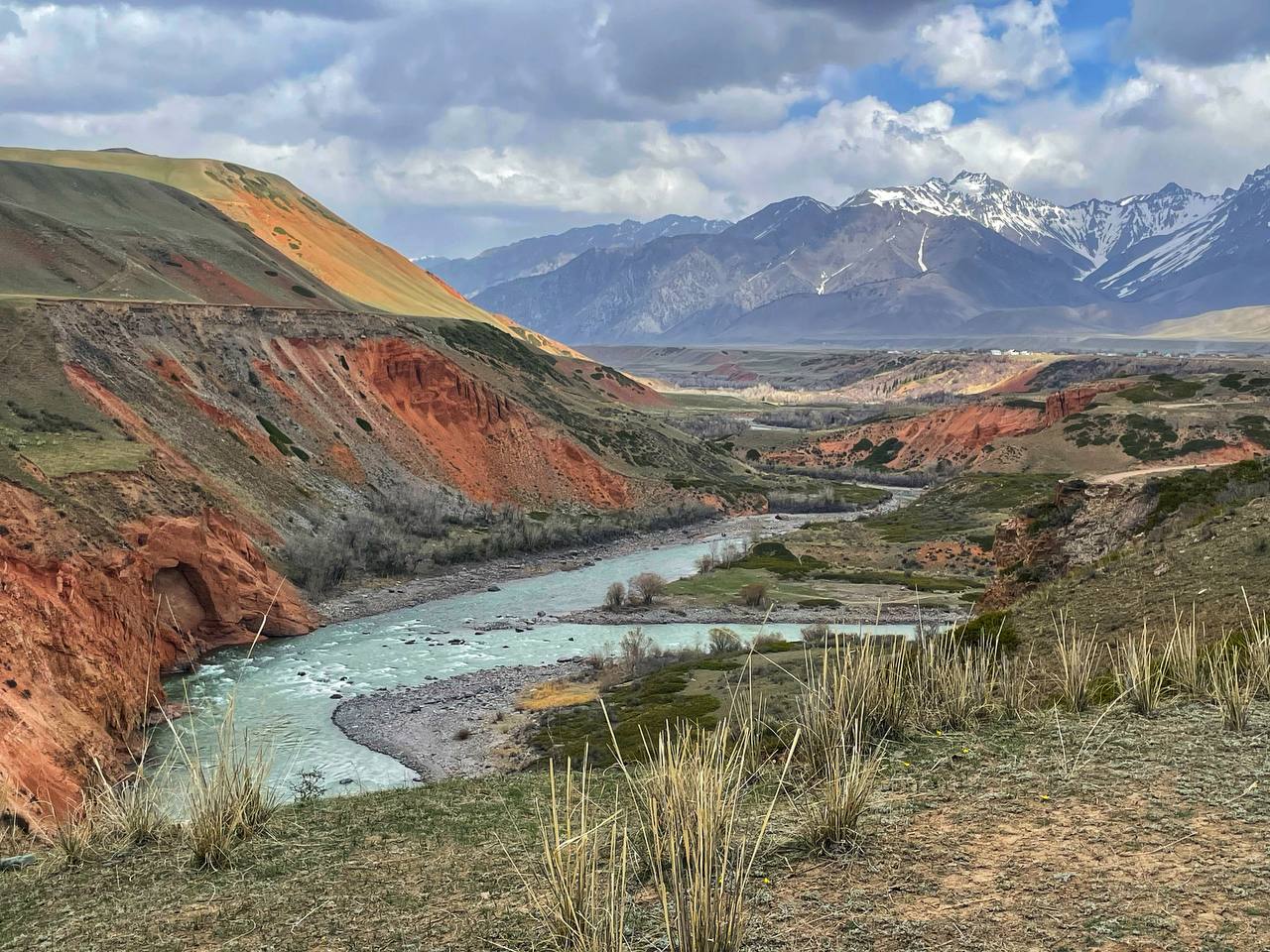
14 Days: North Plus Osh and the Alay Valley
This route adds southern Kyrgyzstan without trying to include every remote region. It works best with an internal flight between Bishkek and Osh or a carefully planned one-way road transfer.
| Days | Route | Main focus |
|---|---|---|
| 1–2 | Bishkek and Ala Archa | Arrival, city context and first mountain day |
| 3–4 | Song-Kul | Yurt camp, horse riding and central highlands |
| 5–7 | Issyk-Kul south shore and Karakol | Canyons, Jeti-Oguz, city food and eastern lake scenery |
| 8–9 | Altyn Arashan, Jyrgalan or another Karakol day trip | One serious mountain component without rushing |
| 10 | Return to Bishkek | North-shore transfer or limited flight if available |
| 11 | Bishkek → Osh | Flight saves a full road day; road travel is possible but tiring |
| 12 | Osh | Sulayman-Too, bazaar and southern food |
| 13–14 | Alay Valley | Lenin Peak views and high-altitude scenery, then departure from Osh or an extra night |
Arslanbob variation: Replace the Alay Valley with Arslanbob if you prefer forests, village life and lower-altitude walks. To include both Arslanbob and Alay comfortably, allow 16–18 days.
For route-level detail, compare the Song-Kul tour guide, the updated Jeti-Oguz guide, the Boom Gorge guide, the Burana Tower and Konorchek route and the Arslanbob guide.
Best Time to Visit Kyrgyzstan by Region and Season
Kyrgyzstan has a strongly continental mountain climate. Bishkek and Osh can be very hot while high passes remain cold, windy or snow-affected. Plan around the highest point of your route rather than the average temperature in the nearest city.
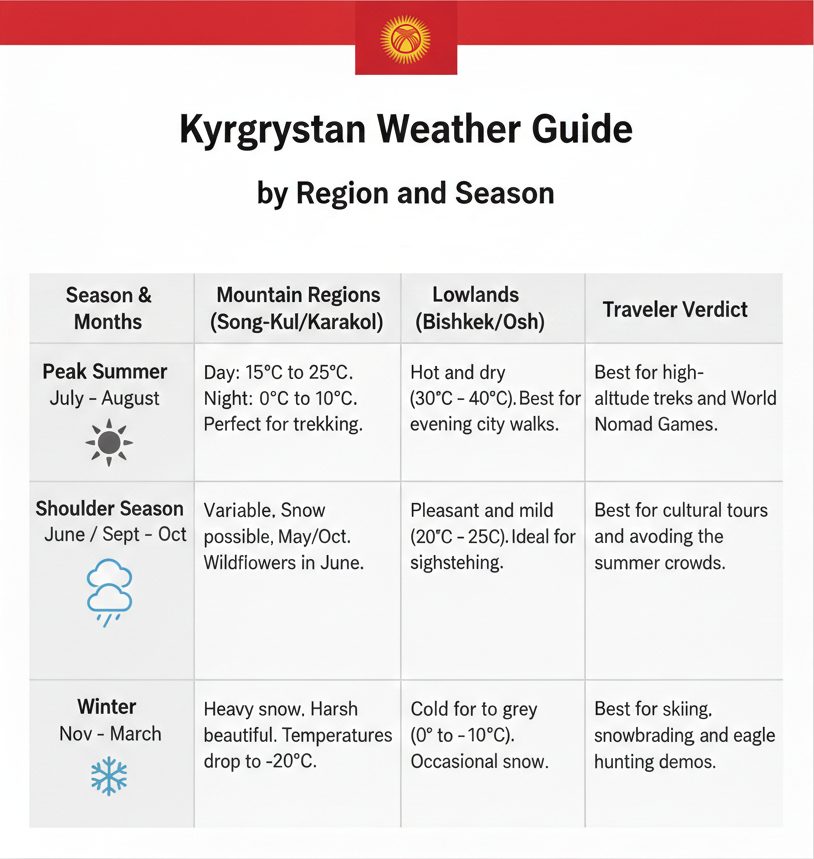
| Period | High mountains | Lower valleys and cities | Best use |
|---|---|---|---|
| April–May | Many passes remain snowy; yurt camps mostly closed | Green landscapes and mild city weather | Bishkek, Osh, canyons, low valleys and cultural travel |
| June | Conditions improve, but the highest passes may still hold snow | Warm and green | Road trips, horse riding at lower elevations and early summer trekking |
| July–August | Main trekking and yurt-camp season | Hot in Bishkek and Osh | Ala-Kul, Song-Kul, Kel-Suu, Alay and high mountain routes |
| September | Often excellent early in the month; cold nights and early snow become more likely later | Comfortable city weather | Quieter trekking, road trips and photography |
| October | High routes become unreliable | Cool, often pleasant in cities and southern valleys | Culture, lower hikes and autumn landscapes |
| November–March | Winter conditions and limited access | Cold but manageable city travel | Skiing, winter culture and short road trips with flexible plans |
May to June: Green Valleys and Variable Passes
Late spring is one of the most photogenic periods in lower Kyrgyzstan. Valleys are green, rivers are full and wildflowers appear. The trade-off is uncertainty at altitude. Ala-Kul, Song-Kul access roads and other high routes may still have snow, mud or delayed seasonal services.
This period suits Bishkek, Ala Archa’s lower trails, Issyk-Kul road trips, Chon-Kemin, Boom Gorge and canyon routes. It is less suitable for an itinerary that fails if one high pass remains closed.
July to August: Main Trekking and Nomad Season
July and August are the safest default months for high-altitude trekking, horse riding tours, yurt camps and remote lakes. Long daylight and established seasonal services make logistics easier, although thunderstorms, cold nights and sudden weather remain possible.
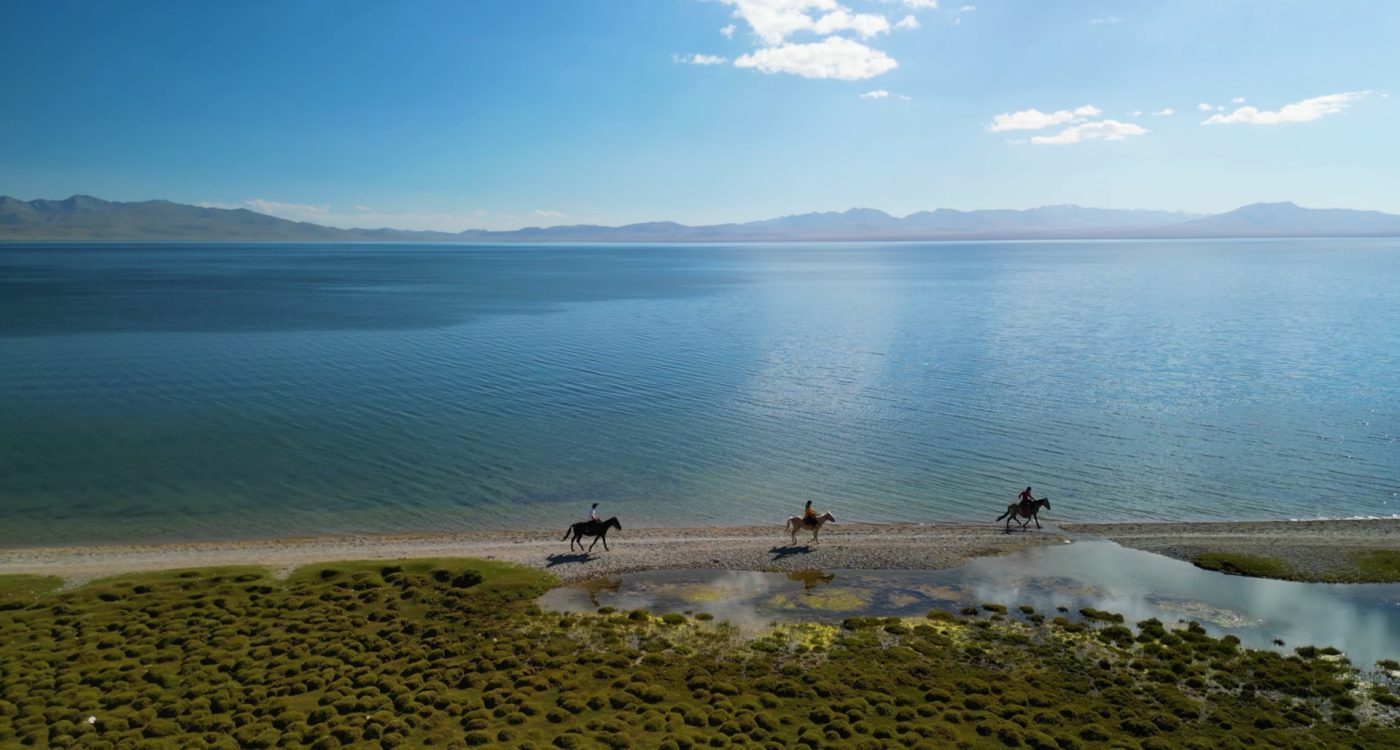
These are also the busiest weeks around Issyk-Kul. Book good-value beach accommodation, popular horse treks and private drivers early, particularly around major events.
September to October: Clearer Light and Colder Nights
Early September can be excellent for trekking, with fewer visitors and clearer light. The risk increases as the month progresses: yurt camps begin closing, nights become colder and snow can affect passes with little warning.
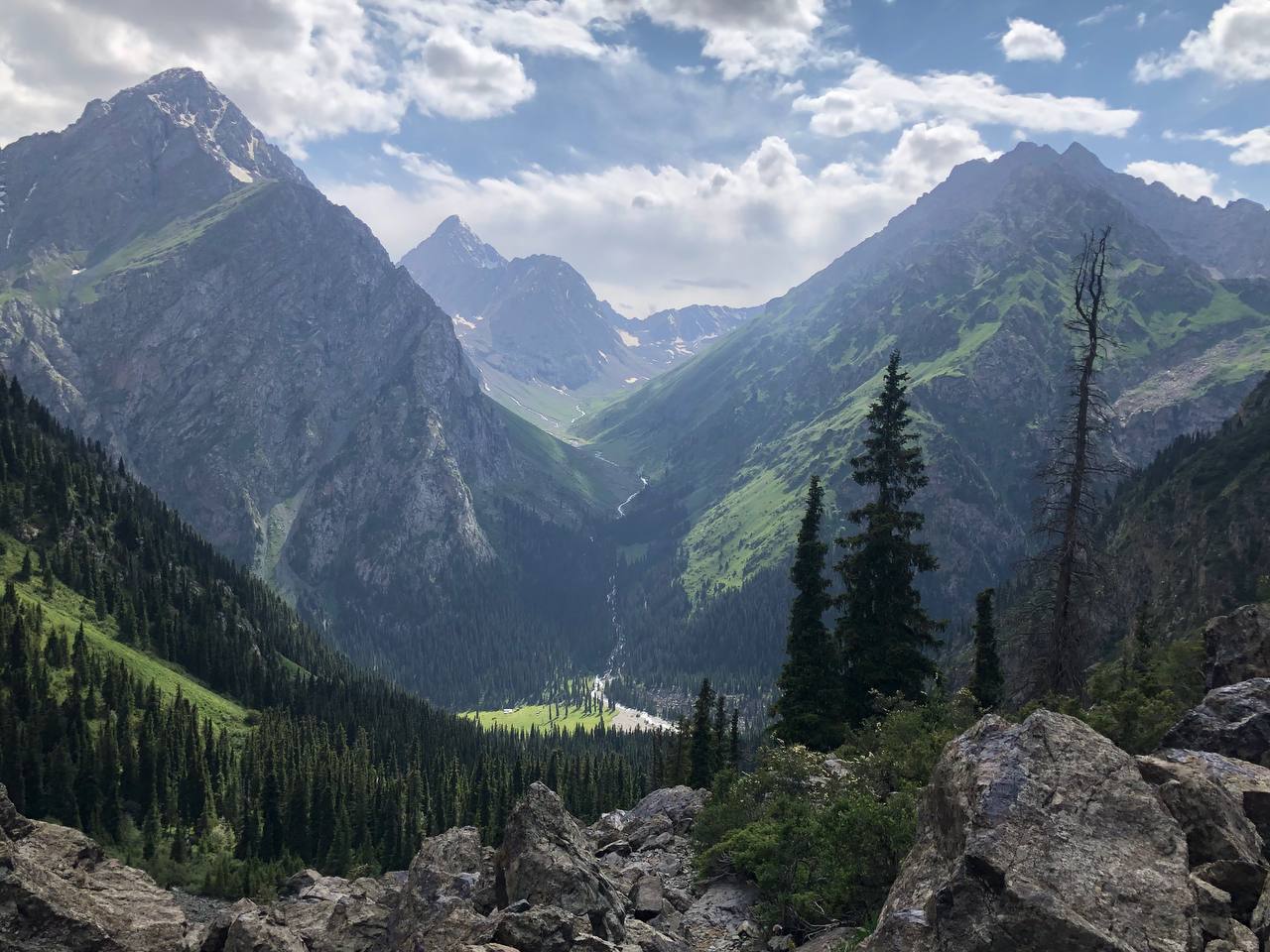
Autumn is strong for Bishkek, Osh, Karakol, Arslanbob and lower road trips. Markets also have abundant seasonal produce. Food-focused travelers can combine this period with the Kyrgyz national food guide, a Bishkek food tour and Osh Bazaar.
Winter: Skiing and a Different Kind of Trip
Winter is not the season for a standard first-time circuit. High mountain roads and yurt areas are limited, while Bishkek can be cold and grey. The advantage is skiing around Karakol, winter landscapes, lower prices in some places and cultural experiences that feel very different from summer.
Build winter routes around confirmed road access and accommodation rather than assuming every summer destination remains reachable.
For a fuller month-by-month breakdown, return to the best time to visit Kyrgyzstan. Landscape-focused travelers can also compare the mountain regions and major lakes before choosing dates.
Kyrgyzstan Events and World Nomad Games 2026
The VI World Nomad Games are scheduled for August 31 to September 6, 2026, with activities connected to Bishkek and Issyk-Kul. This will increase demand for accommodation and transport around Bishkek, Cholpon-Ata and the lake region. Read the official government announcement before booking around the event.
Dates for regional horse games, eagle festivals and local cultural events are often announced later and can change. Check the official Tourism Department events calendar rather than treating an old festival list as fixed.
Typical Kyrgyzstan Travel Costs
Kyrgyzstan remains affordable for food, guesthouses and public transport. The expensive parts are remote access, private vehicles, 4×4 routes, guides, border permits and last-minute transfers.
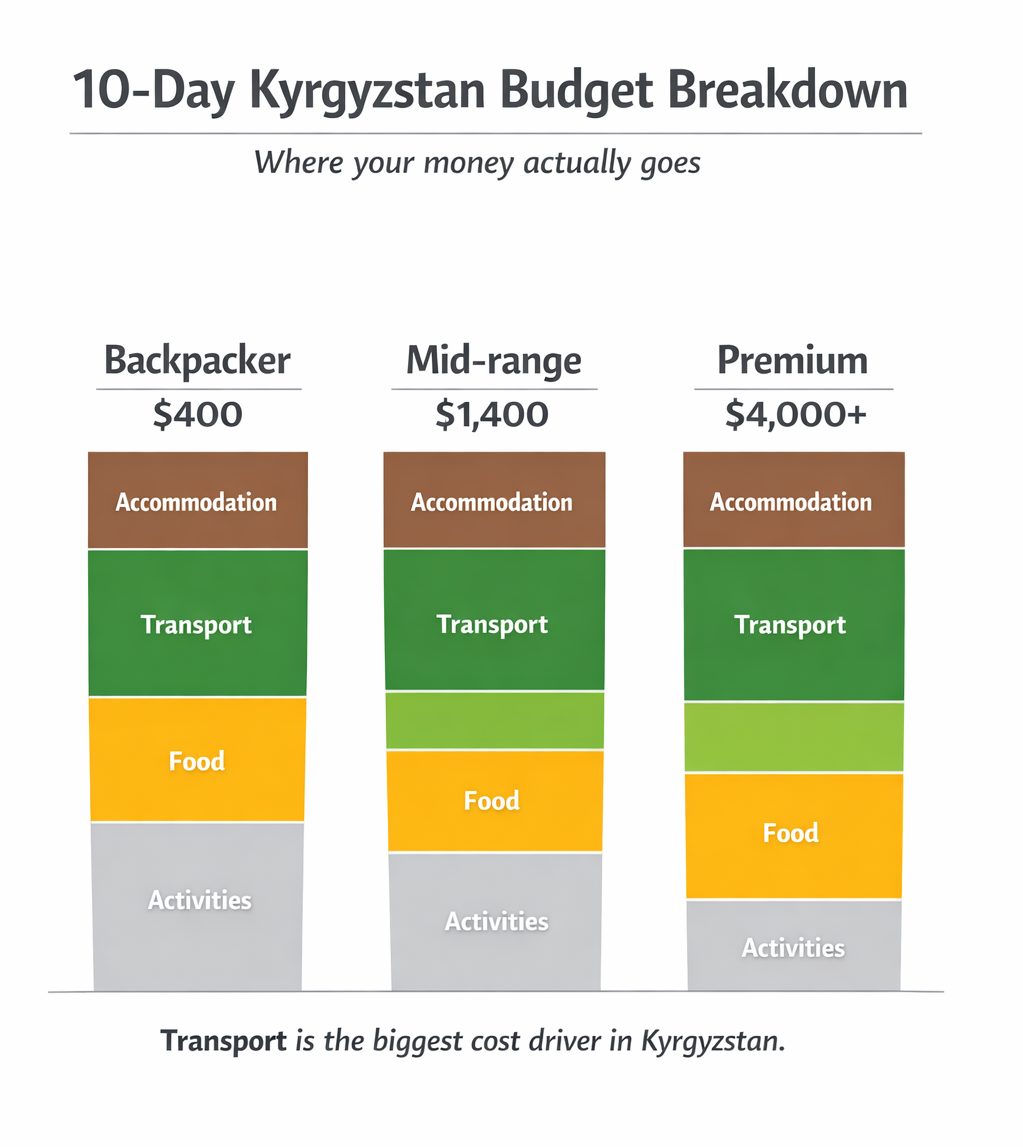
| Travel style | Daily planning range | What it usually covers |
|---|---|---|
| Budget | $35–55 | Hostels or simple guesthouses, canteens, marshrutkas and independent sightseeing |
| Independent mid-range | $85–130 | Private rooms, better meals, taxis, yurt stays and some guided activities |
| Adventure / private transport | $150–250+ | Drivers, remote lakes, 4×4 access, guides and horse packages |
| High-comfort custom trip | $300+ | Premium vehicles, stronger hotels, private guides and tailored logistics |
A budget trip becomes expensive quickly if every transfer is private. The opposite is also true: using public transport on major corridors and paying only for remote segments can keep a comfortable trip affordable.
Use the full travel costs guide for current accommodation, food and activity benchmarks. For routes built around a vehicle, compare the private driver cost guide separately.
Money and Payments
- Currency: Kyrgyz Som (KGS).
- Cards: increasingly accepted in Bishkek, Osh, Karakol and larger hotels, but not reliable in rural guesthouses, bazaars or yurt camps.
- Cash: essential for remote routes, small taxis, markets and local meals.
- ATMs: common in cities and larger towns; withdraw before Song-Kul, Kel-Suu or isolated trekking areas.
- Exchange: Bishkek has many exchange offices. Compare the displayed buy and sell rate and count cash before leaving.
For more detailed accommodation, transport and activity ranges, use the full budget guide rather than relying on one national daily average.
Visa, Entry, Language and Connectivity
| Category | Practical guidance |
|---|---|
| Visa policy | Rules and stay limits depend on citizenship. Check eligibility through the official Kyrgyz e-Visa portal. |
| Main entry point | Manas International Airport serves Bishkek. Use the Bishkek airport to city centre guide for arrival transport. |
| Language | Kyrgyz is the state language and Russian is an official language. Russian remains more useful for transport and everyday logistics. English is increasingly used in tourism businesses. |
| Mobile data | Cheap and useful in cities and towns, but coverage weakens in remote valleys and high mountains. |
| Registration | Requirements depend on citizenship and length of stay. Confirm current rules for your passport rather than assuming hotel registration solves every case. |
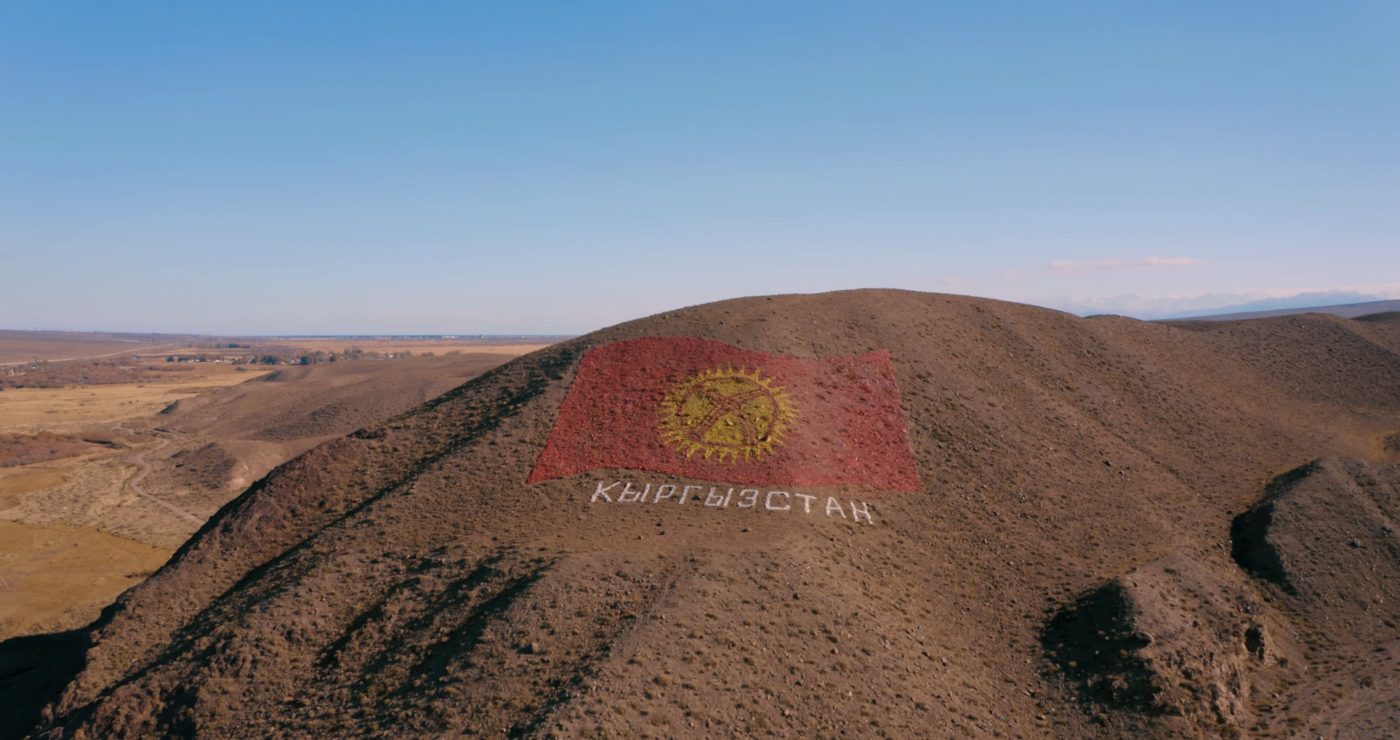
Entry Planning
Check passport validity, visa-free stay limits and registration rules before buying non-refundable travel. Requirements can differ even between passports that both receive visa-free entry.
Store a digital passport copy offline and leave another copy with someone you trust. Document problems are easier to solve in Bishkek than near Naryn, Song-Kul or a border zone.
SIM Cards and Internet
MEGA, Beeline and O! are the main mobile options travelers encounter. Packages are inexpensive, but coverage depends on the valley and terrain. Buy a SIM in Bishkek or another large town, then download offline maps before mountain travel.
Do not plan remote navigation around continuous mobile signal. Drivers and guesthouses may also communicate through WhatsApp or Telegram, so save addresses and phone numbers while online.
How to Get Around Kyrgyzstan
Most trips use a combination of marshrutkas, shared taxis and private vehicles. Public transport is efficient on major corridors. Remote mountain routes are a different category and may need a high-clearance vehicle, permit support or an experienced driver.
Marshrutkas and Intercity Buses
Departure points depend on the route. Services to Karakol and several Issyk-Kul destinations use the New Bus Station at Alma-Atinskaya 1/1, while southern and shorter regional services may use other transport points. Check the official Bishkek Avtovokzal route list and confirm the station before travel.
- Bishkek to Karakol: usually around 6–7 hours by daytime minibus, depending on stops and traffic.
- Bishkek to Cholpon-Ata: roughly 4–5 hours on the north-shore route.
- Bishkek to Osh: a long mountain journey; flying is usually more practical when time matters.
Marshrutkas are inexpensive and useful, but they are not ideal for every traveler. Large luggage, limited legroom and uncertain departure times can make a long route tiring.
GoBus and Scheduled Services
GoBus provides scheduled booking on selected intercity and airport routes. Availability changes by season and destination, so search your exact date rather than assuming every tourist route is covered.
Shared Taxis and Private Drivers
Shared taxis are faster than marshrutkas and often leave when all seats are sold. Agree on the price, destination and luggage before departure.
A private driver is worth considering for the south shore of Issyk-Kul, Song-Kul, Tash Rabat, Kel-Suu and multi-stop routes. A driver can also turn the transfer into a sightseeing day. Compare waiting time, accommodation, fuel, road type and whether the vehicle is suitable for mountain tracks. See the detailed private driver cost guide, or compare private tours in Kyrgyzstan when you want transport, accommodation and activities packaged into one route.
Self-Drive
Main intercity roads are generally paved, while access roads to remote lakes, valleys and yurt areas may be gravel, deeply rutted, muddy or temporarily damaged. A standard car is enough for many main routes. A high-clearance 4×4 becomes more important for Kel-Suu, difficult pasture roads and remote border areas.
Driving-document requirements depend on the issuing country, length of stay and rental company. Confirm licence and International Driving Permit requirements before booking. Avoid night driving outside cities when possible, and do not assume a map route proves that a mountain road is currently passable.
Cycling and Bikepacking
Kyrgyzstan can also work well for experienced cyclists, particularly on longer bikepacking routes through the main valleys and mountain regions. Road surfaces, traffic, altitude and long distances between services make route planning important. For bike rentals, equipment and local route information in Bishkek, FreeBike is a useful specialist resource for independent cyclists.
Domestic Flights
Flights are most useful between Bishkek and Osh. Limited routes to Karakol or other regional airports can appear seasonally, but schedules are not frequent enough to build a trip around without checking the exact date.
Accommodation Types in Kyrgyzstan
| Type | Best for | What to expect | Planning range |
|---|---|---|---|
| Yurt camps | Summer pastures and cultural stays | Shared meals, simple bedding and variable bathroom facilities | $25–60 per person, often with meals |
| Guesthouses | Independent regional travel | Family-run rooms, breakfast and local route advice | $20–45 depending on room and region |
| City hotels | Comfort in Bishkek, Osh and Karakol | Standard hotel services and easier card payment | $50–150+ |
| Sanatoriums and lake resorts | Issyk-Kul stays and longer rest periods | Quality ranges from Soviet-era facilities to newer resorts | Highly seasonal |
| Mountain huts | Trekking routes | Basic shelter; bedding, meals and booking conditions vary | $10–25 or package-based |
| Glamping camps | Travelers wanting a softer yurt experience | Better beds, private bathrooms or hot showers may be available | Often $60–150+ |
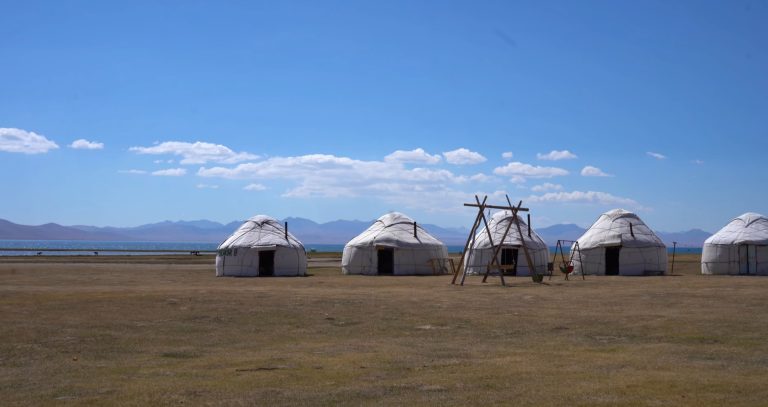
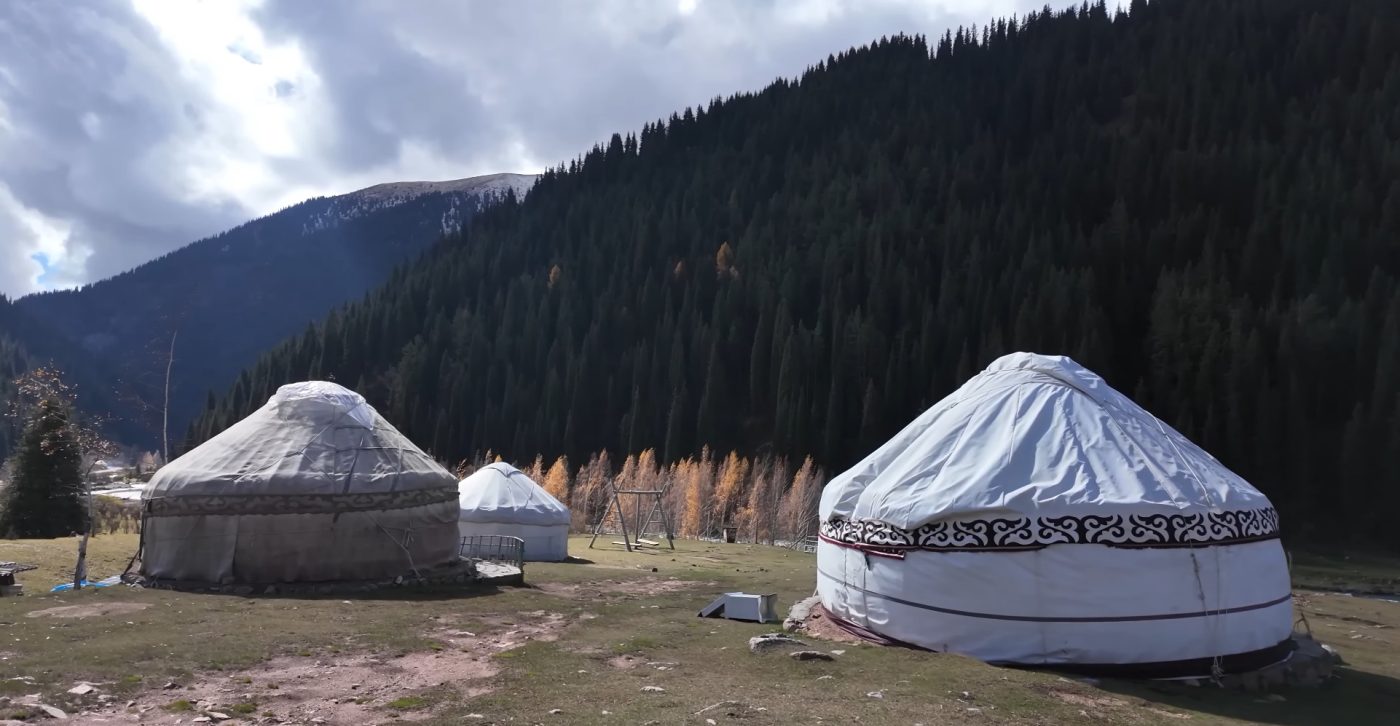
What a Yurt Stay Is Really Like
A yurt night is one of the classic Kyrgyzstan experiences, but conditions vary. Some camps are small family operations with shared toilets and limited electricity. Others are organized glamping properties with better beds and showers.
- Temperature: nights at Song-Kul can be cold even in August. Bring warm layers.
- Bedding: camps may use floor mattresses or raised beds. Ask if sleeping bags or extra blankets are needed.
- Electricity: often limited to solar charging or a few shared outlets.
- Bathrooms: range from simple outdoor toilets to modern shared facilities.
- Meals: commonly included, but dietary variety may be limited in remote camps.
Book the level of comfort you actually need. A very basic camp can be memorable for one night and uncomfortable for three.
Best Things to Do in Kyrgyzstan
Most first itineraries are built around a combination of trekking, horse riding, lake travel and cultural experiences. For a broader list, see the best things to do in Kyrgyzstan.
Trek Ala-Kul and Visit Altyn Arashan
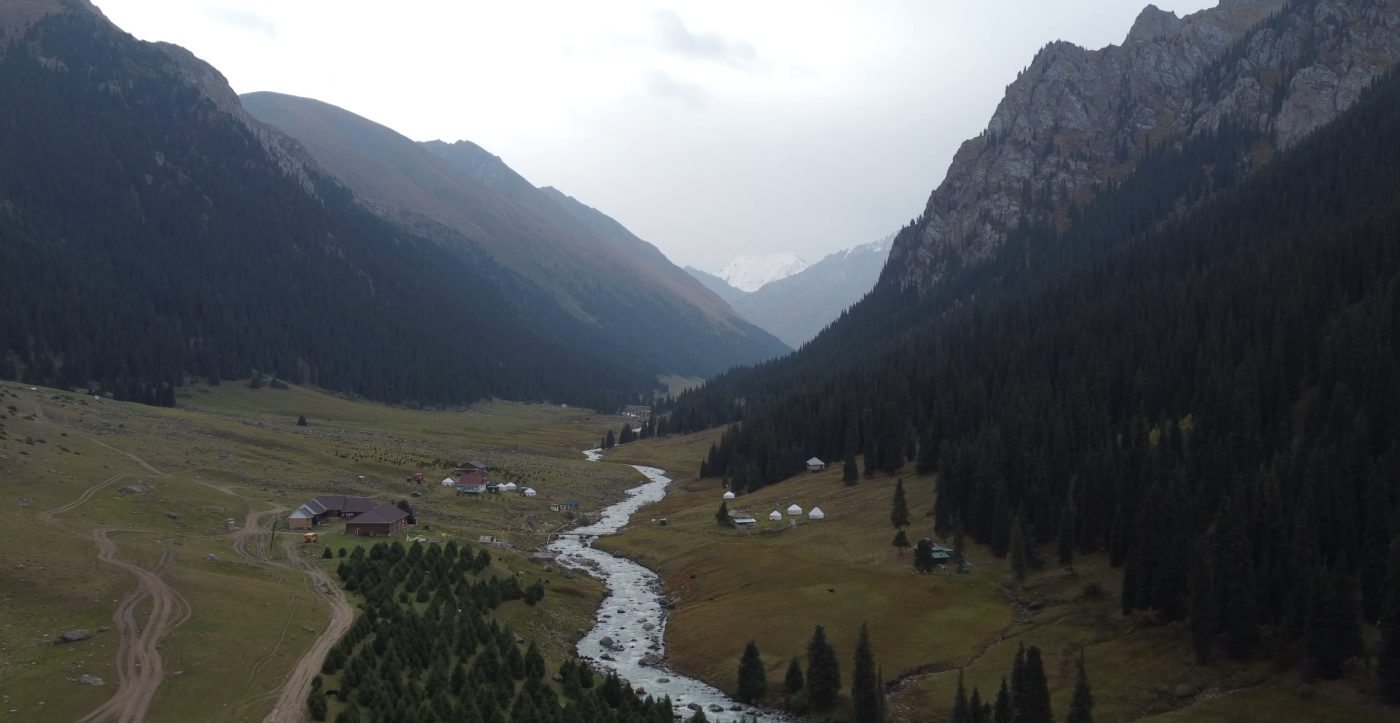
The Ala-Kul and Altyn Arashan crossing is Kyrgyzstan’s best-known multi-day trek. The full route normally takes three to four days and crosses a pass near 3,900 m. It involves steep ground, loose scree and significant weather exposure.
| Feature | Planning detail |
|---|---|
| Duration | 3–4 days for the full circuit |
| Difficulty | Demanding mountain trekking |
| Maximum elevation | Approximately 3,900 m at Ala-Kul Pass |
| Alternative | Visit Altyn Arashan without crossing the pass |
Use Karakol as the base, allow acclimatization time and do not compress the route simply to fit an ambitious itinerary.
Ride Horses to Song-Kul
Horse riding across the summer pastures to Song-Kul is one of the most distinctive experiences in the country. Common routes begin around Kyzart and take two or three days. The three-day version is usually better for beginners because it spreads the riding and gives more time at the lake.
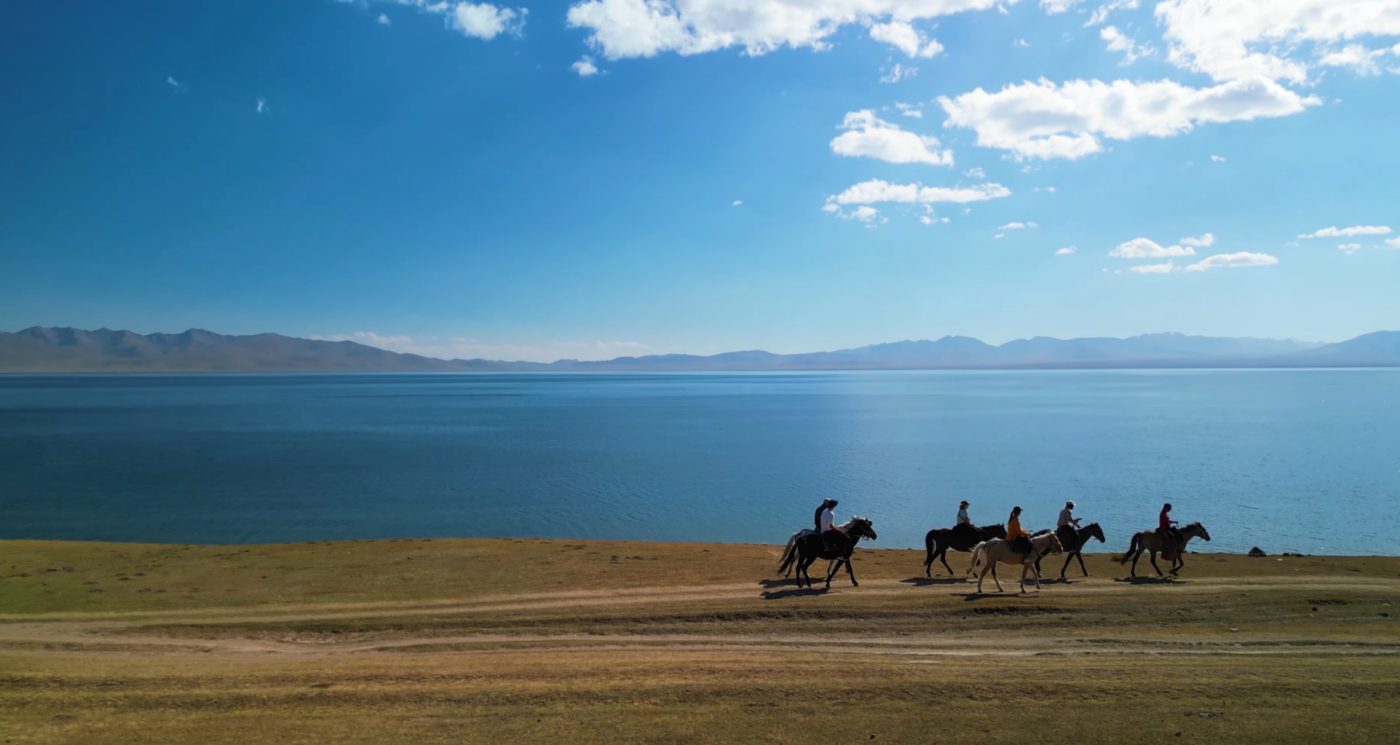
Ask whether the price includes the horse, guide, meals, accommodation, luggage transport and transfer to the trailhead. Riding several hours per day can be physically tiring even for fit travelers.
Before choosing activities, use the full things to do guide. The separate horse riding guide explains route lengths, riding difficulty and what packages normally include.
Drive Around Issyk-Kul
Issyk-Kul works as a beach destination, cultural route and road trip. The north shore offers resorts, Cholpon-Ata and easier public transport. The south shore gives access to Skazka Canyon, Bokonbaevo, yurt-making villages, Barskoon and Jeti-Oguz.
A complete loop needs at least three days, and five to seven days is better if you want Karakol and mountain excursions.
Experience Nomadic and Craft Traditions
Cultural demonstrations vary in quality. The strongest experiences are small, specific and hosted by people who actually practice the skill rather than presenting a generic performance.
- Eagle hunting near Bokonbaevo: learn how golden eagles are trained and handled. Confirm whether the demonstration uses a lure and whether transport is included.
- Yurt making in Kyzyl-Tuu: see how the wooden frame, roof crown and felt covering are produced.
- Felt workshops: learn how shyrdak carpets and decorative patterns are made.
- Horse games: availability depends on events and group arrangements; do not assume a full kok-boru match is included in every tour.
For mountain planning around Karakol, compare the full Ala-Kul route and the easier Altyn Arashan options. For high-pasture travel, revisit the Song-Kul guide and the remote Kel-Suu guide.
Explore Southern Kyrgyzstan
Osh, Arslanbob and the Alay Valley give the trip a different cultural and geographic layer. Osh adds Silk Road history and bazaar life. Arslanbob offers walnut forest and village walks. The Alay Valley brings huge Pamir views and higher altitude.
Take Day Trips from Bishkek
Travelers with limited time can still see a great deal from the capital. Ala Archa is the easiest mountain trip. Burana Tower and Konorchek Canyons combine history and landscapes. For more route choices, compare the best day trips from Bishkek.
Local Etiquette and Cultural Norms
Kyrgyzstan is socially relaxed in many situations, but rural homes, yurts, mosques and family meals have their own expectations. Travelers do not need to perform every custom perfectly. Basic attention and willingness to follow the host are enough.
- Remove shoes: take shoes off when entering a home or yurt unless the host tells you otherwise.
- Bread: treat bread respectfully and avoid placing it upside down or throwing it away casually.
- Hospitality: tea and food may continue longer than expected. Allow time rather than treating every visit as a quick photo stop.
- Dress: Bishkek is generally relaxed. Cover shoulders and knees in mosques and dress more conservatively in rural religious settings.
- Photography: ask before photographing people, ceremonies, border infrastructure or working animals at close range.
- Handshakes: follow the other person’s lead, particularly between men and women.
- Tipping: not universal, but a modest tip is appreciated for strong guiding or driver service. Check whether a service charge is already included.
At shared meals, wait for the host to indicate where to sit and accept at least a small amount of tea or food when practical. In yurts, avoid stepping on the threshold and keep bags away from the stove. At bazaars, polite bargaining may be acceptable for some goods, but not every fixed-price shop expects negotiation.
Religious practice is generally moderate, yet visitors should still dress respectfully in mosques and avoid interrupting prayer. Ask before photographing craftspeople, eagle hunters or families. A cultural demonstration is not automatic permission to photograph every person present.
Choosing a responsible operator matters as much as etiquette. Check the guide’s experience, transport, cancellation conditions and animal welfare standards. The guide to choosing a tour company in Kyrgyzstan explains what to compare.
Mountain Safety, Health and Insurance
Kyrgyzstan is generally suitable for independent travel, but mountain conditions, road safety, altitude and delayed emergency access deserve more attention than ordinary city crime.
Altitude and Trekking
Many popular routes climb above 3,000 m. Ascend gradually where possible, avoid increasing sleeping altitude too quickly and do not continue higher when symptoms are worsening. The CDC high-altitude guidance explains acclimatization and when preventive medication should be discussed with a clinician.
Headache, nausea, unusual fatigue, dizziness and disturbed sleep can indicate altitude illness. Severe breathlessness at rest, confusion or loss of coordination requires urgent descent and medical help.
Insurance
Choose insurance that covers your maximum trekking altitude, horse riding, remote treatment, evacuation and repatriation. Read exclusions carefully. Some standard policies exclude trekking above a set elevation or motorized activities.
Do not assume helicopter evacuation will always be available. Mountain rescue capacity is limited, and weather or terrain may delay access. Read current Kyrgyzstan travel advice from the UK government or your own government’s guidance before departure.
Food, Water and Medical Planning
Water quality and building plumbing vary. Use filtered or bottled water when unsure and always treat water from streams, lakes and remote settlements. Livestock is common in mountain valleys, even where the water looks clear. The CDC Kyrgyzstan traveler page provides current health preparation advice.
Bring personal prescription medicine, rehydration salts, blister care and basic first-aid items appropriate for you. Discuss altitude medication and vaccines with a travel-health professional rather than relying on a generic packing list.
What to Pack for Kyrgyzstan
Pack for the highest and coldest part of the route. A city-and-lake trip needs ordinary travel clothing, while Song-Kul, Ala-Kul, Kel-Suu and the Alay Valley require proper mountain layers.
| Trip type | Main luggage | Do not forget |
|---|---|---|
| City and Issyk-Kul | Suitcase or standard travel backpack | Light jacket, swimwear, sun protection and comfortable walking shoes |
| Yurt and horse route | Soft duffel plus small daypack | Warm sleeping layers, gloves, headlamp and rain protection |
| Multi-day trek | Trekking backpack sized for the support arrangement | Water treatment, dry bags, broken-in footwear and technical layers |
| Self-drive route | Flexible luggage that can be secured in the vehicle | Offline maps, spare water, power bank and emergency contact details |
Layering for Mountain Weather
| Layer | Recommended item | Purpose |
|---|---|---|
| Base | Synthetic or merino top and leggings | Moves moisture away from the skin |
| Insulation | Fleece and lightweight insulated jacket | Warmth during cold evenings and stops |
| Outer shell | Waterproof and wind-resistant jacket | Rain, snow and strong mountain wind |
Bring a warm hat and gloves even in summer if the route includes Song-Kul or a high pass. Cotton is comfortable in cities but performs poorly when wet on a cold trek.
Footwear and Trekking Equipment
- Walking shoes: enough for cities, easy valleys and most road trips.
- Hiking boots or strong trail shoes: required for rough, wet or scree-heavy routes.
- Camp shoes: useful in yurts, guesthouses and hot springs.
- Trekking poles: helpful on steep descents and loose ground.
- Headlamp: important for yurt camps, huts and early starts.
- Daypack: carry water, rain layer, food, sun protection and personal medicine.
City, Lake and Trekking Luggage
For a city-and-Issyk-Kul route, a normal suitcase or travel backpack is fine. For horse treks and remote 4×4 journeys, a soft duffel is easier to load than a rigid case. Multi-day hikers should carry only the equipment needed on the trail and leave unnecessary luggage at a Karakol or Bishkek guesthouse.
Ask what the operator supplies. Tents, sleeping bags, mats, cooking equipment and pack-animal luggage may be included, rented separately or not provided at all. For yurt camps, a sleeping-bag liner can improve comfort even when blankets are supplied.
Water, Power and Weather Protection
- Water filter or purification method for remote travel
- Power bank of at least 10,000 mAh
- SPF 50 sunscreen, sunglasses and lip protection
- Dry bag or waterproof liners for electronics and documents
- Offline map and downloaded route information
- Reusable bottle and extra water capacity for dry areas
Personal Health Kit
Carry only medicines appropriate for you and follow medical advice. A practical kit may include prescription medicine, rehydration salts, blister treatment, antiseptic, bandages, insect repellent and pain relief you already know you can use.
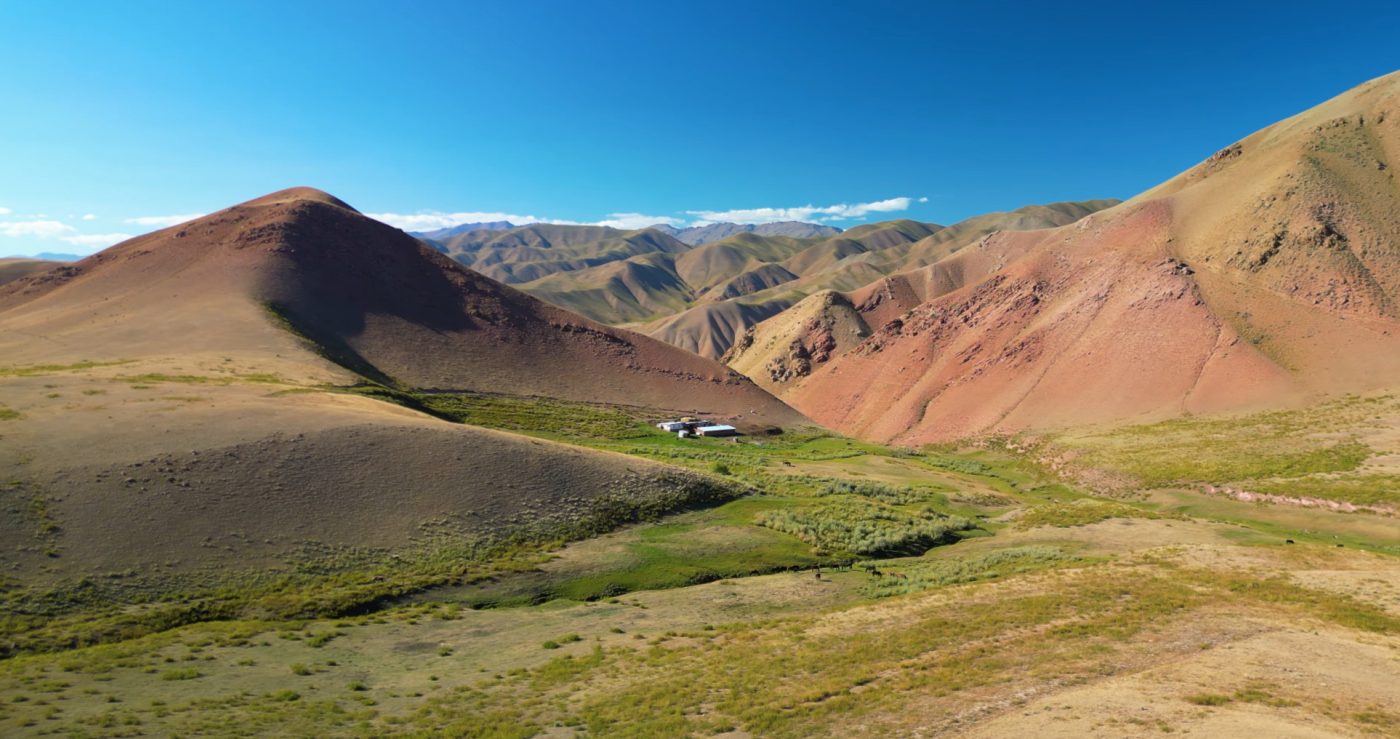
Pack a compact towel, earplugs and a small supply of toilet paper for basic camps. In cities, dress is flexible, but one modest outfit is useful for mosques, rural homes and formal cultural visits. Keep one dry base layer and pair of socks reserved for sleeping on cold routes.
Useful Apps, Phrases and Emergency Contacts
| App or service | Use | Planning note |
|---|---|---|
| 2GIS | City maps and building entrances | Download Bishkek and Karakol maps offline |
| Yandex Go | Pre-booked city taxis | Usually clearer than negotiating with a street taxi |
| GoBus | Selected intercity routes | Check whether your date and destination are available |
| Google Translate | Russian and Kyrgyz translation | Download language packs before remote travel |
| Offline maps | Navigation outside mobile coverage | Save accommodation, trailheads and meeting points in advance |
Install and test apps before leaving home. Add hotel and guesthouse addresses in both Latin and Cyrillic script, save driver phone numbers, and take screenshots of tickets and meeting points. A data connection helps in towns, but essential navigation should still work offline.
For taxis, use the pin carefully because building entrances can sit on a different street from the official address. For intercity travel, confirm whether a digital booking is the actual ticket or only a reservation that must be exchanged at a desk.
Basic Kyrgyz Phrases
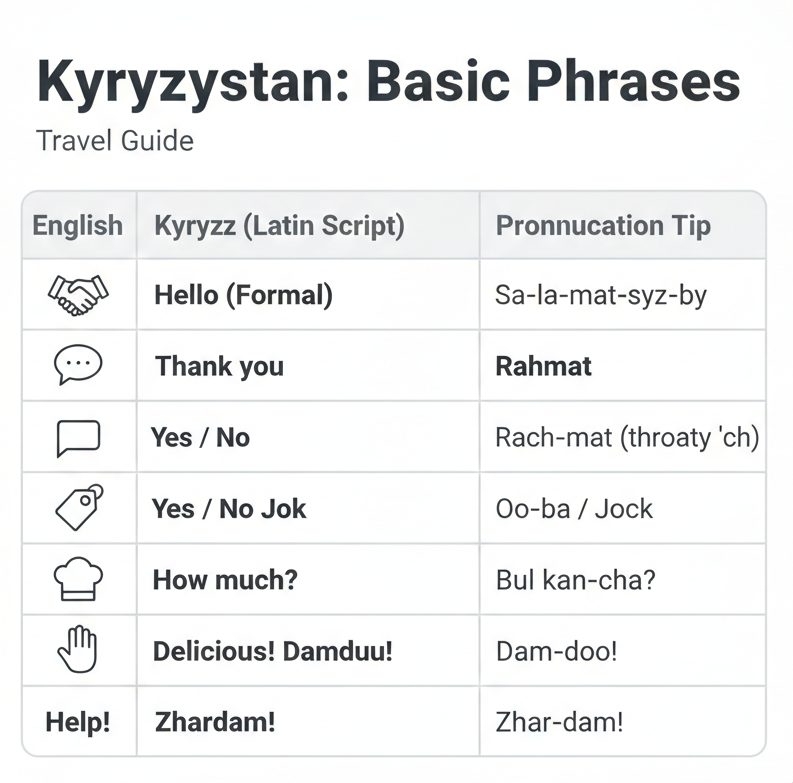
| English | Kyrgyz | Simple pronunciation |
|---|---|---|
| Hello | Salamatsyzby | Sa-la-mat-syz-by |
| Thank you | Rahmat | Rakh-mat |
| Yes / No | Ooba / Jok | Oo-ba / Jok |
| How much? | Bul kancha? | Bul kan-cha? |
| Help | Zhardam | Zhar-dam |
Emergency Contacts
- Universal emergency number: 112.
- Accommodation or local operator: save a direct contact offline.
- Embassy or consulate: record the relevant number before departure.
- Route plan: leave trekking dates, expected return and driver details with someone reliable.
Emergency response in remote mountain areas depends on road access, weather and available personnel. A phone number is useful, but route discipline and realistic decisions remain the first layer of safety.
Kyrgyzstan Travel FAQ
Do I need a visa for Kyrgyzstan?
Visa-free access, stay limits and registration rules depend on your passport. Use the official e-Visa portal’s country selector rather than relying on an older general list.
How many days do you need in Kyrgyzstan?
Ten days is the best overall length for most first trips. Seven days covers a fast northern route. Fourteen days allows southern Kyrgyzstan or a slower mountain itinerary.
What are the best places to visit?
For a first trip, combine Bishkek, Ala Archa, Issyk-Kul, Karakol and either Song-Kul, Altyn Arashan or Ala-Kul. Add Osh and the Alay Valley on a longer route.
Is Kyrgyzstan good for independent travel?
Yes, especially along the Bishkek–Issyk-Kul–Karakol corridor. Remote lakes, high passes, horse routes and permit areas are easier with organized support.
Is Kyrgyzstan safe for solo travelers?
Main tourist routes are generally manageable with normal precautions. The larger risks are road conditions, altitude, weather and delayed rescue access. Solo travelers should use reputable transport and avoid poorly lit isolated areas at night.
Is tap water safe?
Water quality and building plumbing vary. Use filtered or bottled water if unsure, and always treat water from streams, lakes and remote settlements.
Can I bring a drone?
Drone rules and local restrictions can change. Confirm current aviation and border-zone requirements, and never fly near airports, military sites, government buildings or border infrastructure without permission.
Do I need a 4×4?
Not for the main roads between Bishkek, Issyk-Kul, Karakol and Osh. A high-clearance vehicle is more useful for Kel-Suu, difficult pasture roads and remote mountain access.
Should I book a tour or travel independently?
Use public transport and independent accommodation for main routes. Book a driver, guide or organized package when the route involves permits, horses, technical trekking, remote 4×4 roads or limited time.
What is the best month for a first trip?
July and August offer the most reliable access to high mountains and yurt camps. June is greener and quieter but less certain at high passes. Early September can be excellent with colder nights and greater weather risk.
Southern-route travelers should review the Bishkek to Osh transport guide. Before fixing the final budget, check the detailed Kyrgyzstan costs guide once more.
Final Planning Steps
- Choose the route according to season and maximum altitude.
- Check passport-specific entry rules on the official e-Visa portal.
- Confirm that insurance covers the exact activities and elevations in the itinerary.
- Use public transport for major corridors and reserve drivers or 4×4 vehicles for remote access.
- Download offline maps and save emergency contacts before leaving the main cities.
- Keep one flexible day in any route that depends on a high pass or remote road.
For the next planning step, compare the season, route length, transport requirements and highest altitude. A slightly shorter route with breathing room usually produces a better Kyrgyzstan trip than an itinerary that reaches every famous place only briefly.