Boom Gorge, Kyrgyzstan: Best Stops on the Road to Issyk-Kul
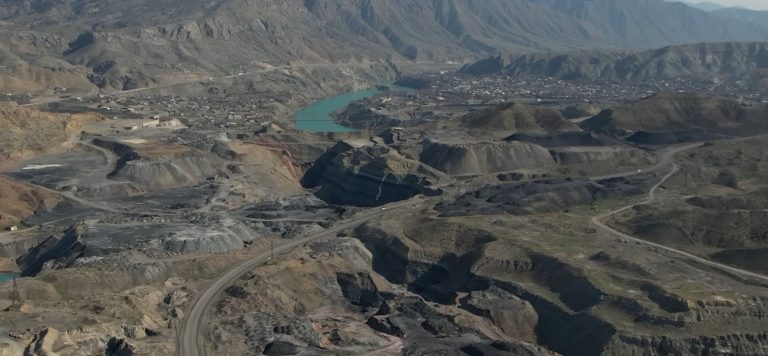
Boom Gorge is one of the most important scenic corridors in Kyrgyzstan. If you travel by road from Bishkek to Issyk-Kul, Balykchy, Cholpon-Ata, or Karakol, there is a good chance you will pass through it, even if you did not plan a separate stop.
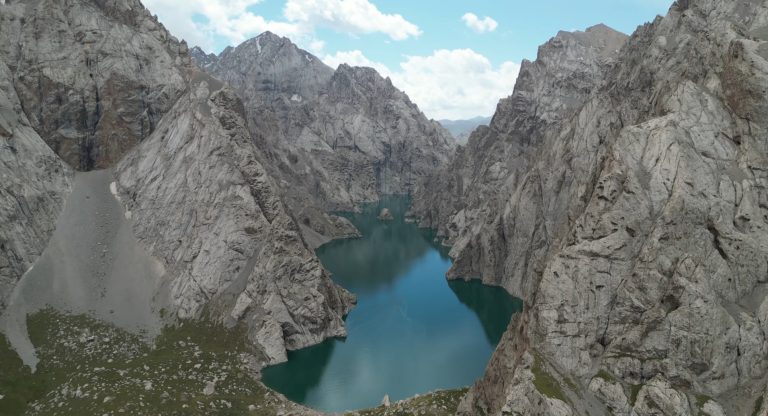
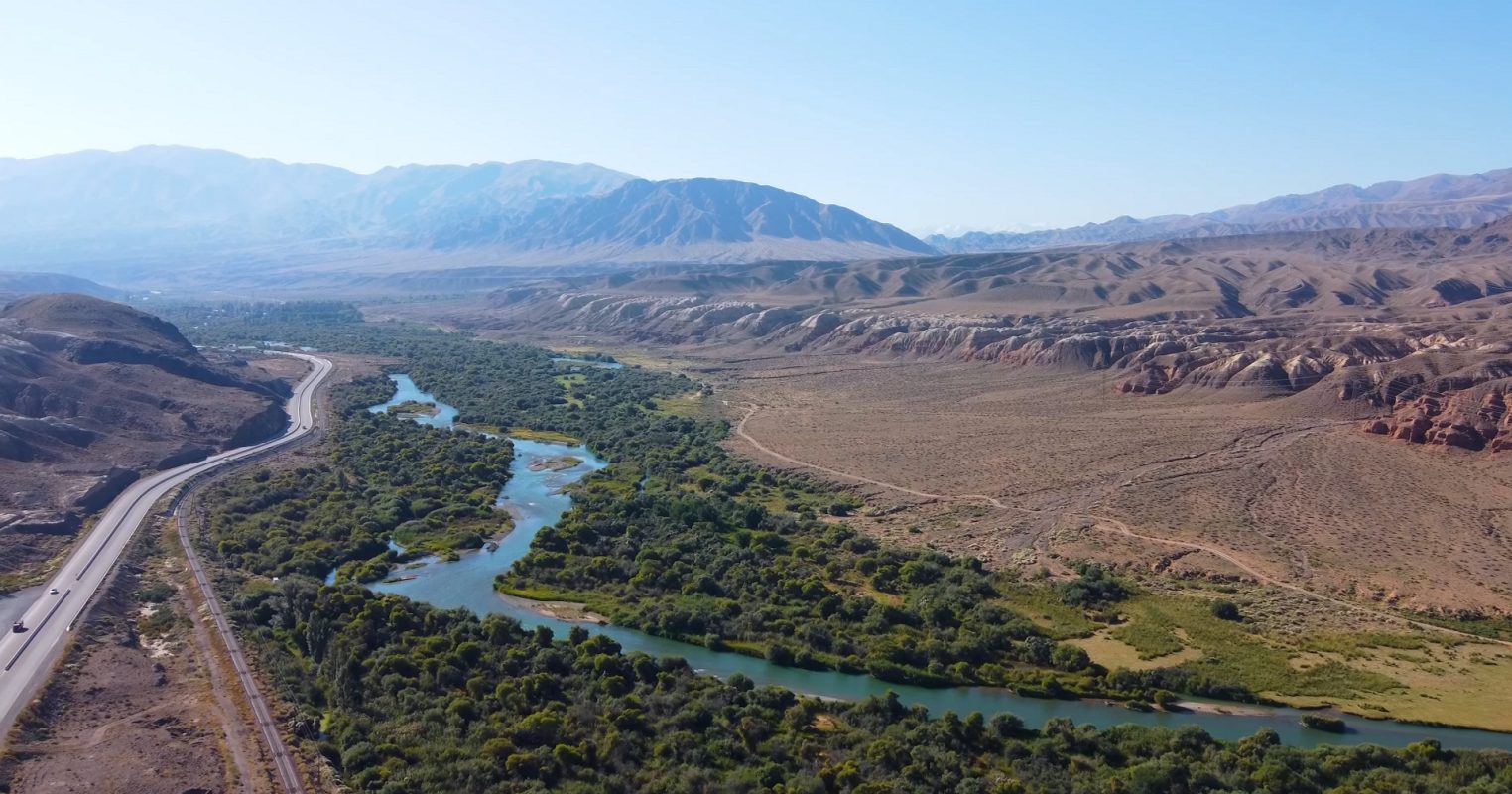
The gorge is more than just a road between two regions. It has steep rocky slopes, the Chu River, a railway line, roadside cafés, canyon hikes nearby, and adventure options such as rafting. It also works as a natural gateway between the Chui Valley and the Issyk-Kul region.
The best way to think about Boom Gorge is this: it is usually better as a scenic stop or part of a larger day trip than as a full standalone destination. If you only drive through, you will see the cliffs and river from the road. If you add Konorchek Canyons, Kok-Moinok Canyons, or Chu River rafting, the gorge becomes a much stronger travel experience.
Quick Answer: Is Boom Gorge Worth Visiting?
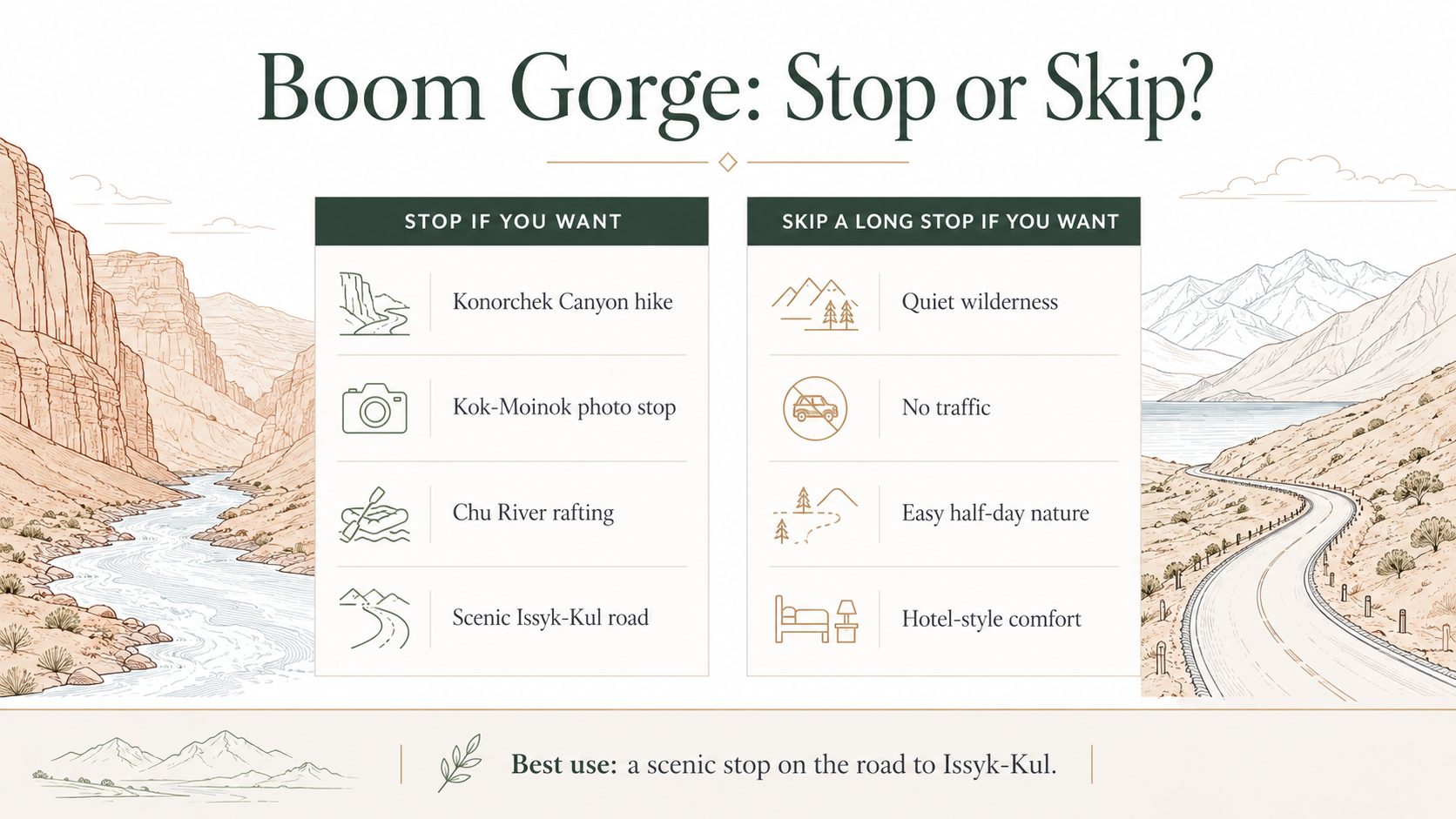
Yes, Boom Gorge is worth visiting, but expectations matter. This is not a quiet remote valley where you wander alone for hours. It is a busy mountain corridor with a highway, railway, river, trucks, local traffic, and travelers heading toward Issyk-Kul.
If you are driving to Issyk-Kul, Boom Gorge is an easy scenic bonus. If you like hiking, it becomes more interesting because Konorchek Canyons are nearby. If you want adventure, the Chu River adds a rafting angle. If you want peaceful nature without traffic, you may prefer Ala-Archa, Chon-Kemin, or mountain valleys around Karakol.
| Traveler type | Should you stop? | Best option |
|---|---|---|
| Driving to Issyk-Kul | Yes | Short scenic stop, roadside café, river view |
| Likes hiking | Yes | Konorchek Canyons from the Red Bridge area |
| Wants canyon photos | Yes | Kok-Moinok or Konorchek Canyons |
| Wants adventure | Yes | Chu River rafting with a proper operator |
| Short on time | Maybe | See it from the road on the way to Issyk-Kul |
| Wants quiet nature | Not ideal | Choose Chon-Kemin, Ala-Archa, or Karakol valleys instead |
For most first-time visitors, the smartest plan is to include Boom Gorge in a route rather than build the entire day around it. The best combinations are Burana Tower plus Konorchek Canyons, Boom Gorge plus Kok-Moinok Canyons, or a private transfer to Issyk-Kul with planned stops.
Where Is Boom Gorge?
Boom Gorge is located east of Bishkek on the main road toward Balykchy and Issyk-Kul. It sits between the Chui region and the Issyk-Kul region and acts as the natural passage between the open valley around Bishkek and the road toward the lake.
The gorge is often described as being about 112 km from Bishkek and around 30 km long. The road, railway, and Chu River all pass through the same narrow mountain corridor, which gives the gorge its distinctive travel feel.
If you take a road trip from Bishkek to Issyk-Kul, Cholpon-Ata, Balykchy, or Karakol, Boom Gorge is usually on the way. You may pass through it by private driver, tour vehicle, rental car, shared taxi, marshrutka, or train toward Balykchy.
This makes Boom Gorge useful for itinerary planning. You do not always need a separate tour just for the gorge. Often, you need to decide whether to simply pass through it or build in extra time for a real stop.
Why Boom Gorge Matters for Travelers
Boom Gorge matters because it is the gateway to Issyk-Kul from Bishkek. Many travelers think about the destination first – Issyk-Kul, Karakol, Cholpon-Ata, or the south shore – and only later realize that the road itself has worthwhile stops.
The scenery changes as you enter the gorge. The road narrows, cliffs rise closer to the highway, and the Chu River runs beside the route. In some places the railway line is also visible, creating a very Kyrgyz road-trip scene: mountains, water, road, train tracks, roadside food, and long-distance traffic all squeezed into one corridor.
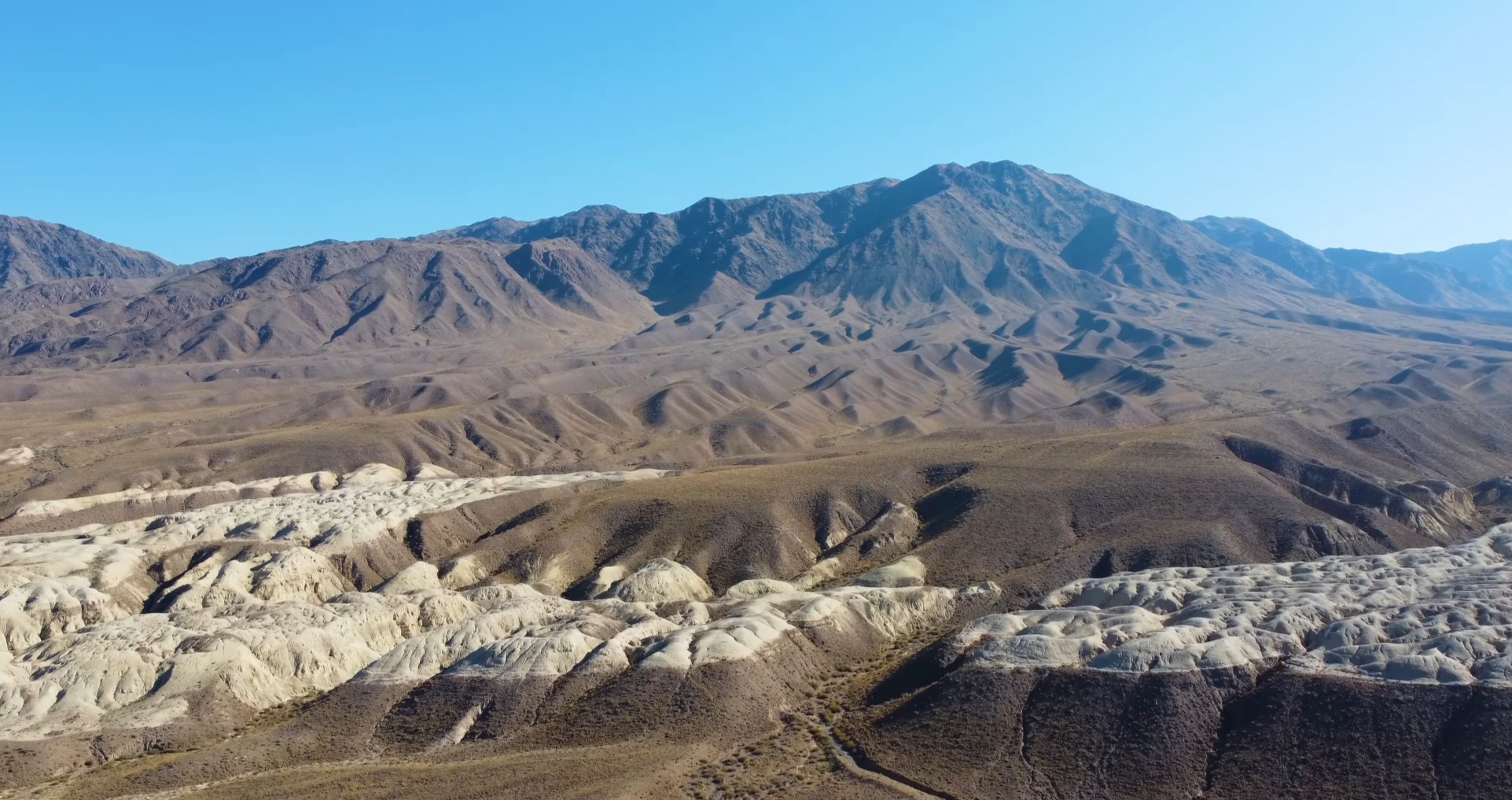
This is also why Boom Gorge is not the best choice if you want pure silence. It is beautiful, but it is not untouched wilderness. You will see cars, trucks, trains, small settlements, roadside cafés, and travelers stopping for tea or photos.
That does not make it less interesting. It just means you should use it correctly. As a stopover, Boom Gorge is excellent. As a canyon-and-roadside day trip, it can be very rewarding. As a full day only to look at the road, it may feel too thin.
Best Things to Do in Boom Gorge
Boom Gorge has several ways to make a stop worthwhile. Some are simple, such as taking photos or stopping for tea. Others need more planning, such as hiking to Konorchek Canyons or rafting on the Chu River.
Drive the scenic road to Issyk-Kul
The simplest way to experience Boom Gorge is to drive through it on the way to Issyk-Kul. This works well if your main goal is the lake and you do not want to add a long hike or activity.
If you have a private driver, ask for one or two safe photo stops. Do not stop randomly on narrow shoulders. The road is busy, and some sections are not ideal for standing beside traffic.
If you are in a marshrutka or shared taxi, you will probably see the gorge from the window but may not stop in the best places. That is fine for a budget transfer, but it is not the same as visiting Boom Gorge properly.
Hike to Konorchek Canyons
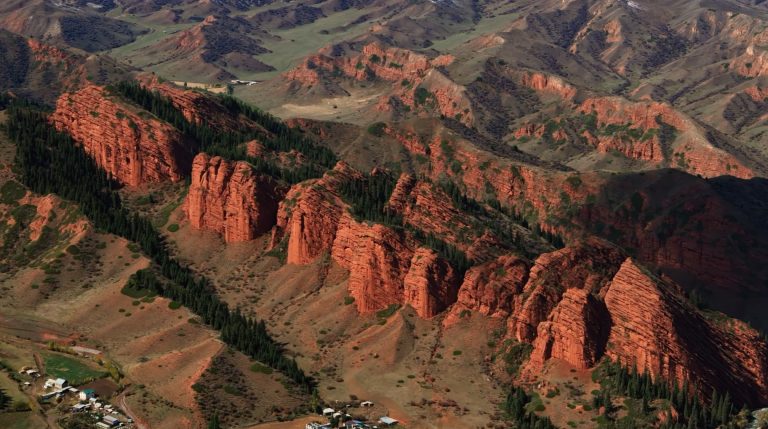
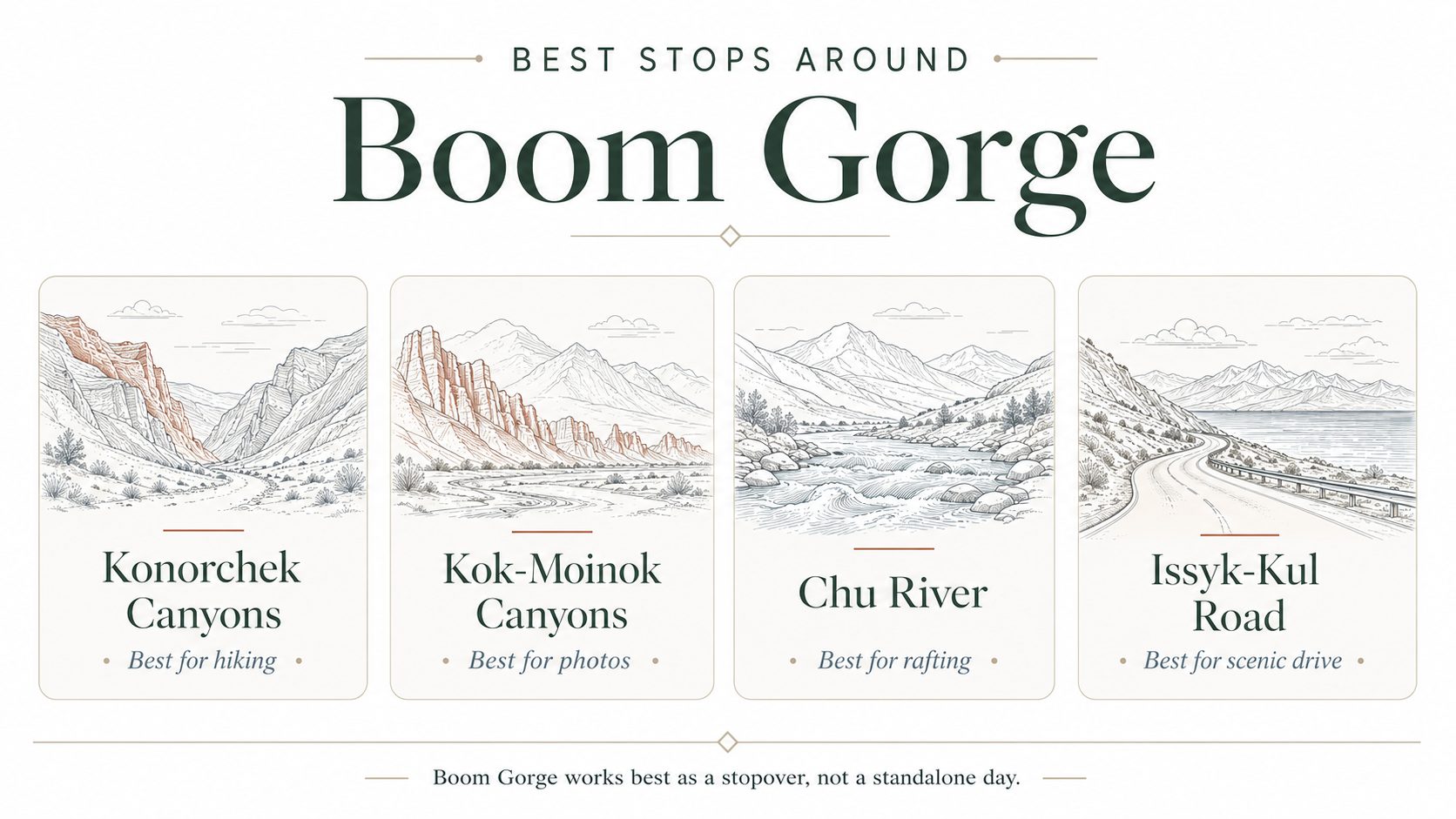
Konorchek Canyons are the strongest reason to turn Boom Gorge into a real day trip. The canyon landscape is dry, red, sculpted, and very different from the green valleys and alpine lakes many travelers expect in Kyrgyzstan.
The usual access point is near the Red Bridge area, often used as a landmark for the hike. The route involves walking through dry canyon terrain, narrow passages, and open sections before reaching the more dramatic formations.
Konorchek works well as a day trip from Bishkek, especially when combined with Burana Tower. If you want that route in more detail, see this guide to the Burana Tower and Konorchek Canyons day trip.
Visit Kok-Moinok Canyons
Kok-Moinok Canyons are another strong stop near the Boom Gorge and Issyk-Kul road. They are less famous than Konorchek but very photogenic, with dry canyon shapes, layered textures, and a desert-like feel.
Kok-Moinok is useful if you want a more canyon-focused day or if you are already heading toward Issyk-Kul. It can also be combined with Boom Gorge and the road toward Balykchy, although the day becomes longer if you are starting and ending in Bishkek.
For travelers who have already seen Ala-Archa or other alpine scenery, Kok-Moinok gives a different side of Kyrgyzstan. It feels drier, warmer, and more sculptural than the classic green mountain valleys.
Try Chu River rafting
The Chu River runs through Boom Gorge and gives the area its adventure travel angle. Rafting here can be exciting, but it should be treated as a guided activity rather than a casual roadside stop.
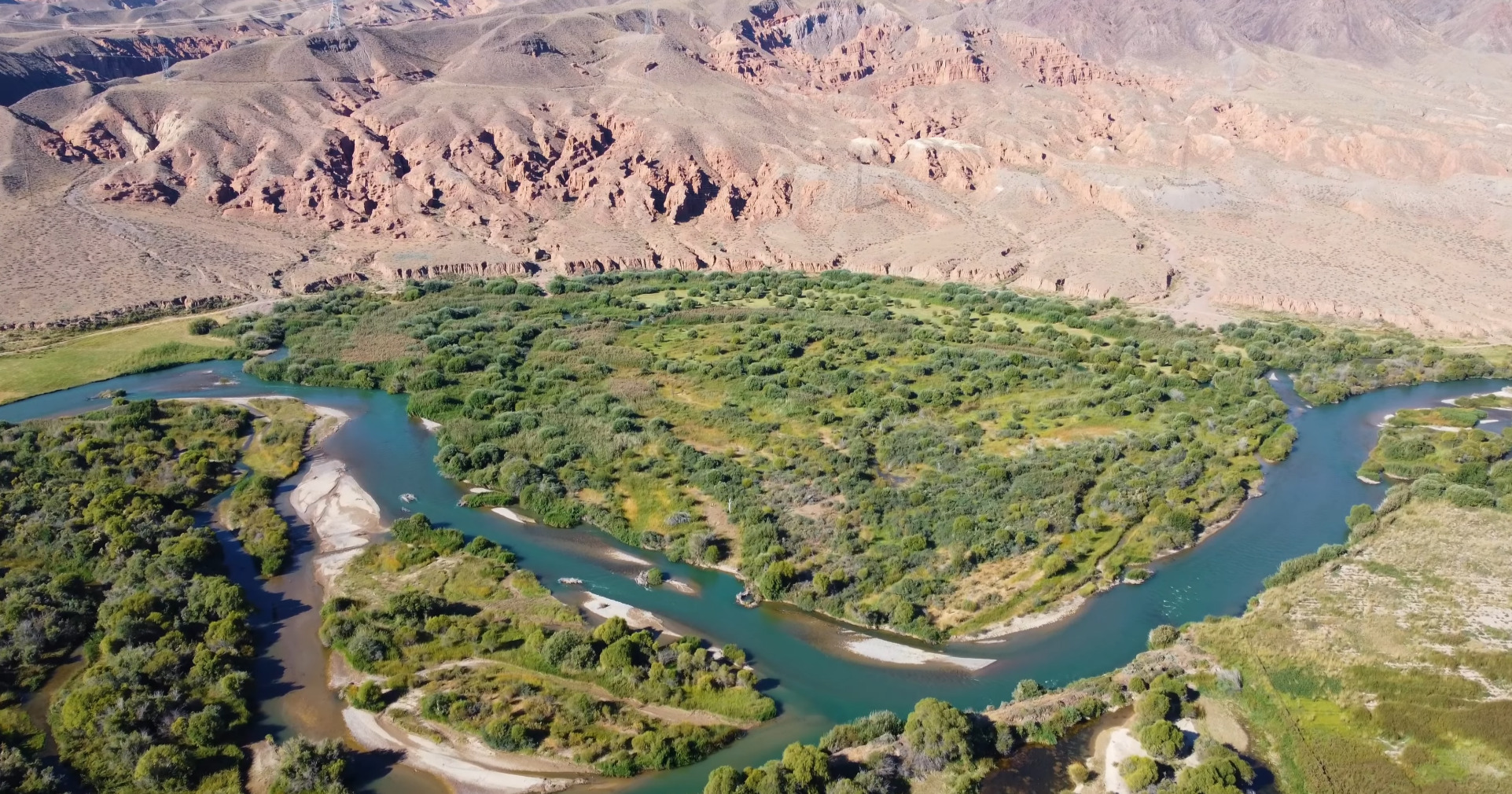
Water levels, season, route section, equipment, and guide quality all matter. If you want to raft in Boom Gorge, book with a proper operator, use safety equipment, and be honest about your experience level.
This is not the right activity to improvise after seeing the river from the road. With the right guide, it can be a memorable addition to a Kyrgyzstan trip. Without proper planning, it is not worth the risk.
Stop for photos, tea, or roadside cafés
Many travelers use Boom Gorge as a short rest stop. You may find roadside cafés, simple food, tea, and places where drivers pause before continuing toward Issyk-Kul.
This is not a major attraction, but it is part of the road-trip experience. If your route is long, a short stop in or near the gorge can break the drive and give you a better feel for the landscape.
See Boom Gorge by train
The train toward Balykchy offers a slower and more old-fashioned way to see the corridor. You get views of the road, river, mountains, and railway route without needing to drive.
The downside is flexibility. A train is not good if you want to hike Konorchek, stop at Kok-Moinok, take photos in specific places, or adjust your route. For sightseeing stops, a private driver or day tour is much easier.
Boom Gorge and Konorchek Canyons
If you want Boom Gorge to feel like a full travel experience, add Konorchek Canyons. This is the best nearby hiking stop and the most natural way to turn the gorge from a drive-through landscape into a day trip.
The common route from Bishkek combines Burana Tower, the drive through or near Boom Gorge, and the hike into Konorchek Canyons. This gives you history, road scenery, and canyon hiking in one day.
Konorchek is also a good choice because it does not feel like the rest of the classic Kyrgyzstan mountain itinerary. Instead of alpine lakes and green pastures, you get dry red formations, eroded walls, and a more desert-like landscape.
The hike can be hot and exposed in summer, so bring water, sun protection, and shoes you do not mind getting dusty. It is not the hardest hike in Kyrgyzstan, but it is still a real walk, not just a five-minute viewpoint.
Best Way to See Boom Gorge Properly
A day trip that combines Burana Tower, Konorchek Canyons, and Boom Gorge is usually more rewarding than simply driving through the gorge. It gives you history, canyon scenery, and the classic road to Issyk-Kul in one route.
Boom Gorge and Kok-Moinok Canyons
Kok-Moinok Canyons are a strong option if you want a scenic photo stop near the road to Issyk-Kul. They are often included in longer day trips that combine Boom Gorge, canyon scenery, and sometimes Issyk-Kul itself.
Compared with Konorchek, Kok-Moinok can feel more like a visual stop than a full hike, depending on the route and guide. It is a good add-on if you want canyon photos without building the entire day around one hiking trail.
The downside is time. If you try to combine Bishkek, Boom Gorge, Kok-Moinok, Issyk-Kul, and return to Bishkek in one day, it becomes a long trip. This can work, but it is not a relaxed day.
If you are continuing to Cholpon-Ata, Balykchy, or Karakol rather than returning to Bishkek, Kok-Moinok makes more sense. You can use it as an interesting stop on the way instead of a long out-and-back detour.
How to Visit Boom Gorge from Bishkek
Boom Gorge is easy to reach from Bishkek because it lies on the main route toward Issyk-Kul. The question is not whether you can get there. The question is how much flexibility you want once you arrive.
| Transport option | Best for | Main downside |
|---|---|---|
| Private driver | Stops, photos, Konorchek, Kok-Moinok, Issyk-Kul transfer | Costs more than public transport |
| Day tour | First-time visitors who want an easy route | Less flexible than a fully private route |
| Rental car | Independent travelers comfortable with local roads | You need road confidence and safe stopping judgment |
| Shared taxi or marshrutka | Budget transfer to Issyk-Kul or Balykchy | Hard to stop properly for sights |
| Train to Balykchy | Slow scenic travel feel | Not useful for canyon stops or flexible sightseeing |
If you only need transport to Issyk-Kul, shared taxis and marshrutkas are cheaper. If you want to stop at Boom Gorge, Konorchek, or Kok-Moinok, a private driver or tour is much better.
This is exactly the kind of route where private transport adds value. The distance is not the only issue. The value comes from safe stops, timing, local road knowledge, and the ability to combine several places. For cost planning, see this guide to private driver costs in Kyrgyzstan.
Best Boom Gorge Day Trip Ideas
Boom Gorge works best when paired with something else. These are the most useful route ideas from Bishkek or on the way to Issyk-Kul.
| Route idea | Best for | Typical time |
|---|---|---|
| Bishkek – Burana Tower – Konorchek – Boom Gorge – Bishkek | First-time visitors | 8-10 hours |
| Bishkek – Boom Gorge – Kok-Moinok – Issyk-Kul | Scenic road trip | 10-12 hours if returning to Bishkek |
| Bishkek – Konorchek – Kok-Moinok | Canyon-focused day | 9-11 hours |
| Boom Gorge rafting day | Adventure travelers | Half-day or full-day depending on operator |
| Bishkek – Boom Gorge – Chon-Kemin | Softer nature route | Full day |
| Bishkek to Karakol with Boom Gorge stop | Efficient longer itinerary | Add 1-3 hours to the transfer |
For most travelers, the Burana Tower plus Konorchek route is the cleanest day trip from Bishkek. If your main goal is Issyk-Kul, Boom Gorge becomes a scenic stop on the way rather than the main event. For more route ideas from the capital, see this guide to the best day trips from Bishkek.
Best Time to Visit Boom Gorge
Boom Gorge is more accessible than high-altitude destinations such as Song Kul, Kel-Suu, or some remote mountain passes. The main road is used throughout the year, but season still affects your experience.
| Season | What to expect | Best for |
|---|---|---|
| Spring | Fresh colors, variable weather, possible mud in canyon areas | Hiking and photography with flexibility |
| Summer | Hot, dry, busy road traffic toward Issyk-Kul | Road trips, canyon stops, rafting with proper operator |
| Autumn | Clearer light, cooler hiking weather, less heat | Best overall for canyon walks and photos |
| Winter | Dramatic scenery, colder weather, possible road delays | Transit views, not casual canyon hiking for everyone |
Spring and autumn are often the most pleasant for canyon walking. Summer is popular because many people are already heading to Issyk-Kul, but the canyon areas can be hot and exposed. Winter can be beautiful, but road conditions and weather should be treated with more caution.
If you are planning a larger itinerary around Kyrgyzstan, check the broader seasonal advice in this guide to the best time to visit Kyrgyzstan.
Safety and Road Conditions in Boom Gorge
Boom Gorge is a heavily traveled route, but it still deserves respect. The road passes through steep rocky terrain, and temporary delays can happen because of roadworks, rockfall prevention, traffic, weather, or construction.
If you are traveling with a driver or tour, this is usually easy to manage. If you are driving yourself, avoid stopping in unsafe places, blind curves, narrow shoulders, or areas where rocks may fall from the slope above.
- Do not stand on the road shoulder for photos if traffic is close.
- Be careful near the railway line.
- Do not approach the Chu River casually, especially in fast-water sections.
- Carry water if hiking in canyon areas.
- Use sun protection in summer.
- Leave extra time if traveling to the airport after returning from Issyk-Kul.
- Expect possible delays from roadworks or rockfall prevention.
Do not plan a tight airport connection after a long drive from Issyk-Kul through Boom Gorge. The road is important and well-used, but delays can happen, especially during roadworks, heavy traffic, bad weather, or rockfall prevention work.
For rafting, safety matters even more. Book with a real operator, use proper gear, and do not treat the Chu River as a casual swim stop. The river is powerful in sections and should be approached with local guidance.
Is Boom Gorge Better as a Stop or a Tour?
Boom Gorge is better as a stop if you are already traveling to Issyk-Kul. In that case, you can add a short photo break, tea stop, or quick scenic pause without changing your route much.
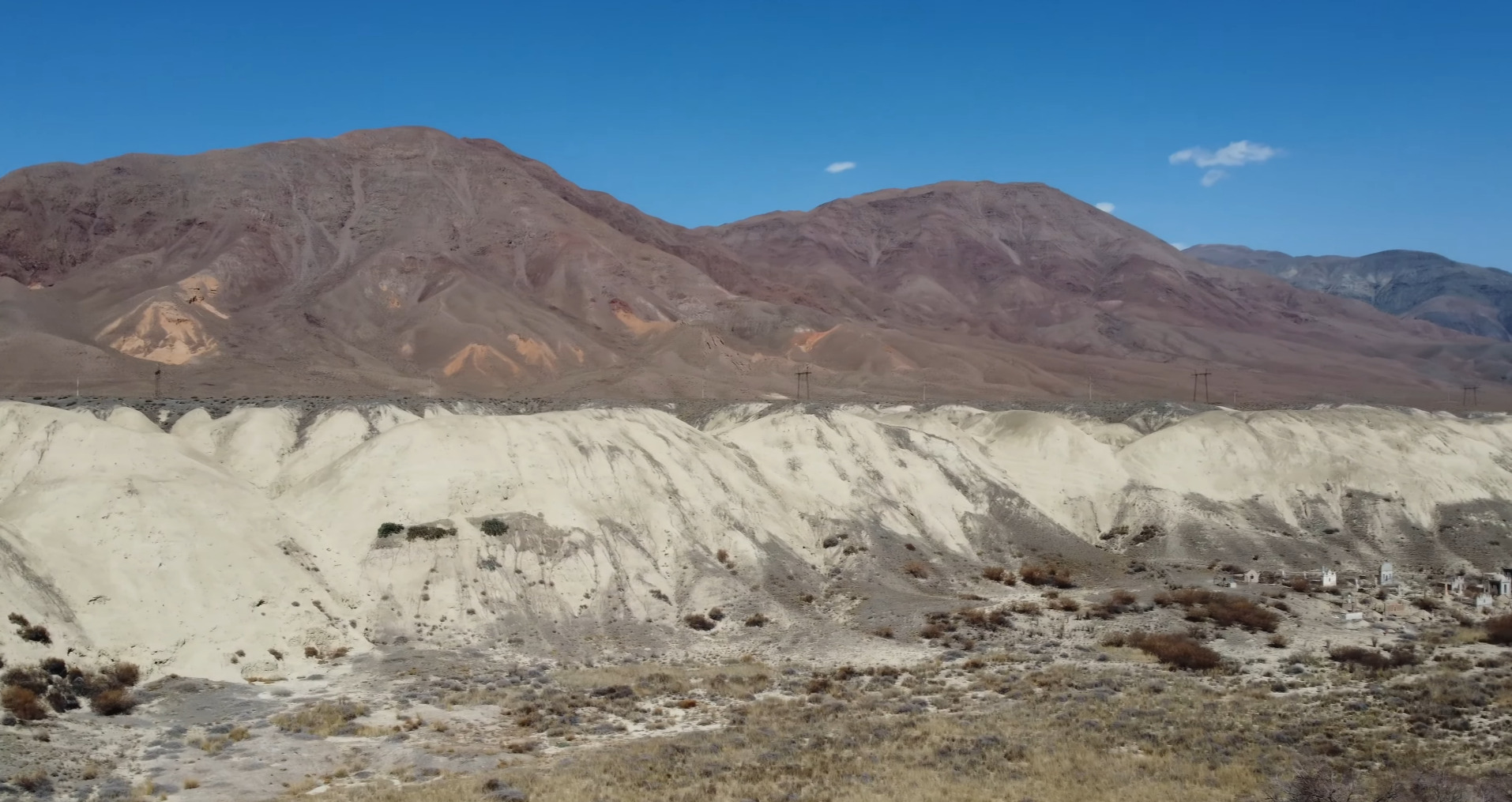
It is better as a tour if you want to add Konorchek Canyons, Kok-Moinok Canyons, Burana Tower, rafting, or a private road trip with planned stops. These additions turn the gorge into a real experience rather than just a view from the car window.
It is usually not worth a full day if your only plan is to drive from Bishkek, look at the gorge, and drive back. The scenery is good, but the day becomes stronger when you add a canyon hike, cultural stop, or adventure activity.
The best choice for most first-time visitors is a day trip that includes Burana Tower, Konorchek Canyons, and Boom Gorge. The best choice for travelers going onward to Issyk-Kul is a private transfer with one or two planned stops.
Boom Gorge vs Other Easy Trips from Bishkek
If you are choosing between several easy trips from Bishkek, Boom Gorge has a specific role. It is best for road-trip scenery, canyon access, and routes toward Issyk-Kul. It is not the easiest place for a quiet mountain walk or a simple half-day escape.
| If you want… | Choose… | Why |
|---|---|---|
| The easiest mountain scenery near Bishkek | Ala-Archa | Closer to the city and easier for a half-day or full-day nature trip. |
| History plus canyon hiking | Burana Tower and Konorchek | One of the best day-trip combinations from Bishkek. |
| A road trip to a major lake | Issyk-Kul | Boom Gorge is naturally on the way. |
| A softer green valley | Chon-Kemin | Better for peaceful rural scenery and a slower pace. |
| A scenic transit stop | Boom Gorge | Best when combined with the road to Issyk-Kul or nearby canyons. |
If you have only one easy mountain day from Bishkek, Ala-Archa may be simpler. If you want a more varied road trip with history and canyon landscapes, Burana, Konorchek, and Boom Gorge make a stronger combination.
FAQ About Boom Gorge
Where is Boom Gorge in Kyrgyzstan?
Boom Gorge is east of Bishkek on the main road toward Balykchy and Issyk-Kul. It connects the Chui Valley with the Issyk-Kul region and is crossed by the highway, railway, and Chu River.
Is Boom Gorge worth visiting?
Yes, Boom Gorge is worth visiting if you are already traveling to Issyk-Kul or if you add Konorchek Canyons, Kok-Moinok Canyons, or rafting. It is less rewarding as a full standalone trip if you only plan to look at the road and return to Bishkek.
Is Boom Gorge on the way to Issyk-Kul?
Yes. Boom Gorge is on the main road from Bishkek toward Balykchy and Issyk-Kul. Many travelers pass through it on the way to Cholpon-Ata, Karakol, or other places around the lake.
Can you visit Boom Gorge from Bishkek in one day?
Yes, Boom Gorge can be visited from Bishkek in one day. The best day trips usually combine it with Burana Tower, Konorchek Canyons, Kok-Moinok Canyons, or a route toward Issyk-Kul.
What can you do in Boom Gorge?
You can drive the scenic road, stop for photos, visit nearby Konorchek Canyons, add Kok-Moinok Canyons, go rafting on the Chu River with a proper operator, or use the gorge as a scenic stop on the way to Issyk-Kul.
Is Konorchek Canyon in Boom Gorge?
Konorchek Canyons are closely associated with the Boom Gorge area and are commonly reached from the road near the gorge. For travelers, they work as the main hiking stop to combine with Boom Gorge.
Can you go rafting in Boom Gorge?
Yes, rafting is possible on the Chu River in the Boom Gorge area, but it should be done with a proper guide or operator. Water conditions, safety gear, season, and route section all matter.
Do you need a guide for Boom Gorge?
You do not need a guide just to drive through Boom Gorge. A guide or organized tour is useful if you want to hike Konorchek, visit multiple canyon stops, arrange rafting, or avoid planning transport and timing yourself.
Is Boom Gorge safe to drive?
Boom Gorge is a major road corridor and is heavily used, but drivers should still be careful. Watch for traffic, narrow shoulders, roadworks, weather, and possible rockfall prevention work. Avoid unsafe roadside stops.
What is the best stop in Boom Gorge?
For most travelers, the best stop connected with Boom Gorge is Konorchek Canyons. It adds a real hike and dramatic canyon scenery, making the trip much more rewarding than only driving through the gorge.