Cholpon-Ata, Kyrgyzstan: Beaches, Petroglyphs and Travel Guide
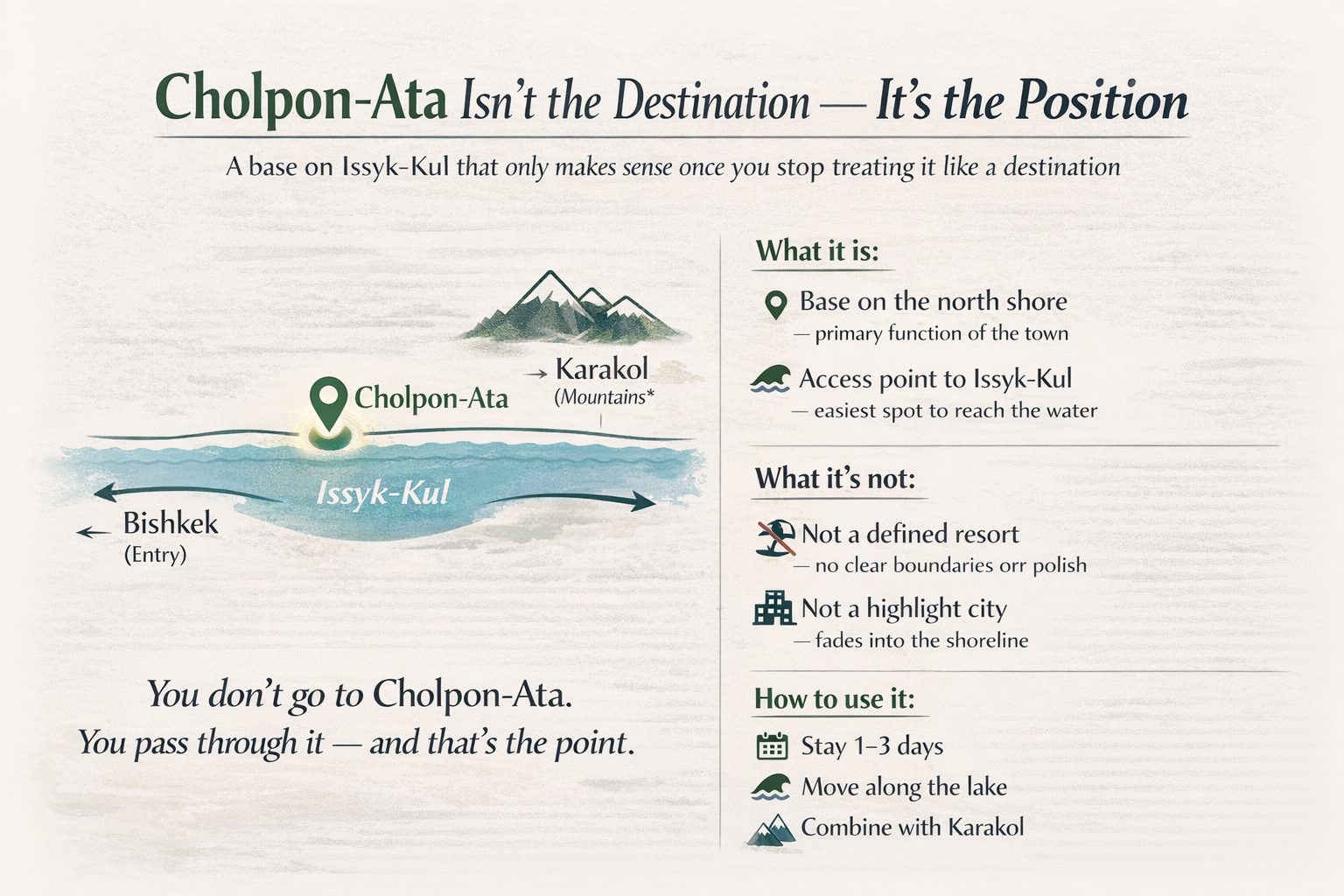
Cholpon-Ata is the easiest place to organize a classic Issyk-Kul lake stay. It has public beaches, hotels and sanatoriums, restaurants, water activities, regular transport along the north shore, and two cultural sights that are worth more than a quick stop: the Cholpon-Ata petroglyph field and Rukh Ordo.
The town itself is not a compact historic resort where every attraction sits around one promenade. It spreads along the lake road, and the quality of the experience depends heavily on where you stay and what you want from the trip. Central Cholpon-Ata is practical for transport and cultural sights. Bosteri is livelier for beaches and family entertainment. Quieter properties outside the center work better if the lake matters more than nightlife or convenience.
This guide explains what to do in Cholpon-Ata, how many days you need, how to reach it from Bishkek or Karakol, what accommodation usually costs, and whether it is a better base than Karakol for your Issyk-Kul route.
Cholpon-Ata at a Glance
| Planning question | Practical answer |
|---|---|
| Best known for | Issyk-Kul beaches, summer resort life and the open-air petroglyph site |
| Best length of stay | 1–3 days |
| Best months | June–September for swimming; May and October for a quieter visit |
| From Bishkek | About 3.5–5 hours by marshrutka, shared taxi or private car |
| From Karakol | About 2–3 hours along the north shore |
| Main cultural sights | Petroglyph open-air museum and Rukh Ordo |
| Best for | Lake holidays, families, relaxed routes and first-time Issyk-Kul visitors |
| Less suitable for | Travelers whose main priority is trekking and alpine scenery |
Is Cholpon-Ata Worth Visiting?
Yes, Cholpon-Ata is worth visiting when it fits the type of Issyk-Kul trip you want. It is the most convenient north-shore base for travelers who want beaches, a broad choice of accommodation, straightforward road transport and a few cultural stops without building a complicated itinerary.
It is less convincing as a long detour only to photograph the town. Cholpon-Ata is useful because it gives you access to the lake and the wider north shore. The value is in combining the beach, the petroglyphs, Rukh Ordo and nearby day trips rather than expecting one dominant attraction.
Cholpon-Ata works well if you:
- want easy access to Issyk-Kul beaches;
- prefer a relaxed stay rather than a trekking base;
- are traveling with children or less-active companions;
- want a broad range of hotels, guesthouses and sanatoriums;
- are traveling between Bishkek and Karakol;
- want to combine lake time with cultural sights.
Consider another base if you:
- want mountain hiking to be the main part of each day;
- prefer a quiet village to a busy summer resort;
- expect a compact, polished European-style beach town;
- are visiting Issyk-Kul only for the south-shore canyons and valleys.
For a wider comparison of lake routes and tour lengths, see the guide to Issyk-Kul tours.
We may earn a commission if you book through links on this page, at no extra cost to you.
Best If You Only Have One Day
Visit Cholpon-Ata Without Changing Hotels
If you are staying in Bishkek and do not have time for an overnight lake stay, this private day trip covers the main Cholpon-Ata sights together with Burana Tower and the drive through Boom Gorge.
- Pickup and return at your Bishkek accommodation
- Cholpon-Ata petroglyph field and Rukh Ordo
- Burana Tower, Issyk-Kul and Boom Gorge
- Private vehicle, English-speaking guide, lunch and entry fees
- Boat trip or hot-spring stop when conditions allow
The trade-off: This is a practical overview, not a relaxed lake holiday. The advertised duration is 7–9 hours, but road conditions and the number of stops can make it a considerably longer day.
Best Things to Do in Cholpon-Ata
A good Cholpon-Ata stay is simple: visit the cultural sights when the light and temperature are comfortable, then leave enough time for the lake. Trying to fill every hour usually makes the town feel less enjoyable, not more.
Spend Time on Issyk-Kul Beaches
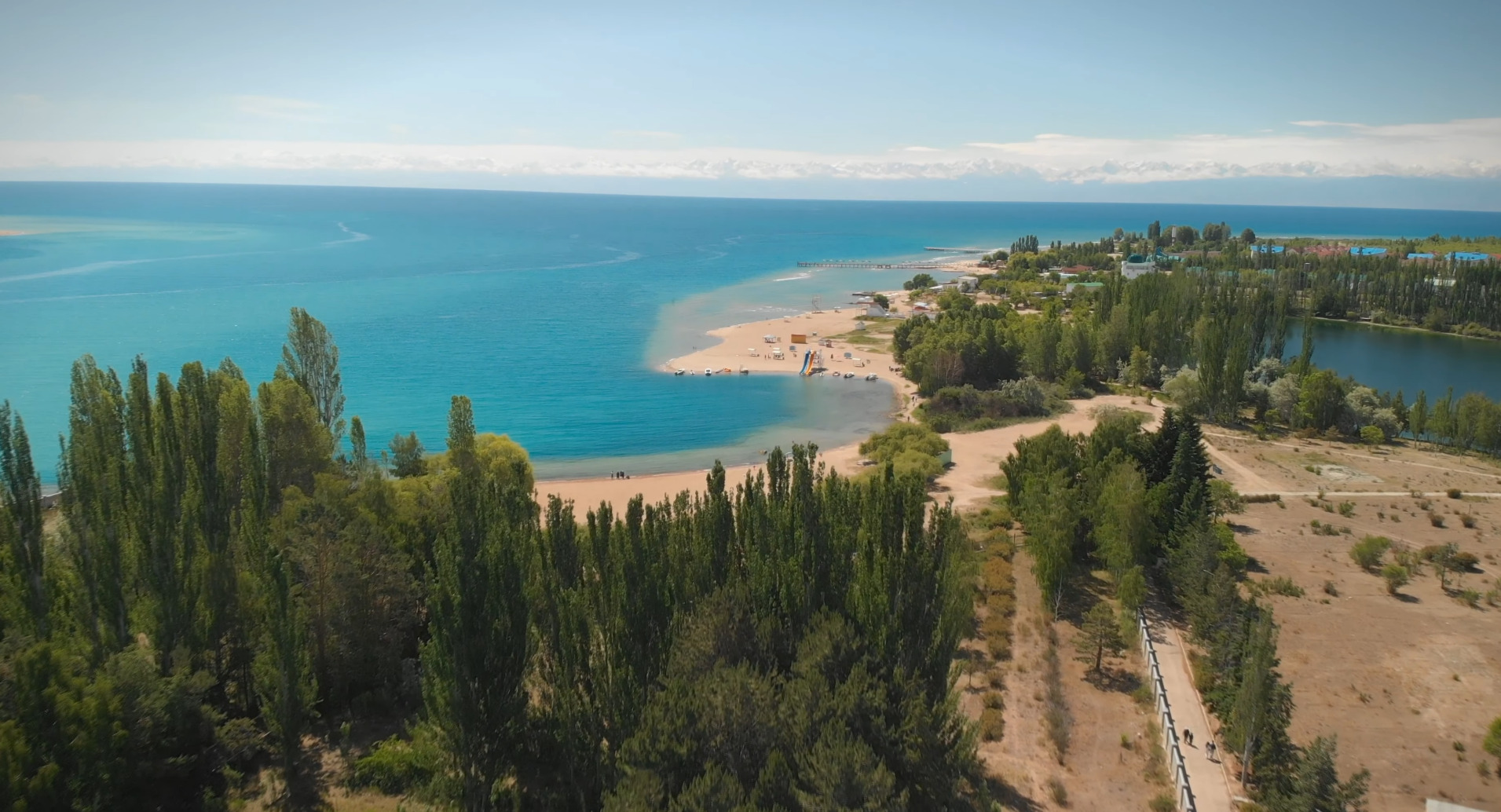
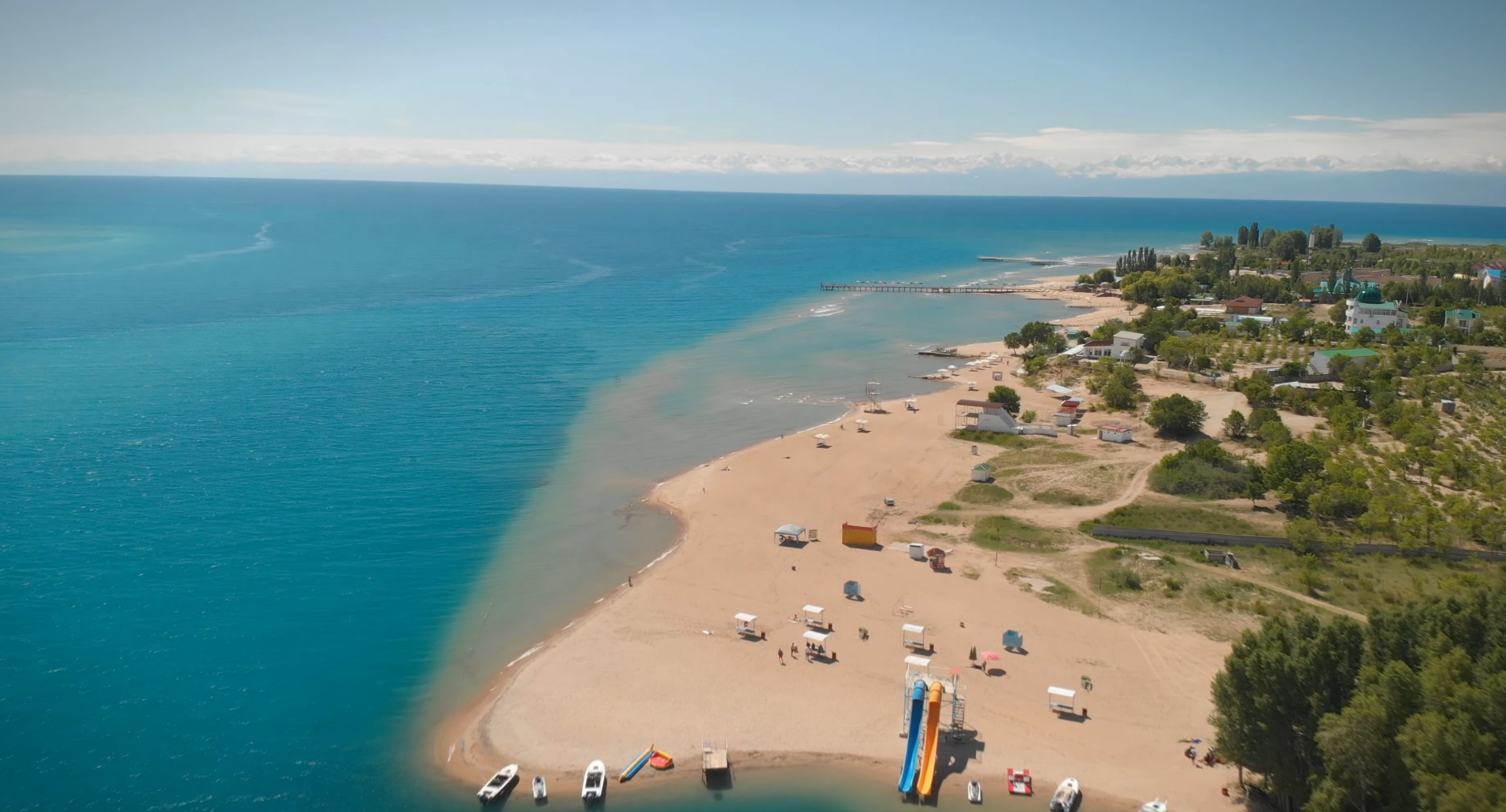
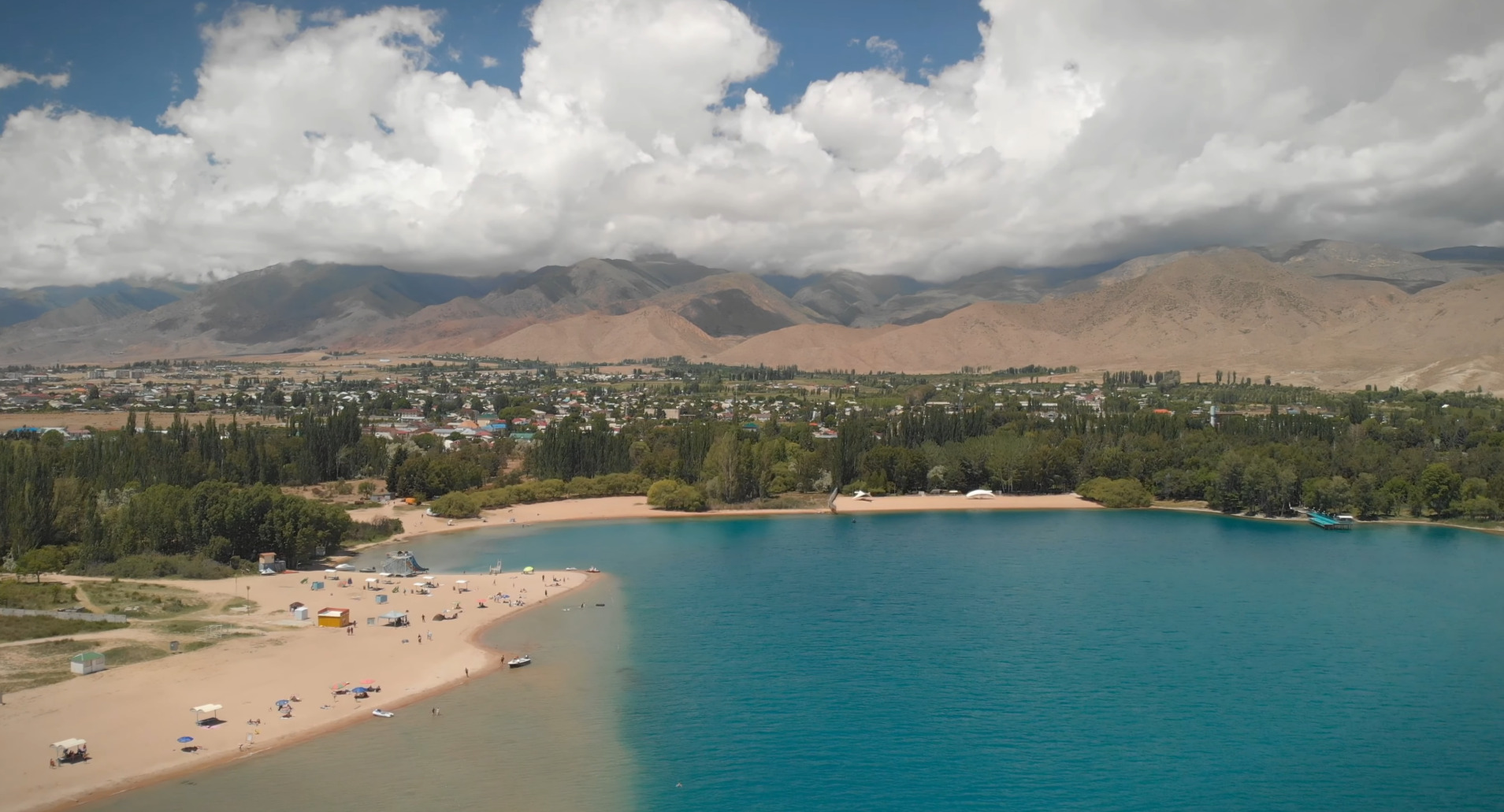
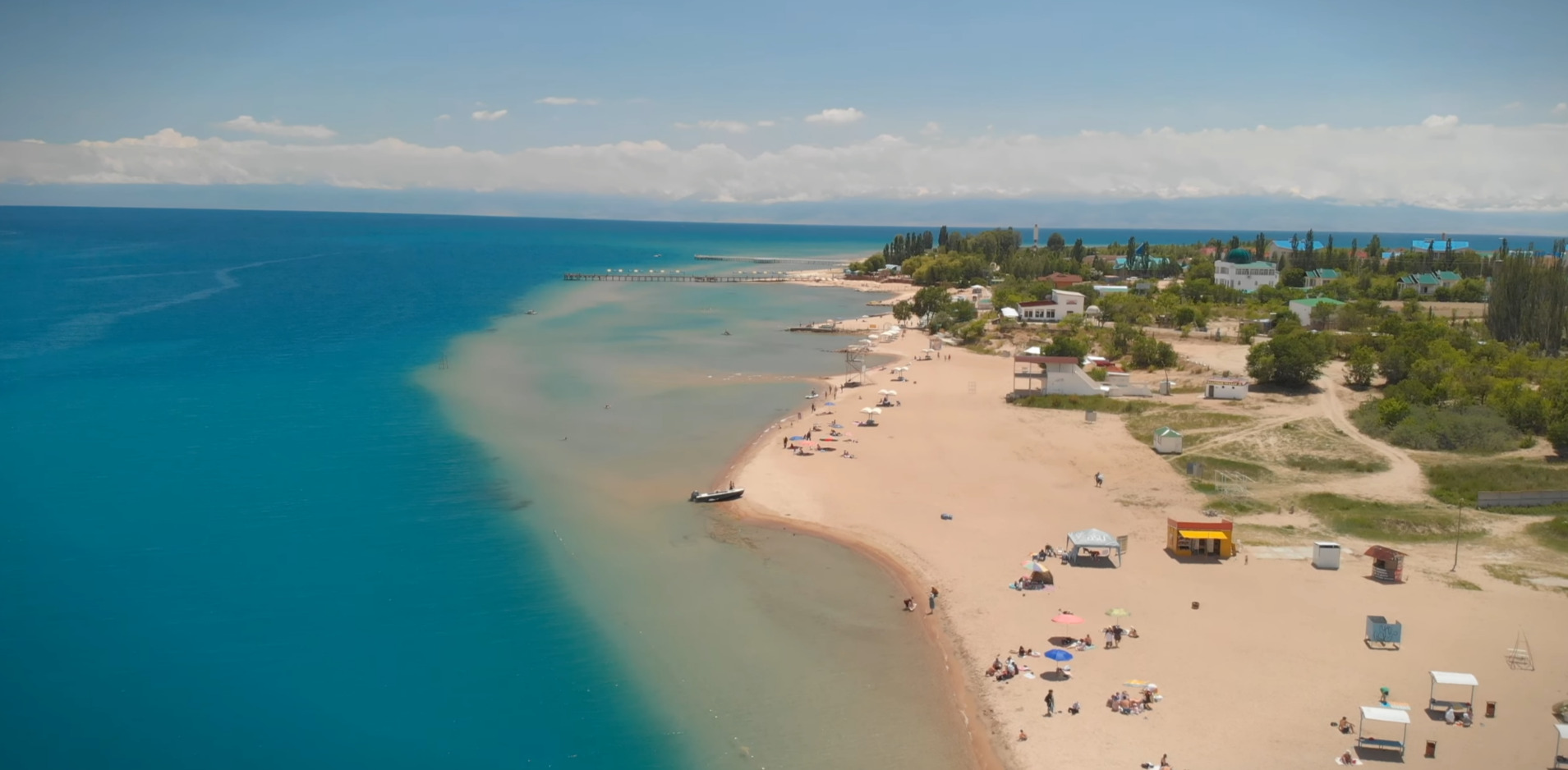
The beaches are the main reason most people stay in Cholpon-Ata. Conditions vary by property and section of shoreline. Some beaches are sandy and organized, with loungers, changing areas and seasonal water activities. Others have mixed sand and pebbles with fewer facilities.
Central beaches are convenient if you stay in town, while Bosteri, east of Cholpon-Ata, generally has a livelier family-resort atmosphere. In July and August, popular sections can become busy, especially in the afternoon. Go earlier for calmer water, easier parking and more space.
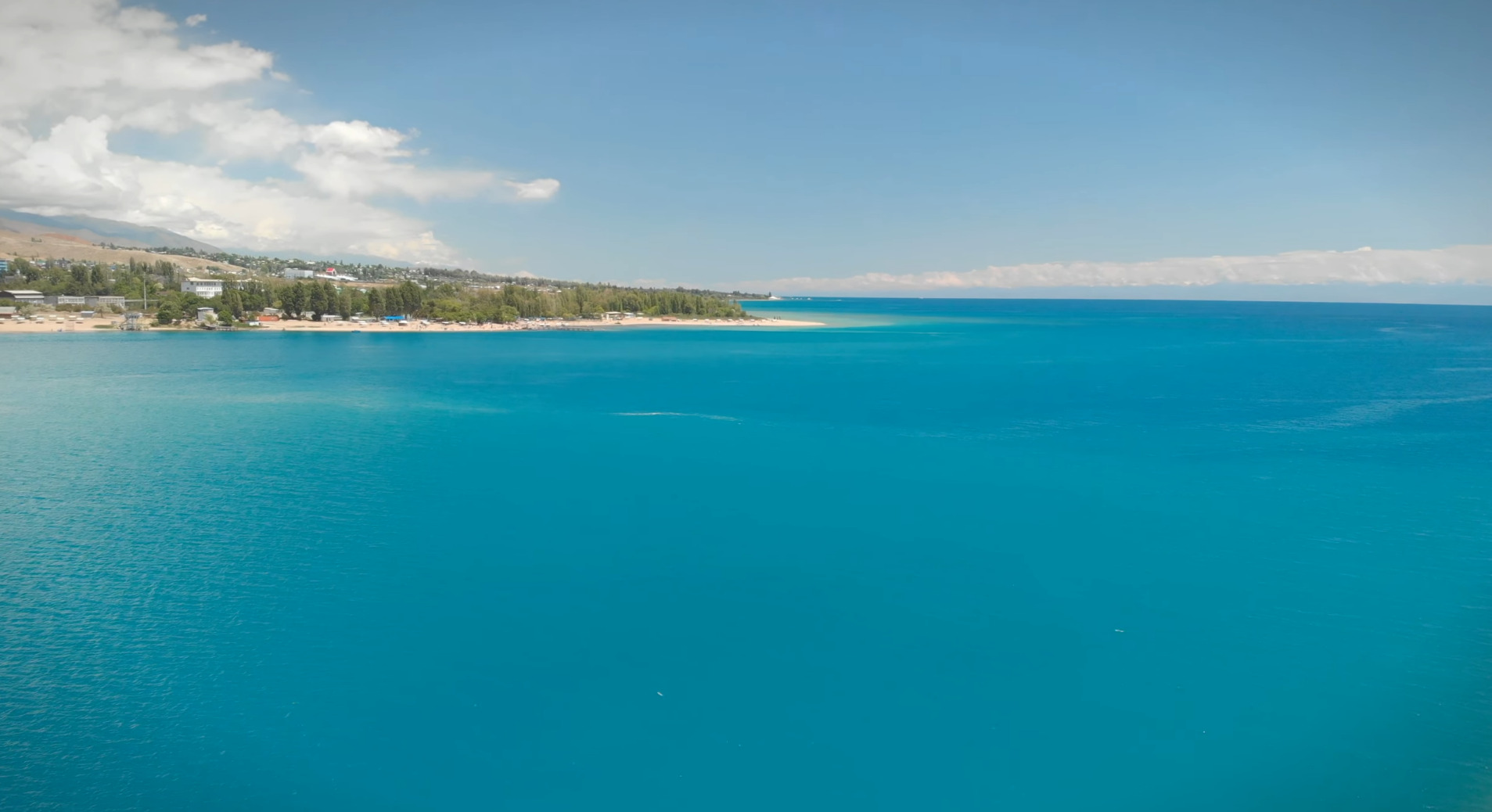
Swimming conditions depend on weather, wind and the exact beach. The main body of Issyk-Kul normally remains ice-free in winter, although shallow bays and near-shore areas can freeze during cold periods. The normal swimming season is much shorter, with the warmest and most active beach period in July and August.
Visit the Cholpon-Ata Petroglyph Field
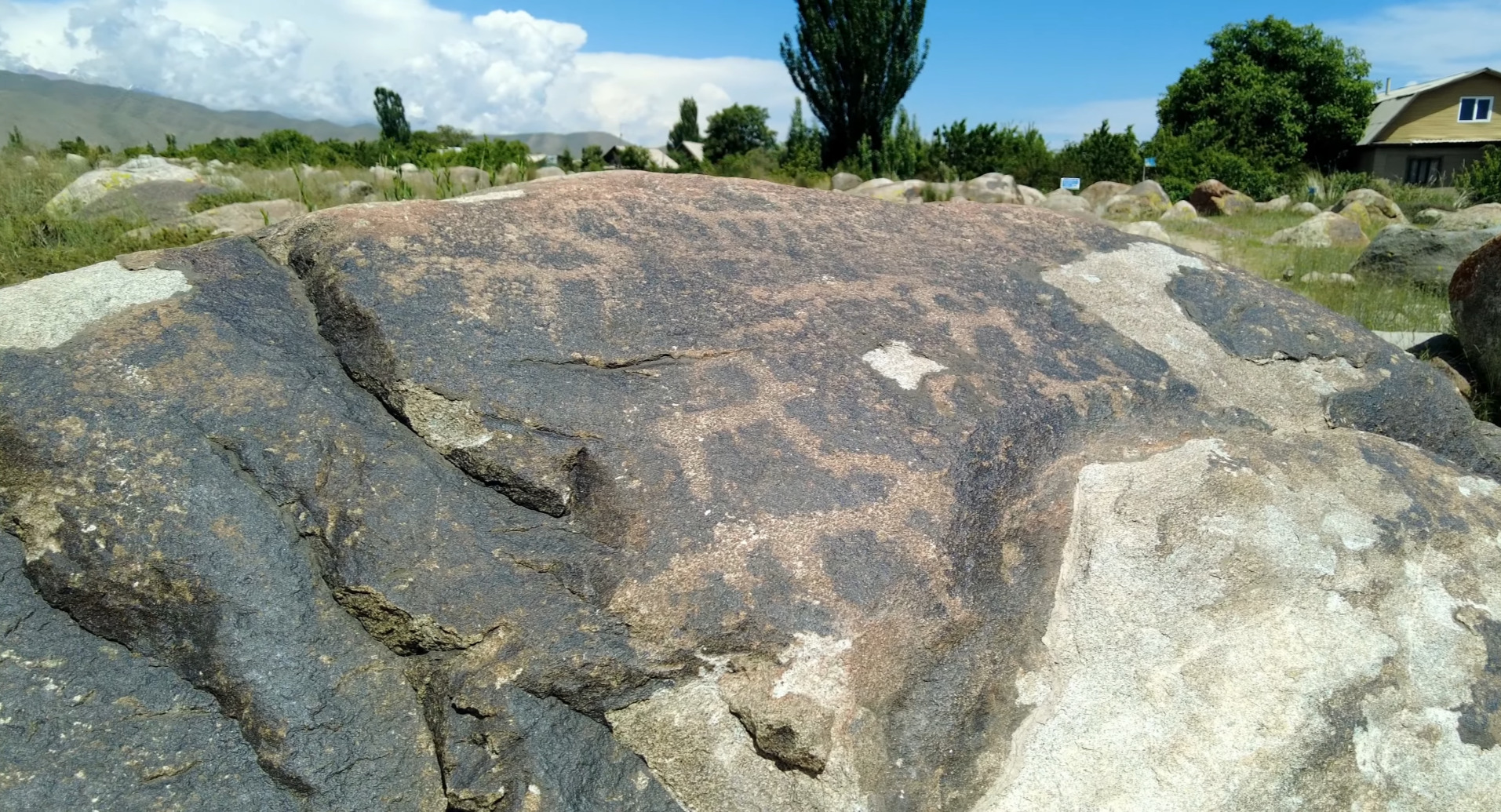
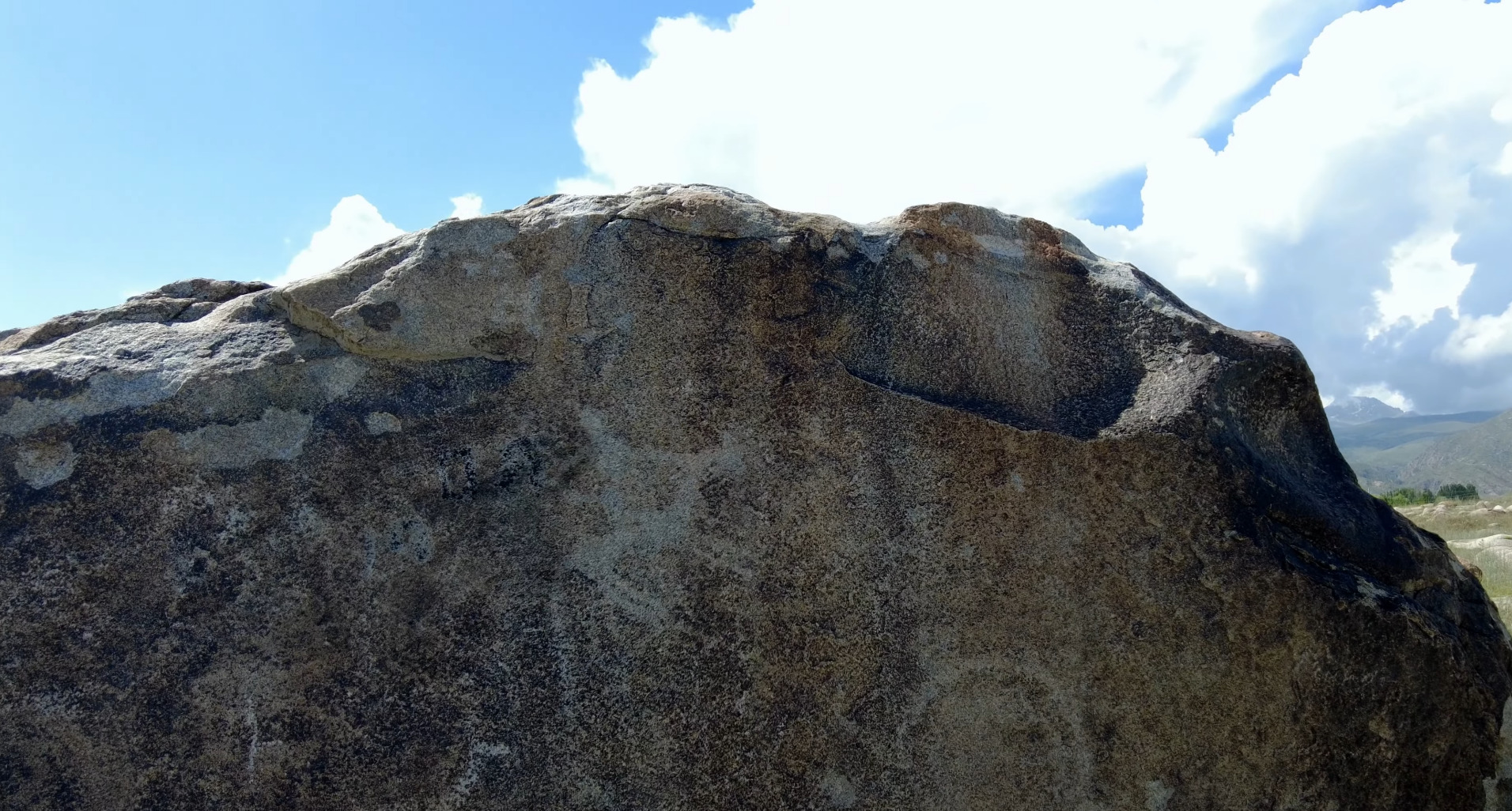
The open-air petroglyph site is the strongest cultural reason to stop in Cholpon-Ata. More than 2,000 carvings are scattered across a broad field of glacial boulders. The images come from different periods and include ibex, deer, hunting scenes, animals and symbolic forms.
The site is roughly 3 km from central Cholpon-Ata. A taxi is the easiest option, although active travelers can walk if the weather is not too hot. Allow around 1–2 hours. There is very little shade, so early morning or late afternoon usually works better than midday.
What the petroglyph site is like
This is not a tightly organized indoor museum. The stones cover a wide open area, signs are limited, and some carvings are much easier to recognize than others. A guide adds historical context, but an independent visit is still worthwhile if you move slowly and use the marked route.
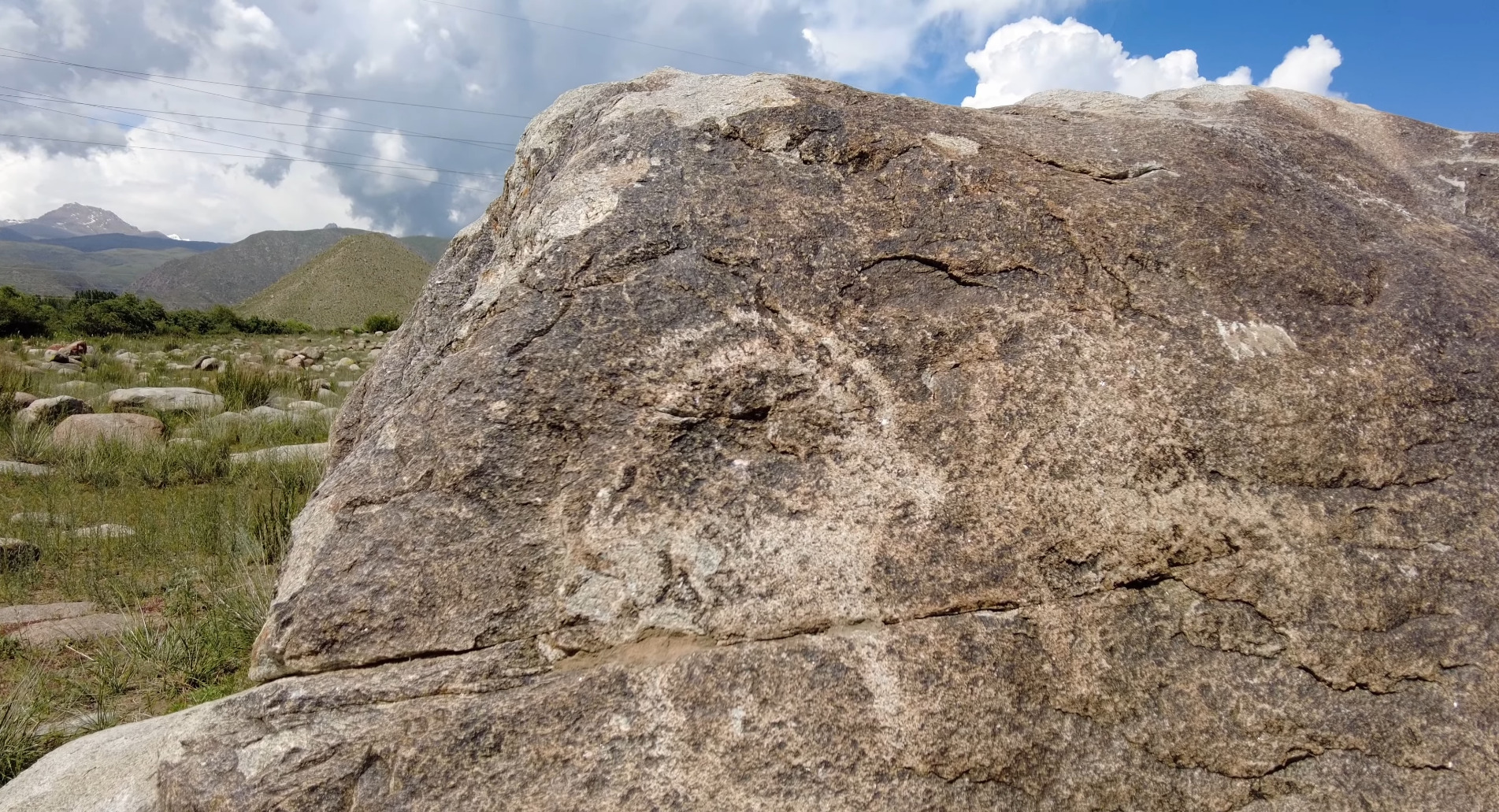
Entry is inexpensive, but fees and opening hours can change. Treat any price found online as an approximate planning figure and confirm locally. Around one hour is enough for a focused visit; two hours suit travelers interested in archaeology or photography.
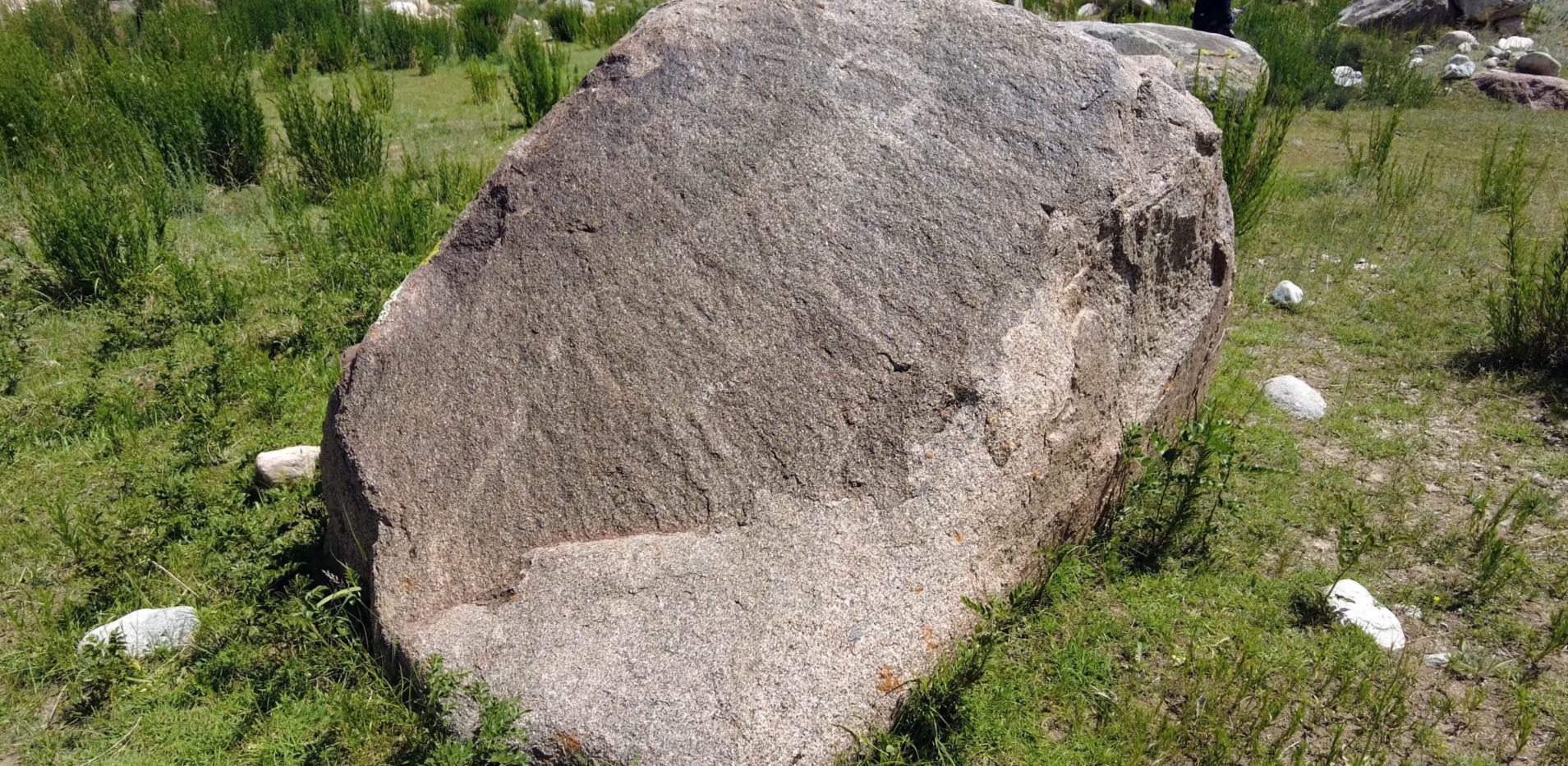
The most rewarding stones show animals with long horns, hunting scenes and groups moving in the same direction. Some lines are clear immediately. Others appear only after you change your position.
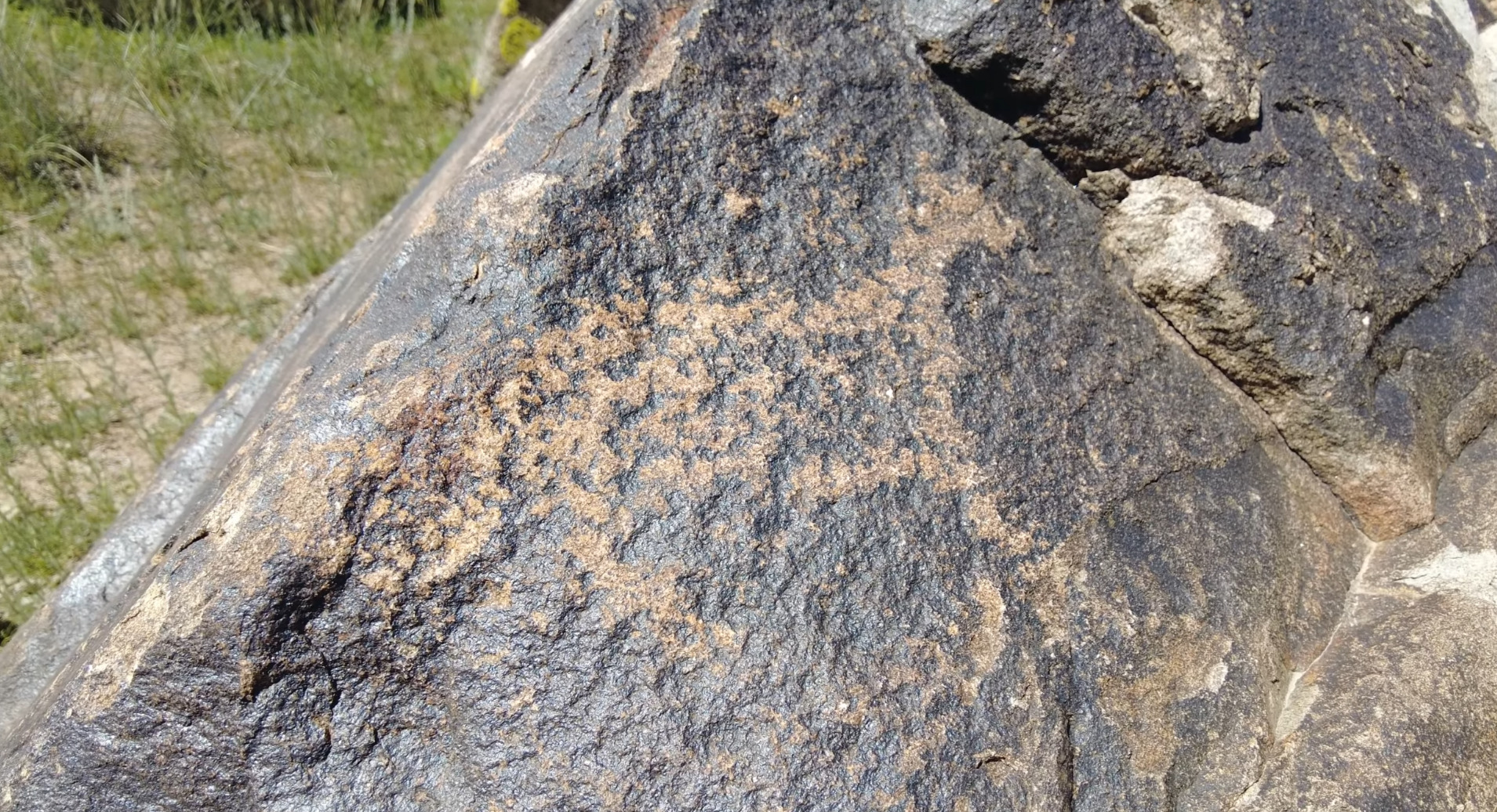
Do not try to inspect every rock. Follow the marked areas, spend time with the clearest carvings and pay attention to how the stones sit within the surrounding landscape.
Explore Rukh Ordo Cultural Center
Rukh Ordo is a landscaped cultural complex beside Issyk-Kul. It combines galleries, sculptures, performance spaces and small chapels representing several major religious traditions. The setting by the lake is part of the experience, and temporary exhibitions or events may add more to see.
Allow around 1–2 hours. Rukh Ordo is easier to understand than the petroglyph field because the grounds are more structured, but current opening hours, event access and entrance fees should still be checked locally.
The two cultural sites work well on the same day: petroglyphs in the cooler morning, Rukh Ordo later, followed by an afternoon or evening at the lake.
Walk the Shoreline at Sunset
Sunset is one of the easiest experiences to enjoy without planning. The mountains across Issyk-Kul can become clearer as the light softens, and busy beaches often calm down toward evening. Choose a section with public access or use the waterfront attached to your accommodation.
Try Seasonal Water Activities
In summer, the developed beaches may offer jet skis, boat rides, banana boats, parasailing and other rentals. Availability, safety standards and prices vary by operator. Check the equipment, confirm the full price and duration before paying, and do not assume travel insurance automatically covers motorized water sports.
Best Beaches and Areas to Stay
“Cholpon-Ata” is often used loosely for a wider resort strip. Your choice of area affects noise, beach quality, transport and price as much as the hotel itself.
| Area | Best for | Trade-off |
|---|---|---|
| Central Cholpon-Ata | Transport, restaurants, Rukh Ordo and short stays | Busier roads and uneven beach access depending on the property |
| Bosteri | Families, lively beaches, water activities and entertainment | More noise and crowds in peak summer |
| Quieter outskirts | Lake-focused stays, couples and travelers with a car | Fewer restaurants and less convenient public transport |
| Sanatorium or resort property | Private beach access, meals and on-site facilities | Quality and style vary widely; check recent reviews carefully |
Do not book based only on the words “Cholpon-Ata” and “beach.” Check the actual map position, whether the property has direct shoreline access, whether the beach is private or public, and how far you will be from the main road and restaurants.
How to Get to Cholpon-Ata from Bishkek
Cholpon-Ata is one of the easiest Issyk-Kul destinations to reach from Bishkek. Most road transport follows the north shore after passing Balykchy.
| Option | Typical time | Planning cost | Best for |
|---|---|---|---|
| Marshrutka or minibus | About 4–5 hours | Roughly 400–600 KGS | Budget travelers |
| Shared taxi | About 3.5–4.5 hours | Higher than marshrutka; agree before departure | Faster travel with moderate comfort |
| Private transfer | About 3.5–5 hours | Depends on vehicle, pickup and stops | Families, groups and sightseeing stops |
Transport to the Issyk-Kul region now uses Bishkek’s New Bus Station, also called Bishkek Avtovokzal, at Alma-Atinskaya 1/1. Route №506 is officially listed for the Cholpon-Ata–Ananyevo direction, but vehicles and departure patterns can change. Confirm “Чолпон-Ата” with the ticket office or driver before paying.
Old travel guides may still send passengers to the former Western Bus Station. Check the current departure point before leaving your accommodation, especially in peak summer.
A private car is useful if you want to stop at Burana Tower, Boom Gorge or viewpoints along the route. For price logic and what should be included, see the guide to private driver costs in Kyrgyzstan.
How to Get from Karakol to Cholpon-Ata
Karakol and Cholpon-Ata are connected by the north-shore road. Marshrutka №300 commonly runs from Karakol Main Bus Station toward Cholpon-Ata and Balykchy. The Cholpon-Ata segment takes roughly 2–3 hours, depending on stops and traffic, with a current planning fare around 300 KGS.
Summer departures are more frequent and often leave when full. In winter and shoulder season, allow more waiting time and do not rely on a late departure without checking at the station.
If you are planning the longer journey or connecting through Karakol, use the detailed Bishkek to Karakol transport guide.
Typical Costs in Cholpon-Ata
Prices vary sharply between quiet shoulder-season dates and peak summer weekends. August, festival periods and properties with direct beach access are usually more expensive.
| Item | Useful planning range |
|---|---|
| Simple guesthouse or basic room | $20–45 per night |
| Mid-range hotel | $45–100+ per night |
| Resort or strong peak-season property | $100+ is possible |
| Simple meal | $4–10 |
| Short local taxi ride | Usually inexpensive, but confirm before departure |
| Petroglyph field | Low-cost entry; confirm the current fee locally |
| Water activities | Seasonal and operator-dependent |
For a broader trip budget, including transport and food outside the resort towns, see Kyrgyzstan travel costs.
Best Time to Visit Cholpon-Ata
| Period | Conditions | Best for |
|---|---|---|
| June | Lake season begins, fewer crowds than peak summer | Balanced beach and sightseeing trip |
| July–mid-August | Warmest, busiest and most expensive period | Full resort atmosphere and water activities |
| Late August–September | Quieter, cooler evenings, some seasonal services reduce | Relaxed travel and cultural sights |
| May and October | Quiet, cool and less beach-focused | Road trips, photography and petroglyphs |
| Winter | Very quiet; limited resort activity | A brief stop rather than a classic lake holiday |
Book accommodation early for July and August, especially if you want direct beach access. For month-by-month conditions elsewhere in the country, see the guide to the best time to visit Kyrgyzstan.
One-Day and Two-Day Cholpon-Ata Itineraries
One Day in Cholpon-Ata
- 08:30–10:00: Visit the petroglyph field before the strongest sun.
- 10:30–12:00: Walk through Rukh Ordo.
- 12:30–14:00: Lunch and hotel check-in or rest.
- 14:00–18:00: Beach time or seasonal water activities.
- Evening: Walk along the shore and have dinner in town.
This itinerary works for travelers stopping between Bishkek and Karakol, but it leaves little margin for transport delays.
Two Days in Cholpon-Ata
- Day 1: Arrival, relaxed beach afternoon and sunset.
- Day 2 morning: Petroglyph field and Rukh Ordo.
- Day 2 afternoon: Bosteri beach, a quiet shoreline section or onward travel.
Two days are enough for most first-time visitors. Add a third night only if you want a genuine resort break rather than a sightseeing stop.
How Cholpon-Ata Fits Into an Issyk-Kul Route
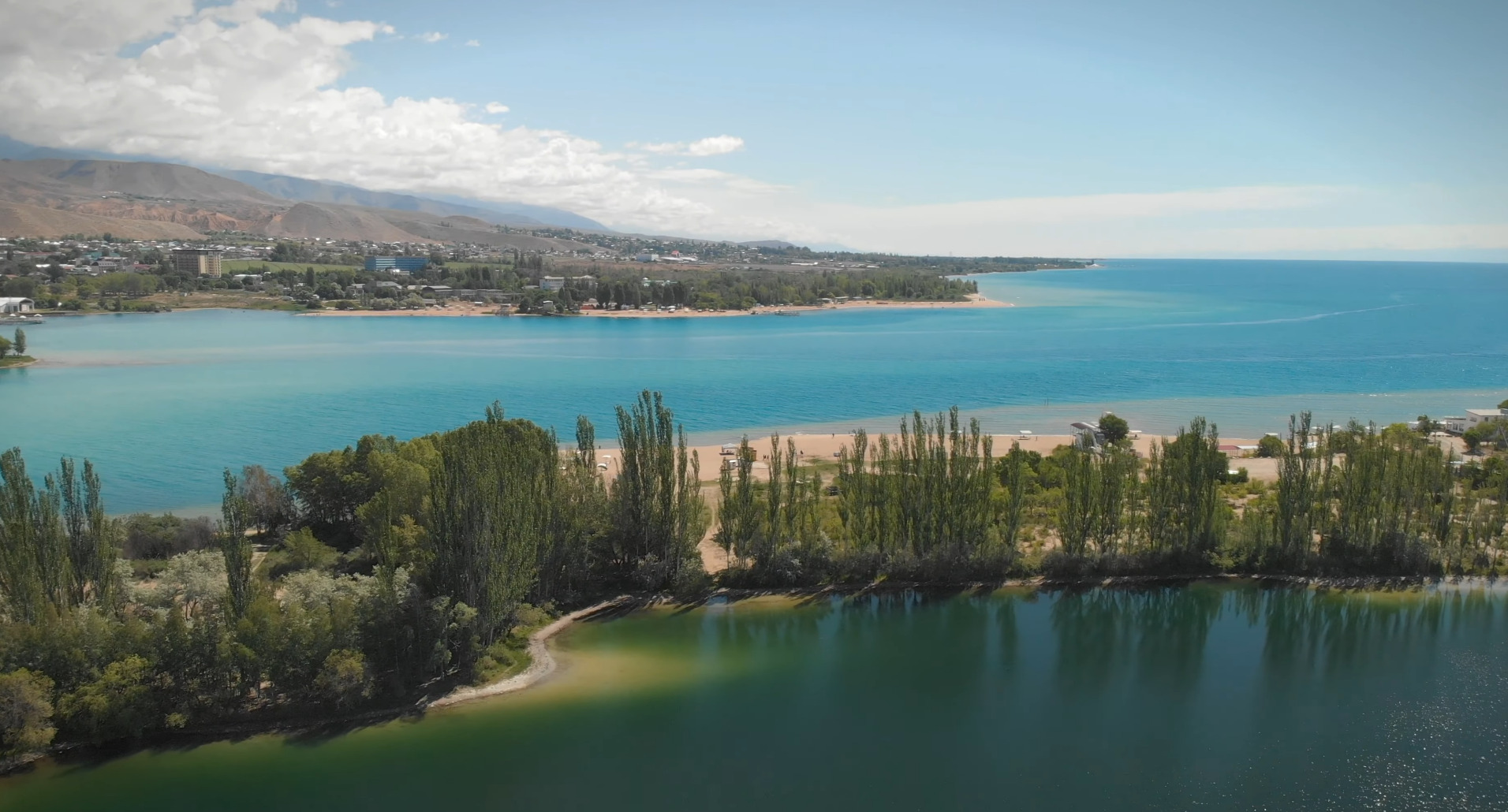
Cholpon-Ata sits naturally between Bishkek and Karakol. It works as the first lake stop after Bishkek, a rest point before mountain activities, or the relaxed north-shore half of a wider Issyk-Kul circuit.
| Route style | How to use Cholpon-Ata | Time |
|---|---|---|
| Bishkek beach break | Travel directly to Cholpon-Ata, stay by the lake, return to Bishkek | 2–3 days |
| North-shore route | Bishkek → Cholpon-Ata → Karakol | 3–5 days |
| Full lake circuit | North shore outward, south shore return with Jeti-Oguz and canyons | 5–7+ days |
| Lake plus trekking | Rest in Cholpon-Ata before hiking from Karakol | 1–2 nights in town |
This private three-day route uses Cholpon-Ata as the north-shore stop before continuing to Karakol, Jeti-Oguz and the south shore. It is a practical option if you want to see both sides of the lake without arranging drivers, accommodation and daily logistics separately.
The trade-off: The itinerary covers a lot in three days, so it is much faster-paced than staying two or three nights in Cholpon-Ata.
For the south-shore contrast, see the practical guide to Jeti-Oguz. For broader geography and other lake options, see the lakes of Kyrgyzstan.
Cholpon-Ata vs Karakol
| Factor | Cholpon-Ata | Karakol |
|---|---|---|
| Main focus | Beaches and relaxed lake stay | Mountains, trekking and active day trips |
| Best length | 1–3 days | 3–5+ days for several excursions |
| Transport role | Easy north-shore stop between Bishkek and Karakol | Eastern Issyk-Kul transport and trekking hub |
| Cultural sights | Petroglyphs and Rukh Ordo | Dungan Mosque, Orthodox church, market and local history |
| Best for families | Usually easier for beach-focused trips | Better for active families and mountain excursions |
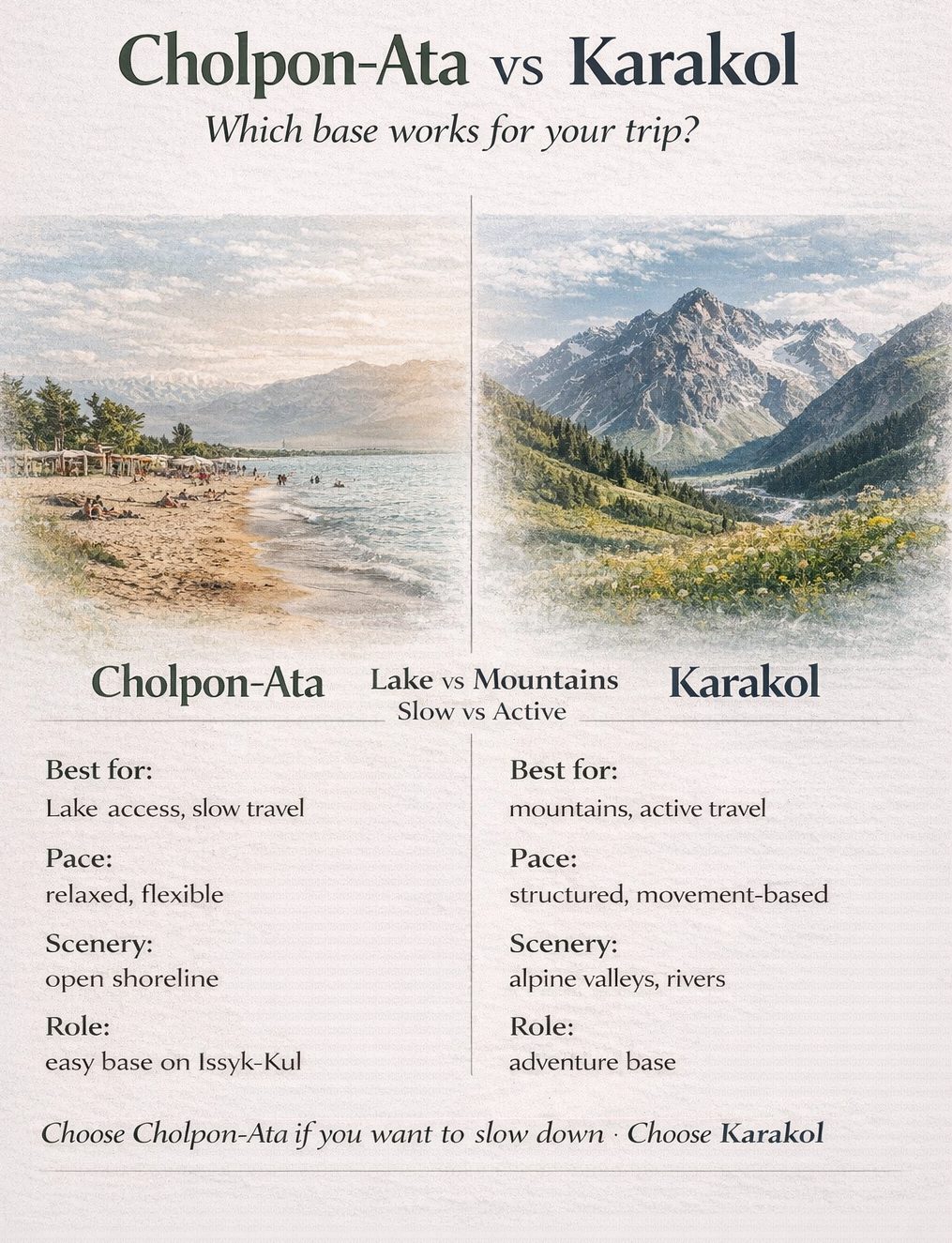
Many itineraries should include both rather than choose only one. Cholpon-Ata gives you an uncomplicated lake chapter; Karakol opens access to alpine valleys and harder routes.
A five-day private route includes Cholpon-Ata, Karakol, the northern gorges, Jeti-Oguz, Barskoon and Skazka. It makes more sense for travelers who want the full Issyk-Kul journey than for those mainly looking for a quiet beach stay.
Common Planning Mistakes
- Booking a “Cholpon-Ata” hotel without checking the map. The wider resort strip is long, and some properties are far from central sights.
- Expecting every hotel to have direct beach access. Confirm whether the beach is private, public or across a road.
- Visiting the petroglyphs at midday. Heat, glare and lack of shade make the site less comfortable.
- Using old Bishkek bus-station advice. Confirm the New Bus Station before travel.
- Leaving accommodation booking until arrival in August. The best-value rooms can disappear early.
- Planning Cholpon-Ata as a trekking base. Stay in Karakol if mountain routes are the priority.
- Allowing only a quick roadside stop. The town makes more sense with at least one night.
FAQ About Cholpon-Ata
What is Cholpon-Ata known for?
Cholpon-Ata is known for Issyk-Kul beaches, summer resort life, the open-air petroglyph field and Rukh Ordo cultural center. It is also a useful transport base on the north shore between Bishkek and Karakol.
Are the Cholpon-Ata petroglyphs worth visiting?
Yes. The site contains more than 2,000 rock carvings spread across an open boulder field. Allow 1–2 hours and visit in the morning or late afternoon because shade is limited.
How many days do you need in Cholpon-Ata?
One day is enough for the main cultural sights and a short beach visit. Two days suit most travelers. Three days work well for a slow lake break or family resort stay.
How do you get from Bishkek to Cholpon-Ata?
Use a marshrutka, shared taxi or private transfer from Bishkek. Current Issyk-Kul routes use the New Bus Station at Alma-Atinskaya 1/1. The drive normally takes around 3.5–5 hours.
Is Cholpon-Ata better than Karakol?
Cholpon-Ata is better for beaches, families and a relaxed lake stay. Karakol is better for trekking, mountain valleys and active travel. A balanced Issyk-Kul itinerary often includes both.
Can you swim in Cholpon-Ata in September?
Swimming may still be possible in early September, especially during stable warm weather, but the water and evenings become cooler and some seasonal beach services begin to close. Conditions vary from year to year.
Is Cholpon-Ata expensive?
It can be inexpensive outside peak season, but July and August prices rise sharply. Simple rooms may start around $20–45, while mid-range and resort accommodation can exceed $100 on busy dates.
Final Verdict
Cholpon-Ata is not the most dramatic destination in Kyrgyzstan, but it fills an important role. It is the most practical place for a straightforward Issyk-Kul beach stay, and it has enough archaeology and cultural interest to justify more than a hotel-and-lake visit.
Stay one night if Cholpon-Ata is a stop between Bishkek and Karakol. Stay two or three nights if you want beach time, Rukh Ordo and the petroglyphs without rushing. Choose Karakol instead when trekking and mountain excursions are the main purpose of the trip.
For first-time route planning beyond Issyk-Kul, use the broader Kyrgyzstan travel guide.