Arslanbob: What It’s Really Like in Kyrgyzstan’s Walnut Forest Village
After wide valleys, open pastures, and long stretches of exposed landscape, Arslanbob feels almost out of place. Trees everywhere. Shade. Movement that isn’t driven by distance, but by what grows in front of you.
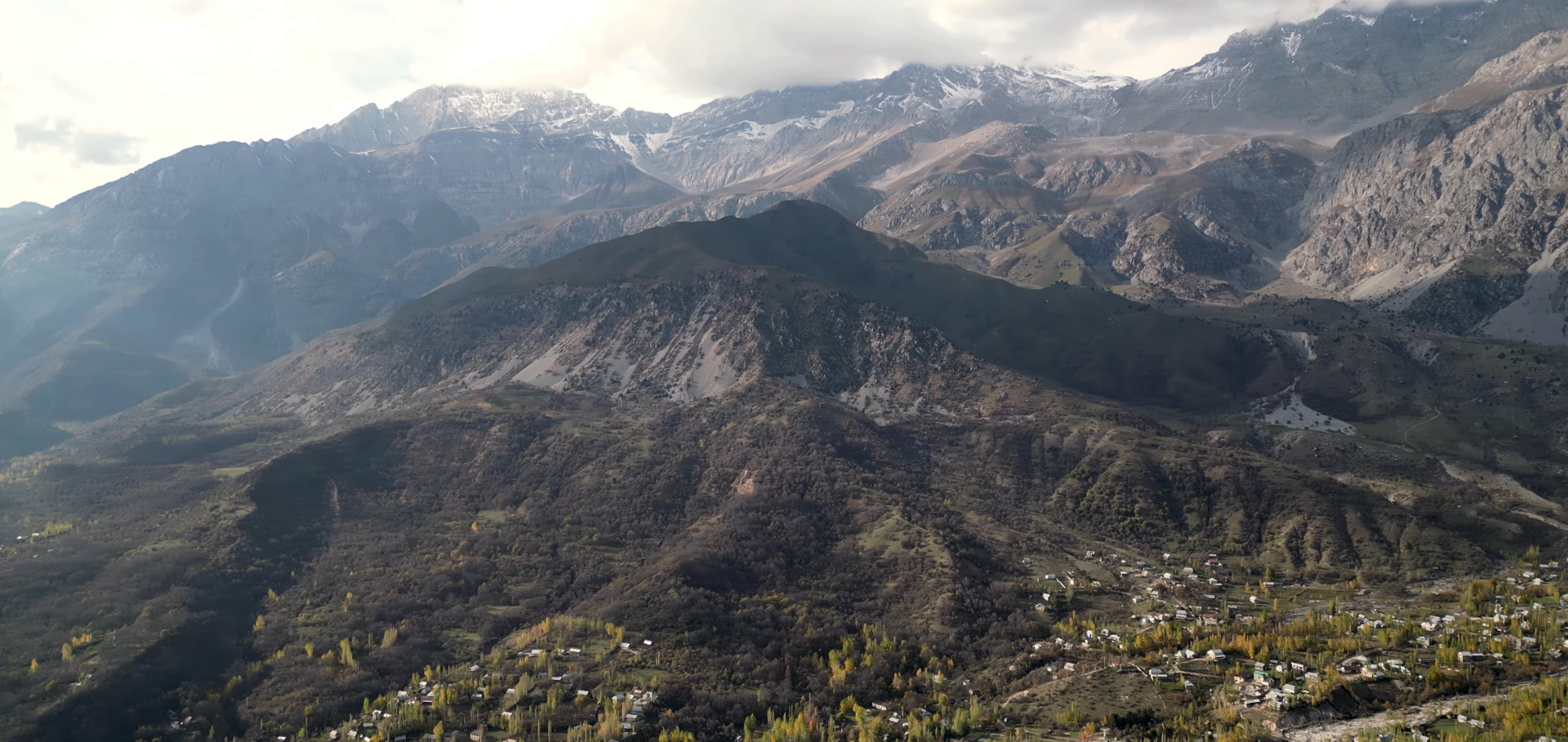
The village doesn’t announce itself dramatically. It spreads. Houses, narrow streets, orchards blending into forest. You don’t arrive at a viewpoint — you arrive inside something already happening.
And it takes a moment to understand what exactly that is.
Because Arslanbob isn’t built around a single highlight. There’s no one place you’re supposed to go, no obvious “main attraction” that explains everything.
It works differently.
Arslanbob at a Glance
| Factor | Reality |
|---|---|
| Best known for | Walnut forest, village stays, waterfalls, trekking |
| Main travel style | Slow, green, walkable, village-based |
| Best use | 2–3 day stop in southern Kyrgyzstan |
| Strongest hook | One of the world’s largest walnut forest landscapes |
| Best for | Atmosphere, nature, and light hiking |
| Less ideal for | Single “wow” viewpoint or high-altitude scenery |
That already sets the tone. This isn’t a place you “do” quickly.
It’s somewhere you move through slowly — or it doesn’t really work.
What Arslanbob Actually Is
On paper, it’s a mountain village in southern Kyrgyzstan.
In reality, it feels more layered than that.
There’s the village itself — active, lived-in, with a strong local rhythm that doesn’t shift much for visitors. There’s the forest — not separate from the village, but growing directly out of it. And then there’s everything that connects the two: paths, orchards, small clearings, movement that isn’t structured but still somehow consistent.
The cultural layer is different too. Unlike much of Kyrgyzstan, Arslanbob has a strong Uzbek influence. You hear it in the language, see it in the food, feel it in the way daily life is organized.
It doesn’t stand out immediately. But it changes the tone of the place.
Why Arslanbob Feels Different From the Rest of Kyrgyzstan
Most of the country is defined by space.
Large, open, exposed. Landscapes that stretch outward rather than enclosing you.
Arslanbob does the opposite.
It pulls you inward.
The forest creates edges. Paths feel narrower. Distances feel shorter, even when they’re not. You don’t move across the landscape — you move inside it.
That changes how time works here. You don’t cover ground quickly. You drift between places that aren’t clearly separated from each other.
And because of that, the experience doesn’t build toward a single moment.
It accumulates instead.
Arslanbob makes more sense when you stop looking for a highlight and start paying attention to how the place is lived in — not just how it looks.
Once that clicks, the village stops feeling undefined.
It starts to feel continuous.
The Walnut Forest: The Main Reason to Come
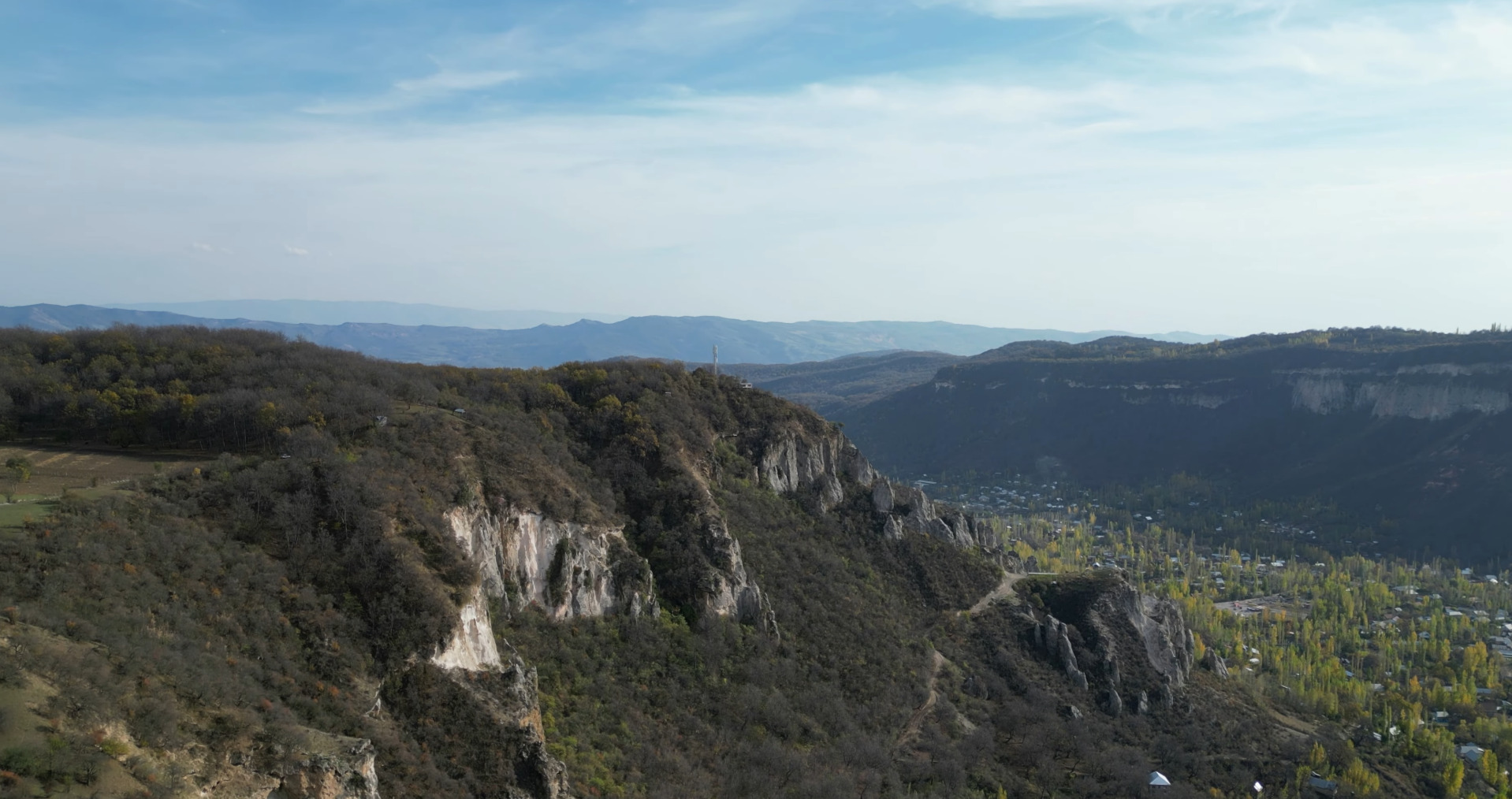
At some point, the village stops and the forest takes over — but не резко. It blends. Houses thin out, paths widen, then narrow again, and suddenly you’re walking under trees without really noticing when that transition happened.
This isn’t a park. There’s no boundary, no clear entry point.
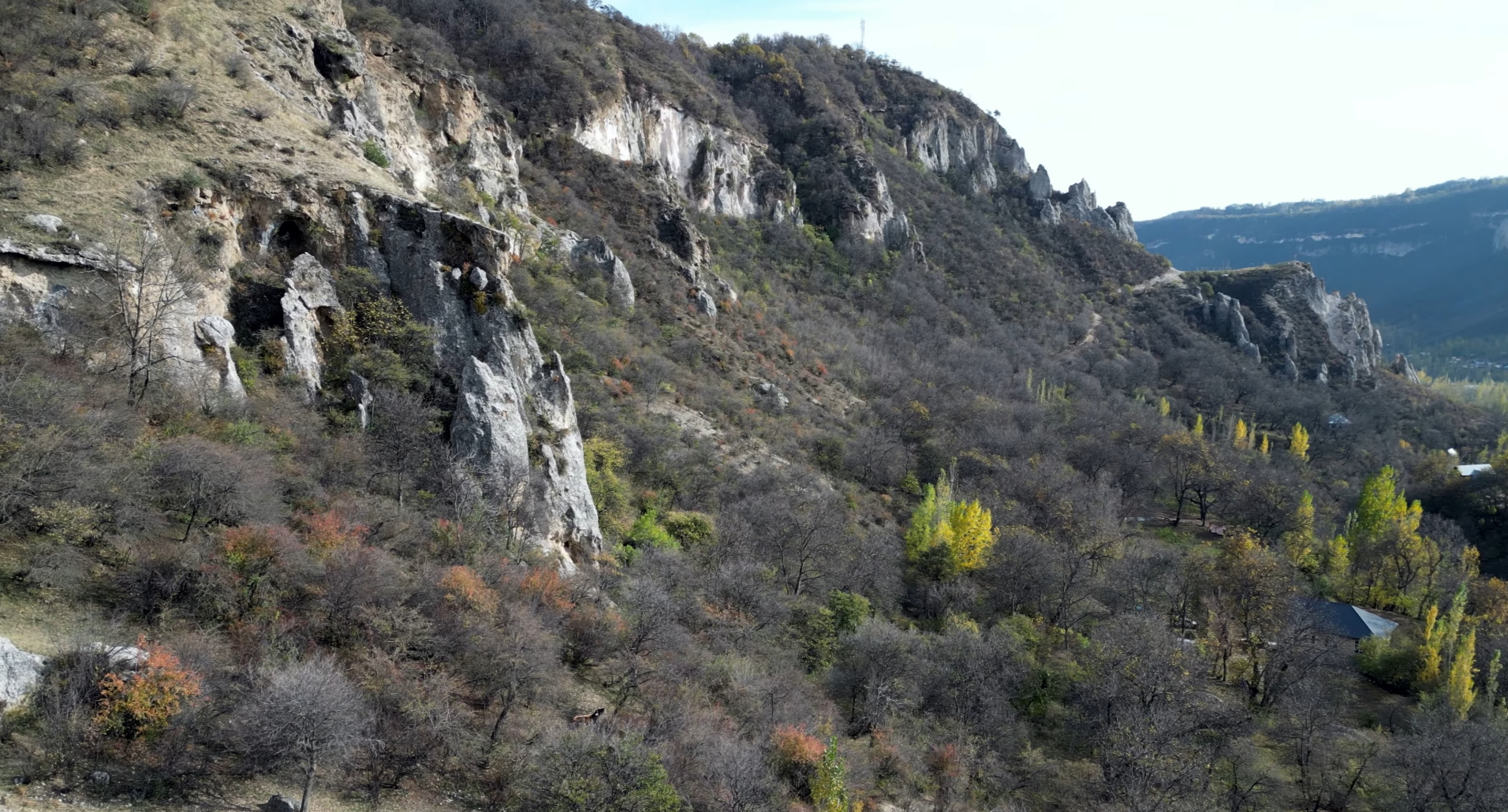
The forest is just there — surrounding everything, feeding into daily life, shaping how the place moves.
And once you’re inside it, the scale becomes harder to read.
What Makes the Forest Different
It’s not just that the forest is large. It’s how it’s used.
Walnut trees dominate, but they’re not alone. Apples, plums, and other fruit trees grow alongside them. The landscape isn’t wild in the usual sense — it’s cultivated, but loosely, without strict order.
You don’t walk through rows. You move through something that feels grown over time rather than planted all at once.
There are paths, but they don’t always lead where you expect. Some fade. Others split without explanation.
You adjust as you go.
What It Feels Like to Walk Here
The first thing you notice is the shade.
After traveling through more open parts of Kyrgyzstan, that alone feels different. The light breaks through in patches. The ground shifts between dry and soft. The air feels slightly cooler, even in summer.
It’s quieter, but not empty. You hear movement — branches, footsteps, distant voices — but rarely see where it’s coming from.
Walking becomes less about direction and more about pace. You don’t aim for a specific point. You move until something makes you stop.
A clearing. A view opening between trees. A path that looks like it might lead somewhere interesting.
And often, it does. Just not in a straight line.
The forest works best when you stop trying to “cover it.” It’s too large for that. It makes more sense to move through a small part of it slowly than to rush across it.
Why This Is More Than Just a Forest
This is where Arslanbob shifts from scenery into something else.
The forest isn’t separate from the village economy. It’s part of it. People don’t just walk here — they depend on it.
You see it in small ways first. Paths that feel used, not maintained. Sections where the ground is cleared slightly more than others. Occasional movement deeper inside, where visitors usually don’t go.
Nothing is marked as “working space,” but it’s there.
And once you notice it, the whole place starts to feel more active, even when it looks still.
What People Actually Do in Arslanbob
There isn’t a checklist here. No fixed route that everyone follows.
But if you stay long enough, patterns appear.
Forest Walks and Easy Hiking
Most days begin with the forest, even if that’s not the plan.
You head out, take a path that looks right, and let it unfold. Some routes climb slightly, opening views over the village. Others stay low, winding between trees with no clear destination.
Nothing feels rushed. Distances aren’t the point.
Even short walks stretch out, because you stop more often than you expect.
Most walks naturally follow three directions: toward the small waterfall, toward the larger waterfall, or into open forest loops above the village. You don’t need a fixed route — but knowing these directions helps you avoid wandering without context.
Waterfalls
The waterfalls are usually presented as highlights.
They’re not wrong — but they’re also not the whole reason to come.
The smaller waterfall sits relatively close to the village. It’s easy to reach, and that accessibility makes it feel more like part of a walk than a destination on its own.
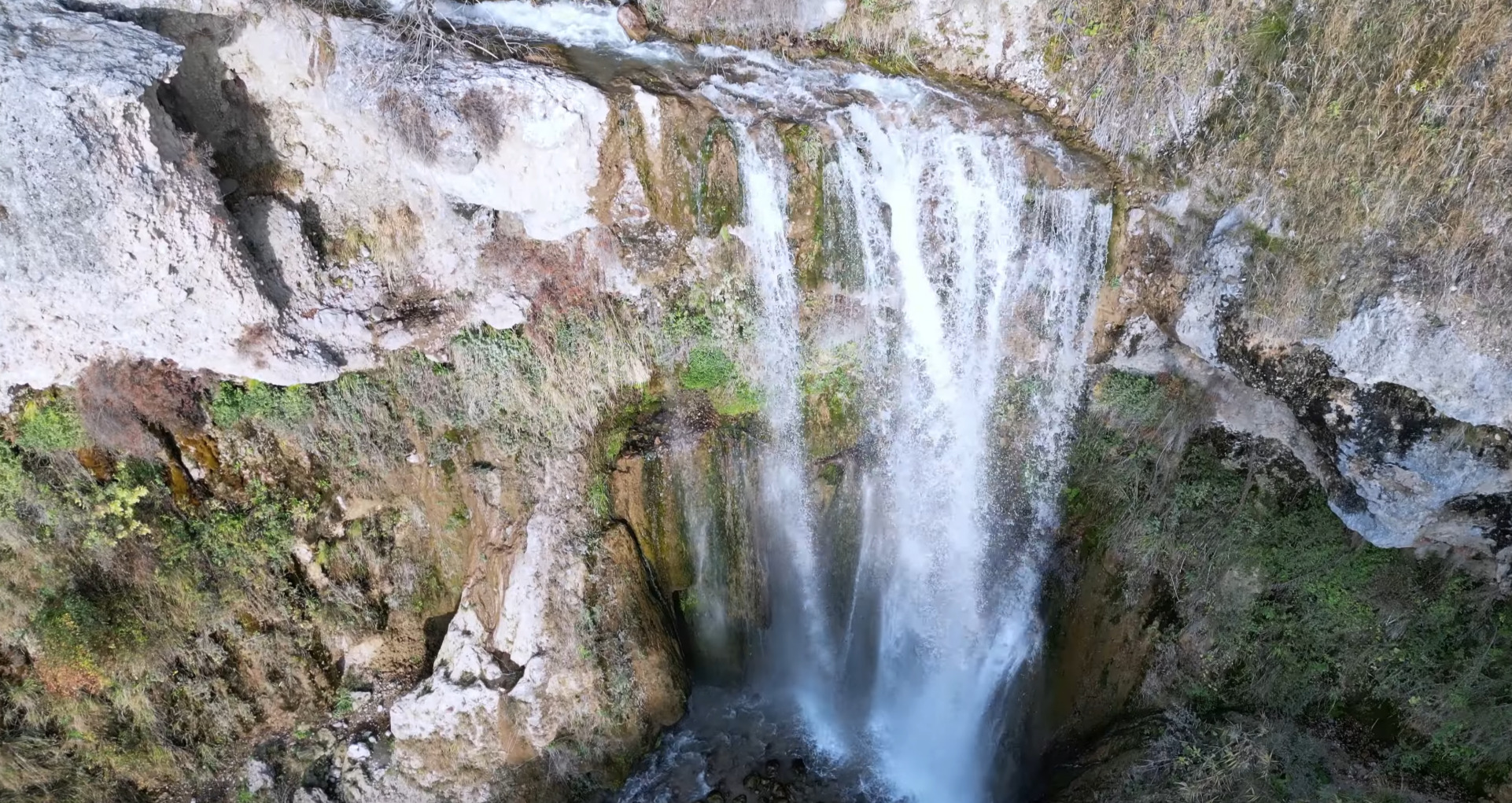
The larger one takes more effort. The path climbs, the space opens slightly, and when you arrive, it feels more defined — more like a point you were moving toward.
Still, even here, the experience doesn’t isolate itself.
You don’t separate the waterfall from the walk that led you there. They belong together.
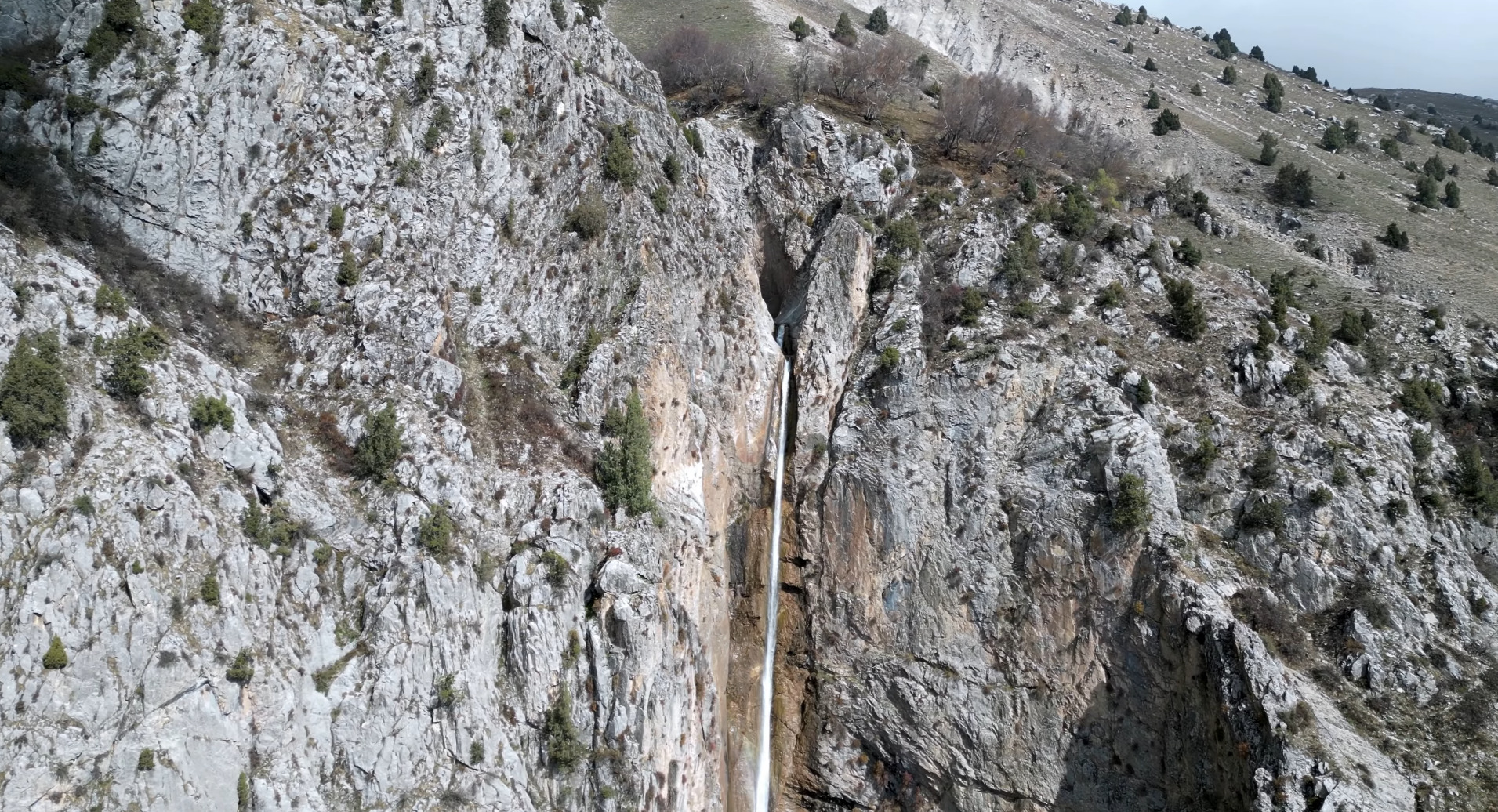
Small vs Big Waterfall (What’s the Real Difference)
| Feature | Small Waterfall | Big Waterfall |
|---|---|---|
| Distance | Short walk from village | Longer hike with elevation |
| Effort | Easy | Moderate |
| Experience | Part of a walk | More of a destination |
| Best for | Casual exploration | More structured hike |
Village Life and Homestays
Back in the village, things move at a different pace.
Homestays aren’t staged. You stay in someone’s house, eat what’s prepared, follow a rhythm that already exists.
Meals come when they’re ready. Tea appears without much discussion. Conversations happen in fragments — short, simple, enough to connect but not to structure the experience.
You don’t “explore” the village in a formal way.
You just exist inside it for a while.
And that ends up being enough.
Typical 2–3 Day Flow (How the Experience Actually Unfolds)
| Day | Flow | What it feels like |
|---|---|---|
| Day 1 | Arrival → short village walk → first forest entry | Orientation, adjusting to slower pace |
| Day 2 | Forest exploration → waterfalls → longer walking loops | Most complete experience of the area |
| Day 3 | Short walk or viewpoint → departure | Light, reflective, slower exit |
Harvest Season: The Part Most Articles Miss
If you come at the right time, the entire place shifts.
Not visually at first. The forest still looks the same. The paths don’t change. The village doesn’t suddenly transform into something else.
But the way people move through it — that’s different.
And you feel it almost immediately.
How the Walnut Season Changes Everything
In autumn, usually around October, the forest stops being a backdrop and becomes the center of daily life.
Families move into it. Not just for a few hours — for days, sometimes weeks. Temporary shelters appear between the trees. Paths that felt quiet earlier in the year start to carry more movement.
You notice it in small ways first.
Voices deeper in the forest. People carrying sacks. Groups working together in sections that looked empty before.
Then it becomes clearer.
This isn’t occasional activity. It’s a full seasonal rhythm.
What’s Actually Happening in the Forest
Walnuts are collected by hand.
It’s not mechanized, not scaled in a way that feels industrial. The work is direct — people, trees, time.
The process is repetitive but steady. Trees are checked, ground is cleared, harvest is gathered, sorted, carried out.
You don’t see everything at once. It’s spread out. Fragments of activity across a large area.
But once you connect those fragments, the scale becomes obvious.
The forest isn’t just visited. It’s worked.
If you arrive during harvest season, you’re not just walking through a landscape — you’re moving through a system that’s actively in use.
Why This Matters More Than It First Seems
Without this layer, Arslanbob can feel quiet to the point of being static.
With it, everything changes.
The forest becomes structured, even if that structure isn’t visible at first glance. Movement has purpose. Paths connect in ways that make more sense. The village and the forest stop feeling like separate spaces.
They become one continuous environment.
And that’s when the place starts to feel complete.
Why Most Travelers Don’t See This Side
Timing, mostly.
Many visits happen outside the harvest season, when the forest feels calmer, less defined. Still beautiful, still interesting — but missing that layer of activity that explains why the place exists the way it does.
Without it, the experience leans more toward atmosphere than understanding.
And that’s where interpretation starts to drift.
Why Many Travelers Misread Arslanbob
- It gets reduced to “a village with waterfalls”
- The forest is treated as scenery rather than structure
- People expect a single highlight instead of a layered experience
- The cultural and economic role of the forest is overlooked
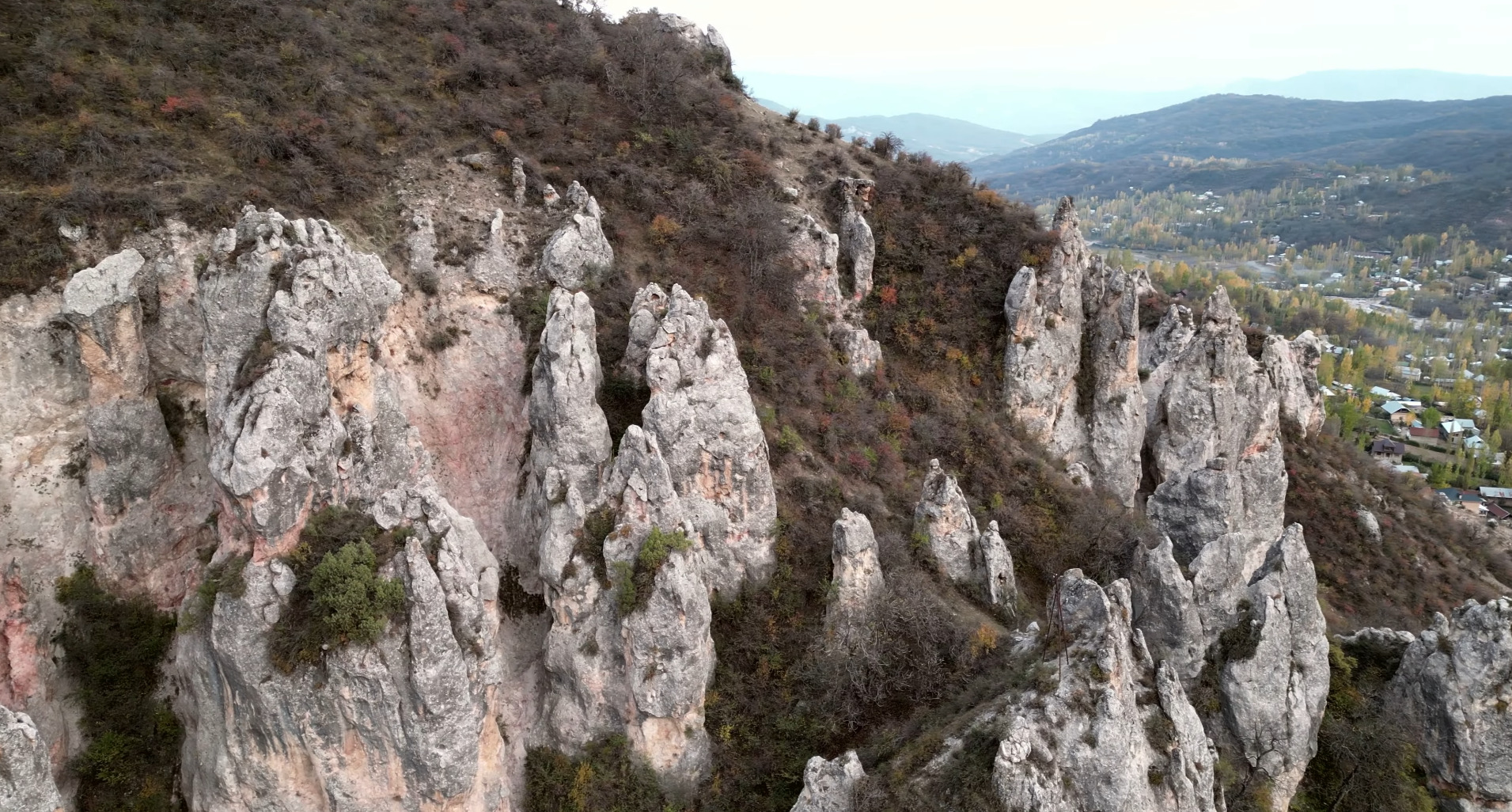
None of these are incorrect on their own. They’re just incomplete.
Arslanbob doesn’t present itself clearly unless you stay long enough — or arrive at the right moment.
When Arslanbob Feels Best
The place doesn’t peak in the same way as high-altitude destinations. There’s no single “perfect” window. It depends on what you’re looking for.
| Season | What it feels like | What stands out |
|---|---|---|
| Spring / early summer | Fresh, green, active | Full forest, flowing water, easier walking |
| Mid to late summer | Warm, stable | Consistent conditions for hiking |
| Autumn | Focused, purposeful | Walnut harvest and strongest local rhythm |
If you’re interested in how the place actually works, autumn stands out.
If you’re looking for movement, greenery, and easier conditions, earlier in the season feels more open.
Both are valid. They just show different versions of the same place.
How Arslanbob Fits Into a South Kyrgyzstan Route
Getting here takes intention.
Most routes run through Osh or Jalal-Abad, and from there, you turn toward the mountains rather than passing through them. Arslanbob isn’t on the way to something else.
It’s a detour.
That’s important.
You don’t end up here accidentally. You choose to come, spend time, and then leave the same way you arrived.
And because of that, the experience feels more contained — almost self-contained.
It doesn’t blend into the rest of the trip. It stands slightly apart from it.
How You Actually Move Inside Arslanbob
- Most movement is on foot — distances are short but feel longer due to terrain
- No strict central point — the village spreads, so orientation takes time
- Forest paths are semi-defined — you follow direction, not routes
- Local taxis exist but are rarely needed once you arrive
Is Arslanbob Worth Visiting?
It depends on what you expect a place to give you.
If you’re looking for something immediate — a viewpoint, a clear highlight, a place that defines itself quickly — Arslanbob might feel too soft. Too spread out. Not focused enough.
But if you’re comfortable with places that take a bit longer to read, it starts to settle differently.
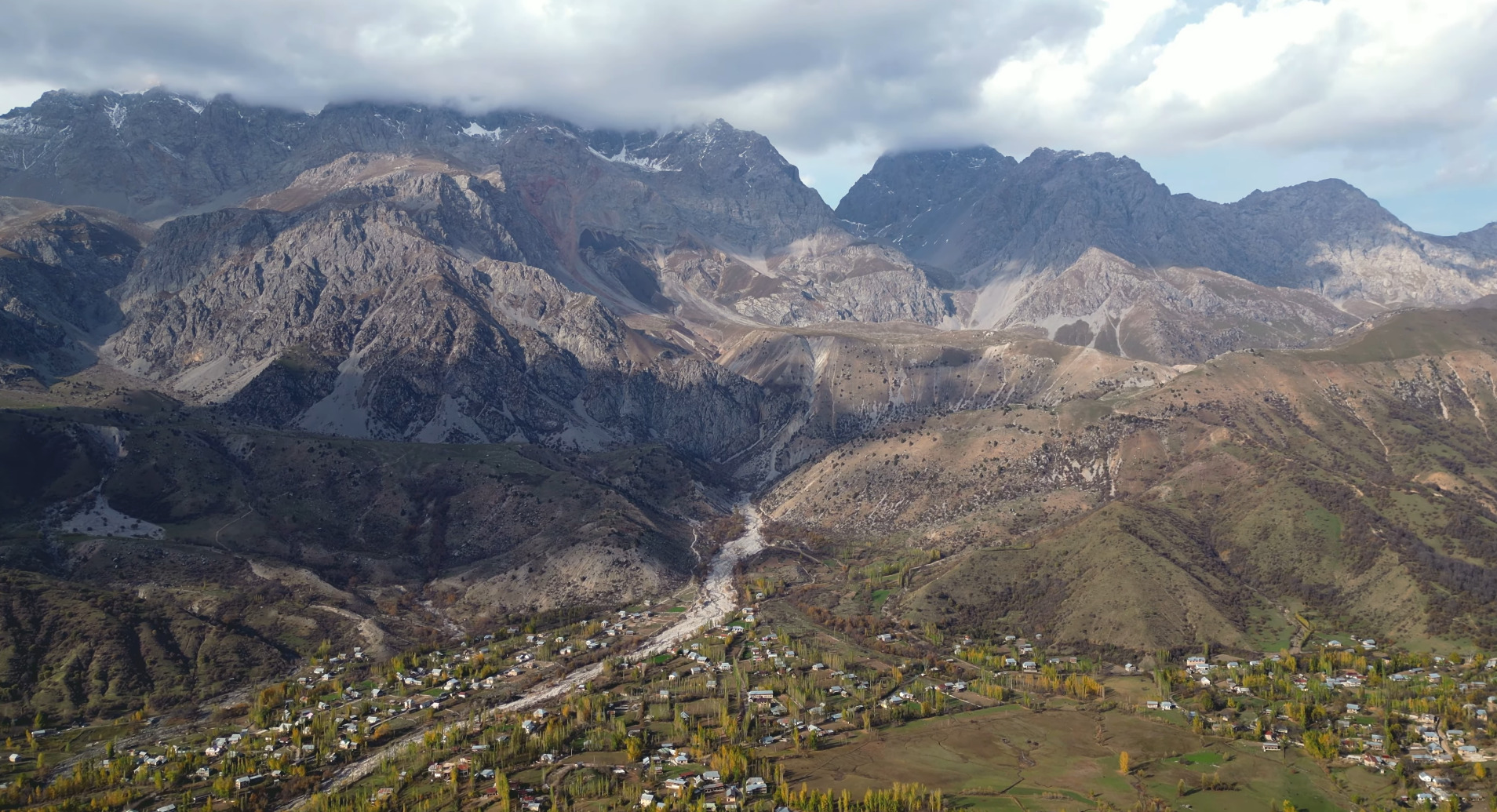
There isn’t a single moment that carries it.
It’s the combination — forest, village, movement, season — that builds the experience.
It works well if you:
- want something greener and more lived-in than typical Kyrgyz landscapes
- are interested in slow travel and village life
- like walking without strict routes or structure
- are curious about how places function, not just how they look
It may not if you:
- expect a strong single attraction
- want dramatic high-altitude scenery
- prefer clearly structured itineraries
- are short on time and prioritizing major highlights
It’s not a question of quality. It’s a question of fit.
Practical Summary
| Topic | What to know |
|---|---|
| Stay length | 2–3 days works best |
| Main reason to come | Walnut forest and village atmosphere |
| Secondary highlights | Waterfalls and easy hiking |
| Best seasonal angle | Autumn for harvest, spring/early summer for greenery |
| Access | Via Osh or Jalal-Abad, requires a detour |
| Travel style | Slow, flexible, low-structure |
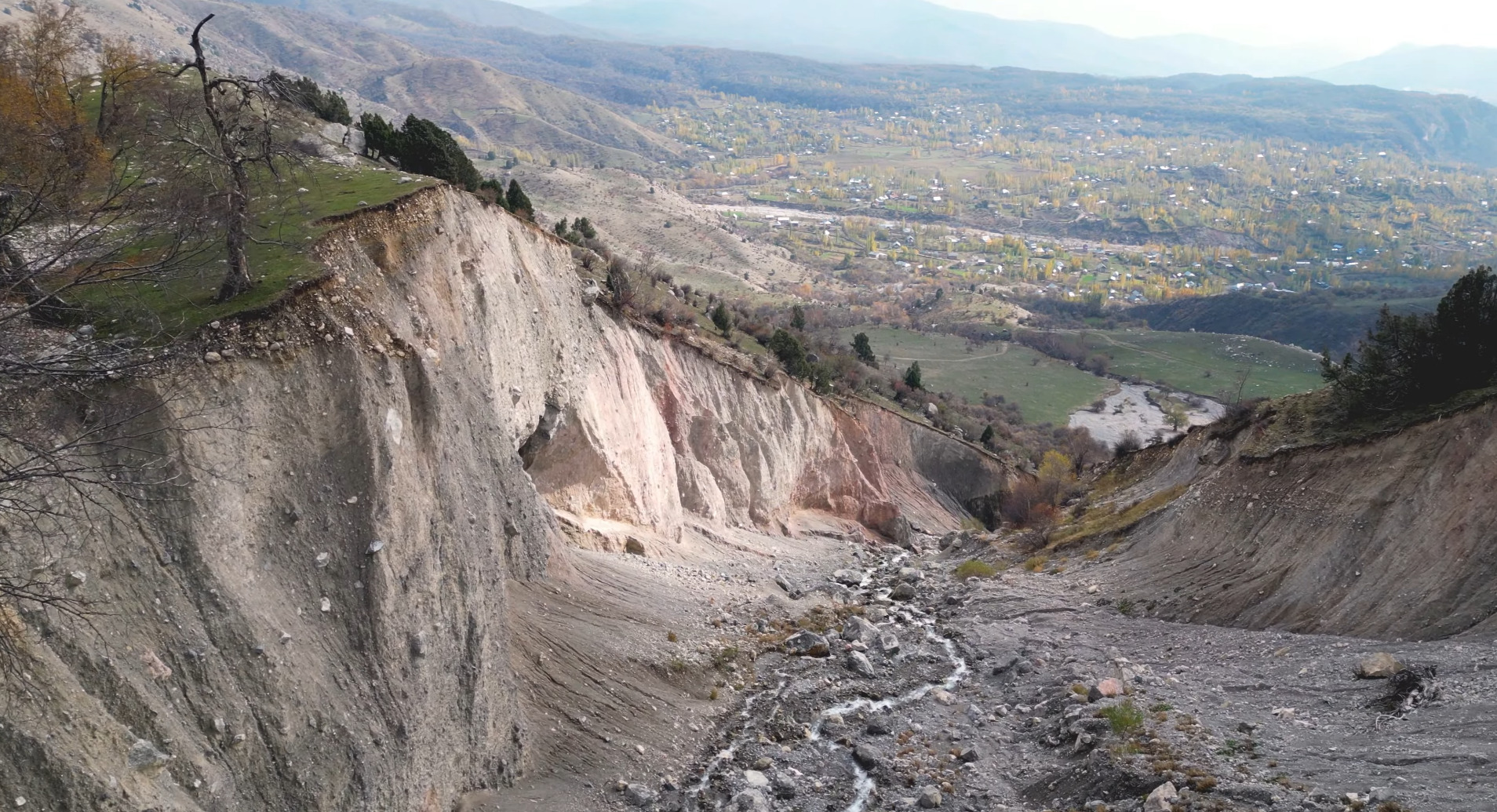
Once you see it like that, the place becomes easier to use.
Common Mistakes When Visiting Arslanbob
- Trying to “see everything” in one day
- Treating waterfalls as the main goal
- Ignoring the forest as a working landscape
- Arriving without time buffer
- Expecting clear routes and structure
FAQ
What is Arslanbob known for?
Mainly for its walnut forest, village stays, and the surrounding landscape used for walking and light trekking.
Is Arslanbob worth visiting?
Yes, if you’re interested in slower travel, forest landscapes, and village life. Less so if you’re looking for a single standout attraction.
Are the waterfalls the main reason to go?
No. They’re a good addition, but the forest and overall atmosphere are the main reasons to visit.
When is walnut harvest season in Arslanbob?
Usually in autumn, around October, when local families actively collect walnuts in the forest.
How many days do you need in Arslanbob?
Two to three days is enough to experience the forest, visit the waterfalls, and settle into the rhythm of the village.
What Stays With You
Arslanbob doesn’t leave a sharp impression.
No single view, no clearly defined highlight that sums it up.
Instead, it lingers in smaller pieces.
The way the forest closes around you without fully hiding the landscape. The rhythm of the village that keeps going whether you’re part of it or not. The sense that everything here is used, not arranged.
It’s not a place that tries to stand out.
And because of that, it doesn’t fade quickly either.
It just stays somewhere in the background — quieter than the rest, but harder to replace once you’ve seen it.