Altyn Arashan: What It’s Actually Like and How to Get There from Karakol
You don’t really arrive in Altyn Arashan. You sort of… earn it.
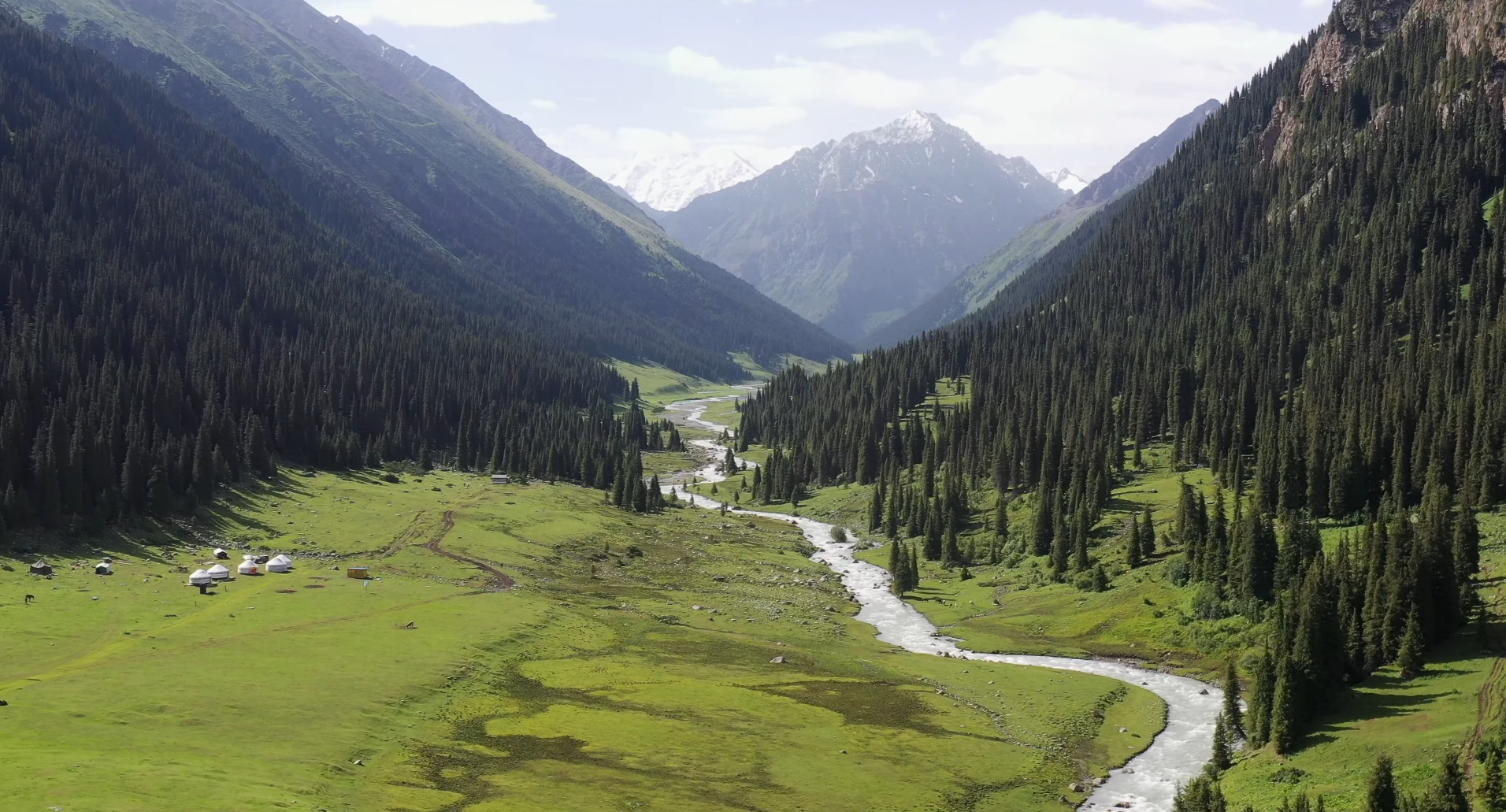
From a distance, it looks simple. A green valley somewhere above Karakol. A few wooden houses. Hot springs. People soaking in steam with mountains behind them. Clean, quiet, almost easy.
Then you start moving toward it.
The road stops behaving like a road. The air shifts. Distances stretch in a way that doesn’t match the map. And somewhere along the way, the idea of “just going there” drops off.
That’s usually the moment people realize this isn’t a stop. It’s a small journey.
- Distance from Ak-Suu / Teploklyuchenka: ~15 km
- Starting point: usually Karakol, with a transfer to Ak-Suu first
- Hiking time: 4–7 hours
- Jeep time: 2.5–4 hours
- Altitude: ~2,350–2,435 m
- Best for: hikers, nature-focused travelers, multi-day routes
How the Trip Actually Unfolds (Step by Step)
On paper, it’s a short trip. In practice, it moves differently.
- Morning in Karakol — slow start, checking weather, deciding how to go
- Drive to Ak-Suu — the last place that feels normal
- Start moving up — either on foot or inside a vehicle that climbs like it’s thinking about each step
- Forest closes in, then opens again — you don’t notice exactly when
- The valley appears gradually, not as a single reveal
- Arrival feels quiet, almost understated
- Hot springs later in the day — that’s when it actually lands
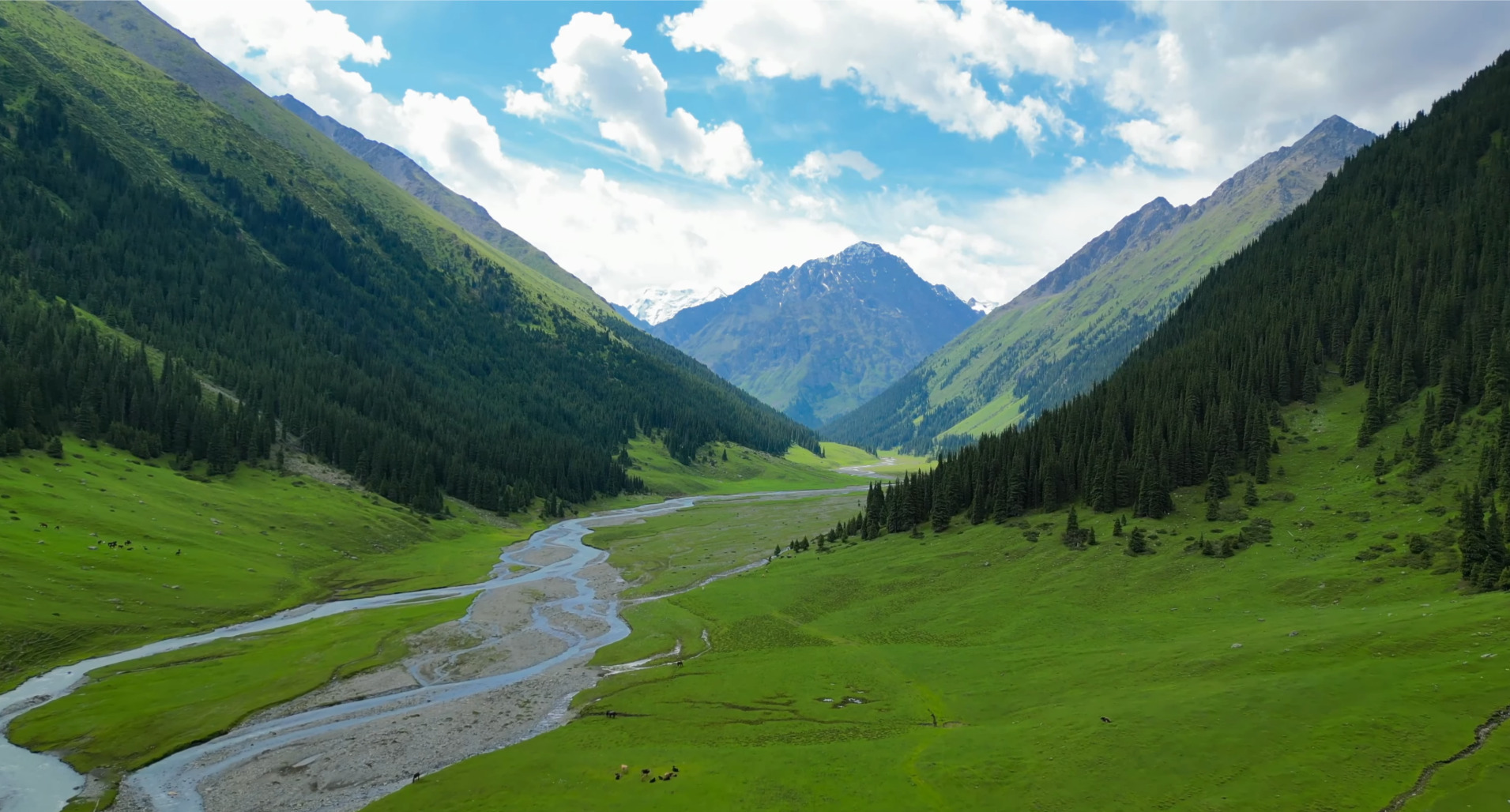
The moment people expect — that big “arrival feeling” — usually doesn’t happen at the entrance. It happens hours later, when everything slows down.
What Altyn Arashan Actually Is
It gets described as a hot springs destination. That’s technically true. But it misses the point.
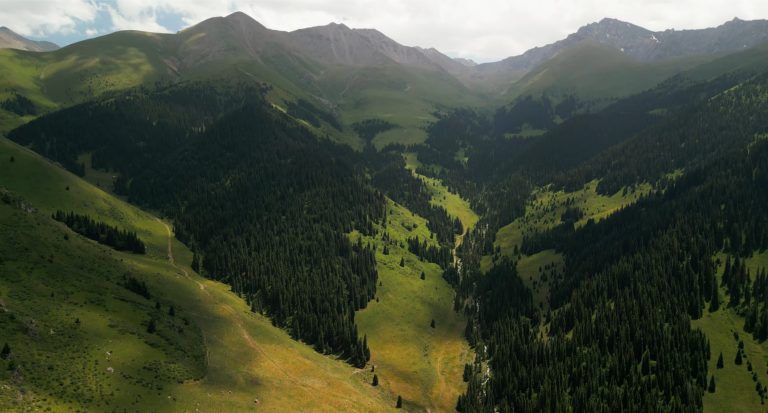
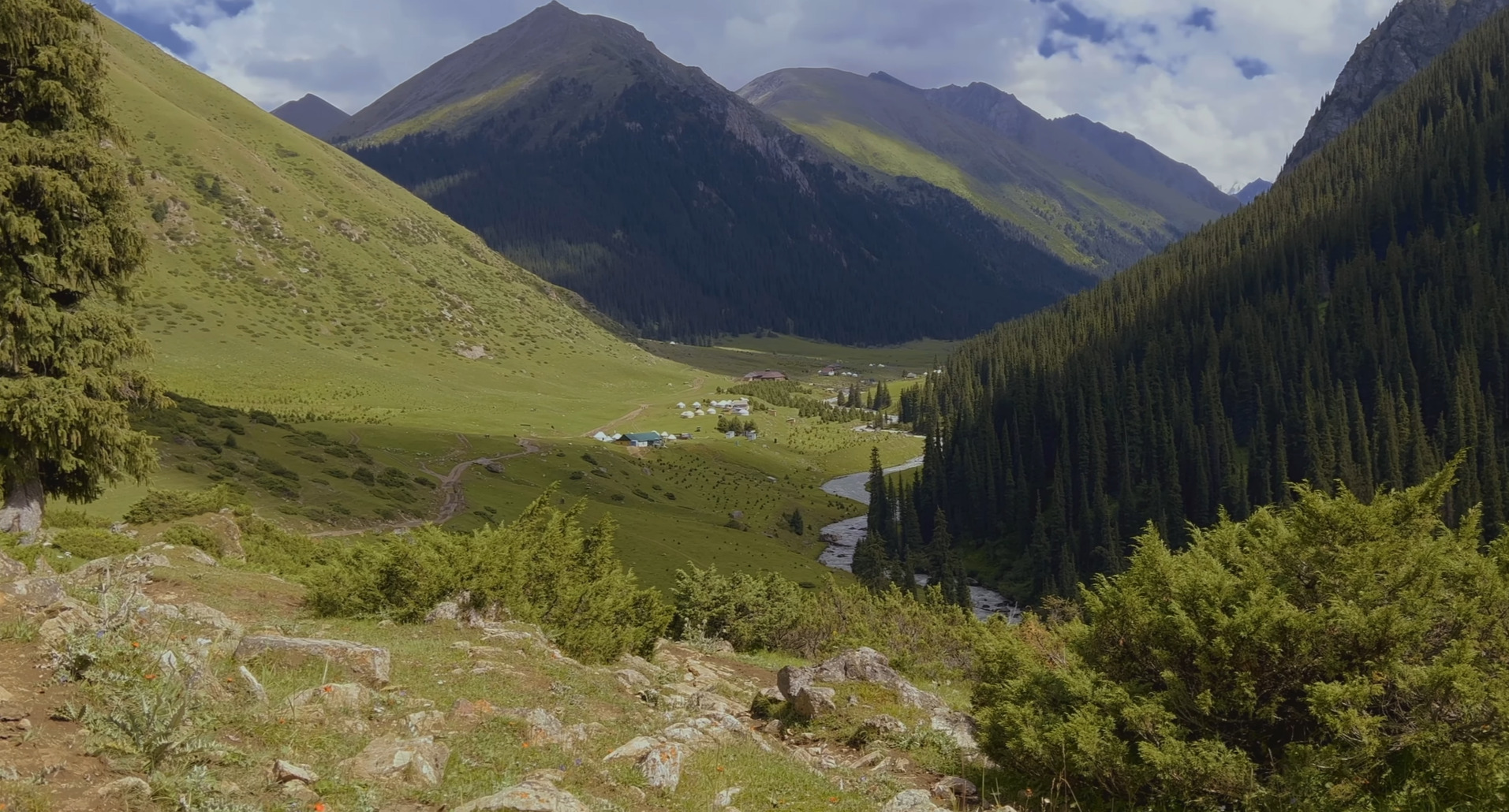
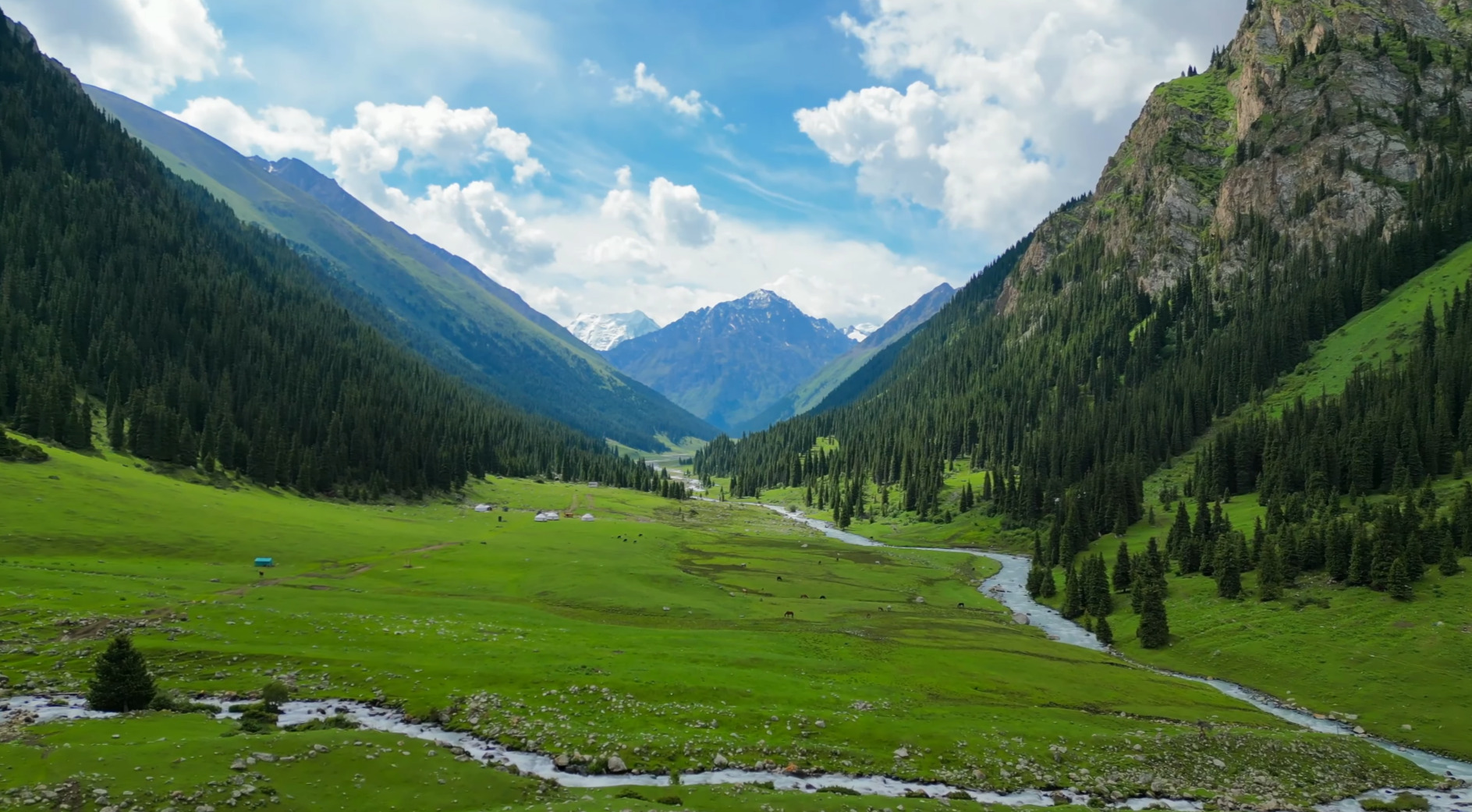
Altyn Arashan is a high mountain valley sitting at roughly 2,350–2,435 meters. It’s part of a larger system — trails, passes, routes and higher trekking lines that connect deeper into the Tien Shan.
The springs are just the excuse to go.
- Altitude: ~2,350–2,435 m
- Access: no paved road
- Infrastructure: minimal, functional
- Use: trekking base, overnight stop, thermal bathing
There’s no polished version of this place. What you see is what’s there.
How to Get to Altyn Arashan
There are only a few ways to reach the valley, and each one changes how the place feels when you arrive.
| Option | Time | Difficulty | What It Feels Like |
|---|---|---|---|
| Hiking | 4–7 hours | Moderate | Gradual, physical, you feel the distance |
| 4×4 Jeep | 2.5–4 hours | Low physical effort | Intense ride, no build-up — just impact |
| Combined | 1 day | Moderate | Balanced — effort one way, speed the other |
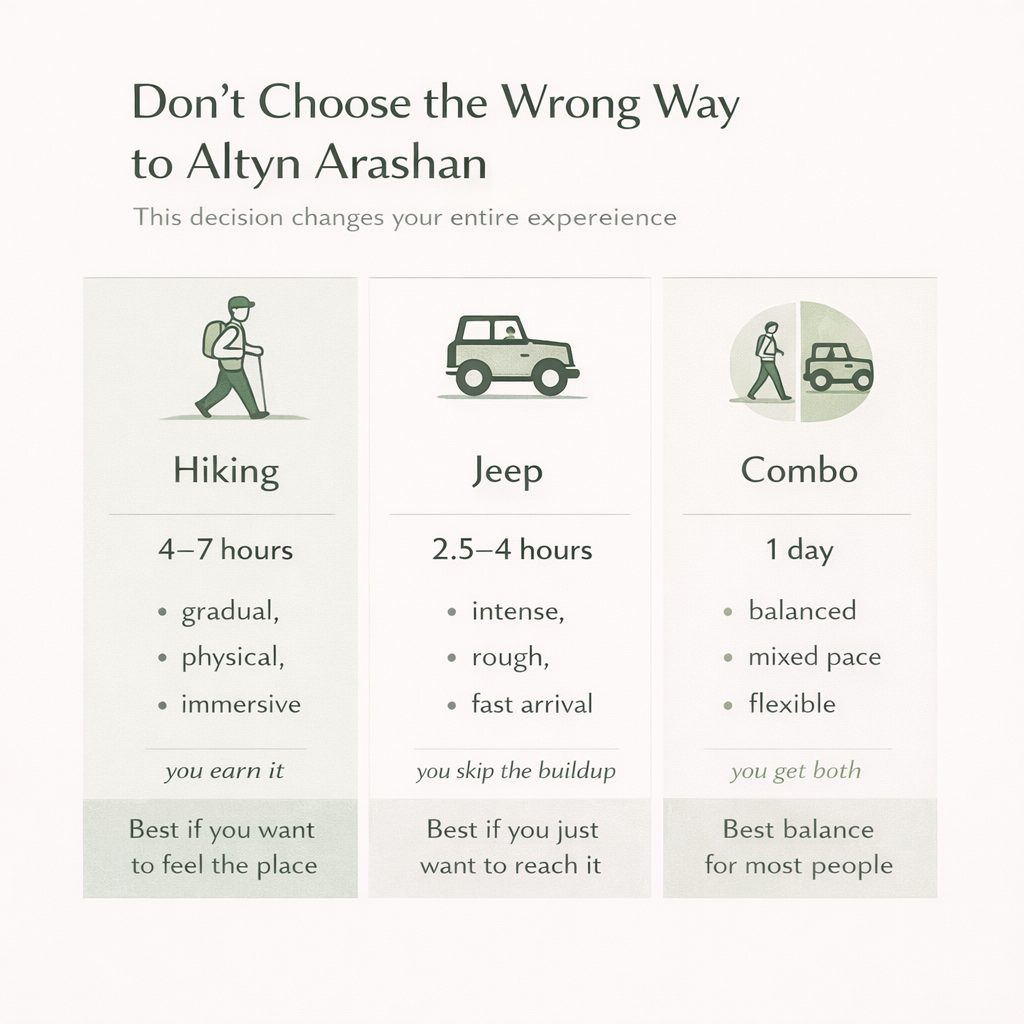
None of them are wrong. They just lead to different versions of the same place.
If you go up too fast, the place can feel underwhelming at first. The slower you approach it, the more it tends to land.
How to Get to Altyn Arashan from Karakol
| Option | Best For | Typical Route | Difficulty |
|---|---|---|---|
| Hiking | Independent travelers and trekkers | Karakol to Ak-Suu / Teploklyuchenka, then walk into the valley | Moderate, long uphill approach |
| 4×4 transfer | Travelers short on time or carrying luggage | Karakol to Ak-Suu, then rough mountain road to Altyn Arashan | Easiest physically, but road can be rough |
| Horse riding | Scenic approach and local experience | Usually arranged from Karakol or nearby villages | Moderate, depends on riding experience |
| As part of Ala-Kul trek | Multi-day trekkers | Ala-Kul route finishing through Altyn Arashan | Demanding, high-altitude route |
A return 4×4 trip from Karakol is the simplest way to visit Altyn Arashan without the 4–7 hour uphill hike. The current trip includes transport, an English-speaking guide and about four hours in the valley; hot-spring entry and meals are paid separately.
Altyn Arashan 4×4 Transfer & Hot Springs Experience
A practical option from Karakol if you want to reach Altyn Arashan without the long uphill hike. Transport and guide are included; hot-spring entry and meals are paid separately.
Route Logic (Without a Map)
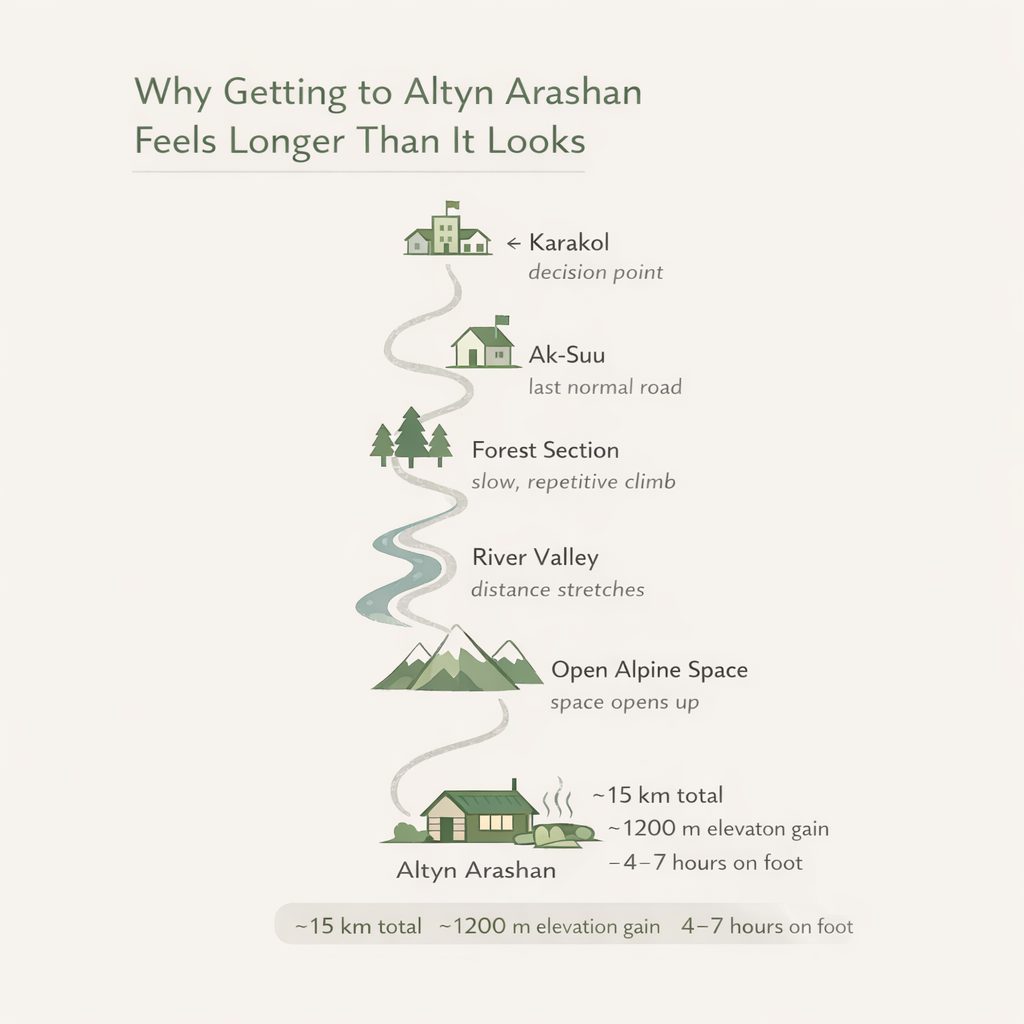
You don’t need GPS to understand this route. It’s not complicated — it just unfolds in layers.
- Karakol — movement starts here, decisions happen here
- Ak-Suu — transition point, everything after feels less structured
- Forest section — enclosed, steady, almost repetitive
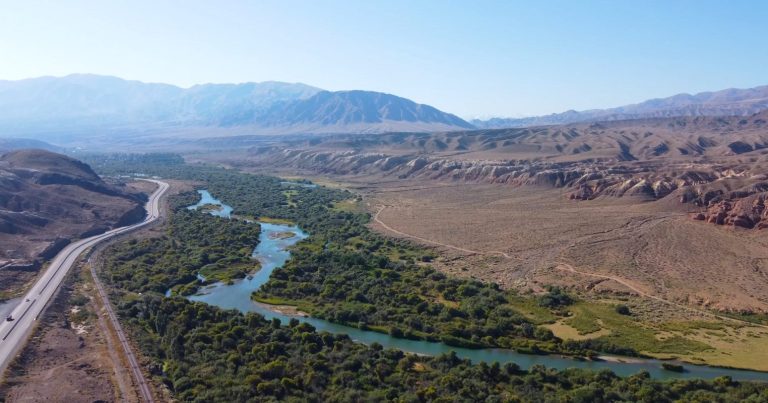
- River valley — direction becomes obvious, but distance stretches
- Open alpine space — where things finally breathe
There’s no moment where you feel lost. Just moments where you realize how far things actually are.
Typical Route (What Most People Actually Do)
- 08:00 — leave Karakol
- 08:30 — arrive in Ak-Suu
- 09:00 — start hike or jeep ascent
- 13:00–15:00 — arrival in Altyn Arashan
- Evening — hot springs + dinner
- Next day — return (hike or jeep)
The Road from Karakol (What It Feels Like)
The distance is short. Around 15 kilometers from Ak-Suu.
That number doesn’t help much.
The road is uneven, broken in places, sometimes more like a suggestion than a route. Vehicles don’t glide — they negotiate. Slowly. Carefully. Sometimes sideways.
At first it feels interesting. Then it becomes physical. You feel every section of it.
What works
- Fastest way to reach the valley
- No need for hiking experience
- Accessible even with limited time
What to expect
- Very rough ride
- Longer than it looks on paper
- Weather can make it unpredictable
Some people enjoy it. Some don’t. Almost everyone remembers it.
Altyn Arashan Altitude and Elevation
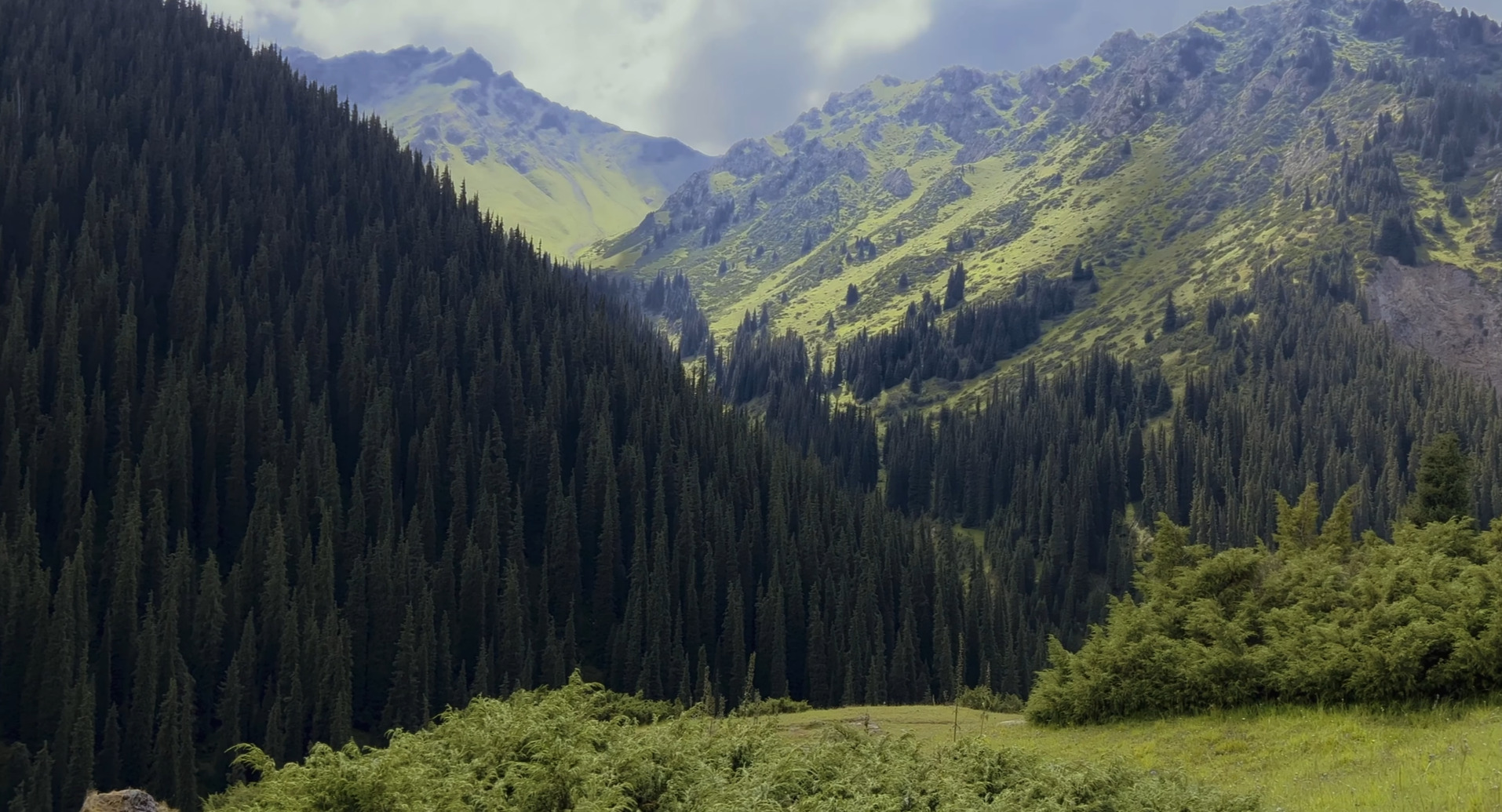
Altyn Arashan sits at roughly 2,350–2,435 meters above sea level, depending on the exact part of the valley. That is high enough for cold nights, fast weather changes and a noticeable difference from Karakol, but it is usually easier to handle than higher trekking routes such as Ala-Kul Pass.
The altitude matters most for packing and pacing. Even in summer, bring warm layers for the evening, and do not treat Altyn Arashan like a lowland hot spring resort.
Altyn Arashan Hot Springs
The hot springs are the main reason many travelers visit Altyn Arashan. The area is known for thermal spring pools and simple bath facilities set in a mountain valley. Some pools are private or guesthouse-managed, while others may feel more basic and local.
Do not expect a luxury spa experience unless you book a more comfortable stay in advance. The appeal is the setting: hot water, cold mountain air, pine forest and high peaks around the valley.
Hiking to Altyn Arashan (What the Trail Feels Like)
The trail doesn’t hit you all at once. It builds.
You start near Ak-Suu, where things still feel close to town. A few houses, some movement, a sense that you can still turn back without thinking about it.
Then the path narrows, and that option quietly disappears.
- Distance: ~16 km
- Elevation gain: ~1200 m
- Time: 4–7 hours depending on pace
The first part is steady. Not easy, but predictable. Forest around you, river nearby, a rhythm that settles in.
After a while, it starts to stretch. Not steeper in a dramatic way — just enough to slow everything down. Breaks get longer. Steps get shorter. You start noticing your breathing more than the scenery.
And then, almost without warning, it opens up.
The valley doesn’t reveal itself in one clean moment. It expands gradually. Trees thin out. Light changes. Space appears.
Most people expect a viewpoint. There isn’t one clear “this is it” spot. The landscape just grows around you until you realize you’re already inside it.
1 Day vs 2 Day Trip
This is one of those decisions that looks simple before you go and obvious after.
| Option | What It Feels Like | When It Works |
|---|---|---|
| 1 Day | Constant movement, little pause | If time is limited |
| 2 Days | Slower, more settled | If you want to experience the place |
A one-day trip is doable. People do it all the time. Hike up, spend a bit of time, come back down or drive out.
If you would rather compare the main guided formats first, see the Altyn Arashan tour options, including short 4×4 visits, overnight trips and longer routes combined with Ala-Kul.
But it turns the whole thing into a task.
Two days changes the pace. You arrive, stop moving, and the place has time to actually register.
If you only remember one thing from the trip, it’s usually from the evening — not the hike.
A practical private alternative to building the trip yourself, combining the south-shore highlights, Jeti-Oguz and Altyn Arashan without committing to a demanding Ala-Kul trek.
Common Mistakes
Most problems here don’t come from difficulty. They come from wrong expectations.
- Thinking the road is “just a rough drive”
- Trying to fit everything into a single day
- Assuming the altitude won’t matter
- Expecting comfort similar to developed mountain areas
None of these ruin the trip. They just make it harder than it needs to be.
Expectation vs Reality
Altyn Arashan is one of those places where expectations drift away from what’s actually there.
| Expectation | Reality |
|---|---|
| Easy access from town | Slow approach, either physically or mentally |
| Relaxing hot spring destination | A journey with a hot spring at the end |
| Clear highlights | A gradual experience without a single peak moment |
| Short trip | Feels longer than the distance suggests |
That gap isn’t a problem. It’s part of why the place sticks.
Who This Is NOT For
Not every place works for every kind of traveler. This one is pretty specific.
- If you want comfort from start to finish
- If rough roads feel stressful rather than interesting
- If you prefer clearly structured experiences
- If altitude tends to hit you quickly
Skipping it doesn’t mean missing out. It just means choosing something that fits better.
But if none of that sounds like a problem, you’re probably in the right place.
What the Hot Springs Actually Feel Like
By the time you get to the hot springs, the idea of them has already changed.
At the start of the trip, they feel like the main reason to go. Somewhere along the way, they become something else — a pause point, not the goal.
And when you finally step into one, it’s not what most people imagine.
- No open spa complexes
- No polished pools
- No “designed” experience
Instead, you get small wooden structures. Simple rooms. Water that comes in hot, sometimes very hot, and doesn’t try to impress you.
You sit there, usually in silence, with cold air just outside the door and mountains that don’t feel like a backdrop — more like something you’re temporarily allowed into.
The springs themselves are basic. What makes them work is everything around them — the altitude, the effort it took to get there, the contrast.
How the Evening Feels (This Is Where It Lands)
This part rarely shows up in guides, but it’s usually what people remember.
Movement stops. There’s nowhere else to go. No next point on the route.
Light fades quickly in the valley. Temperature drops faster than expected. Conversations slow down, then disappear.
And that’s when the place starts to feel different.
Not dramatic. Not overwhelming. Just… still.
You realize that getting there was most of the experience, and now you’re just inside it.
Evenings in Altyn Arashan are quiet by default. No nightlife, no distractions — just a short window where everything settles at once.
Real Cost Breakdown
Costs here are simple. Not cheap in every case, but straightforward.
| Item | Typical Price |
|---|---|
| Jeep transport (one way) | $20–40 |
| Guesthouse (with meals) | $10–25 |
| Hot springs entry | $2–6 |
| Horse (optional support) | $15–30 |
There aren’t many hidden costs. What you see is usually what you pay.
The bigger decision isn’t price — it’s how you want to get there.
Where You Actually Stay
Accommodation in Altyn Arashan is functional. That’s the best way to describe it.
- Small guesthouses run by local families
- Basic shared rooms or simple private setups
- Meals included more often than not
Comfort isn’t the focus.
Electricity can be limited. Heating depends on the season. Showers are not guaranteed, and when they exist, they’re not something you plan your day around.
But the structure of the place makes it work. You arrive tired, eat, sit for a while, and sleep earlier than usual.
Trying to compare accommodation here to hotels misses the point. It works because it fits the environment — not because it competes with anything.
What Surprises People Most
Not the mountains. Not the altitude.
It’s how quickly your expectations reset.
Things that would feel inconvenient somewhere else — limited electricity, simple food, no signal — stop feeling like issues. They just become the default.
And once that shift happens, the whole place feels easier.
Best Time to Visit (What Actually Changes)
Most guides will tell you “summer is best.” That’s true, but it doesn’t explain much.
What really matters here isn’t just temperature — it’s access.
| Period | What It Feels Like | Access |
|---|---|---|
| May – early June | Unstable, wet, slower movement | Possible, but inconsistent |
| Late June – September | Clear, predictable, open | Best window |
| October | Cold mornings, sharp air, fewer people | Still possible |
| Winter | Snow, isolation, very quiet | Limited, not typical |
In early season, the issue isn’t just rain or mud. It’s that everything slows down — the road, the hike, even decision-making.
In peak summer, things align. Trails are clear. Movement feels smoother. The valley opens up the way people expect it to.
If you want the experience people imagine when they search for Altyn Arashan, aim for mid-summer. Earlier or later shifts the entire feel of the trip.
Weather and Conditions (What It Feels Like on the Ground)
Weather here doesn’t behave like in cities. It moves faster and feels closer.
- Warm during the day in summer
- Cold evenings, even in peak season
- Rapid changes — sun to cloud to rain within hours
The key difference is exposure.
There’s less protection from it. When it changes, you feel it immediately — not gradually.
Altitude plays into this. At around 2300 meters, even small shifts feel sharper than expected.
Even in July, nights can drop close to freezing. Most people don’t expect that on their first visit.
Altyn Arashan and Ala-Kul (How They Connect)
For a lot of travelers, Altyn Arashan isn’t a standalone destination. It’s part of a larger route.
The most common connection is with Ala-Kul.
The route usually looks like this:
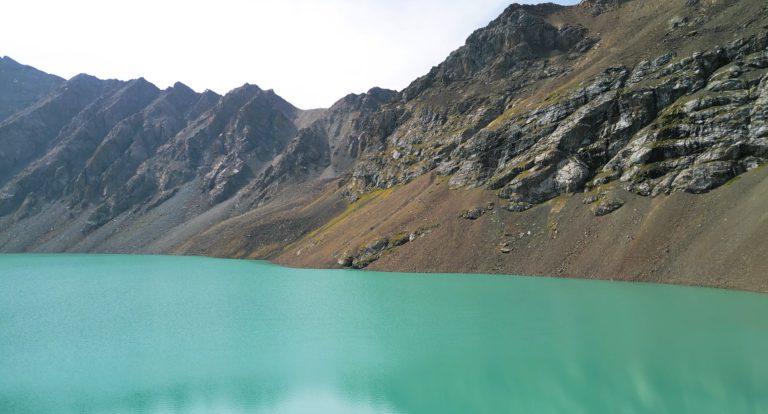
- Karakol → Karakol Valley → Ala-Kul Lake
- Crossing the pass (~3900 m)
- Descent into Altyn Arashan
This changes everything.
Instead of a single destination, it becomes a progression. Each part leads into the next, and Altyn Arashan shifts from “goal” to “landing point.”
Altyn Arashan vs Ala-Kul (Quick Decision)
| Altyn Arashan | Ala-Kul | |
|---|---|---|
| Main experience | Valley + hot springs | High-altitude lake |
| Difficulty | Moderate | Hard |
| Best for | Short trips | Multi-day trekking |
What Changes If You Do Ala-Kul First
Approaching Altyn Arashan from Ala-Kul feels completely different from coming directly from Karakol.
- You arrive from above, not below
- The valley opens downward instead of building up
- The hot springs feel like recovery, not reward
Physically, it’s harder. The pass is high, and the climb is real.
But the structure of the journey makes more sense. Everything connects.
If you’re already considering Ala-Kul, don’t treat Altyn Arashan as a separate trip. It works better as the second half of the same route.
If you would rather arrange the full route with a guide, this four-day trek starts from Karakol and combines Ala-Kul Lake, the high pass and the descent into Altyn Arashan.
The stronger choice if Altyn Arashan is part of a real trek rather than a standalone day trip, combining Ala-Kul Lake, the high pass and the descent into the hot-spring valley.
Short vs Multi-Day Route Logic
There are two ways people approach this region.
They either isolate Altyn Arashan… or they let it sit inside a longer route.
| Approach | Structure | Experience |
|---|---|---|
| Standalone | Karakol → Altyn Arashan → return | Focused, simpler |
| Integrated | Karakol → Ala-Kul → Altyn Arashan | More complete, physically demanding |
Both work. They just answer different questions.
One asks: “Can I get there?”
The other asks: “How far can this go?”
Is Altyn Arashan Worth It?
That depends on what you’re expecting to get out of it.
If you look at it as a place — just a valley with hot springs — it might feel underwhelming at first. There’s no single highlight, no moment where everything peaks at once.
But if you look at it as a process — getting there, slowing down, adjusting to the altitude, settling into the space — it tends to land differently.
Why it works
- Feels earned, not accessed
- Combination of movement + recovery
- Less structured than most destinations
Where it doesn’t land
- No comfort-focused experience
- Access takes time and effort
- No clear “highlight moment”
It’s not a place that tries to impress you. It just sits there and lets you adjust to it.
Quick Decision
If you want something easy — skip it.
If you want something that feels like you had to get there — go.
FAQ
Can you visit Altyn Arashan without a guide?
Yes. The route from Karakol is accessible independently, especially in summer. Trails are visible and commonly used. That said, conditions can shift quickly, so basic preparation still matters.
How difficult is the hike?
Moderate overall. The distance is manageable, but the elevation gain and altitude make it feel slower than expected. Most people complete it without technical difficulty.
How long does it take to get there?
On foot, usually between 4 and 7 hours depending on pace. By 4×4 vehicle, around 2.5 to 4 hours due to road conditions.
Can you do it in one day?
Yes, but it tends to feel rushed. Staying overnight changes the pace and makes the experience more complete.
Are the hot springs natural?
Yes, but they are accessed through simple built structures. Expect basic facilities rather than open natural pools.
Is Altyn Arashan suitable for beginners?
For hiking — yes, with a reasonable level of fitness. For the full experience including altitude and conditions, some preparation helps.
Where This Fits in Your Trip
Altyn Arashan doesn’t try to impress you fast.
It works slower than that. Step by step, hour by hour — until at some point you stop thinking about how you got there.
And that’s usually when it lands.
Give it at least one night. Choose how you want to get there — not just how fast. That decision shapes everything else.
The better fit if you have not planned the rest of your trip yet, combining Altyn Arashan with Song-Kul and Issyk-Kul instead of treating the valley as a separate excursion.