Things to Do in Kyrgyzstan: Mountains, Lakes, Yurts and Wild Road Trips
Kyrgyzstan is not the kind of country where you simply tick off a few monuments and call the trip done. The best things to do here usually involve movement: driving around a vast mountain lake, riding a horse across summer pastures, hiking into the Tian Shan, eating in a noisy bazaar, sleeping in a yurt, or standing somewhere remote enough that your phone has given up completely.
That is also what makes planning a trip tricky. Distances look harmless on a map. Mountain weather changes quickly. Some lakes are easy to reach, while others need a 4×4, border permits, a guide, or a very flexible attitude toward road conditions. A “simple” yurt stay can be one of the best memories of your trip, but it may also mean an outdoor toilet, cold nights and no hotel-style comfort.
This guide is designed to help you choose the right experiences, not just collect a long list of pretty places. Some activities are easy day trips from Bishkek. Others belong in a two-week adventure itinerary. A few are only worth attempting in the right season with the right support.
For a broader planning overview before you choose individual activities, start with our Kyrgyzstan travel guide.
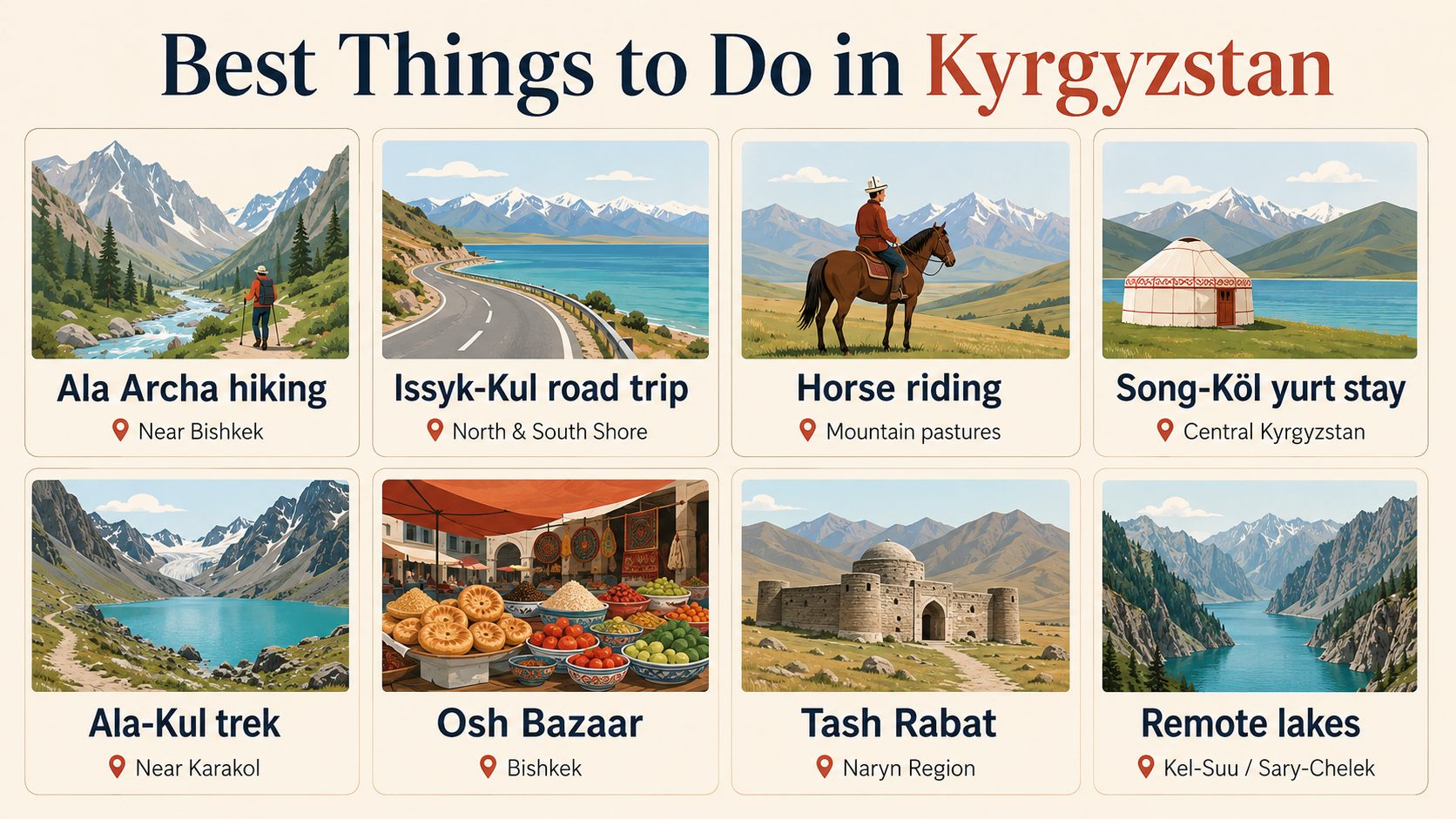
Best Things to Do in Kyrgyzstan at a Glance
If this is your first time in Kyrgyzstan, do not try to do everything. The country rewards slower travel. A well-planned route around Bishkek, Issyk-Kul, Karakol and one mountain or yurt experience will usually feel better than a rushed attempt to cross half the country in a week.
| Experience | Best For | Region / Focus |
|---|---|---|
| Horse riding to summer pastures | Nomadic culture, yurts, open landscapes | Central Kyrgyzstan / mountain pastures |
| Ala Archa hiking | First mountain day from Bishkek | Chuy Region / day trip |
| Issyk-Kul road trip | Lakes, canyons, villages, relaxed travel | Issyk-Kul Region |
| Ala-Kul and Altyn Arashan | Strong hikers and mountain travelers | Karakol / Tian Shan trekking |
| Osh and the south | Markets, Silk Road history, Alay Valley access | Southern Kyrgyzstan |
| Tash Rabat and remote lakes | Longer road trips and second-time visitors | Naryn Region |
If your trip is mostly lake-focused, compare easier and harder routes in our guide to the lakes of Kyrgyzstan.
Issyk-Kul, Karakol and a Mountain Day Trip
For most first-time visitors, this combination gives the best balance of lake scenery, mountain access, food, culture and realistic logistics without forcing a rushed expedition across the whole country.
How to Choose the Right Kyrgyzstan Experiences
The best activity in Kyrgyzstan depends less on what looks dramatic in photos and more on your season, fitness level, transport plan and tolerance for basic conditions. A traveler with ten summer days and hiking experience should plan very differently from someone with four days in spring and no interest in sleeping in remote mountain camps.
If this is your first trip
Start with the classics: Bishkek, Ala Archa, Issyk-Kul, Karakol and, if the season allows, a yurt or horse riding experience. This gives you a real taste of Kyrgyzstan without building an itinerary that collapses the moment one road takes longer than expected.
Short on time? Our best day trips from Bishkek guide is the cleaner starting point.
If you do not want hard trekking
You can still have an excellent trip. Kyrgyzstan is famous for mountains, but you do not need to cross high passes to enjoy the country. Bishkek food walks, Osh Bazaar, Burana Tower, Issyk-Kul, Skazka Canyon, Karakol, short valley walks and a simple yurt stay all work for travelers who prefer scenery without a punishing hike.
For a city-based introduction, see our Bishkek city tour guide.
If you want real adventure
Then Kyrgyzstan opens up quickly. Ala-Kul, Altyn Arashan, Song-Köl horse treks, Kel-Suu, Tash Rabat, the Alay Valley and remote Naryn routes all belong in the adventure category. These are not all equally difficult, but they share one thing: they require more planning than a normal sightseeing stop.
If you only have 3 to 5 days
Be disciplined. If you are planning five days in Kyrgyzstan, stay near Bishkek, visit Ala Archa, add Burana Tower or Konorchek Canyons, and spend time eating properly rather than sitting in a car for ten hours. If you stretch to Issyk-Kul, keep the route simple. Trying to include Karakol, Song-Köl, Osh and a remote lake in the same short trip is how good itineraries turn into road fatigue.
1. Hike in Ala Archa National Park
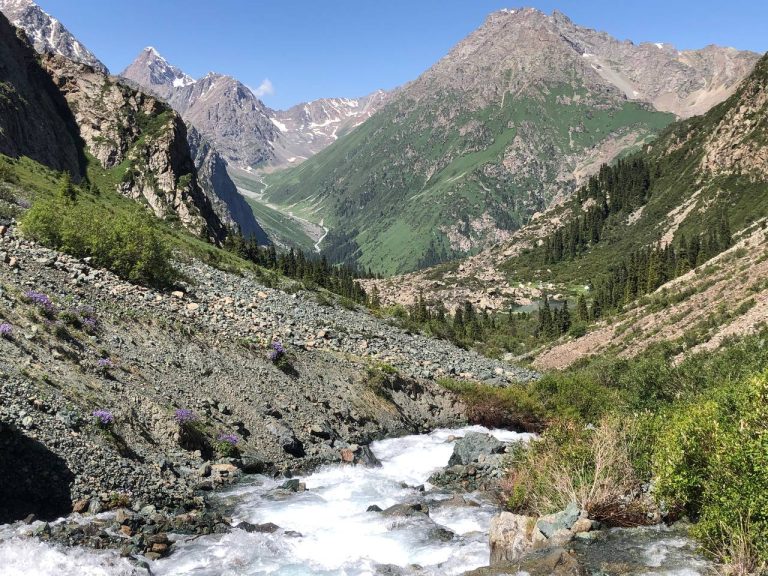
Ala Archa is the easiest way to feel the mountains without leaving the Bishkek region. The national park sits close enough to the capital for a day trip, yet the scenery changes fast: city streets give way to steep valleys, snow-dusted peaks, rushing water and proper alpine air.
That convenience is why Ala Archa is often the first outdoor activity travelers do in Kyrgyzstan. It works well after arrival, especially if you want to stretch your legs before heading toward Issyk-Kul or Karakol. You can keep it simple with a valley walk, or push into more serious hiking if you have the fitness, weather and equipment for it.
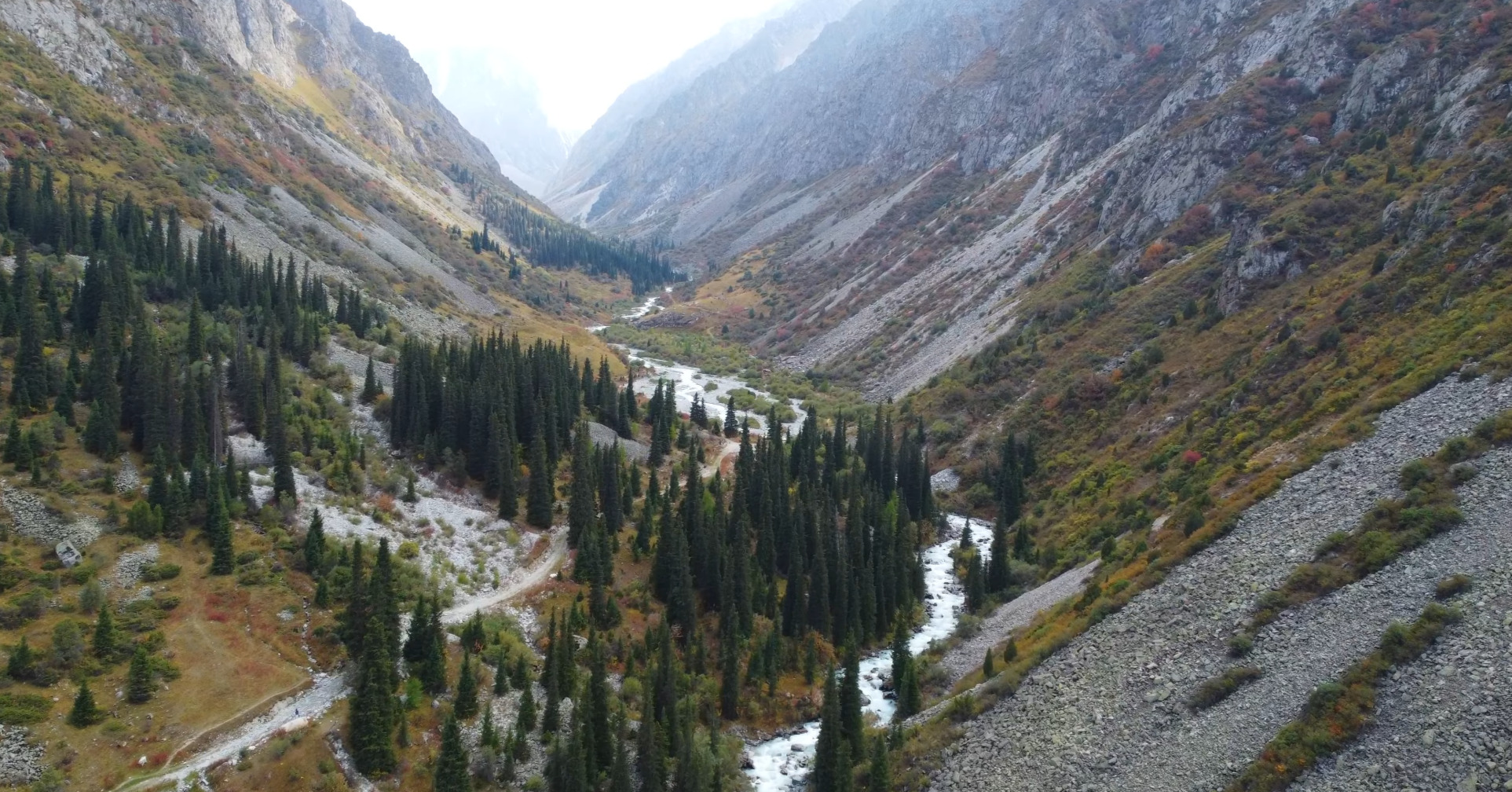
The mistake is treating Ala Archa as just a city park. The lower trails can feel accessible, but the higher routes are still mountain terrain. Weather can change, paths can be icy or muddy depending on the season, and phone signal is not something to rely on once you go deeper into the valley.
For routes, transport and tour options, use our full Ala Archa tours guide.
2. Visit Kol-Tor Lake for a Tougher Day Hike
Kol-Tor Lake is one of the best ways to add a stronger hiking day to a Bishkek-based itinerary. It is not as universally known as Ala Archa, which is part of the appeal. The route gives you a sharper sense of mountain effort: more climbing, more silence, more reward at the end.
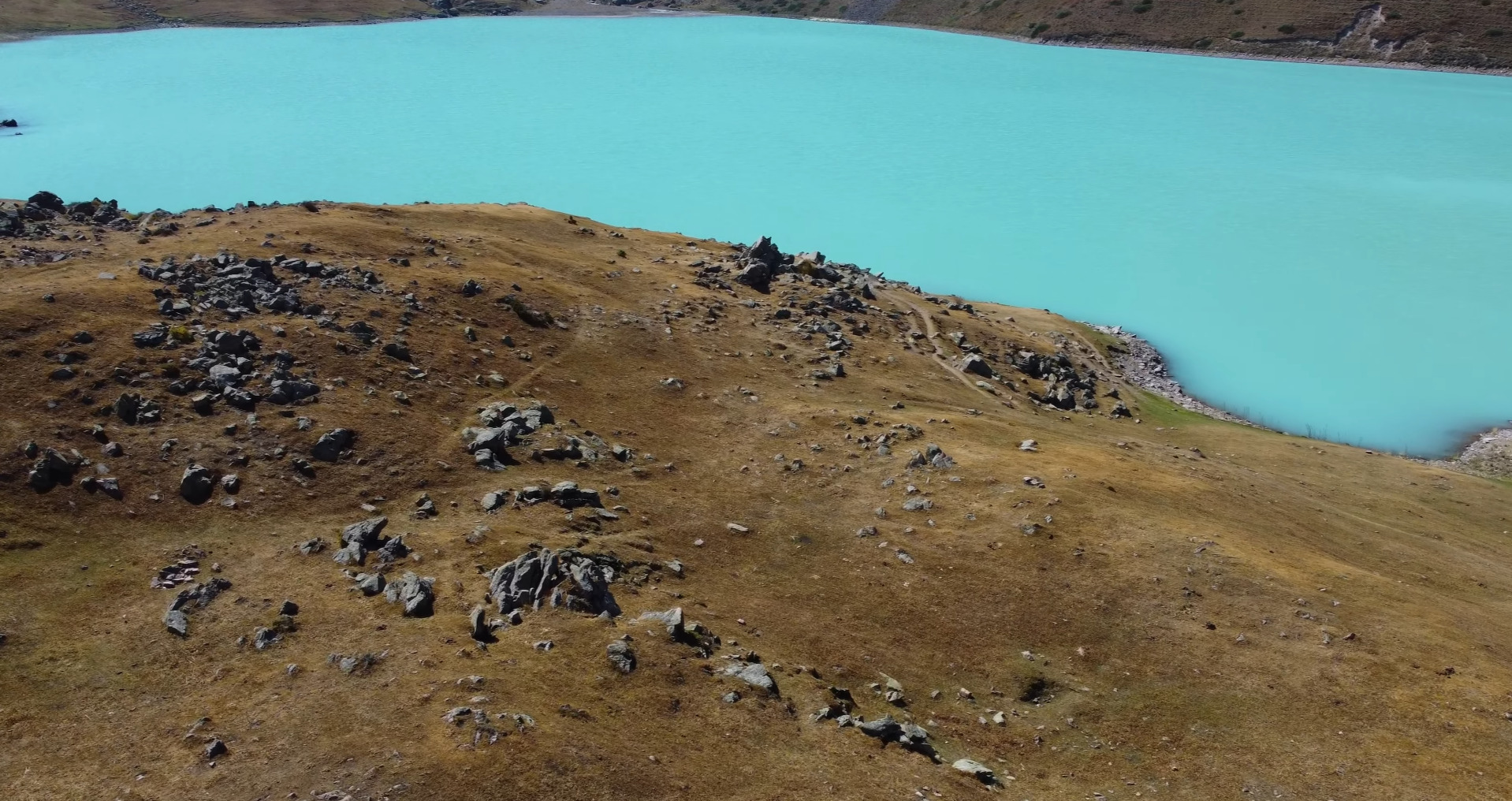
This is not the right choice if you want a gentle stroll in clean shoes. Kol-Tor is better for travelers who are comfortable hiking uphill for several hours and who understand that an alpine lake is not always warm, sunny or easy. In the right conditions, though, the payoff is excellent: turquoise water, steep slopes and the feeling that you have gone much farther from the capital than you actually have.
Kol-Tor also fills a useful gap in a Kyrgyzstan itinerary. Maybe Ala-Kul is too much. Maybe you do not have time for a multi-day trek. Maybe you want something more demanding than Ala Archa but still possible as a day or short overnight plan. This is where Kol-Tor makes sense.
For trail details and planning notes, read our Kol-Tor Lake hiking guide.
3. Road-Trip Around Issyk-Kul Lake
Issyk-Kul is not just a lake stop. It is one of the main travel corridors in Kyrgyzstan, and it can shape an entire trip. The lake is huge, ringed by mountains, villages, resort towns, canyons, hot springs and roads that lead toward Karakol, Jeti-Ögüz, Altyn Arashan and some of the country’s best trekking areas.
The first decision is whether you want the north shore, the south shore, or both.
North shore: easier, busier, more developed
The north shore is the more familiar holiday side of Issyk-Kul. It has more resort infrastructure, easier beach access, larger settlements and a more straightforward summer-lake atmosphere. This can be useful if you want comfort, family-friendly logistics or a simple break between mountain days.
Cholpon-Ata is the best-known base on this side of the lake. It works for beach time, lake views and a softer travel rhythm. If you are deciding where to stay on the north shore, our Cholpon-Ata guide explains the resort side of the lake.
South shore: rawer, more interesting for active travel
The south shore is usually more rewarding if you want movement and variety. This is where you can combine lake views with Skazka Canyon, Mars-like landscapes, Barskoon, Bokonbaevo, yurt camps, eagle hunting demonstrations and onward travel toward Karakol. It feels less polished than the north shore, which is exactly why many active travelers prefer it.
Do not underestimate the size of Issyk-Kul. Driving around it takes time, and the best version of this route is not a rushed lap. Give yourself at least a few days if you want to stop properly, eat, walk, swim, visit canyons and continue toward Karakol without turning every day into a transfer.
For route options from Bishkek, see our Issyk-Kul tours guide.
Performance Strengths
- Easy to combine lake views, canyons, villages and Karakol in one route.
- Works for travelers who want scenery without committing to a hard trek.
Logistical Considerations
- The lake is much larger than it looks on a map, so one rushed day is rarely enough.
- The north and south shores feel very different, so choose based on your travel style.
4. Explore Skazka Canyon, Mars Canyon and the South Shore Landscapes
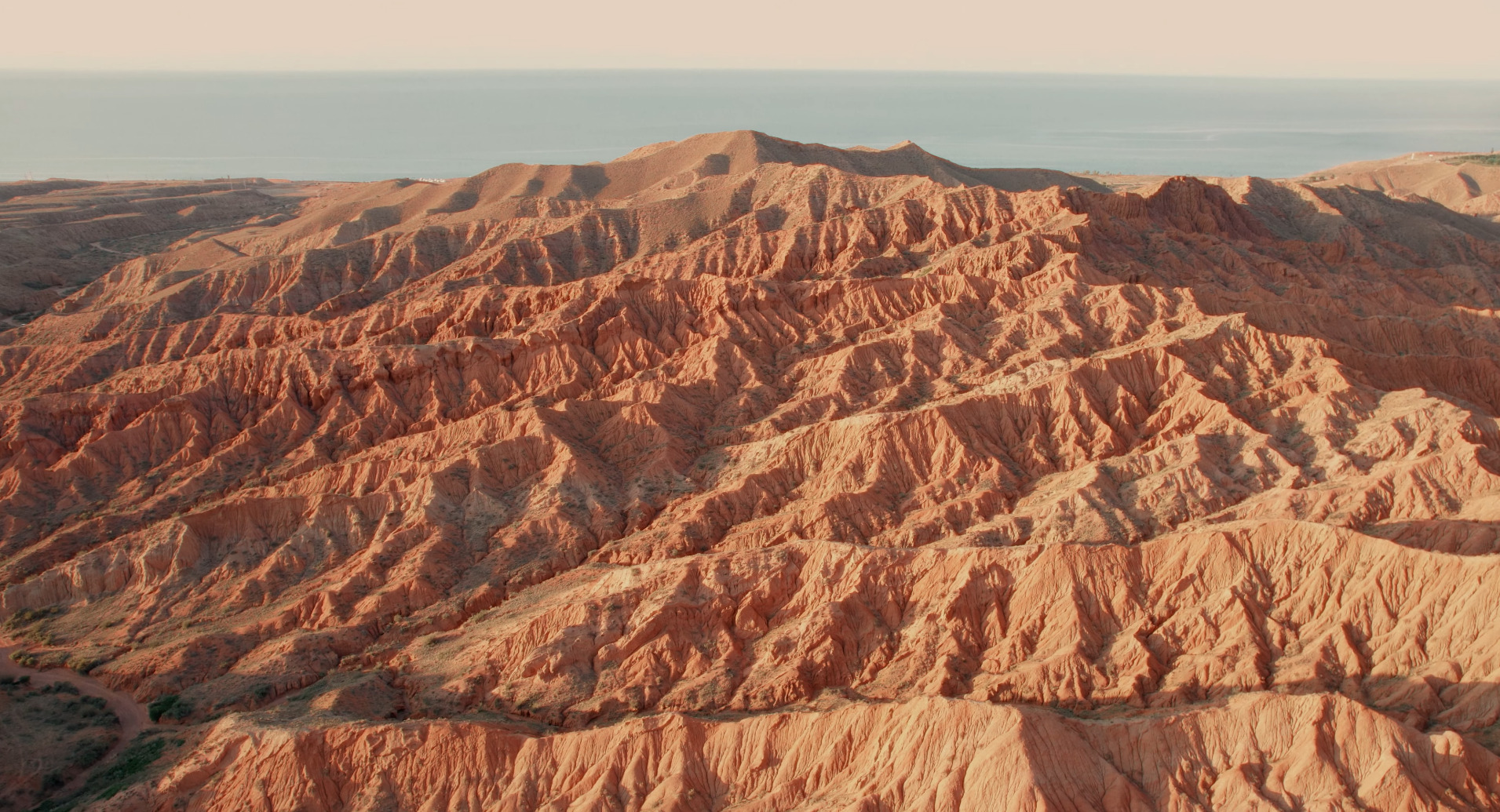
The south shore of Issyk-Kul deserves its own place in the article because it changes the tone of the trip. After the broad blue water and beach towns, the land suddenly breaks into dry ridges, red cliffs, strange folds of clay and desert-like shapes that feel almost out of place beside a high mountain lake.
Skazka Canyon, often called Fairytale Canyon, is the easiest and most popular stop. It is not a long expedition. You can walk among the formations, climb a few viewpoints and continue along the lake road. It is visual, accessible and especially good in softer morning or evening light.
Mars Canyon and nearby dry landscapes give the route a wilder feel. These places are not always as developed or clearly marked as major attractions, which is part of the point. You come for texture: red earth, silence, open sky and the contrast between desert forms and the lake behind you.
The best way to use these stops is not to treat each one as a separate destination. Build them into a south shore day with Bokonbaevo, a yurt stay, lake viewpoints, local food and maybe a continuation toward Jeti-Ögüz or Karakol.
5. Ride a Horse Across Kyrgyzstan’s Summer Pastures
Horse riding in Kyrgyzstan is not just a tourist add-on. In many mountain regions, horses are still part of everyday movement, pasture life and seasonal travel. For visitors, riding through open valleys and jailoo pastures can become the experience that makes the country click.
The classic version is a multi-day route to a high mountain lake or yurt camp. Song-Köl is the name most travelers hear first, but horse riding is possible in several regions, including the Issyk-Kul area, Kochkor, Naryn, Jyrgalan and parts of the south. The experience can be as simple as a short scenic ride or as involved as several days in the saddle.
New riders should be honest with themselves. A horse trek sounds romantic until you are tired, cold, sore and still have two more hours to go. That does not mean you should avoid it. It means you should choose the right route, ask about riding hours, understand the sleeping conditions and go with people who know the terrain.
For route types and what to expect in the saddle, see our horse riding tours in Kyrgyzstan guide.
6. Sleep in a Yurt Without Expecting a Hotel
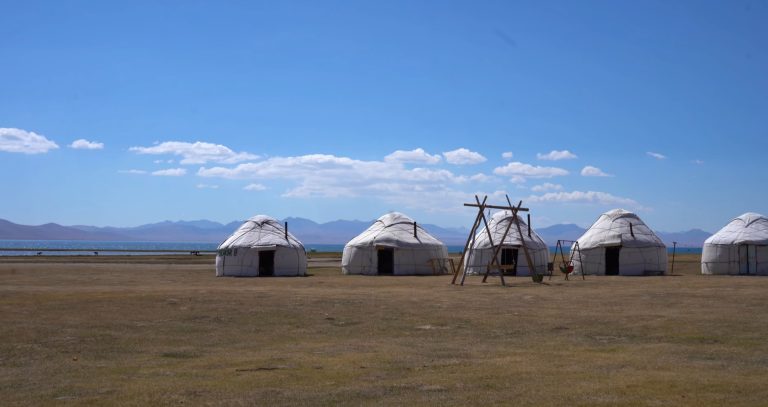
A yurt stay is one of the most memorable things to do in Kyrgyzstan, but it is also one of the easiest to misunderstand. Some camps are set up for visitors and feel relatively comfortable. Others are simple, practical and very basic. Neither version should be treated like a normal hotel.
Expect thick blankets, shared spaces, simple meals, outdoor toilets in many places and limited electricity. Showers may be basic or unavailable. Nights can be cold even in summer, especially at higher elevations. If you arrive expecting polished glamping, you may be disappointed. If you arrive expecting hospitality, mountain air, tea, bread and a different rhythm of travel, you may remember it for years.
The best yurt stays are often tied to a wider experience: horse riding, a lake route, a summer pasture, a family-run camp or a remote valley. Song-Köl is the classic choice, but there are also strong options around Issyk-Kul, Jyrgalan, Alay and Naryn.
Many yurt stays are combined with horse riding tours or lake routes from our lakes of Kyrgyzstan guide.
Are yurt stays in Kyrgyzstan comfortable?
They can be warm and memorable, but most are simple rather than hotel-like. Expect shared facilities, basic bedding, limited electricity and cold nights at higher elevations.
7. Use Karakol as Your Adventure Base
Karakol is one of the most useful towns in Kyrgyzstan for travelers who want more than a quick scenic loop. It sits near the eastern end of Issyk-Kul and works as a base for hiking, hot springs, valleys, food, winter sports and some of the country’s best-known mountain routes.
This is where many trips become more active. From Karakol, you can plan Ala-Kul, Altyn Arashan, Jeti-Ögüz, Jyrgalan and other Tian Shan routes. You can also slow down: visit the Dungan Mosque, see the Orthodox Cathedral, eat ashlyan-fu, visit the animal market if timing works, or spend a day recovering between hikes.
Karakol is not polished in the way some resort towns are. That is part of its value. It feels like a working town with layers: Kyrgyz, Dungan, Russian, Uyghur, Soviet and mountain-travel culture all overlapping in a way that gives the place more texture than a simple “trekking base” label suggests.
For the hot spring valley route, see our Altyn Arashan guide. If you want an organized version, compare options in our Altyn Arashan tour guide.
8. Trek to Ala-Kul Lake and Continue to Altyn Arashan
Ala-Kul is one of the most famous hikes in Kyrgyzstan for a reason. The lake sits high in the mountains above Karakol, with sharp ridges, changing colors and the kind of scenery that makes people plan an entire trip around one trek. But it should not be sold as a casual lake walk.
This is a real mountain route. The trail involves altitude, steep sections, rough weather potential and a high pass that can feel very different depending on the season. Some travelers do it independently, but that does not make it suitable for everyone. If you are not confident with mountain navigation, weather changes, gear and long hiking days, a guide or organized route is the safer choice.
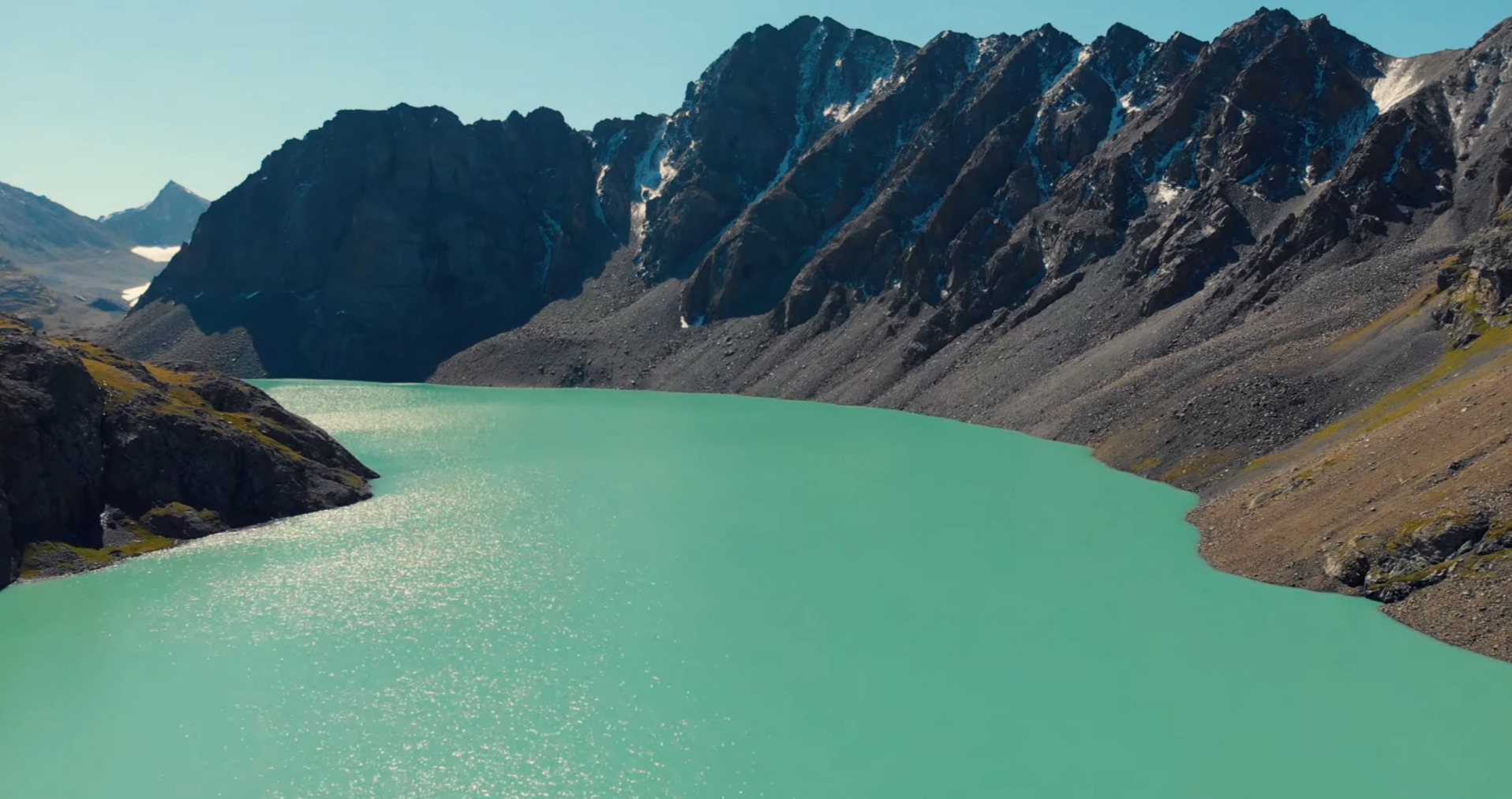
The best version is usually not the most rushed version. Giving the route enough time lets you move better, enjoy the lake properly and continue toward Altyn Arashan rather than turning the whole experience into a physical test. Altyn Arashan adds a softer finish: hot springs, valley views and a slower descent back toward civilization.
For route difficulty, timing and planning, read our full Ala-Kul Lake guide. Many hikers finish with the hot springs covered in our Altyn Arashan guide.
Performance Strengths
- One of the strongest high-mountain experiences near Karakol.
- Combines an alpine lake, a demanding pass and a hot spring valley finish.
Logistical Considerations
- Not suitable as an easy beginner walk.
- Weather, altitude and trail conditions can change the difficulty quickly.
9. Eat Kyrgyz Food Beyond the Tourist Menu
Food in Kyrgyzstan is not always delicate, but it is deeply tied to the way people live and travel. Expect meat, dough, broth, tea, bread, dairy, noodles, rice dishes and the kind of meals that make sense after cold weather, mountain roads or a long day outside.
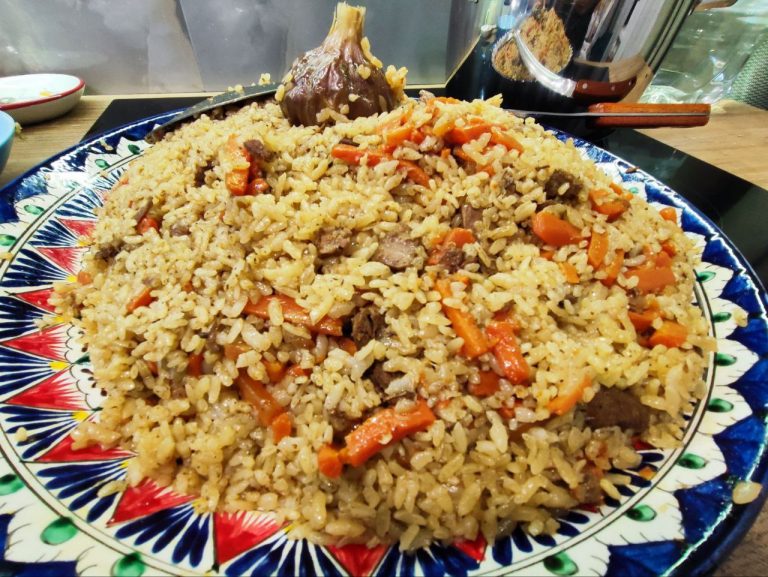
Start with the obvious dishes: beshbarmak, lagman, manty, samsa, plov and kuurdak. Then look for the regional layers. Karakol is famous for ashlyan-fu, a cold noodle dish with Dungan roots. Roadside cafés often do better lagman than polished city restaurants. In the mountains, tea, bread, jam, cream and simple soups can feel more important than any formal “national dish”.
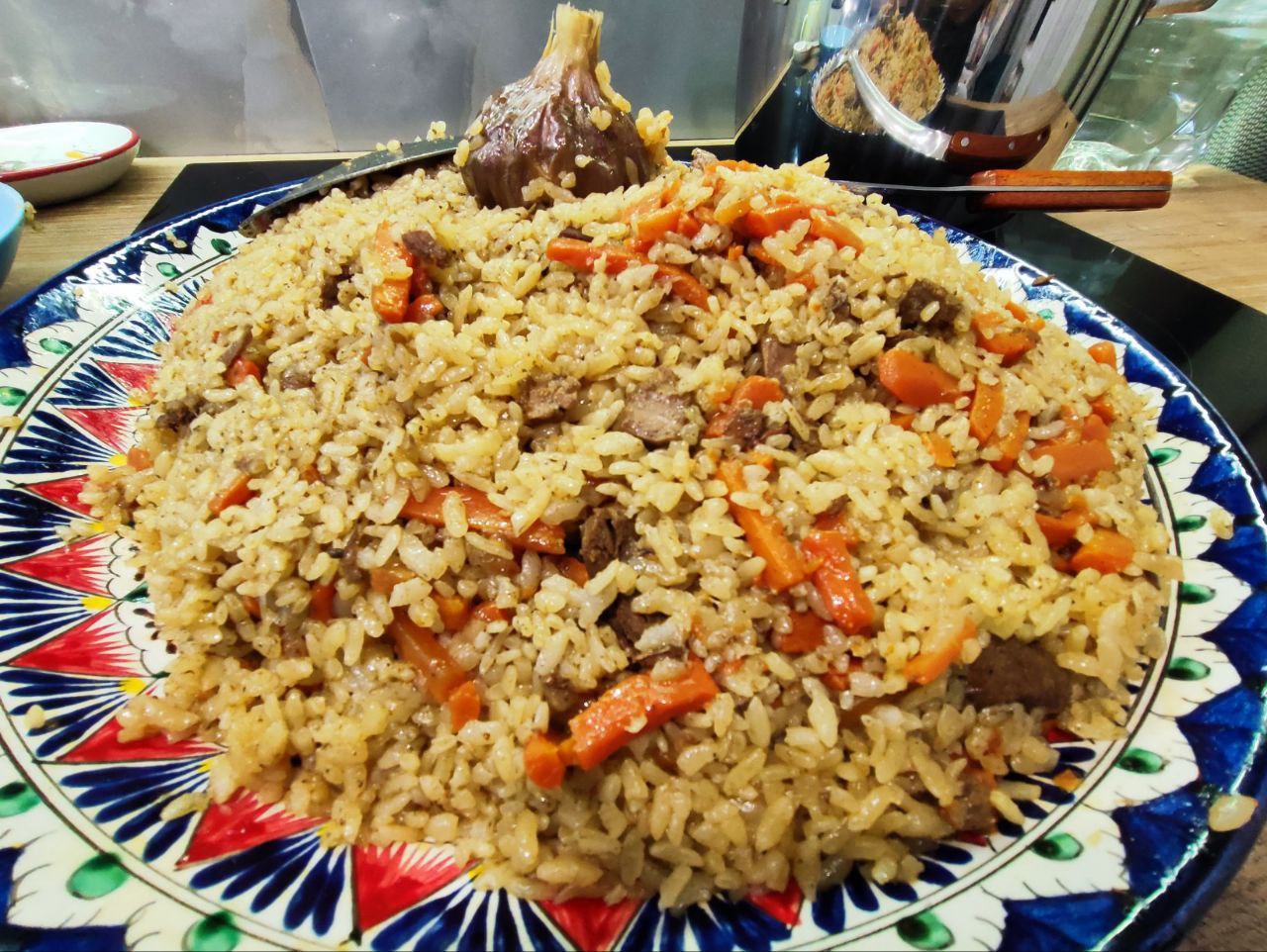
Kymyz, fermented mare’s milk, is part of the summer pasture world. It is not for everyone. Try it with curiosity rather than expectation. The same rule applies to much of Kyrgyz food: the best meals often happen in guesthouses, markets, family settings and roadside places, not only in restaurants designed for visitors.
For dishes, ingredients and what to order first, use our Kyrgyz national food guide. If you are starting in the capital, our Bishkek food tour guide gives a softer entry point.
What food should you try first in Kyrgyzstan?
Start with lagman, manty, samsa and plov if you want accessible dishes. Then try beshbarmak, kuurdak, ashlyan-fu in Karakol and kymyz if you are curious about traditional pasture drinks.
10. Wander Through Osh Bazaar in Bishkek
Osh Bazaar is one of the easiest ways to feel the everyday rhythm of Bishkek. It is loud, crowded, practical and full of movement: bread, spices, dried fruit, nuts, fabric, household goods, sweets, tea, vegetables, meat counters and people buying what they actually need for the week.
This is not a polished tourist market, which is why it works. Go slowly. Watch how people shop, how sellers stack bread, how spices are displayed, how dried fruits and nuts are sold by weight. If you are interested in food, this is one of the best places in the capital to understand what ends up on Kyrgyz tables before it reaches a restaurant menu.
Osh Bazaar also requires basic city awareness. Keep your phone and wallet secure, carry small cash, and ask before photographing people directly. Early in the day is usually better than arriving when everyone is tired and the lanes are busier.
For a deeper breakdown of what to see and how to navigate it, read our Osh Bazaar Bishkek guide.
11. Visit Burana Tower and Konorchek Canyons in One Day
Burana Tower is one of the easiest cultural day trips from Bishkek, but it works best when you understand its role. It is not a full-day attraction on its own. It is a short, atmospheric Silk Road stop that becomes much stronger when paired with the landscapes of the Chuy Valley or Konorchek Canyons.
The tower gives the day a historical anchor. You get a glimpse of medieval Central Asia, old trade routes and the remains of a once-important settlement. The surrounding balbals, open land and mountain backdrop make the place more interesting than the tower alone might suggest.
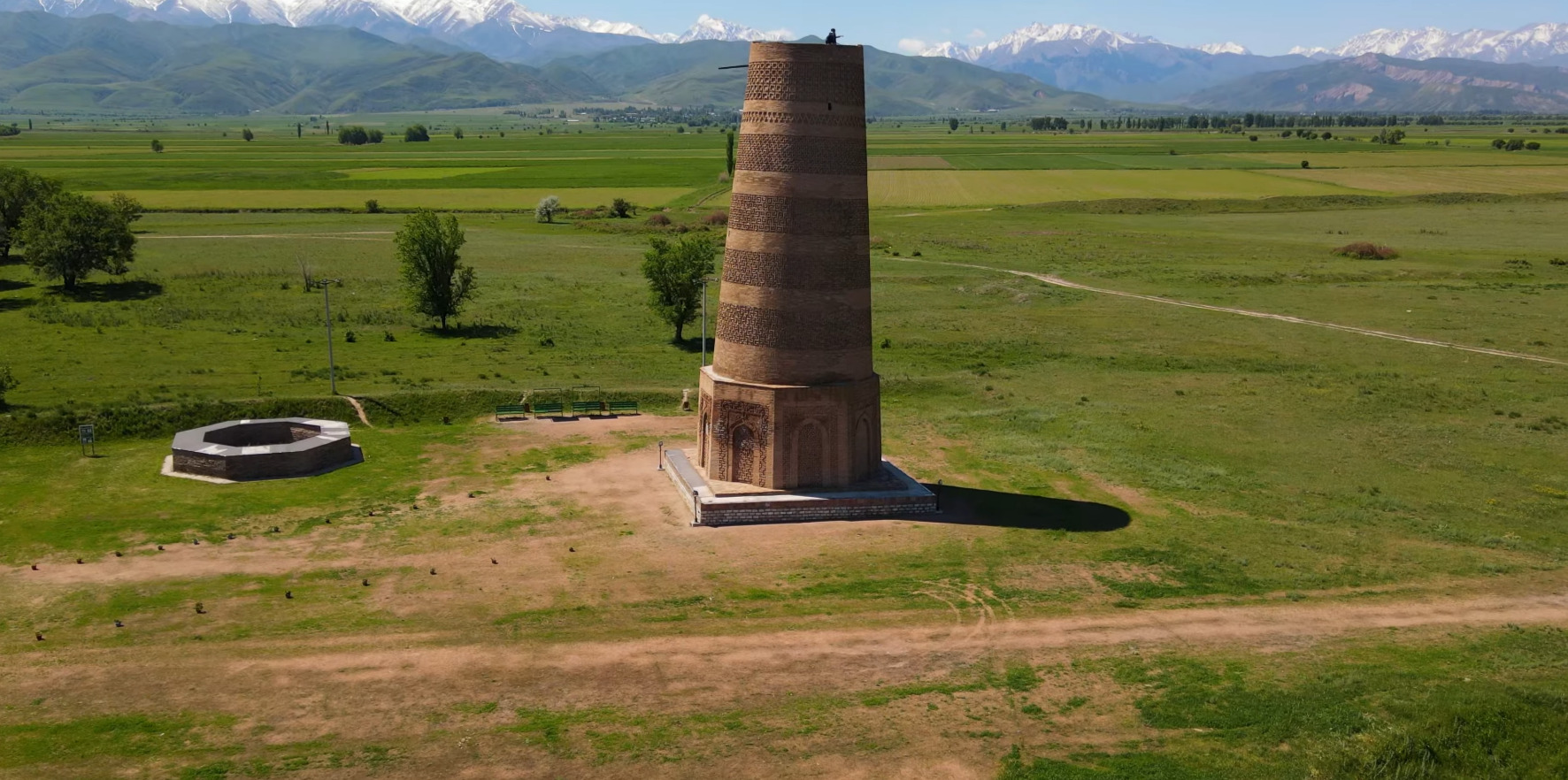
Konorchek Canyons add movement. Instead of spending the day only on monuments, you walk into dry red formations, narrow passages and open desert-like scenery. The combination works well because it balances history and landscape without requiring a major expedition.
This is a smart choice if you have already done Ala Archa or want a less physically demanding day outside Bishkek. It is also useful in spring or autumn, when some higher mountain activities may be less reliable.
For the full route, timing and canyon section, see our Burana Tower and Konorchek Canyons day trip guide.
12. Plan at Least One Real Mountain Experience
It is easy to talk about Kyrgyzstan through its famous lakes: Issyk-Kul, Song-Köl, Ala-Kul, Kel-Suu, Sary-Chelek. But the lakes only make sense because of the mountains around them. The real structure of the country is vertical: valleys, passes, glaciers, summer pastures, snowlines and long roads that climb and drop again.
The Tian Shan dominate much of the classic travel route, especially around Bishkek, Issyk-Kul and Karakol. Farther south, the Pamir-Alay landscapes change the mood completely, with broader valleys, bigger horizons and views toward some of Central Asia’s highest mountain territory.
You do not need to be a mountaineer to enjoy this. The point is to understand that even easy activities are shaped by altitude and terrain. A lake road, a yurt camp, a horse ride and a market town can all sit in the same trip because the mountains connect them.
For a broader geographic overview, read our mountains of Kyrgyzstan guide.
13. Go South to Osh and Sulaiman-Too
Osh feels different from Bishkek and the Issyk-Kul region. It is older in atmosphere, warmer in tone, more connected to the Fergana Valley and the Silk Road, and less shaped by the standard north-country travel loop. If your itinerary allows it, the south adds a layer that many first-time visitors miss.
The main landmark is Sulaiman-Too, the sacred mountain rising above the city. It is not just a viewpoint. It gives Osh its shape, history and sense of place. Walking up to the viewpoints helps you understand how the city spreads below and why this mountain has mattered for so long.
The bazaar is another reason to come. Osh is one of the best cities in the country for market life, food and everyday Central Asian street energy. It is also a natural gateway to the Alay Valley, Sary-Mogol, Tulpar-Köl and the Pamir-facing landscapes of southern Kyrgyzstan.
Osh is also one of the best places to understand how Kyrgyz, Uzbek and broader Central Asian food cultures overlap; start with our national food guide before you go.
14. Add Arslanbob If You Want a Less Obvious Route
Arslanbob is not part of the fastest first-time route, which is exactly why it deserves attention in a more ambitious Kyrgyzstan itinerary. It is best known for its walnut forest, village setting, waterfalls and slower pace. It gives the trip a different texture from the high lakes and classic Tian Shan routes.
This is a good option for travelers who have already covered Bishkek, Issyk-Kul, Karakol and Song-Köl, or for those building a longer southern and western route. Arslanbob works better when you are not rushing. The appeal is not one single viewpoint but the mix of forest, village life, walking routes and local hospitality.
Do not force it into a seven-day trip unless the whole route is focused on the south. It makes more sense with two weeks or more, especially if you are connecting Osh, Jalal-Abad region, mountain villages and less obvious stops beyond the classic tourist circuit.
For a slower southern route, see our full Arslanbob travel guide.
15. Step Into Silk Road History at Tash Rabat
Tash Rabat is one of Kyrgyzstan’s strongest historical stops because it feels remote, solid and atmospheric. The stone caravanserai sits in the mountains of Naryn Region, far from the easy city routes, and that setting matters as much as the building itself.
You come here for the sense of distance. Thick stone walls, open valleys, cold air and the memory of old trade routes make Tash Rabat feel more serious than a quick roadside monument. It is not a place that needs theatrical explanation. The landscape does much of the work.
Logistically, Tash Rabat is best treated as part of a wider Naryn route. It can combine with mountain drives, yurt stays, Kel-Suu planning or a longer road trip through central Kyrgyzstan. It is less suitable as a rushed detour unless you already have a driver and a route that makes sense.
For history, road access and itinerary planning, read our Tash Rabat guide.
16. Plan a Remote Lake Trip Only If You Have Enough Time
Remote lake trips are where Kyrgyzstan can look almost unreal: steep mountains, empty valleys, bright water, rough roads and very little infrastructure. Kel-Suu, Chatyr-Kol, Sary-Chelek, Tulpar-Köl and other high or distant lakes can become highlights of a trip, but they are not all suitable for a first short itinerary.
The problem is not only distance. Some routes need a 4×4. Some may require border permits. Some depend heavily on road conditions, weather and local advice. A lake that looks like a simple dot on the map can take a full day to reach, and that is before you account for delays, mud, snow, closed tracks or the need to return the same way.
Kel-Suu is the best example. It is spectacular, but it belongs in the remote-adventure category. You should plan it with proper time, transport, permit checks and flexibility. Sary-Chelek is another strong option, but it fits better into a longer western or southern route than a classic one-week first trip.
To compare easier and harder lake routes, use our lakes of Kyrgyzstan guide.
Performance Strengths
- Remote lakes can deliver some of the most dramatic scenery in the country.
- They are ideal for travelers who want a route beyond the standard Issyk-Kul and Karakol circuit.
Logistical Considerations
- Some routes may require permits, local drivers, 4×4 vehicles or extra buffer days.
- They are usually poor choices for short first-time itineraries.
17. Think Carefully Before Renting a Car or Hiring a Driver
A Kyrgyzstan road trip sounds simple until you start counting real road time. The country is made for overland travel, but it is not made for rushed schedules. Mountain passes, gravel roads, livestock, weather, fuel stops and slow village sections all change the pace.
Renting a car can work well for confident drivers, especially on easier routes around Bishkek, Issyk-Kul and parts of the north. But self-driving becomes more serious when you move toward Song-Köl, Naryn, Kel-Suu, Tash Rabat, winter roads or remote valleys. A 4×4 does not solve every problem, but on some routes it makes the difference between a realistic plan and a bad idea.
A private driver is often the better choice if you are short on time, do not know local road conditions or want to stop in places that are awkward by public transport. Shared taxis and marshrutkas are useful for budget travel between major towns, but they do not give you much control over detours, photo stops or remote access.
For planning transport, guides and daily spending, compare numbers in our Kyrgyzstan travel costs and budget guide.
Best Things to Do in Kyrgyzstan by Season
Season is one of the most important planning factors in Kyrgyzstan. The same place can be easy, difficult or unrealistic depending on the month. Summer opens the high country. Winter changes the country into a ski and snow landscape. Spring and autumn can be beautiful, but they require more caution with altitude and road access.
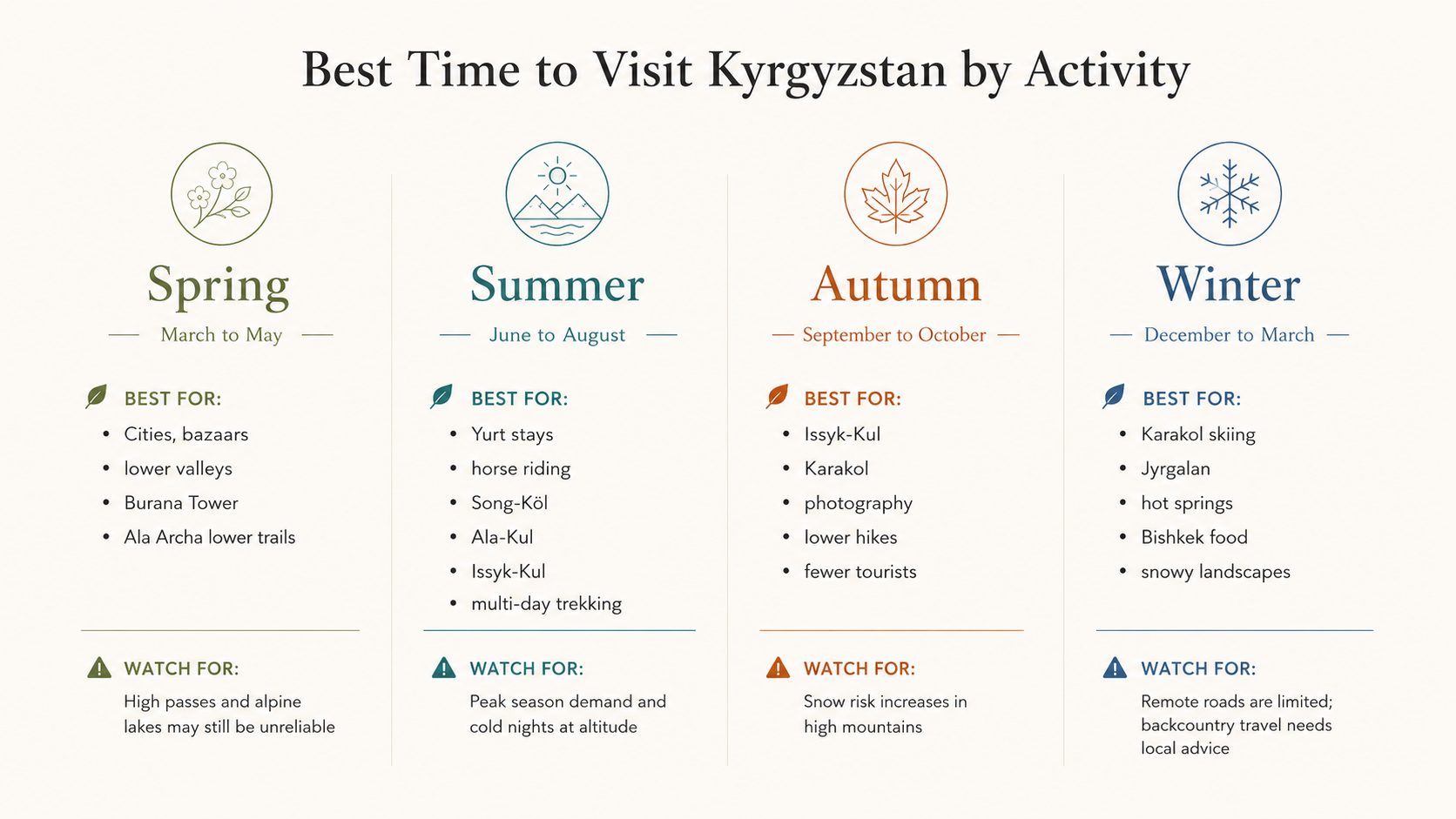
| Season | Best Activities | What to Be Careful With |
|---|---|---|
| Spring | Bishkek, Osh, lower valleys, Burana Tower, food tours | High mountain lakes and passes may still be blocked, muddy or unstable |
| Summer | Song-Köl, yurt stays, horse riding, Ala-Kul, Issyk-Kul | Peak season demand, sudden storms, cold nights at altitude |
| Autumn | Karakol, Issyk-Kul, photography, lower treks, city travel | Snow risk increases in high mountains as the season moves on |
| Winter | Karakol skiing, Jyrgalan, hot springs, Bishkek food, winter views | Remote roads, avalanche terrain, limited rural access |
For most first-time travelers who want yurts, horse riding, high lakes and trekking, July and August are the safest months. June and September can be excellent too, but they are less predictable in the high mountains. If you are coming for skiing or snow landscapes, build the trip around Karakol, Jyrgalan and winter-accessible routes instead of trying to copy a summer itinerary.
Easy vs Adventurous Things to Do in Kyrgyzstan
One of the biggest mistakes in planning Kyrgyzstan is treating all outdoor activities as if they require the same effort. They do not. Some are simple city or day-trip experiences. Others involve altitude, remote roads, multi-day hiking or specialist winter safety.
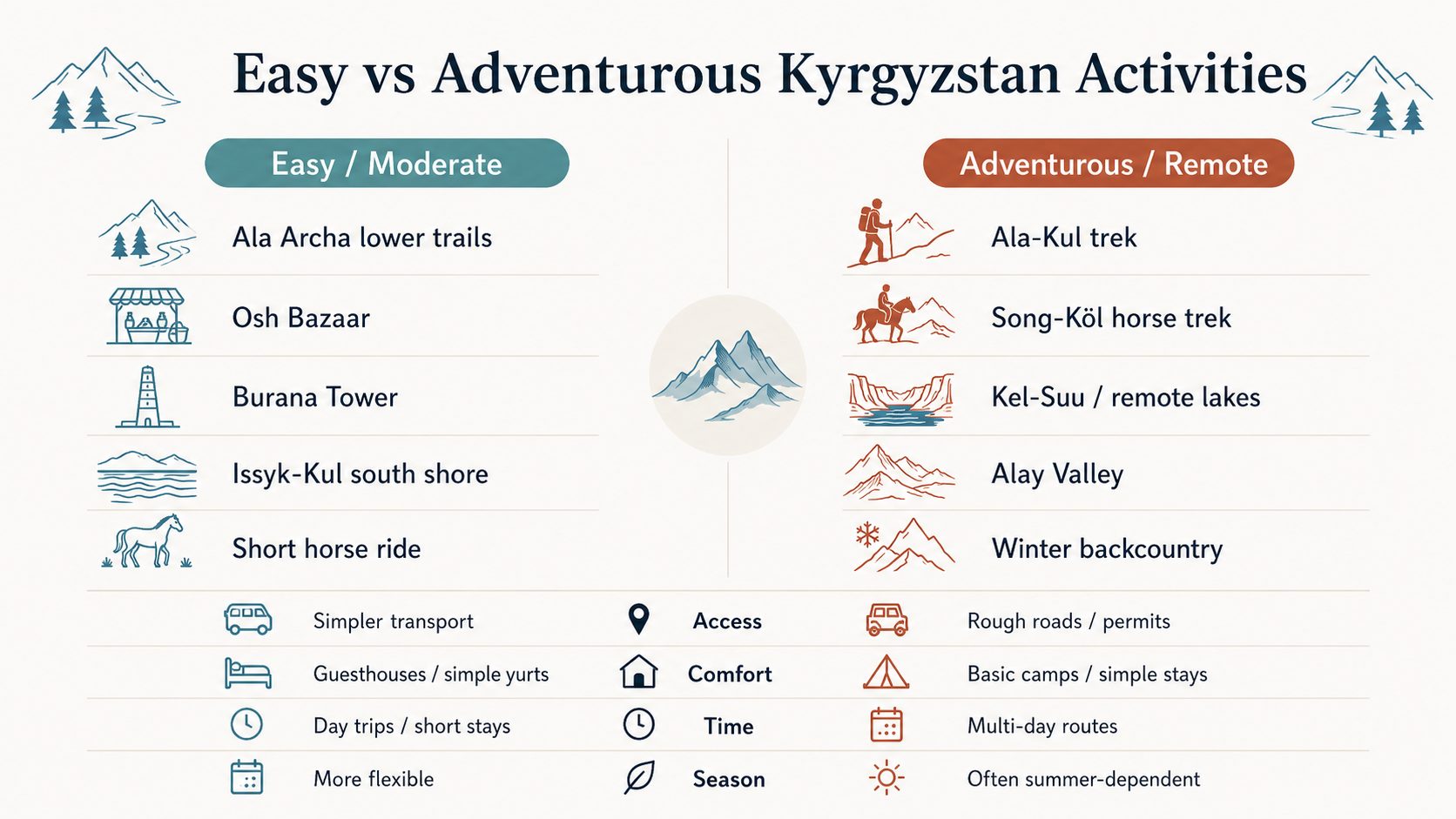
| Easy / Moderate | Adventurous / Harder |
|---|---|
| Osh Bazaar, Bishkek city walk, Burana Tower | Ala-Kul trek, Kel-Suu, Alay Valley treks |
| Issyk-Kul south shore, Skazka Canyon, short horse ride | Song-Köl by horse, remote Naryn routes, winter backcountry |
| Ala Archa lower trails, Cholpon-Ata, food tours | High passes, multi-day horse treks, self-drive remote lake trips |
This does not mean adventurous activities are only for experts. It means they need the right season, equipment, guide support or time buffer. Kyrgyzstan is extremely rewarding when you respect the logistics. It becomes frustrating when you pretend those logistics do not exist.
Best Bases for Exploring Kyrgyzstan
Choosing the right base makes a trip much easier. Instead of moving every night, it is often better to use a few towns or villages as anchors and explore from there. This reduces wasted road time and gives you more flexibility if weather changes.
| Base | Best For | Region / Focus |
|---|---|---|
| Bishkek | Arrival, Ala Archa, Burana, food, markets | Chuy Valley |
| Karakol | Ala-Kul, Altyn Arashan, Jeti-Ögüz, food, skiing | Eastern Issyk-Kul |
| Kochkor | Song-Köl, horse riding, felt workshops | Central Kyrgyzstan |
| Naryn | Tash Rabat, remote lakes, mountain road trips | Central / southeast Kyrgyzstan |
| Osh | Sulaiman-Too, bazaars, Alay Valley | Southern Kyrgyzstan |
| Cholpon-Ata | North shore lake stays, summer resort travel | Northern Issyk-Kul |
Bishkek and Karakol are the easiest bases for a first trip. Kochkor and Naryn become more useful when you add yurts, horses, Song-Köl, Tash Rabat or remote lakes. Osh is essential if you want to understand the south rather than treating Kyrgyzstan as only a northern mountain route.
Common Mistakes When Planning Kyrgyzstan Activities
The most common Kyrgyzstan planning mistakes are not dramatic. They are small assumptions that build into a bad route: one more lake, one more pass, one more long drive, one less rest day. The country punishes overpacking.
- Trying to do too much in seven days. Bishkek, Issyk-Kul, Karakol and one mountain activity already make a full short trip.
- Assuming all mountain lakes are easy. Issyk-Kul, Ala-Kul, Song-Köl and Kel-Suu are completely different planning problems.
- Arriving too early for high-altitude routes. Spring may be good in cities but too early for some passes, yurts and alpine lakes.
- Skipping warm clothes in summer. High pastures and mountain camps can be cold at night even in July or August.
- Trusting map distances too much. Road quality and terrain matter more than kilometers.
- Expecting yurt camps to feel like hotels. Basic conditions are part of the experience, not a service failure.
- Not carrying enough cash. Rural areas, guesthouses, drivers and small food stops may not work with cards.
- Ignoring altitude. Even strong travelers can feel the difference on high passes and lake routes.
- Skipping the south entirely. If you have enough time, Osh and Alay add a very different layer to the country.
- Renting a car without understanding road conditions. Self-drive can be excellent, but not every route is a casual rental-car route.
How Many Days Do You Need in Kyrgyzstan?
You can enjoy Kyrgyzstan in a few days, but you cannot understand the country properly if you rush every region. The best trip length depends on how much mountain travel you want and whether you plan to include the south or remote Naryn routes.
| Trip Length | Best Focus | What to Avoid |
|---|---|---|
| 3–4 days | Bishkek, Ala Archa, Burana Tower, food | Remote lakes and long road loops |
| 5–7 days | Issyk-Kul, Karakol, Ala Archa | Trying to include Osh, Kel-Suu and Song-Köl all together |
| 8–10 days | Issyk-Kul, Karakol, Song-Köl or a strong hiking route | Overloading the itinerary with too many long transfers |
| 12–14 days | North route plus Naryn, Tash Rabat or Osh | Changing regions every night |
| 3 weeks | North, Naryn, Osh, Alay, Arslanbob, remote lakes | Rushing through places that deserve buffer days |
For full-country planning, pair this section with our Kyrgyzstan travel guide.
What Is Actually Worth Doing?
If you only have time for one mountain day from Bishkek, choose Ala Archa or Kol-Tor depending on your fitness. If you only have time for one big regional route, choose Issyk-Kul and Karakol. If you only want one classic nomadic experience, choose a yurt stay with horse riding in the right season. If you only want one serious trek, Ala-Kul is the obvious candidate, but only if you are properly prepared.
For a first trip, the strongest balance is usually Bishkek, Ala Archa, Issyk-Kul, Karakol and either a yurt/horse experience or a proper hike. That route gives you mountains, food, lake scenery, culture and enough variety without forcing the whole country into one exhausted itinerary.
If you have two weeks or more, the article changes. Then Tash Rabat, Naryn, Arslanbob, Osh, Alay Valley and remote lakes become much more realistic. These places are not necessarily “better” than the classic route, but they add depth. They make Kyrgyzstan feel less like a highlights reel and more like a country.
Frequently Asked Questions About Things to Do in Kyrgyzstan
What is the number one thing to do in Kyrgyzstan?
For most first-time visitors, the strongest overall experience is combining a mountain lake, a yurt stay and a horse ride. Song-Köl is the classic version, while Issyk-Kul and Karakol are easier to fit into a shorter trip.
Can you enjoy Kyrgyzstan without hiking?
Yes. You can visit Bishkek, Osh Bazaar, Burana Tower, Issyk-Kul, Karakol, yurt camps, food markets and short scenic valleys without committing to a hard trek.
How many days are enough for Kyrgyzstan?
Five to seven days is enough for Bishkek, Issyk-Kul and Karakol. Ten days allows a stronger route with Song-Köl or a bigger hiking component. Two weeks or more is better if you want Naryn, Tash Rabat, Osh, Alay or Arslanbob.
Is Kyrgyzstan good for first-time hikers?
Yes, if you choose carefully. Ala Archa short walks, Issyk-Kul canyons and easy valley hikes are manageable for many travelers, while Ala-Kul, Kel-Suu and high mountain passes require more preparation.
What is the best month to visit Kyrgyzstan?
July and August are usually the safest months for high mountain activities, yurt stays and horse trekking. June and September can be excellent too, but conditions are less predictable at altitude.
Do you need a guide in Kyrgyzstan?
Not for every activity. City walks, bazaars and easy day trips are manageable independently, but horse treks, remote lakes, winter backcountry and high-altitude treks are safer with a local guide or driver.
Is Issyk-Kul worth visiting?
Yes. Issyk-Kul is worth visiting because it is more than a lake: it connects beaches, canyons, villages, Karakol, hot springs, trekking routes and cultural stops into one of the easiest major travel corridors in Kyrgyzstan.
What should you not miss in Kyrgyzstan?
Do not miss at least one mountain experience, one lake route, one market, one local food experience and, if your season allows, one yurt or horse riding experience. The exact places depend on your route and time.
What are the best things to do in Kyrgyzstan in summer?
The best summer activities are horse riding, yurt stays, Song-Köl, Issyk-Kul, Ala-Kul, Altyn Arashan, Karakol hiking and remote lake trips if you have enough time and the right transport.
What are the best things to do in Kyrgyzstan in winter?
In winter, focus on Karakol skiing, Jyrgalan, hot springs, Bishkek food, city markets and winter-accessible mountain views rather than copying a summer trekking itinerary.