Alay Mountains Tours from Osh: Compare Treks, Horse Routes and Real Costs
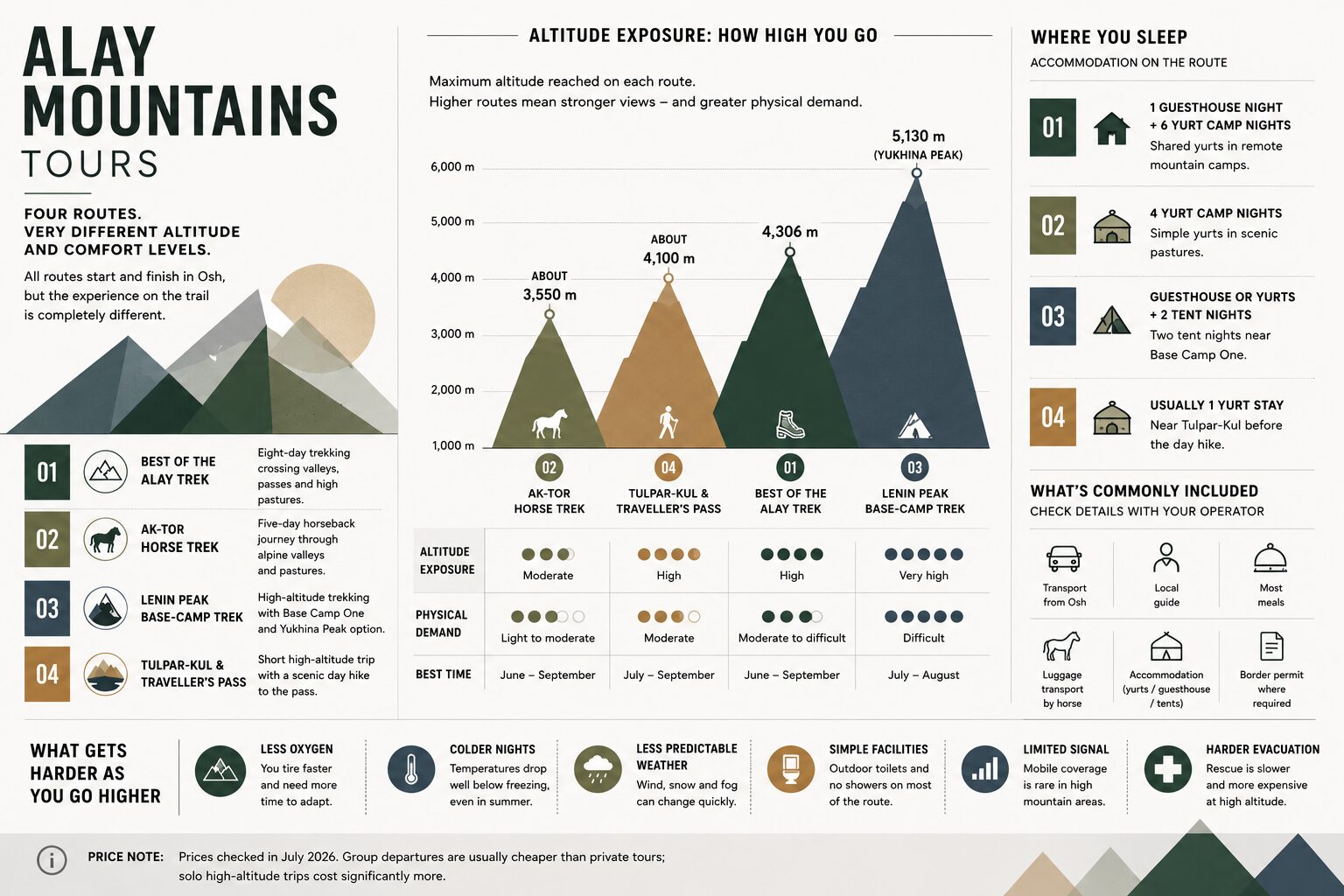
The Alay Mountains are not a single destination with one standard tour. A short trip may stop at Tulpar-Kul and include a day hike toward Lenin Peak. A longer route can cross several passes on foot, while another spends five days moving between yurt camps on horseback.
These trips also belong to southern Kyrgyzstan. The practical base is Osh, not Bishkek. That matters when comparing prices and trip lengths: a five-day Alay tour can require an extra day before and after the route if your international flights use Bishkek.
Eight Days Across the Alay Mountains
Best Overall Trek
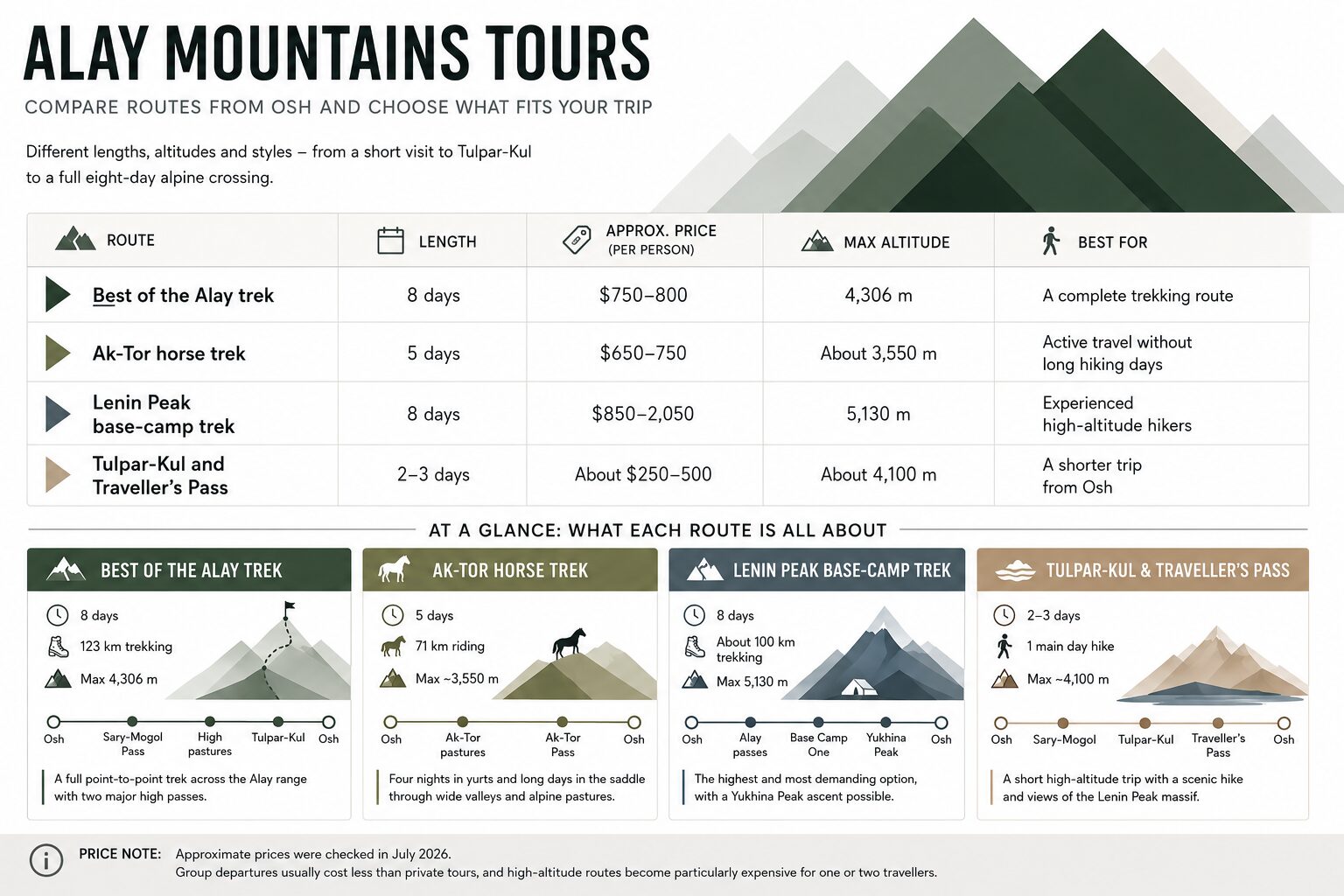
The strongest general route is an eight-day trek beginning and ending in Osh. It covers roughly 123 kilometres, crosses passes above 4,000 metres and uses a mix of village accommodation and yurt camps.
Group departures cost approximately $750–800 per person. Transport from Osh, a trekking guide, most meals, shared accommodation and luggage transport by horse are commonly included.
Choose it for: a complete point-to-point trek rather than a short visit to one lake or base camp.
Think twice if: you are uncomfortable with shared yurts, outdoor toilets or consecutive high-altitude walking days.
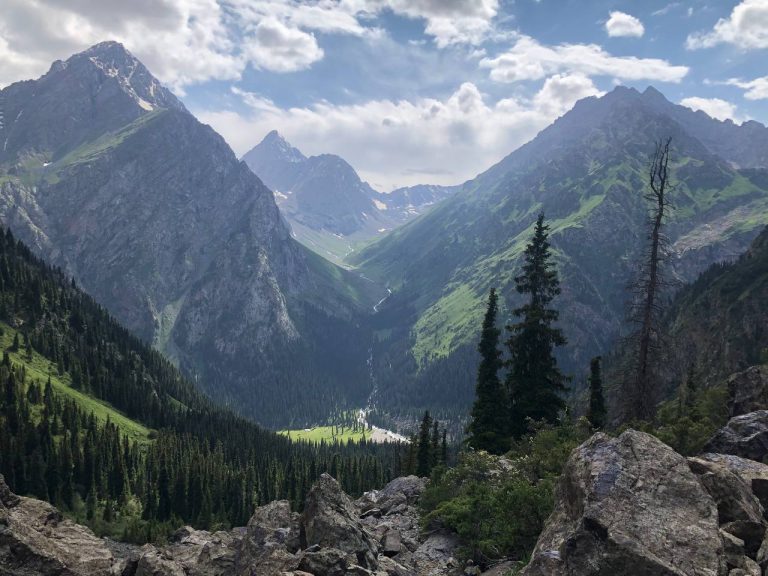
The strongest all-round Alay route: high passes, remote valleys, yurt stays, Tulpar-Kul and Traveller’s Pass in one point-to-point trek.
Quick Comparison of Alay Mountains Tours
| Route | Length | Approximate price | Maximum altitude | Best for |
|---|---|---|---|---|
| Best of the Alay trek | 8 days | $750–800 per person | 4,306 m | A complete trekking route |
| Ak-Tor horse trek | 5 days | $650–750 per person | About 3,550 m | Active travel without long hiking days |
| Lenin Peak base-camp trek | 8 days | $850–2,050 per person | 5,130 m | Experienced high-altitude hikers |
| Tulpar-Kul and Traveller’s Pass | 2–3 days | About $250–500 per person | About 4,100 m | A shorter trip from Osh |
The prices look close until group size, accommodation and altitude are considered. The base-camp route is relatively affordable in a larger group but can cost more than twice as much for a solo traveller.
Which Alay Route Should You Choose?
Choose the Eight-Day Trek for a Complete Route
This is the best choice if walking through the mountains is the main purpose of the trip. The route moves between villages, valleys and yurt camps instead of using one accommodation base for a series of day hikes.
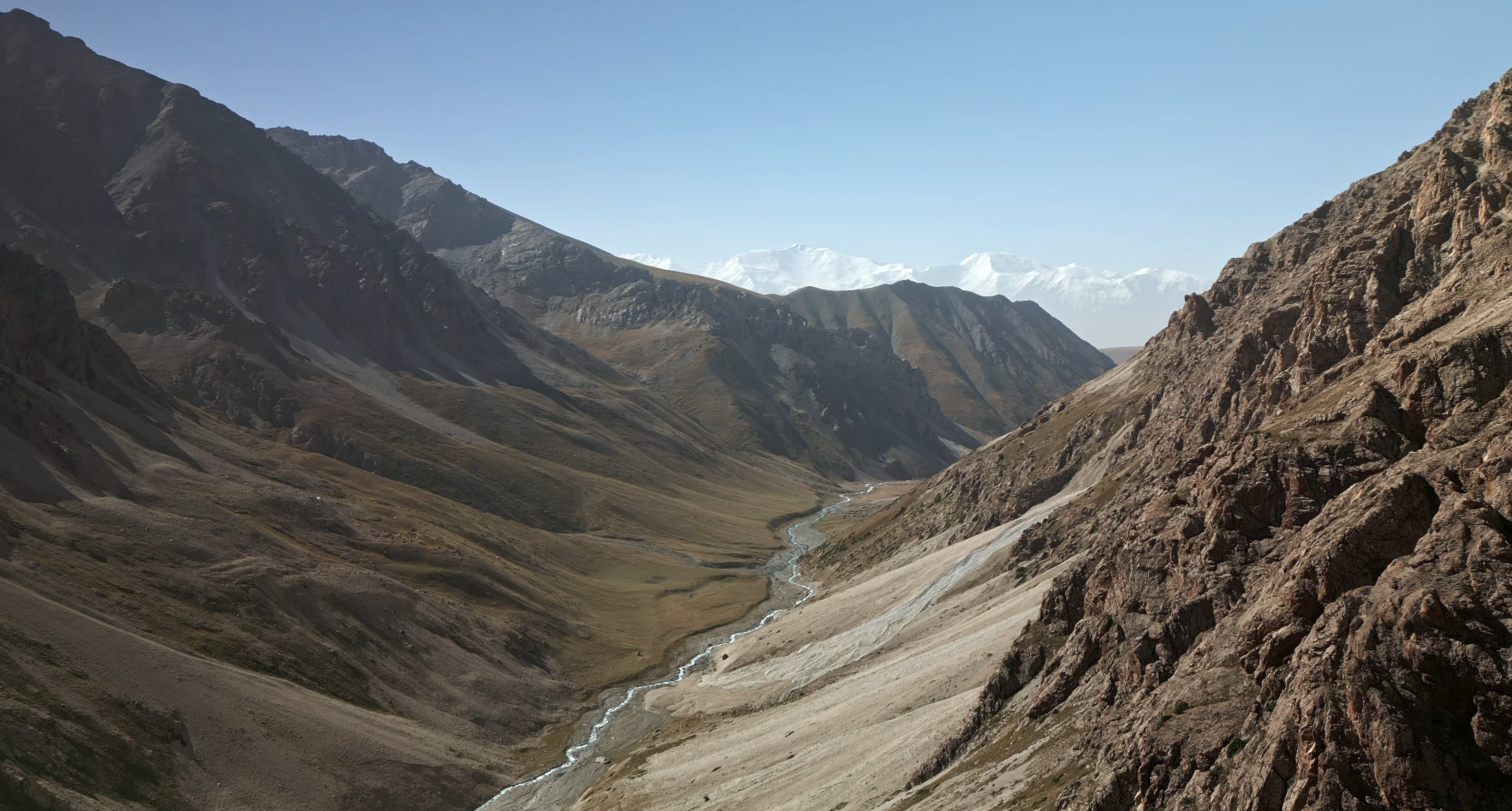
It normally includes the Sary-Mogol Pass, high pasture routes and a final section near Tulpar-Kul and the Lenin Peak area. The exact order may vary, but the important numbers are more useful than the destination list: roughly 123 kilometres on foot, more than 4,400 metres of total ascent and a highest point of about 4,306 metres.
Choose the Horse Trek for a Shorter Active Trip
The five-day horse route is not a shortened version of the main trek. It follows a different line through the Ak-Tor area and spends four nights in yurts.
It works for travellers who want to move through the landscape but do not want to walk 15–20 kilometres a day. Previous riding experience is not normally required. Physical comfort is still an issue: most days include four to six hours in the saddle.
Choose the Base-Camp Trek for High Altitude
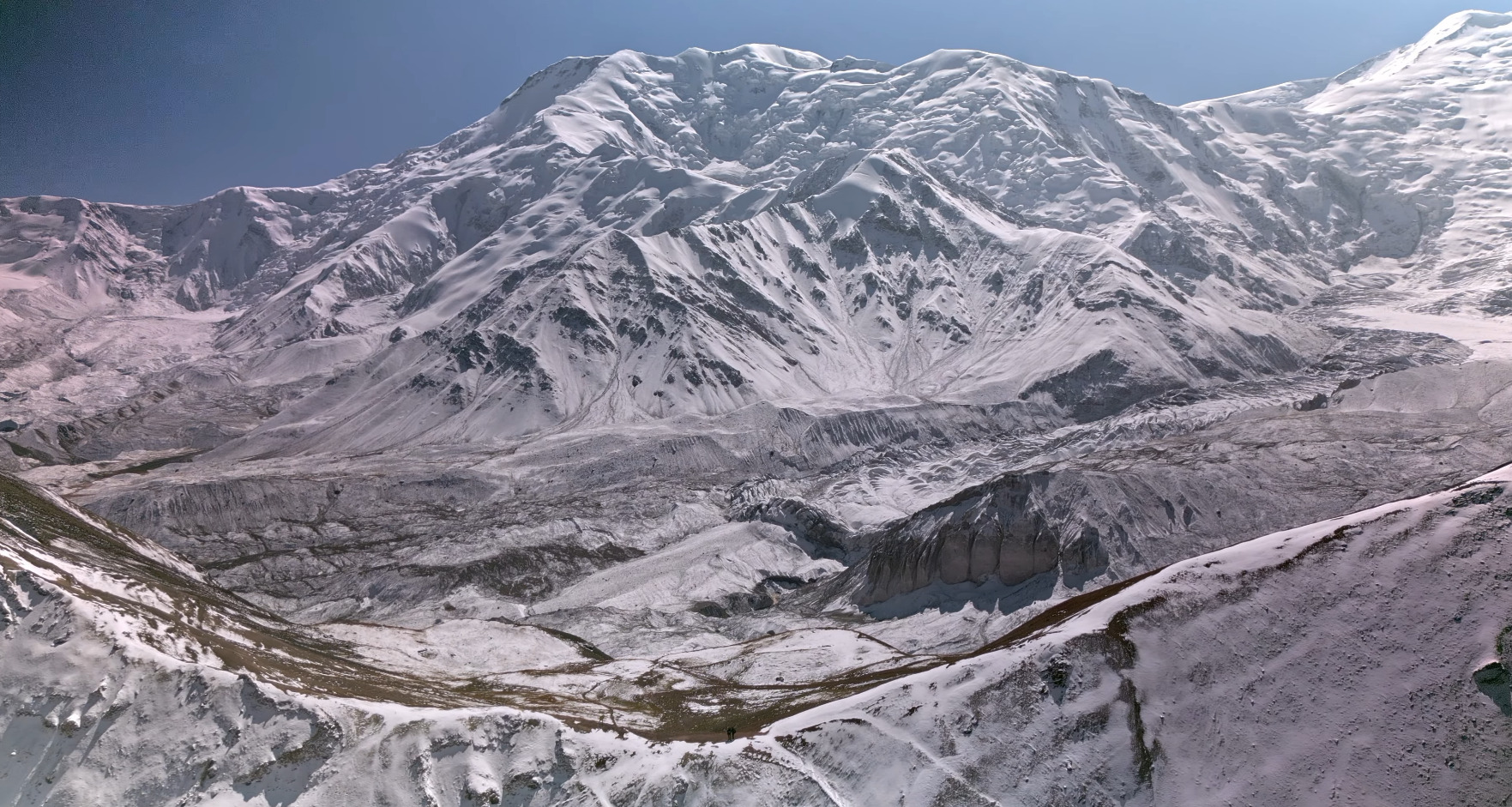
The Lenin Peak base-camp route is the most demanding option on this page. It combines the main Alay passes with Base Camp One and a possible ascent of Yukhina Peak at about 5,130 metres.
This is trekking, not a technical ascent of Lenin Peak. Reaching Yukhina Peak does not normally require mountaineering equipment, but the altitude and terrain make the route unsuitable as a first multi-day hike.
Choose Tulpar-Kul for a Short Visit
Travellers with two or three days can drive from Osh toward Sary-Mogol and stay near Tulpar-Kul. From there, a common day hike climbs to Traveller’s Pass at roughly 4,100 metres.
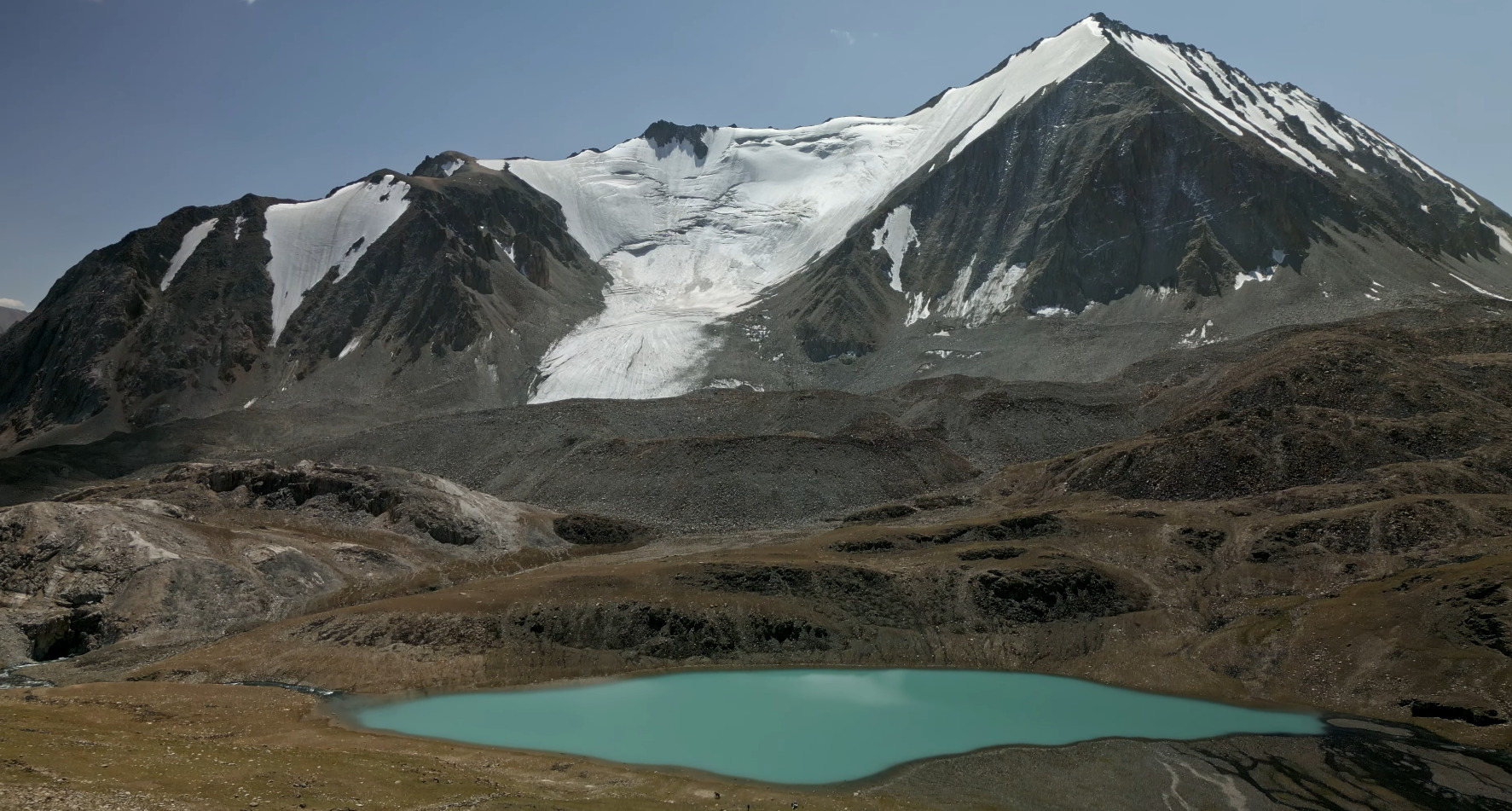
This gives a clear view of the glaciers and the Lenin Peak massif without committing to an eight-day route. It is still a high-altitude trip. Arriving from low elevation and attempting the pass immediately is not a good plan.
A practical short Alay option with private transport from Osh, two yurt nights at Tulpar-Kul and time for hiking toward Traveller’s Pass.
1. Eight-Day Best of the Alay Trek
Approximate group price: $750–800 per person
Start and finish: Osh
Distance: about 123 km
Highest point: 4,306 m
Accommodation: one guesthouse night and six yurt-camp nights
Difficulty: moderate to difficult
The first day includes a long transfer from Osh into the Alay Valley and a shorter acclimatisation hike. The main walking days then cross the Sary-Mogol and Jiptik areas before reaching Tulpar-Kul and the mountains below Lenin Peak.
The route is physically serious but logistically straightforward once it begins. Main luggage is commonly carried by horses, leaving travellers with a day pack for water, clothing and personal items.
Why choose it
- A genuine point-to-point mountain route
- Two major high passes
- Main luggage carried separately
- Transport and most meals usually included
What to consider
- Shared yurts and guesthouse rooms
- Outdoor toilets at remote camps
- Little or no mobile signal on some days
- Several demanding ascents above 4,000 metres
Who should not choose it: travellers without recent hiking fitness, anyone needing private bathrooms, or visitors trying to begin the trek immediately after a long international flight.
2. Five-Day Horse Trek Through Ak-Tor
Approximate group price: $650–750 per person
Start and finish: Osh
Riding distance: about 71 km
Highest point: about 3,550 m
Accommodation: four nights in yurts
Difficulty: light to moderate by route grading
The route begins outside Osh and climbs through several summer pasture areas before crossing Ak-Tor Pass. Daily riding distances are usually around 12–18 kilometres.
The published physical rating can sound reassuring, but it needs context. Four or five hours on horseback uses different muscles from hiking. Beginners often feel stiffness in the hips, knees and lower back after the first two days.
Facilities are basic. Some camps have no electricity, Wi-Fi or hot shower. Toilets are commonly outside. Meals are provided by host families and are usually included according to the daily programme.
Why choose it
- No previous riding experience normally required
- Less time in vehicles than a sightseeing tour
- Four nights with local yurt-camp hosts
- Lower maximum altitude than the major treks
What to consider
- Four to six hours in the saddle each day
- Helmets may not be included automatically
- Very basic washing facilities
- No Tulpar-Kul or close Lenin Peak section
Who should not choose it: travellers with back or hip problems, anyone expecting fast riding or galloping, and visitors who mainly want to see Lenin Peak.
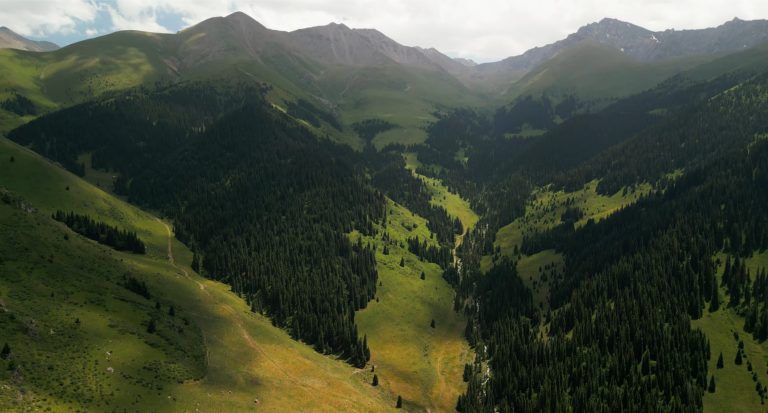
A five-day yurt-to-yurt horse route through Airy Bell and Ak Tor, with guiding, meals and horses included and no previous riding experience normally required.
For other regions and riding styles, compare the wider guide to horse-riding tours in Kyrgyzstan.
3. Lenin Peak Base-Camp Trek
Approximate price: $850–2,050 per person
Start and finish: Osh
Distance: about 100 km
Highest point: about 5,130 m
Accommodation: guesthouse, yurts and two tent nights
Difficulty: difficult
This route uses eight days to build toward Base Camp One and Yukhina Peak. The highest section comes after crossing lower passes, which gives the body some time to adjust.
Group size changes the price sharply:
| Travellers | Approximate price per person |
|---|---|
| 1 | $2,050 |
| 2 | $1,250 |
| 3 | $1,050 |
| 4 | $990 |
| 6–7 | $890 |
| 8–10 | $850 |
The solo price is poor value compared with a scheduled group departure. For two people it remains expensive, though the cost begins to look more reasonable from three or four participants.
The route may include luggage support on lower sections, but horses cannot solve the hardest high-altitude days. Travellers still need the fitness to walk over scree, snow patches and steep ground above 4,000 metres.
A trek to Base Camp One or Yukhina Peak is a high-altitude hiking trip. Climbing Lenin Peak itself is a separate mountaineering expedition requiring more days, technical equipment and a different level of preparation.
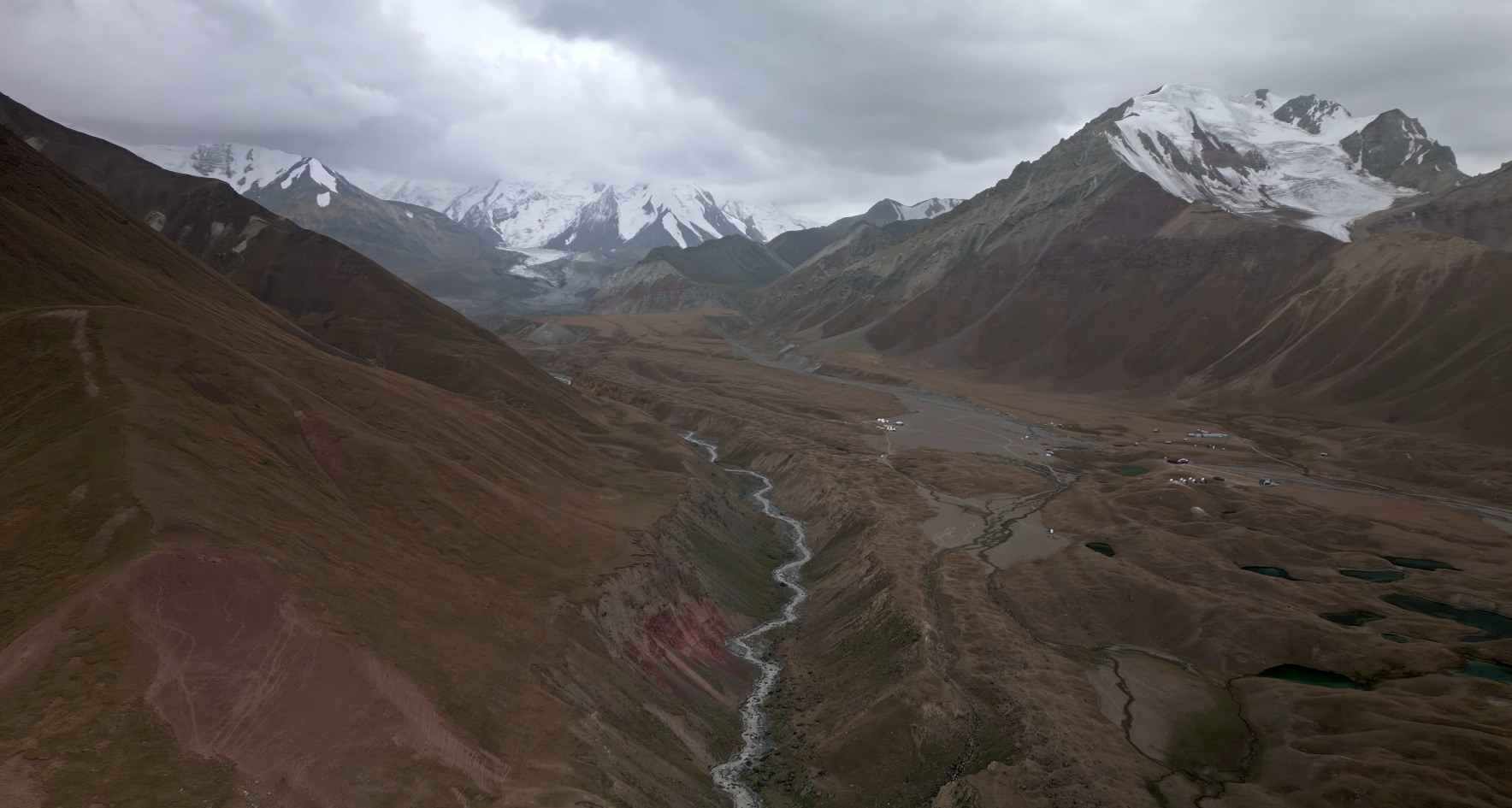
The serious high-altitude option: cross the Alay to Tulpar-Kul, continue through Traveller’s Pass to Camp One, then climb Yukhina Peak at about 5,130 metres.
Not Every Alay Tour Includes Lenin Peak
The name “Alay Mountains” covers a large area. It should not be used as shorthand for Lenin Peak.
- The Ak-Tor horse route explores the northern Alay ranges and does not provide the main close view of Lenin Peak.
- The full eight-day trek normally finishes near Tulpar-Kul and includes the Lenin Peak area.
- A short Tulpar-Kul tour can include Traveller’s Pass but does not cross the main Alay trekking route.
- The base-camp trek goes higher and may reach Yukhina Peak.
- A summit expedition is a different product entirely.
Check the final overnight location and highest point rather than relying on a broad tour title.
Trekking or Horse Riding?
| Question | Trekking | Horse riding |
|---|---|---|
| Daily effort | Long ascents and descents on foot | Several hours in the saddle |
| Maximum altitude | Often above 4,000 m | Around 3,500 m on the main route |
| Luggage | May be carried by horses | Usually carried separately |
| Best for | Regular hikers | Travellers wanting a shorter active route |
| Main discomfort | Feet, knees and altitude | Back, hips and knees |
Horse riding is not the easier answer for everyone. It reduces the amount of walking but creates its own physical strain. A fit hiker with no riding experience may prefer the main trek.
Accommodation: What “Yurt Camp” Means Here
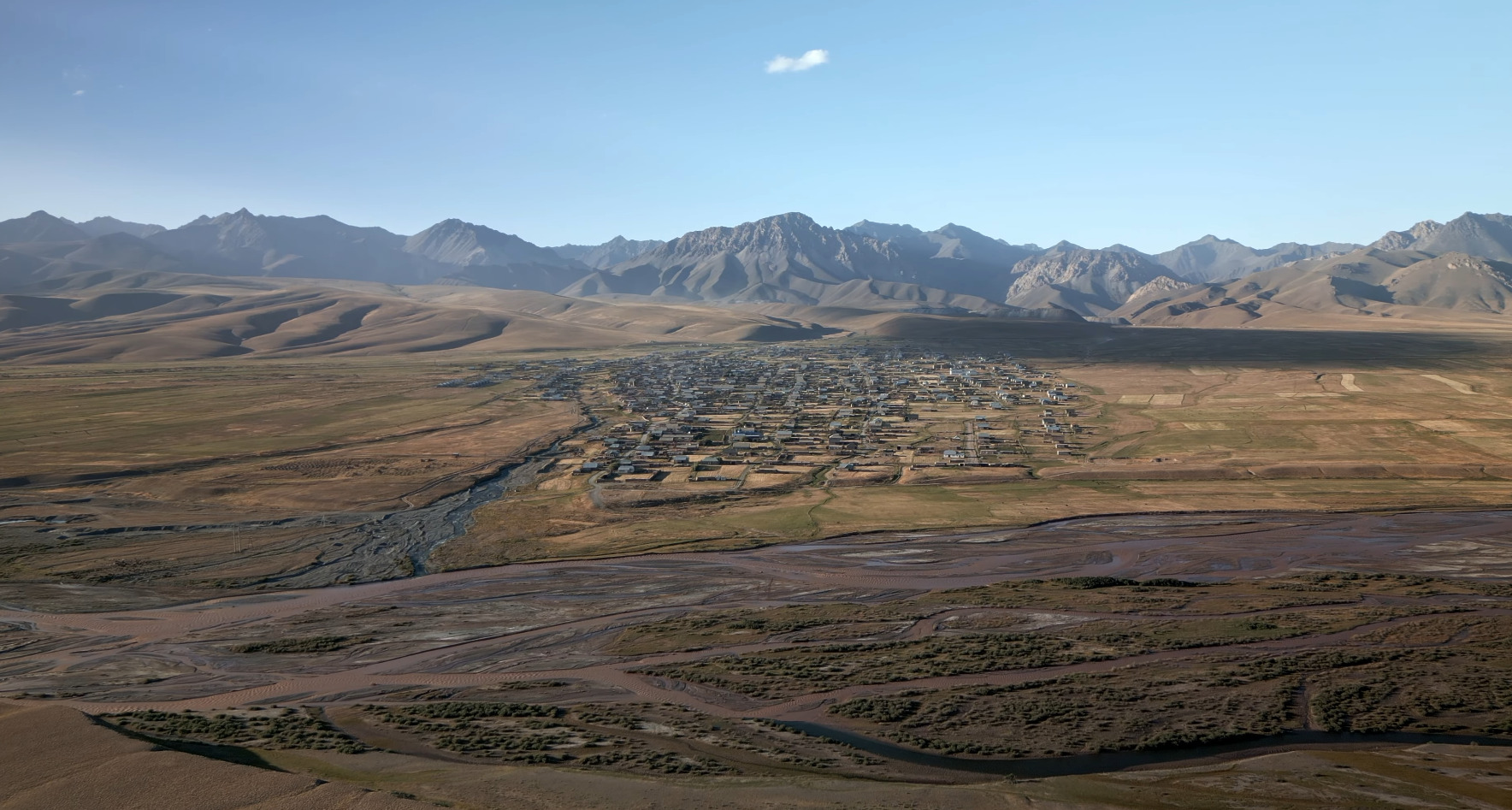
Yurt accommodation in the Alay region is functional rather than luxurious. Shared sleeping space for three to six people is common. Mattresses and blankets are provided, but travellers may still need a warm sleeping bag.
At remote camps, expect:
- outdoor toilets;
- limited or no electricity;
- no reliable Wi-Fi;
- no hot shower on some nights;
- simple home-cooked meals;
- cold temperatures after sunset.
The absence of a shower for several days is normal on these routes. Wet wipes, hand sanitiser and a headlamp are genuinely useful rather than optional packing-list filler.
What Is Usually Included?
Guided Alay packages commonly include:
- transport from and back to Osh;
- an English-speaking trekking or riding guide;
- shared guesthouse, yurt or tent accommodation;
- most meals shown in the programme;
- horses for riding or luggage transport;
- a horseman where required;
- border permits on routes entering controlled areas.
Possible exclusions include:
- hotel nights in Osh;
- meals before and after the tour;
- drinking water;
- sleeping-bag rental;
- riding helmets;
- walking poles;
- travel insurance;
- tips and personal expenses.
Do not assume that drinking water is supplied throughout. Some routes rely on springs, and travellers may be advised to bring purification tablets or drops.
Altitude and Acclimatisation
The standard eight-day trek reaches 4,306 metres. The base-camp route goes above 5,000 metres. These numbers are high enough for altitude symptoms even among fit travellers.
Spend at least one night in Osh before starting, especially after a long flight. The first days of a well-designed route should gain height progressively rather than driving directly to the highest camp.
Headache, nausea, poor sleep and unusual fatigue should not be treated as something to push through. A guide needs to know when symptoms start.
How to Reach the Alay Mountains
Most organised routes include transport from Osh. Reaching Osh is therefore part of the larger trip plan.
From Bishkek, the overland journey is long enough to consume most of a day. A domestic flight is usually more practical when the Alay tour is the main part of a shorter holiday. See the transport options in our guide from Bishkek to Osh.
Osh is also the main starting point for longer journeys south. If you are considering continuing beyond the Alay Valley, compare the Pamir Highway tours from Osh.
Do not schedule the return from the mountains on the same day as a separate international flight. Road delays and late arrivals happen.
Best Season for Alay Tours
The main trekking season runs from June into early September. July and August offer the broadest choice of group departures and the most reliable access to high passes.
The five-day horse route can operate across a somewhat longer season, often from May into October. Conditions at either end are less predictable, and camps may be quieter or use alternative accommodation.
The high-altitude base-camp trek has the shortest practical window, generally from July to early September. Snow, wind and freezing nights remain possible in midsummer.
For broader seasonal context, read the guide to the best time to visit Kyrgyzstan.
Can You Trek Independently?
Short trips around Tulpar-Kul are possible to organise independently. Travellers can reach Sary-Mogol, arrange local transport and stay in a yurt camp near the lake.
A full Alay crossing is more complicated. The route involves remote valleys, high passes, accommodation coordination and limited phone coverage. Luggage support also needs to be arranged in advance.
The base-camp area requires a border-zone permit. Independent travellers should apply well before arrival rather than expect to solve the paperwork in Osh the day before departure.
Who Should Avoid an Alay Tour?
The Alay is not a good addition to a rushed first itinerary centred on Bishkek and Issyk-Kul. Travel to Osh alone changes the shape of the trip.
Think carefully before booking if you:
- have no recent hiking or riding fitness;
- need private bathrooms every night;
- have unresolved heart, breathing or back problems;
- are uncomfortable with shared sleeping arrangements;
- cannot allow an extra day before your next flight;
- expect stable mobile signal and daily charging;
- have never slept above 3,000 metres.
Questions to Ask Before Booking
- What is the exact maximum altitude?
- How many kilometres or riding hours are planned each day?
- Is the price based on a group departure or private booking?
- How many people share each yurt?
- Are sleeping bags included?
- Is drinking water provided?
- How much luggage can horses carry?
- Does the route include Tulpar-Kul or Lenin Peak Base Camp?
- Is a border permit required and included?
- Are helmets available for the horse route?
- What happens if a pass is blocked?
- What time should the group return to Osh?
Before paying, read how to check tour reviews. For mountain routes, comments about guides, horses, altitude decisions and schedule changes matter more than general praise of the scenery.
Frequently Asked Questions
How much does an Alay Mountains tour cost?
Scheduled trekking and horse-riding routes commonly cost about $650–800 per person. An eight-day high-altitude base-camp trek may cost from roughly $850 in a large group to about $2,050 for a solo traveller.
Where do Alay Mountains tours start?
Most organised routes start and finish in Osh. Transport from Osh to the trail area is commonly included in the package.
Do all Alay tours visit Lenin Peak?
No. Some routes cross the northern Alay ranges without visiting Tulpar-Kul or the Lenin Peak area. Check the final route, maximum altitude and overnight stops.
Is the horse trek suitable for beginners?
Previous riding experience is not normally required, but beginners should be prepared for four to six hours in the saddle and basic yurt accommodation.
Is the Lenin Peak base-camp trek technical?
The route to Base Camp One and Yukhina Peak is a difficult high-altitude trek rather than a technical summit climb. It still requires strong fitness, acclimatisation and suitable mountain clothing.
Which Alay Tour Is the Best Choice?
Choose the eight-day trek for the most complete route through the region. Choose the five-day horse trip when you want a shorter active itinerary and do not need to visit Lenin Peak.
Tulpar-Kul works for a two- or three-day extension from Osh. The base-camp trek is the right choice only when high altitude is the main goal and you already know how your body responds in the mountains.
The important distinction is not simply walking versus riding. It is whether you want a broad crossing of the Alay, a short stay below Lenin Peak or a difficult route above 5,000 metres.
Return to the multi-day tour guide to compare the Alay with routes starting from Bishkek.