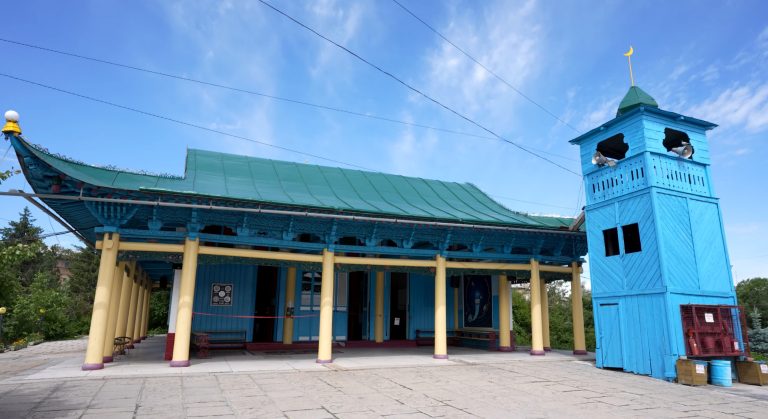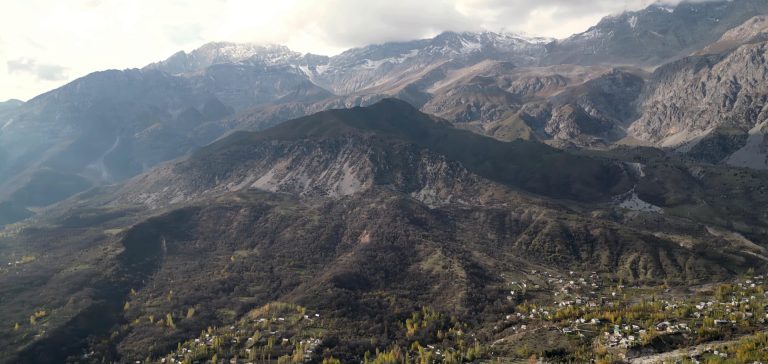
Mailuu-Suu, Kyrgyzstan: The Former Uranium Town Few Travelers Visit
Mailuu-Suu is one of the most unusual places in Kyrgyzstan. It is not a classic mountain resort, lake stop, trekking base, or pretty village that most travelers add to a first trip. It is a small town in southern Kyrgyzstan known for its Soviet uranium history, environmental legacy, and a museum that tells a more complicated story than the usual travel route.
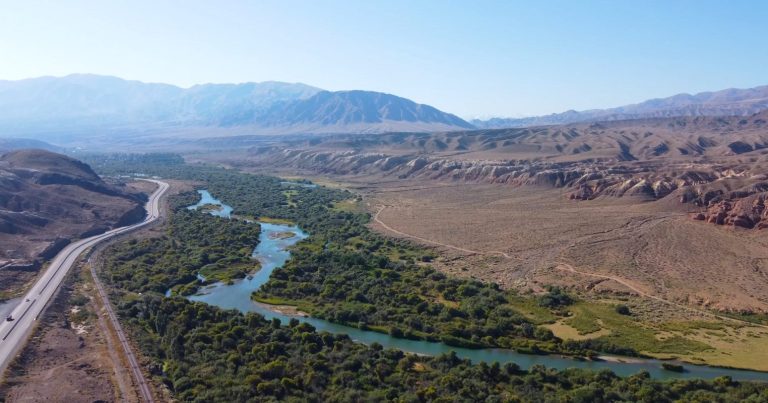
You may also see the town written as Mayluu-Suu, Mailuu Suu, or Maily-Suu. The spelling changes, but the place is the same: a former Soviet-era uranium town in Jalal-Abad Region, set among green hills and narrow valleys, with a past connected to one of the most sensitive chapters of Central Asian industrial history.
For most travelers, Mailuu-Suu is not a must-see destination. If you have limited time in Kyrgyzstan, places like Issyk-Kul, Ala Archa, Arslanbob, Song-Kul, Altyn Arashan, or Osh will usually make more sense. You can start with our broader Kyrgyzstan travel guide or the main list of things to do in Kyrgyzstan if you are still building a first itinerary.
But if you are interested in Soviet history, industrial heritage, environmental recovery, or the less polished side of Kyrgyzstan, Mailuu-Suu is worth understanding. It is a living town, not a ruin. It has a new uranium heritage museum, ongoing remediation work, and a local story that should be approached with care rather than curiosity alone.
Where Is Mailuu-Suu?
Mailuu-Suu is in Jalal-Abad Region in southern Kyrgyzstan. It sits in a narrow valley away from the country’s main first-time tourist route, which usually focuses on Bishkek, Issyk-Kul, Karakol, Song-Kul, Osh, or the Tien Shan mountains.
The town is more realistic to visit if you are already traveling in the south of the country. From Jalal-Abad city, it can work as a regional side trip. From Osh, it is possible as a specialist day trip with a private driver, but it is not the easiest or most scenic use of a day for the average traveler. From Bishkek, it is too far to treat as a simple excursion.
This is one of the key things to understand before planning a visit. Mailuu-Suu is not a place you casually add between two famous sights. It makes sense only if the subject itself interests you.
| Starting point | Approximate travel time by car | Best for |
|---|---|---|
| Jalal-Abad | Around 1 hour 45 minutes to 2 hours | The most practical regional base |
| Osh | Around 2 hours 15 minutes | A specialist history-focused day trip |
| Bishkek | 7+ hours by road | Only as part of a wider southern Kyrgyzstan route |
If you are looking for a more scenic and traveler-friendly stop in Jalal-Abad Region, Arslanbob is a much stronger choice for most visitors. Mailuu-Suu is more specific: it is about history, memory, and industrial legacy.
Why Is Mailuu-Suu Famous?
Mailuu-Suu is known because of uranium.
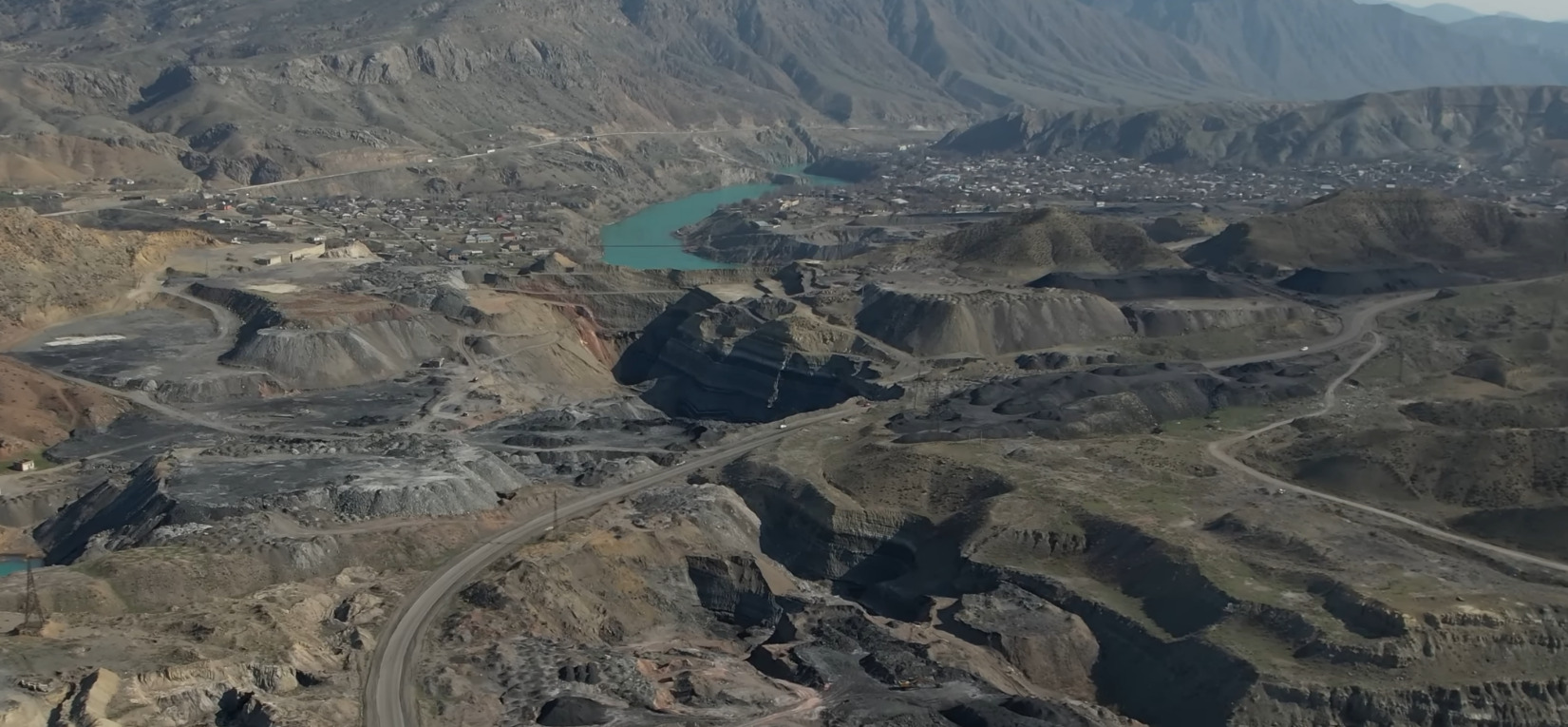
During the Soviet period, the area became part of the uranium mining and processing system linked to the early Soviet nuclear program. Uranium was mined in and around Mailuu-Suu from the late 1940s until the late 1960s. After mining stopped, the town was left with a difficult legacy: radioactive tailings, waste rock dumps, old industrial areas, and environmental risks tied to landslides, earthquakes, flooding, and river systems.
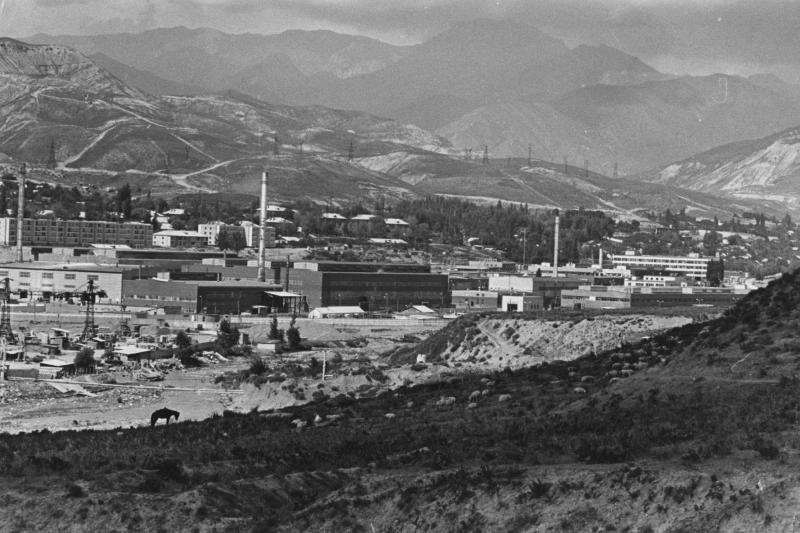
This history makes Mailuu-Suu very different from the usual image of Kyrgyzstan. Many travelers think first of alpine lakes, horse riding, yurts, high pastures, and mountain roads. Those are real parts of the country, and you can explore them in guides such as our pages on the mountains of Kyrgyzstan and the lakes of Kyrgyzstan.
Mailuu-Suu shows another layer: Soviet industry, public health concerns, international cleanup work, and the challenge of turning a painful industrial past into something that can be remembered responsibly.
The Uranium Legacy Explained Simply
The most important word to understand is tailings.
Tailings are the leftover material after ore has been processed. In Mailuu-Suu, Soviet-era uranium work left behind radioactive tailings and waste rock dumps around the area. Some of these sites are located in geologically unstable terrain, and some are close to water systems. That is why Mailuu-Suu appears in international environmental reports rather than only in travel articles.
The concern is not that the whole town is a tourist “danger zone.” That is too simplistic. The concern is that specific legacy sites, old waste areas, and unstable slopes need careful management and remediation.
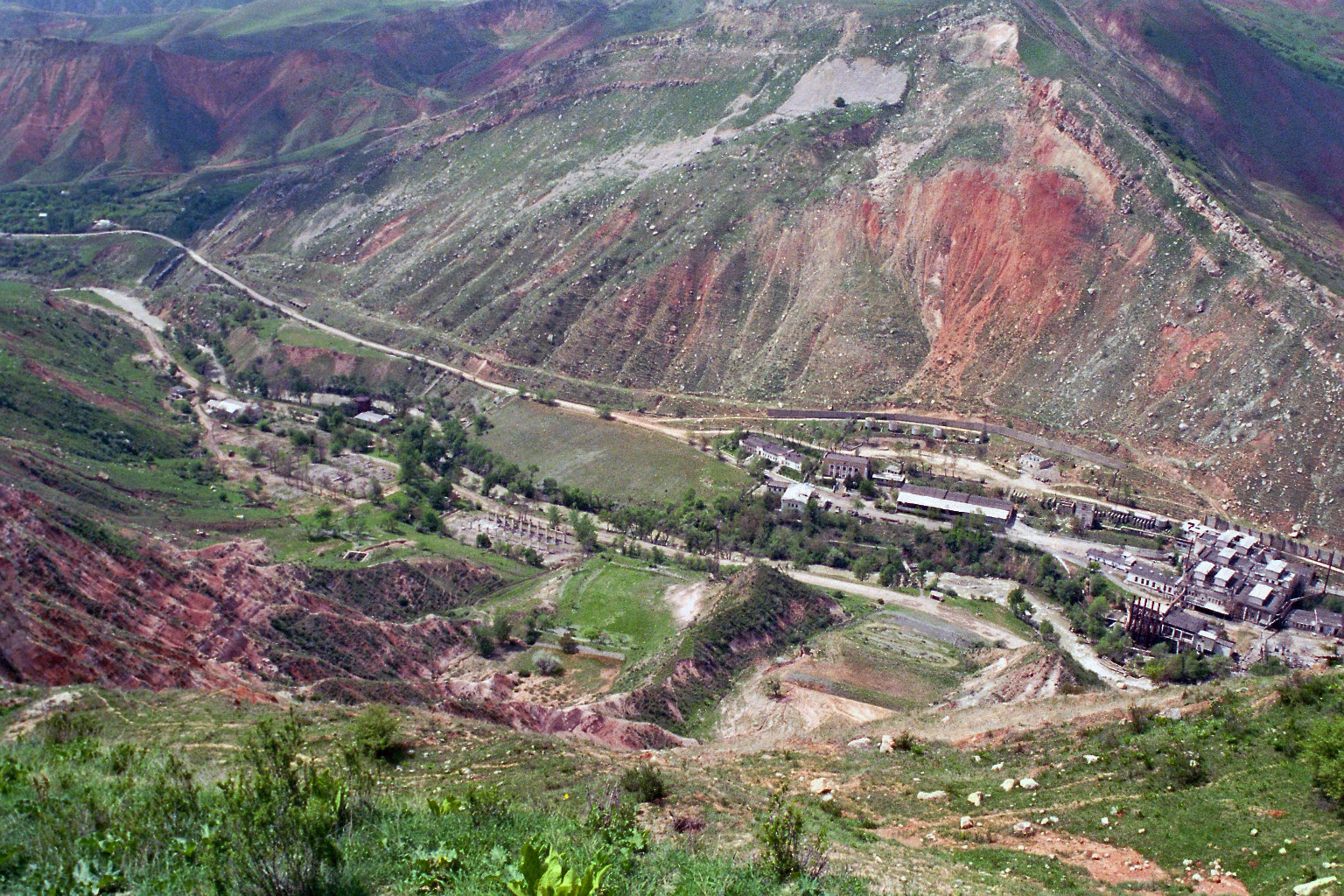
This also explains why the town should not be treated like an adventure playground. The tailings are not tourist sights. They are environmental legacy sites. They are part of the town’s story, but they are not places for independent exploring, climbing, photography sessions, or collecting rocks.
Do not try to visit uranium tailings, waste dumps, abandoned industrial structures, or restricted areas on your own. If you visit Mailuu-Suu, keep your trip focused on the town, the museum, and safe public spaces.
Is Mailuu-Suu Safe to Visit?
The safest answer is: visiting the town and visiting dangerous legacy sites are two different things.
A normal visit to Mailuu-Suu should be based around the town itself, the museum, local streets, and any public areas that local contacts consider appropriate. That is very different from wandering into old industrial zones or trying to find uranium-related sites independently.
You should not visit Mailuu-Suu as an urban exploration destination. You should not cross fences, ignore warning signs, enter abandoned facilities, collect stones or metal, walk near tailings, or treat radiation history as entertainment.
Basic safety rules for travelers:
- do not explore uranium tailings or waste dumps;
- do not enter abandoned or restricted industrial areas;
- do not collect rocks, soil, scrap metal, or “souvenirs”;
- do not picnic, swim, or linger near suspicious industrial zones;
- ask local people before photographing sensitive places;
- use the museum or local contacts for context;
- avoid filming “danger content” for social media.
It is also worth checking normal travel conditions before going. Southern Kyrgyzstan has mountain roads, hot summers in lower areas, winter weather in some sections, and transport that may not run on a convenient tourist schedule. Our guide to the best time to visit Kyrgyzstan can help you think about seasonality before building a wider route.
The Uranium Heritage Museum
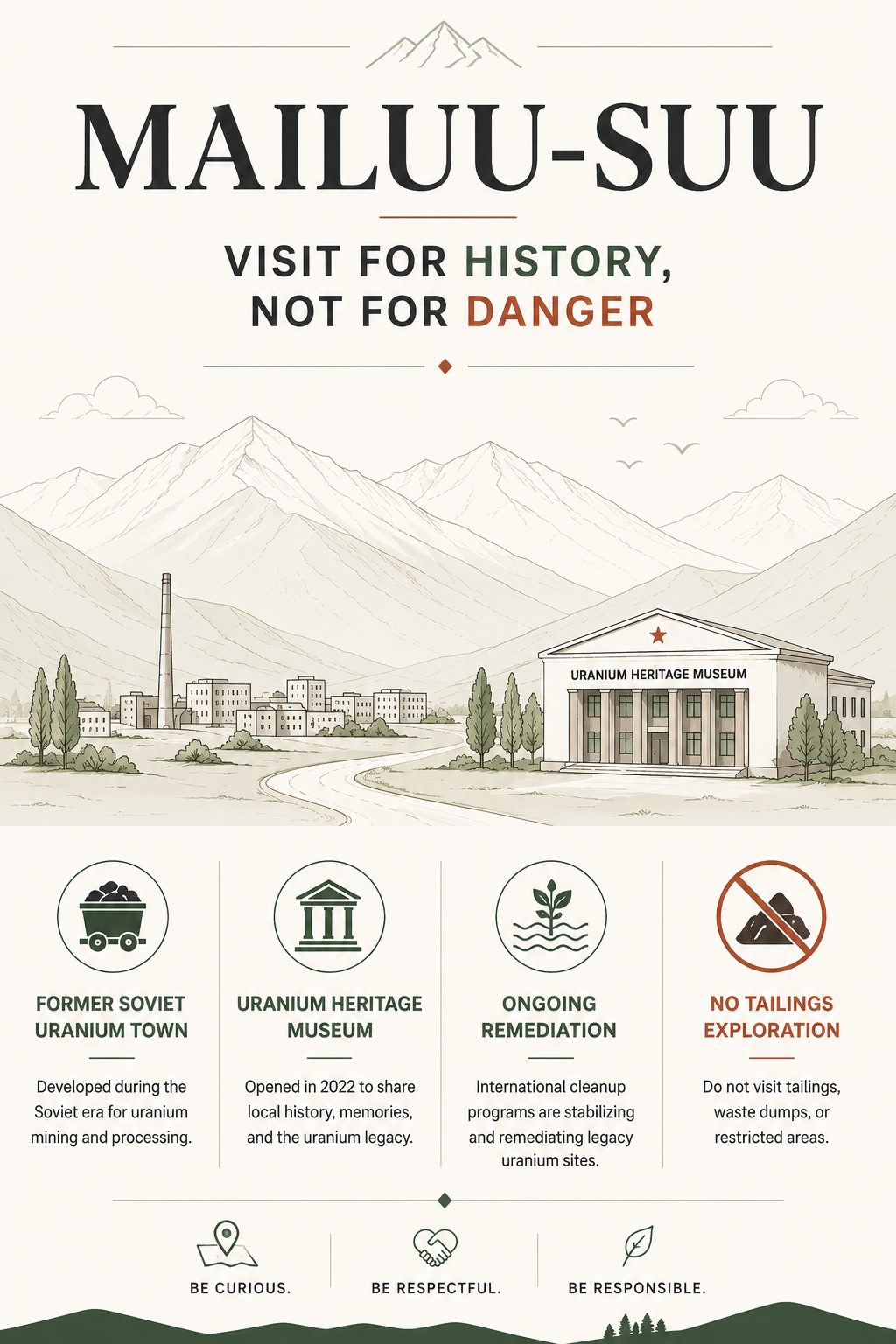
The main reason to visit Mailuu-Suu is the Museum of the History of Mailuu-Suu and the Uranium Heritage of Kyrgyzstan.
The museum opened in 2022 and is the most responsible tourist entry point into the town’s story. It focuses on local history, uranium heritage, radiation safety, remediation, and the memory of people who lived and worked in the area. For travelers, this is much more meaningful than trying to chase abandoned sites.
The museum is important because it changes the way Mailuu-Suu can be understood. Without context, the town is easy to reduce to a scary headline. With context, it becomes a place where Soviet industrial history, local life, environmental risk, and recovery efforts meet.
If you plan to visit, confirm the museum’s opening hours locally before you go. Small regional museums can change schedules, close for events, or require local coordination. If you are arranging a private driver from Osh or Jalal-Abad, ask them to help confirm the visit in advance.
Do not expect a polished big-city museum experience. The value here is not luxury. The value is access to a local story that very few travelers take the time to understand.
How to Get to Mailuu-Suu
Mailuu-Suu is easiest with private transport. Public transport may exist in some form, but it is not the best option for most foreign travelers because schedules, transfers, waiting time, and language can make the trip slow and uncertain.
If you are already in Jalal-Abad, Mailuu-Suu is a possible day trip. This is the most logical base because the distance is shorter and the journey fits better into a regional itinerary.
If you are starting from Osh, Mailuu-Suu can be done as a long, focused day trip by car. This only makes sense if you have a strong interest in Soviet history, industrial heritage, or environmental topics. If you simply want a scenic day from Osh, there are usually better choices.
If you are starting from Bishkek, Mailuu-Suu is not a practical day trip. You would need to connect it with a longer southern Kyrgyzstan route, likely involving Osh, Jalal-Abad, Arslanbob, or other stops in the south.
From Jalal-Abad
Jalal-Abad is the most practical base. The drive is roughly under two hours in normal conditions, though road time can change with weather, stops, and local conditions. A private car or locally arranged driver is the simplest option.
From Osh
From Osh, expect a drive of around two to two and a half hours each way. That means a day trip is possible, but it becomes a transport-heavy day. It is better if you combine the drive with a confirmed museum visit and a clear plan rather than just “going to see the town.”
From Bishkek
From Bishkek, Mailuu-Suu is too far for a normal tourist excursion. It belongs on a southern itinerary, not a Bishkek-based plan. If you are still deciding how to divide your time, compare it with more classic options in our Kyrgyzstan things to do guide.
How Much Does a Mailuu-Suu Visit Cost?
Mailuu-Suu is not usually sold as a standard mass-market tour. The cost is mostly about transport and local arrangement, not entrance fees.
For a simple visit, your likely costs are:
- private car or taxi from Jalal-Abad or Osh;
- waiting time for the driver;
- possible museum fee or donation;
- food and drinks during the day;
- translation or guiding help if needed.
A basic taxi fare may look cheap on paper, but a traveler-friendly day arrangement costs more because the driver may need to wait, return, help with local coordination, or include extra stops. For a custom day trip from Osh or Jalal-Abad, a rough private transport range of about $80–180 per car is a more realistic planning estimate, depending on the route, waiting time, language help, season, and negotiation.
If Mailuu-Suu is included in a wider southern Kyrgyzstan trip, the price depends on the whole route. Short 2–3 day southern trips often fall somewhere around $250–500+ depending on group size and inclusions, while longer private trekking, horse riding, or mountain routes can reach $900–1,500+.
Do not compare Mailuu-Suu with a cheap city walking tour. The town itself may not require expensive tickets, but getting there comfortably and responsibly is the main cost.
For general travel budgeting in the country, see our Kyrgyzstan travel costs and budget guide.
Is Mailuu-Suu Worth Visiting?
For most travelers, Mailuu-Suu is not worth a special detour.
That may sound negative, but it is the honest answer. If this is your first trip to Kyrgyzstan and you have one or two weeks, your time will usually be better spent on Bishkek, Osh, Issyk-Kul, Karakol, Arslanbob, Song-Kul, Ala Archa, Altyn Arashan, or another classic route.
Mailuu-Suu becomes interesting when the subject matches your travel style.
Mailuu-Suu may be worth it if you are interested in:
- Soviet history and industrial heritage;
- uranium legacy and environmental recovery;
- unusual places in southern Kyrgyzstan;
- serious cultural and historical travel;
- journalism, research, or documentary-style travel;
- adding a meaningful stop to a Jalal-Abad or Osh route.
Mailuu-Suu is probably not for you if you want:
- a beautiful mountain day trip;
- easy sightseeing with minimal planning;
- a family-friendly attraction;
- a classic first-time Kyrgyzstan highlight;
- abandoned buildings to explore;
- dramatic “danger tourism” content.
The best reason to visit is not because Mailuu-Suu is “beautiful” in the usual travel sense. The best reason is because it helps you understand a deeper part of Kyrgyzstan’s 20th-century history.
What to Combine With Mailuu-Suu
Mailuu-Suu works best as part of a wider southern Kyrgyzstan route.
The most natural combinations are:
- Jalal-Abad city and nearby regional stops;
- Arslanbob;
- Osh and the Fergana Valley side of Kyrgyzstan;
- a longer southern Kyrgyzstan road trip;
- Sary-Chelek or other western/southern nature areas, if your route and timing allow.
For most travelers in Jalal-Abad Region, Arslanbob is the easier recommendation. It has mountain scenery, walnut forests, local homestays, walks, waterfalls, and a more obvious travel appeal. Mailuu-Suu is a more serious stop. It adds historical depth, but it does not replace the scenic highlights.
If you are traveling south mainly for landscapes, plan your route around nature first, then add Mailuu-Suu only if you have a specific interest. If you are traveling for history and Soviet-era context, Mailuu-Suu can become one of the most memorable stops in the region.
Responsible Travel Tips for Mailuu-Suu
Mailuu-Suu is a living town. People live there, work there, go to school there, and have family histories tied to the place. It should not be treated as a disaster set or a strange backdrop for dramatic photos.
Responsible travel here means slowing down and showing respect.
- Visit the museum for context before forming opinions.
- Ask before photographing people, homes, official buildings, or sensitive sites.
- Do not enter restricted or abandoned industrial areas.
- Do not remove rocks, soil, metal, or objects from the area.
- Do not describe the town with lazy labels like “radioactive ghost town.”
- Support local services where possible.
- Keep the focus on learning, not thrill-seeking.
This approach matters. Places with difficult industrial histories are often misrepresented by outsiders. Mailuu-Suu deserves better than that. It is not only a warning story; it is also a town trying to live with, explain, and recover from a complicated past.
My Practical Verdict
Mailuu-Suu is one of Kyrgyzstan’s most unusual travel stops, but it is not for everyone.
If you want classic Kyrgyzstan scenery, choose places like Issyk-Kul, Ala Archa, Arslanbob, Song-Kul, Altyn Arashan, or the high mountain lakes. If you want a simple day trip, choose something easier. If you want family-friendly sightseeing, Mailuu-Suu is not the best fit.
If you are interested in Soviet history, uranium heritage, environmental remediation, and the less romantic side of Central Asian travel, Mailuu-Suu can be meaningful. The museum gives the visit a responsible focus, and the town adds a layer of context that most Kyrgyzstan itineraries miss.
Visit for history. Visit with respect. Do not visit for danger tourism.
FAQ About Mailuu-Suu, Kyrgyzstan
Is Mailuu-Suu a tourist destination?
Not in the normal sense. Mailuu-Suu is more of an industrial heritage and uranium history site than a classic tourist attraction. The main reason to visit is the uranium heritage museum and the town’s unusual Soviet-era history.
Can tourists visit Mailuu-Suu safely?
Tourists can visit the town and museum, but they should not explore uranium tailings, waste dumps, abandoned industrial areas, or restricted sites. A responsible visit should focus on safe public areas and local historical context.
Why is Mailuu-Suu associated with uranium?
Mailuu-Suu was linked to Soviet-era uranium mining and processing from the late 1940s to the late 1960s. The area was left with radioactive tailings and waste rock dumps, which created a long-term environmental legacy.
Is there a museum in Mailuu-Suu?
Yes. The Museum of the History of Mailuu-Suu and the Uranium Heritage of Kyrgyzstan opened in 2022. It focuses on the town’s industrial history, uranium legacy, radiation safety, reclamation, and local memory.
Is Mailuu-Suu worth visiting from Osh?
Only if you have a specific interest in Soviet history, industrial heritage, or environmental history. For most travelers, Osh itself, Arslanbob, or mountain routes in southern Kyrgyzstan will be more rewarding.
Should I visit the uranium tailings near Mailuu-Suu?
No. The responsible approach is to learn about the uranium legacy through the museum and avoid tailings, waste dumps, abandoned industrial sites, fenced areas, and any place that local authorities or residents consider unsafe.
How do you get to Mailuu-Suu?
Mailuu-Suu is easiest to reach by private car from Jalal-Abad or Osh. From Jalal-Abad, it is roughly a regional day trip. From Osh, it is possible but transport-heavy. From Bishkek, it should only be considered as part of a wider southern Kyrgyzstan itinerary.