
Kyrgyzstan Hiking & Trekking Tours: Best Guided Routes
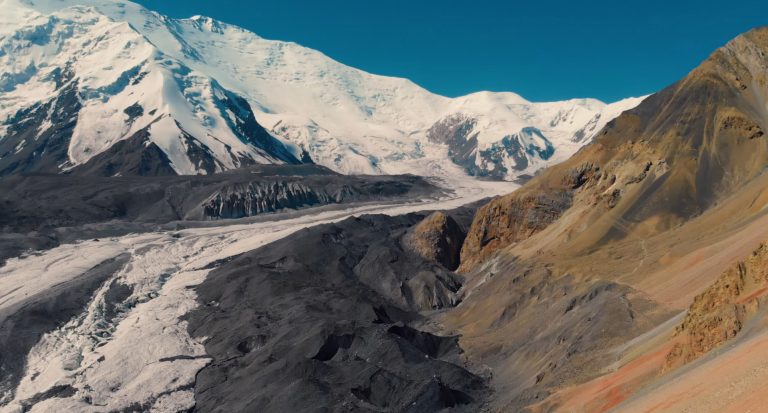
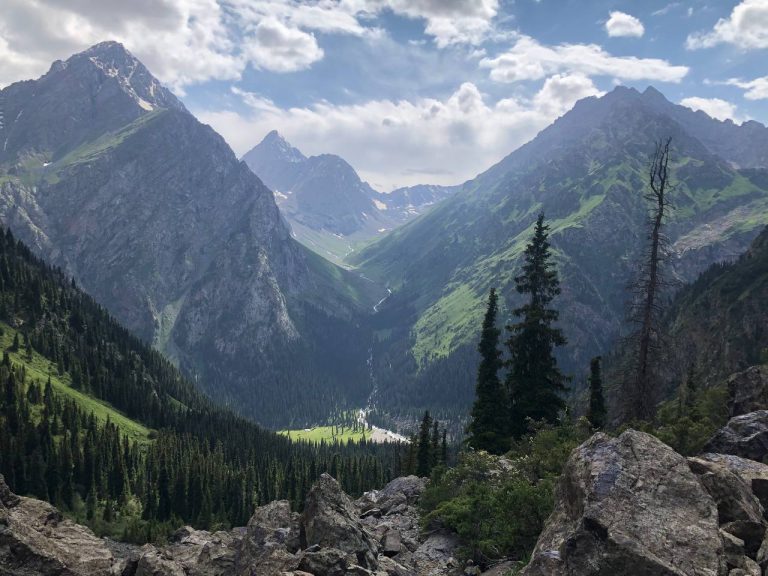
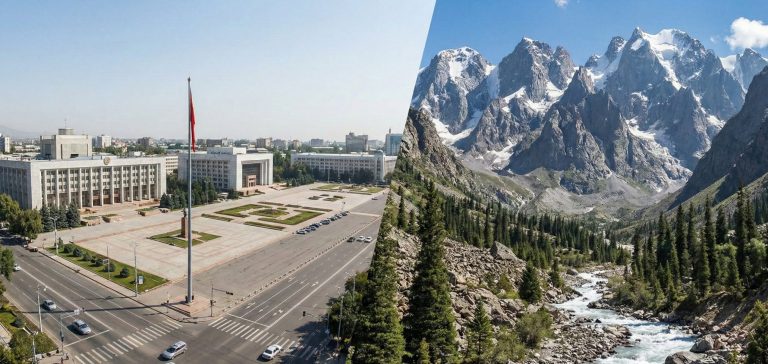
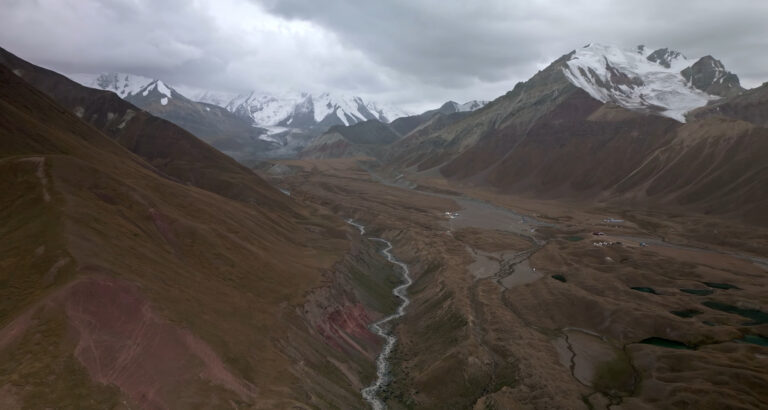
Kyrgyzstan has some of Central Asia’s most varied walking routes, but hiking tours in Kyrgyzstan are not interchangeable. A guided walk in Ala-Archa National Park can fit into a day from Bishkek. Konorchek Canyon involves a very different kind of terrain: dry riverbeds, narrow rock passages and occasional scrambling. A high-altitude trek in the Alay Mountains may take eight days, cross passes above 4,000 metres and require nights in yurts or tents.
The distinction matters when booking. Some excursions marketed as hiking trips spend most of the day driving and only an hour or two on foot. Others are genuine multi-day treks where walking is the main activity. This guide compares both formats honestly, explains which routes suit beginners and experienced hikers, and looks at transport, altitude, accommodation and the questions worth asking before paying for a guide.
Best Hiking Tours in Kyrgyzstan: Nine Guided Walks and Treks
These nine options cover day hikes, a two-day walking trip from Osh, a dedicated four-day Ala-Kul crossing, and supported eight-day Alay expeditions. Unlike general road tours with a few scenic stops, all nine have a real walking route as a central part of the experience. Choose by how much time you want on foot, not only by total tour duration. The two-day and four-day specialist treks have much smaller review histories than the established day-trip and eight-day offers.
Some booking links are affiliate links. We may receive a commission if you make a booking, at no additional cost to you.
Private guided hike in Ala-Archa, with the trail selected for conditions and fitness.
A guided canyon walking day with the Burana Tower stop; check the hiking portion.
A real short overnight mountain hike near Osh; limited reviews, so confirm trail and costs.
Full-day guided climb from Kegeti Gorge to Kol-Tor Lake; expect sustained uphill walking.
Four days on foot via Sirota, Ala-Kul and Altyn-Arashan; few reviews, confirm gear and dates.
A shorter guided mountain visit; confirm the exact trail and time on foot.
A long day with Konorchek on foot plus cultural and lakeside visits.
Eight-day trek with high passes, guided walking and mountain camps in the Alay region.
Private high-altitude itinerary with a published 5,130 m objective, weather and acclimatization permitting.
Choosing by time: day hikers can compare Ala-Archa, Konorchek and Kol-Tor. The two-day Kichi-Alay hike provides a short overnight alternative from Osh, while the four-day Ala-Kul trek is a proper mountain crossing from Karakol. The eight-day Alay tours suit hikers who want a longer, supported expedition. Not every option has a deep review history.
Quick Answer: Which Hiking Tour Should You Choose?
For a first mountain experience, choose a shorter guided walk in Ala-Archa. For a more active day without a remote overnight, consider Konorchek Canyon or a longer Ala-Archa route. For a short overnight hiking experience, the Kichi-Alay Mountains near Osh provide a two-day option with a limited review history. For an actual four-day pass crossing, compare the featured Ala-Kul Lake trek from Karakol, confirming the departure, gear and daily ascents. For a sustained, supported trek across mountain passes, the Alay Mountains are a stronger match.
| Route | Starting point | Typical format | Walking difficulty | Why choose it |
|---|---|---|---|---|
| Ala-Archa valley walks | Bishkek | Half or full day | Easy to moderate, route-dependent | Accessible first mountain hike |
| Ala-Archa waterfall trails | Bishkek | Full day or longer | Moderate to strenuous | More climbing and mountain terrain |
| Konorchek Canyon | Bishkek | Long day | Moderate; scrambling in places | Red-rock canyon hiking |
| Kol-Tor Lake | Bishkek / Kegeti | Demanding day hike | Strenuous for many visitors | Steep climb to an alpine lake |
| Ala-Kul & Altyn-Arashan | Karakol | Usually several days | Strenuous; high pass | Lake, rugged passes and hot springs |
| Kichi-Alay overnight hike | Osh | 2 days | Moderate; exact trail varies | Guided mountain walking with an overnight stay |
| Ala-Kul crossing | Karakol | 4 days | Strenuous; high pass | Multi-day trek via Sirota and Altyn-Arashan |
| Alay Mountains | Osh | About a week or longer | Strenuous and high altitude | Supported trekking across remote passes |
Route figures that make the biggest difference
Tour duration alone does not show how much hiking is involved. The figures below refer to identified routes or published operator itineraries, not to every excursion carrying the same destination name. Footpath length can change when the driver parks lower down the access road, and mountain itineraries can change with conditions.
| Route | Useful benchmark | What it means when booking |
|---|---|---|
| Kol-Tor Lake, Kegeti | One published approach is about 7.5 km one way with roughly 900–1,100 m of ascent | Budget a serious uphill day; confirm the actual parking point and walking distance |
| Ala-Kul crossing | Ala-Kul Pass is around 3,890–3,900 m; common traverses take 3–4 days | Check pass crossing, camping nights and steep descent rather than just a lake visit |
| 8-day Alay group trek | Published Sary-Mogol Pass 4,306 m; Jiptik Pass 4,185 m | Several consecutive long days, not eight days of gentle sightseeing |
| 8-day private Lenin Peak trek | Published Yuhina Peak objective: approximately 5,130 m | Substantial altitude exposure and an acclimatization plan are essential |
An eight-hour excursion may mean five hours of driving and a short walk, while a dedicated eight-hour trekking stage means sustained physical effort. Check walking distance, ascent, highest point, terrain and actual time on foot for the exact departure you are considering.
Hiking, Trekking and Sightseeing: What Are You Actually Booking?
Tour categories frequently overlap. A park sightseeing excursion may be labelled hiking because it includes a nature trail; a canyon visit may involve a short but technically awkward scramble; and a walking expedition may be sold as a general multi-day tour. There is no universal grading system that operators use consistently across Kyrgyzstan.
Scenic walks with organized transport
These are appropriate when mountain scenery matters more than covering distance. A driver takes you to the park or gorge; the guide walks with you to viewpoints or along valley tracks. This format works for travelers arriving in Bishkek, those who have only a half-day, and people who want someone else to organize park access and pickup. It is not necessarily a good choice for someone specifically seeking a hard workout.
Full-day hikes and canyon trails
Here walking becomes one of the main activities. A Konorchek route requires time on uneven ground and may include rock steps or sections where hands are needed for balance. A waterfall hike in Ala-Archa gains height and may encounter loose stones, snow or wet ground depending on the season. The actual trail can be much tougher than a marketing phrase such as “suitable for most travelers” suggests.
Multi-day mountain trekking
These trips connect valleys, camps and passes on foot over consecutive days. The main questions change: how much of the itinerary is above 3,000 metres, where you sleep, what equipment is provided, who carries luggage, how the group handles weather delays and what evacuation options exist. A guide’s value is not merely pointing out the path; it includes route planning, pace management and practical support in remote terrain.
Short Multi-Day Hikes: The 2-Day Kichi-Alay and 4-Day Ala-Kul Options
Two- to five-day hiking tours are much harder to find on Viator than short sightseeing excursions or full-length trekking expeditions. We found genuine walking itineraries for two and four days, but their individual product review histories are limited. That matters: a tour can have a well-designed trail and still lack enough recent traveler feedback to judge the quality of guiding and logistics confidently.
2-Day Kichi-Alay Mountain Hiking Tour from Osh
The two-day Kichi-Alay hiking trip (5568898P3) is a short overnight mountain outing from Osh. The listing describes a road transfer, time hiking in the Kichi-Alay mountains and a night in basic mountain accommodation. Verify the precise destination, walking distance, meals and overnight accommodation in the selected option; the published booking details list accommodation and some additional items separately, so do not assume the headline price includes the overnight stay. The itinerary also leaves room for route variation. The product has only a small number of traveler reviews and should not be marketed as the most established trek in Kyrgyzstan.
Best fit: visitors already in Osh who want a night in the mountains, a guided walk and a manageable alternative to an eight-day expedition. This is not a substitute for the extensive multi-pass treks of the wider Alay region.
A genuine overnight mountain hike; verify accommodation charges, the precise route and what is included.
4-Day Ala-Kul Lake and Altyn-Arashan Trek from Karakol
For a longer walking-focused alternative, Ala-Kul Lake is the natural next step. The featured 120920P3 product describes four days from Karakol through the Sirota camping area to Ala-Kul Lake, across the high mountain pass and down through Altyn-Arashan, with a final descent to Ak-Suu. It lists a trekking guide, meals, porter support and camping equipment, but sleeping bags are excluded. The crossing requires good endurance and appropriate alpine gear. See the detailed Ala-Kul route breakdown below before booking.
Best fit: hikers who want a real multi-day foot journey rather than an Issyk-Kul vehicle circuit. The operator has far fewer product reviews than the established Ala-Archa day walks or the longer Alay group trek, so review its latest feedback and confirm group arrangements, camping conditions and guide communication carefully.
What about three- or five-day treks? These formats exist through local trekking providers, but we did not verify enough suitable, independently reviewed Viator hiking products to promote one in this nine-card selection. A three-day Ala-Kul crossing can be strenuous and a five-day version may allow more time, but neither should be replaced in a hiking shortlist by a road trip with a few short nature stops. See our Ala-Kul planning guide for route logistics.
Ala-Archa Hiking Tours from Bishkek
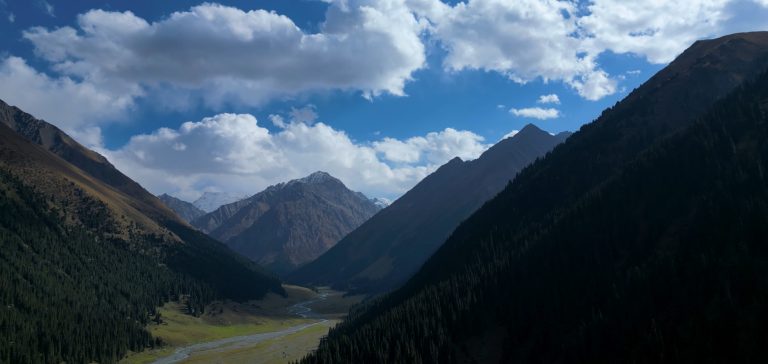
Ala-Archa National Park is the simplest place to begin comparing guided hikes from Bishkek. The drive is much shorter than traveling to the Song-Kul plateau or eastern Issyk-Kul, so a day trip can still leave meaningful time for walking. The park has approachable valley paths, but its steeper trails are genuine mountain terrain; they should not all be described as easy.

Short walks and valley viewpoints
A shorter park visit is best for anyone new to hiking in Kyrgyzstan. You can experience the river valley, forests and surrounding peaks without committing to a long ascent. The guide may adjust the distance to weather and walking speed, making this a relatively flexible introduction. Still, a “half-day tour” describes the overall outing, not four hours of continuous trekking: confirm the time available after pickup, driving, park transport and stops.
One half-day product advertises guided exploration of Ala-Archa with hotel collection. Traveler reports describe routes adapted to the group, including relatively gentle walking. That is useful for beginners, although no operator can guarantee an identical route in snow, heavy rain or during park access changes.
Flexible park visit from Bishkek. Ask whether your selected option includes a meaningful hiking section or mainly viewpoints.
Longer Ala-Archa hikes and the Ak-Sai side valley
For a day where walking is the priority, look for a guide prepared to take you beyond the easiest viewpoints. The Ak-Sai side valley leads towards the waterfall area and, much farther on, the high-mountain environment around Ratsek Hut. These are not interchangeable destinations. The lower sections may be practical for a guided day hike in suitable conditions; reaching higher alpine terrain requires substantially more time, ascent and preparation.
Footing can change abruptly from developed paths to stony tracks, slopes and sections affected by seasonal snow. A guide may shorten the planned route because of weather, a late start or a participant’s pace. That is preferable to pushing a group towards a fixed landmark merely because it appears in a product photo.
The featured private full-day tour allows the walking plan to be adapted and advertises guide support, transport and trekking poles. It is a good starting point for comparing an actual hiking-led excursion rather than a generic sightseeing drive through the park. However, the final objective should be agreed upon in advance; not every departure reaches the waterfall.
Private mountain hike with adjustable pace and trail choice; waterfall access depends on conditions and ability.
Which Ala-Archa walking route matches your fitness?
| Walking objective | Likely effort | Booking implication |
|---|---|---|
| Valley and river viewpoints | Generally easier, with flexible short walks | Ask how much of a half-day trip remains after the drive |
| Ak-Sai Waterfall area | Longer and steeper, with rocky footing | Choose a hiking-led trip, not a generic park sightseeing tour |
| Ratsek Hut and higher alpine terrain | Substantially more demanding, with mountain hazards | Arrange a suitable specialist mountain itinerary rather than assuming inclusion in a standard day tour |
These are route categories, not fixed grading or promised stops for the Viator products above. An early turnaround is the correct choice when snow, weather or group ability makes a planned trail unsafe.
Private hike or small group?
A private excursion offers more control over the route and stopping points, which matters if one person walks significantly faster than another. A small-group outing may be more economical for solo travelers and can still be enjoyable, but the guide must work with the group’s overall pace. The small-group Ala-Archa product below has an established review history, though its usual walking portion is shorter than a specialist waterfall hike.
A group-based introduction to Ala-Archa; suitable when scenery and access matter more than a long mountain ascent.
Important: A day-hike booking does not automatically include Ratsek Hut, glacier walking, technical climbing or mountaineering equipment. If your aim is above the waterfall or onto snow and ice, discuss the route with a properly qualified local mountain guide rather than booking a standard park excursion.
Konorchek Canyon Hiking Tours: The Best Alternative to a Mountain Valley
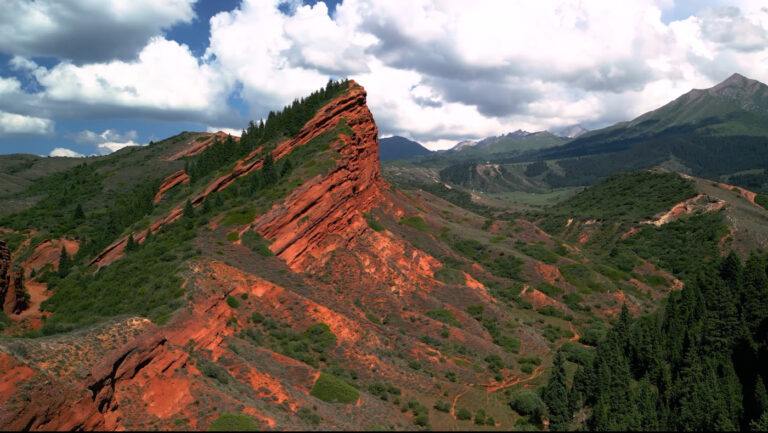
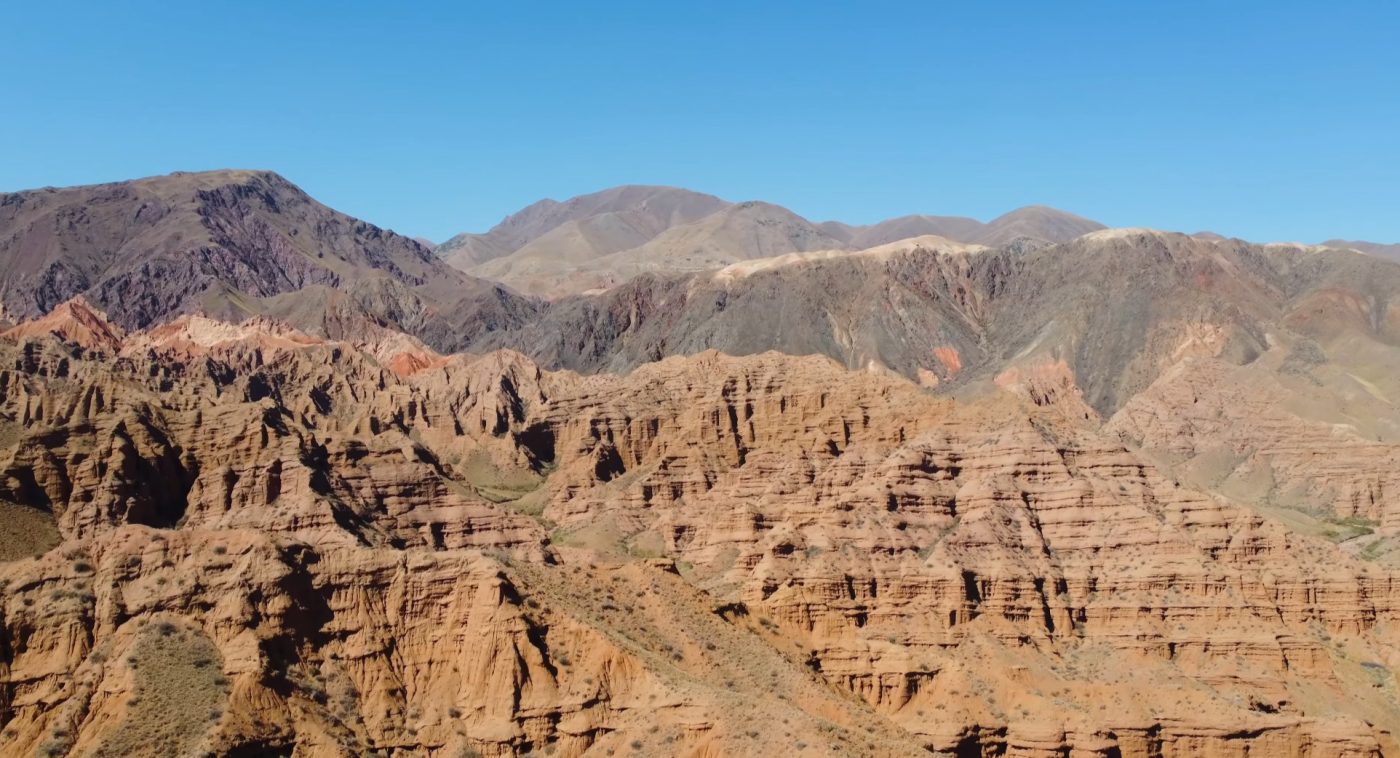
Boom Gorge is a major travel corridor between Bishkek and Issyk-Kul. The nearby Konorchek canyon system offers a contrasting experience to Ala-Archa: instead of cool forested mountain slopes, the walk follows dry channels between rock walls towards broad, eroded red formations. It is particularly rewarding for travelers who enjoy geology, unusual landscapes and a trail that changes character along the way.
How difficult is the canyon walk?
The difficulty is not primarily high altitude. It is the uneven surface, loose stones, dry streambed, narrow sections and short obstacles where ropes or hands may be used for balance. Several travelers reviewing guided canyon tours mention the effort involved in getting past rocky steps. A reasonably active person may enjoy it, but someone with unstable knees or limited mobility should not assume a canyon is easier than a forest walk.
Different operators allocate very different amounts of time to the canyon. A tour that also visits Issyk-Kul may feel more compressed than a Burana-and-Konorchek outing. Ask how much time will be spent walking within the canyon, not only how long the vehicle stops at its entrance. Carry drinking water even in cooler months, and use shoes with traction rather than smooth-soled casual trainers.
Option 1: Focused Burana and Konorchek hiking day
A focused day from Bishkek combines the historical Burana Tower site with the canyon walk. The published itinerary for the featured product reserves several hours for Konorchek, leaving more space for the trail than a three-destination sightseeing circuit. It is the stronger choice if you primarily want canyon walking, rather than simply adding a quick photo stop between other attractions.
A Burana-and-canyon itinerary with a substantial walking section and organized transport from Bishkek.
Option 2: Konorchek plus Issyk-Kul in one long day
For travelers with only one day to see several parts of Kyrgyzstan, another product combines Konorchek with Burana Tower and Issyk-Kul. Reviews specifically mention hikes that took around two to three hours, but the exact route and time depend on the departure. This can be attractive as a highlights tour; it is less attractive if your only goal is to spend as many hours as possible on the trail.
Three different landscapes in one long tour; confirm hiking time because road travel is substantial.
The listing has many positive traveler reviews, but a September 2026 reviewer reported that the guide moved ahead and the group had difficulty staying together during the canyon walk. This is one person’s account, not an independently verified finding. Before booking, ask whether the guide stays with hikers through rocky sections, how the group regroups, and whether the trail may be shortened for slower walkers.
For a fuller breakdown of the Burana–Konorchek combination, see our Burana Tower and Konorchek Canyons day-trip guide. This hiking page compares it with mountain trails elsewhere in the country rather than repeating the same transport itinerary.
Kol-Tor Lake Hike: A Demanding Day from Bishkek
Kol-Tor is one of the most photogenic lake hikes accessible as a long day trip from Bishkek, but it should not be sold as a casual walk. The trail approaches an alpine lake through the Kegeti area and requires a sustained uphill effort followed by a descent on potentially slippery or rocky ground. Travelers accustomed only to urban walking may find the ascent considerably harder than the distance on a map suggests.
There are multiple places called Kol-Tor or Köl-Tör in Kyrgyzstan. When comparing products, make sure the operator is describing the Kegeti-area lake reached from Bishkek, not a similarly named lake elsewhere. Check the trailhead, expected elevation gain, number of walking hours and whether the road vehicle can reliably reach the starting point.
Kol-Tor trail distance, ascent and walking time
For the better-known Kol-Tor Lake in the Kichi Kegeti valley, one current route guide reports approximately 7.5 km from parking to the lake, close to 1,000 metres of elevation gain, and around 7–8 hours of walking for the return hike. Another recorded route begins farther up the valley and describes roughly 10 km return with about 800 m of climbing. Both can be valid descriptions of different starting points; they are not interchangeable figures for a booking.
The usual approach begins on a rough valley access road, follows the stream through stretches of conifer forest, and climbs more sharply toward alpine meadows and the lake at roughly 2,700 m. The steep section and the descent are often what challenge otherwise fit visitors. Road conditions determine how far the vehicle can reach; a lower parking point adds distance before the main ascent. Confirm the expected trailhead, return deadline, and whether a guide will walk the entire trail with you.
As a practical plan, allow time for an early departure, a sustained climb, a break by the lake, and a downhill return before evening. Water, food, grippy shoes and trekking poles are more useful than treating the lake as a short stop. Published route details can be compared with the Kol-Tor route guide; conditions and track lengths can differ.
What makes the Kol-Tor hike harder?
- Sustained ascent: much of the effort is gaining height rather than covering easy flat kilometres.
- Long outing: the combination of driving and trekking can take most of a day.
- Variable trail conditions: wet slopes, snow patches and stream crossings can change the difficulty.
- Time pressure: getting back before dark matters, especially with a late start or slow group.
We would not recommend choosing a guide purely on the lowest price for this route. Look for a clear turnaround policy, walking schedule and an operator who can describe what happens if somebody cannot complete the climb. Some marketplace listings exist but have only a handful of reviews; that is not enough to confidently name one the best Kol-Tor trek.
Use our detailed Kol-Tor Lake tour guide for the route and logistics. This overview intentionally avoids presenting lightly reviewed products as established recommendations.
Recommended private hiking option: Viator product 185368P17 is a full-day Kol-Tor hike with pickup, guide and lunch listed. This is a physically demanding walk; the full tour duration includes road travel, not just walking time. The product’s review history is small, so check current departure conditions and fitness expectations.
Kegeti Gorge and an uphill walk to Kol-Tor Lake; confirm actual trail time and weather before booking.
Ala-Kul and Altyn-Arashan Trekking from Karakol
For a walker interested in multi-day mountain travel in the eastern Tian Shan, Karakol is a practical base. Its surrounding valleys include the routes towards Ala-Kul Lake and Altyn-Arashan. These destinations sit close enough in regional terms to be combined into a trek, but the landscape and access requirements differ sharply from a day around town.
Ala-Kul is a mountain trek, not an ordinary lake tour
The classic multi-day concept connects Karakol-side valleys with a climb towards Ala-Kul and a high pass before descending towards Altyn-Arashan. Some variations reverse the direction; others visit only part of the route. Snow, pass conditions, camp availability and fitness dictate whether the full crossing is practical. Do not treat an advertised visit to “Karakol and Ala-Kul” as proof that the itinerary crosses the pass or even reaches the lake on foot.
Compared with the roadside lakes around Issyk-Kul, this is a strenuous undertaking involving steep grades, mountain weather and at least one demanding day. A guided trip should clearly specify the intended pass, the accommodation plan, luggage requirements and how many hours of walking the operator expects each day. A longer schedule may be more realistic for someone who needs a slower pace.
Typical 3–4 day Ala-Kul crossing: how the stages fit together
A frequently used trekking pattern starts from Karakol Valley and finishes via Altyn-Arashan and the Ak-Suu approach. The following is a planning example, not the confirmed itinerary of a particular Viator product:
- Stage 1 — Karakol Valley towards Sirota camp: follow the river valley and gain height towards the camping areas below Ala-Kul. Accommodation is commonly in tents or simple mountain camps; the stage length depends on the road transfer and overnight location.
- Stage 2 — Ala-Kul Lake and Ala-Kul Pass: climb towards the lake and continue, in suitable conditions, to the pass at roughly 3,890–3,900 m. Expect steep loose ground and a long descent on the far side towards the Keldike drainage. This is often the hardest walking stage.
- Stage 3 — Down to Altyn-Arashan: continue along the valley to the hot-springs area. Depending on where the previous night was spent, this may follow directly after the pass crossing or take a separate day.
- Stage 4, if needed — Exit towards Ak-Suu and Karakol: walk or arrange suitable off-road transport along the valley approach, then return to town. Some faster itineraries combine this with the previous stage.
The distinction between a three-day and four-day crossing often comes down to hiking pace, where camps are placed, available vehicles and whether a rest period is included. A published Ala-Kul Pass–Altyn-Arashan segment documents about 12 km and a substantial descent on one particular stage; do not apply that figure to the entire multi-day circuit.
Ask for the highest sleeping altitude, exact pass crossing, intended camping sites, daily ascent and descent, guide-to-hiker ratio and the bad-weather alternative. A sightseeing excursion to Altyn-Arashan hot springs does not automatically visit Ala-Kul Lake or cross its pass.
Altyn-Arashan: hike in, vehicle in, or part of a traverse?
Altyn-Arashan is known for its hot springs and remote valley setting. Reaching it is part of the experience: travelers may hike from the approach road or use a suitable off-road vehicle. A 4×4 transfer to the valley is a useful excursion, but it is not the same product as a multi-day trek crossing from Ala-Kul. This distinction matters both for the physical effort and for what is actually being sold.
Read our separate Altyn-Arashan tour comparison for vehicle-supported alternatives. For walkers planning the lake crossing, the Ala-Kul Lake guide is the more relevant starting point.
A four-day Ala-Kul trekking product: what to verify
The featured four-day 120920P3 tour is a relevant walking itinerary, not a sightseeing excursion. Its published route includes Sirota, Ala-Kul, the crossing towards Keldyke Valley and Altyn-Arashan. The operator lists guide, meals, porter support and camp gear, but excludes sleeping bags, insurance and bottled water. The review sample is small; read recent detailed reviews, including criticism of overnight logistics and pacing, and confirm the actual camping arrangements, safe pace on the descent and what to bring. Do not choose it solely because it appears in a booking widget.
A proper four-day pass crossing with guide and camp support; confirm sleeping bag, gear, hiking pace and arrangements.
Alay Mountains Trekking Tours from Osh: Multi-Day Hiking
The Alay Mountains are a different commitment from a Bishkek day hike. Routes south of getting from Bishkek to Osh cross remote valleys, herders’ pastures and high passes, with nights in guesthouses, yurts or tents. You need to think about altitude exposure, consecutive long walking days, support staff and whether the itinerary allows enough time to adjust to thinner air.
The two eight-day products below have substantial published itineraries and review histories. They are not the same route simply because both start and finish around Osh: the group product is a broader Alay circuit, while the private itinerary includes a higher objective in the Lenin Peak area. Someone comfortable on a moderate day hike should not automatically book either without assessing the physical demands.
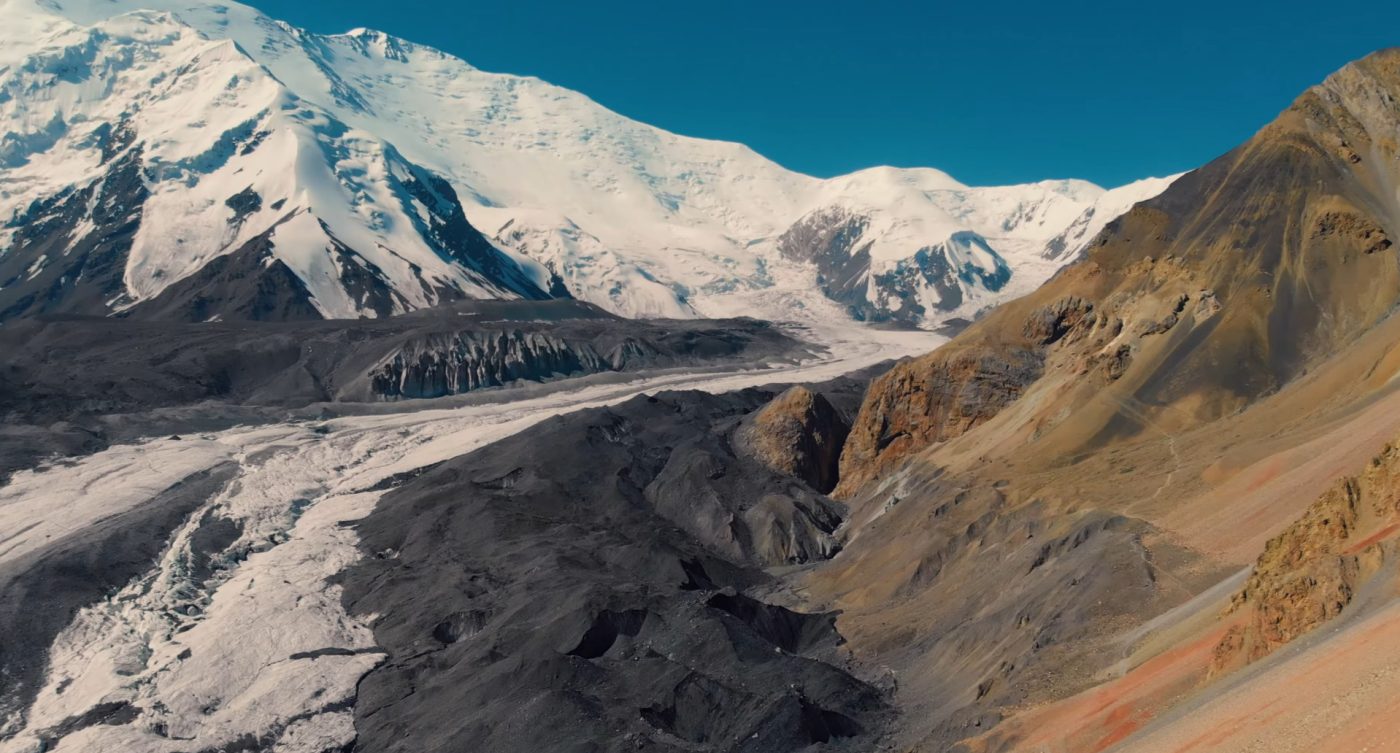
Two eight-day Alay tours: the key differences
| Comparison | Alay group trek — 120920P1 | Private Lenin Peak trek — 120920P5 |
|---|---|---|
| Travel style | Small-group departure; published maximum 10 travelers | Private itinerary and dedicated arrangements |
| Broad route | Sary-Mogol, Zhanyryk, Sary-Mogol and Jiptik passes, Tulpar-Kol | Kojokelen, Sary-Bell, Sary-Mogol, Tulpar-Kol and Lenin Peak base-camp area |
| High point advertised | Sary-Mogol Pass around 4,306 m | Yuhina Peak approximately 5,130 m, subject to conditions and acclimatization |
| Walking commitment | Successive trekking days over high passes | High passes plus an additional high-altitude objective |
| Accommodation | Shared guesthouse and yurt camps in the published itinerary | Operator describes guesthouse, yurt camps and tent camping |
| Best fit | Fit hikers seeking a supported group crossing | Well-prepared trekkers with a suitable acclimatization plan and more flexibility |
Both require genuine mountain preparation. Private transport and support do not reduce altitude illness risk. The private tour’s operator describes roughly 100 km across the full itinerary, but this is an operator figure for that particular program, not a benchmark for every eight-day Alay trek.
The eight-day Alay group trek: what the days involve
The featured group tour begins from Osh with a drive towards Sary-Mogol. Its published itinerary then moves through a sequence of valleys, yurt camps and mountain passes. The order is valuable because it shows that this is a walking expedition with some vehicle transfers, not a series of independent excursions from a hotel.
- Day 1 — Osh to Sary-Mogol: arrival in the mountain region, transfer and a guesthouse night rather than an immediate full hiking day.
- Day 2 — Sary-Mogol towards Zhanyryk: a sustained acclimatization and trekking day ending in a mountain camp.
- Day 3 — Sary-Mogol Pass: the published crossing reaches approximately 4,306 metres. This is a serious high-altitude stage even for fit hikers.
- Day 4 — Towards Kosh-Moinok via Kyzyl-Shoro: a long valley-to-valley trekking day with changing scenery.
- Day 5 — Kozhokelen and Sary-Bell: another crossing in the southern Alay landscape, ending at a camp.
- Day 6 — Jiptik Pass area: the published itinerary includes a crossing of approximately 4,185 metres and a long day on foot.
- Day 7 — Towards Tulpar-Kol: a change of scenery towards the lakes and open Alay Valley.
- Day 8 — Traveller’s Pass area and return to Osh: a final high-altitude walking stage before the transport back.
Daily walking estimates published by operators are not a promise of exact elapsed hours. Weather, trail condition, group pace and transfers can alter the itinerary. The published product includes a trekking guide, meals and mountain accommodation, but you should check sleeping arrangements, luggage transport, equipment and any permit requirements for your chosen date rather than assume every item is covered.
This is the stronger choice for hikers looking for a longer walking experience across several valleys without commissioning a fully private expedition. The mountain scenery is a major attraction, but the number of consecutive hiking days should be the decisive factor.
Supported eight-day route from Osh, including the Sary-Mogol and Jiptik high-pass areas and nights in mountain accommodation.
The private Lenin Peak trek: a higher and more demanding itinerary
The other featured eight-day trek is private and is not simply a luxury version of the group circuit. Its published itinerary begins with travel from Osh to the Kojokelen area, passes through mountain settlements and camps, crosses the Sary-Mogol Pass region, and later reaches the Tulpar-Kol and Lenin Peak base-camp area. One published objective is Yuhina Peak, around 5,130 metres. This is a strenuous high-altitude hike, not a general sightseeing viewpoint.
The operator’s itinerary describes the progression approximately as follows:
- Day 1: Osh to Kojokelen village, with a guesthouse overnight.
- Day 2: walking over Sary-Bell Pass towards the Kosh-Moinok area.
- Day 3: onward trekking via Kyzyl-Shoro towards Beshkol camp.
- Day 4: the high Sary-Mogol Pass crossing and camp in the Zhanyryk area.
- Day 5: continuation via Sary-Mogol towards Tulpar-Kol.
- Day 6: towards Traveller’s Pass and the Lenin Peak base-camp side of the route.
- Day 7: planned Yuhina Peak objective, subject to safe weather, conditions and individual capability.
- Day 8: descent and transfer back towards Osh.
The listing advertises a mountain guide, luggage horses, private transport, mountain accommodation and a border permit. It does not make travel insurance or a hotel stay in Osh part of the package. Check the current exclusions carefully, especially sleeping-bag requirements, mountaineering-related equipment if relevant, and whether the itinerary can be modified if acclimatization is inadequate.
The published private itinerary includes an ascent to an altitude where serious altitude illness is possible, even in otherwise fit hikers. The operator’s advertised stage is not a guarantee that the summit will be attempted or reached. Confirm acclimatization nights, turnaround criteria, weather alternatives, emergency communication and evacuation arrangements before paying. Do not push higher if altitude symptoms are developing.
Who should avoid it? Anyone looking for their first serious mountain hike, anyone who has not considered the effects of sleeping at altitude, or anyone unable to complete repeated long walking days. Even a very fit traveler can develop altitude illness: fitness does not guarantee acclimatization. For an overview of the wider region, compare our Alay Mountains tours guide.
A demanding private Alay route with high-pass crossings and a proposed Yuhina Peak stage; acclimatization is essential.
Can you do a short Alay hike instead?
Yes. There are shorter walks and scenic treks around Sary-Mogol, Tulpar-Kol and other parts of the Alay Valley. Those are useful if you are travelling through Osh but do not have a week for a complete crossing. However, a “Lenin Peak base camp trip” may be largely a road excursion, while a trek to a high pass is walking-focused. Judge each itinerary by the trail stages actually included. We have deliberately not ranked low-review short products above the better-established eight-day expeditions.
Other Hikes Worth Considering Around Issyk-Kul
Not every worthwhile walk needs a separate hiking package. Several attractions around Issyk-Kul offer short walking opportunities as part of a road-based tour. They are best treated as scenic walks unless the product specifies a longer guided trail.
- Jeti-Oguz: short walks around the red-rock formations and deeper valley trails. The distance varies greatly by where the vehicle stops.
- Skazka Canyon: colourful formations and uneven, sometimes steep sandstone paths on the south shore. Footwear with good grip is more useful than beach sandals.
- Barskoon Gorge: forest and waterfall trails with variable steepness. The named waterfall or viewpoint must be checked against the actual tour itinerary.
- Grigoriev and Semenov gorges: relatively accessible northern-valley scenery, often visited by vehicle with optional short walks rather than a sustained trek.
The region is large, and the driving between these places often occupies more time than expected. If you want to compare those combined road itineraries, use our Issyk-Kul tours guide. If hiking is the main goal, consider being based around Karakol instead of trying to cover both shores from Bishkek in a single day.
How to Choose a Guided Hiking Tour in Kyrgyzstan
Start with the city you are actually staying in
Ala-Archa, Konorchek and Kol-Tor make sense when you are based in Bishkek. Ala-Kul and Altyn-Arashan are more naturally arranged from Karakol. Alay trekking departs from the Osh region. Choosing a tour on the other side of the country can create an extra domestic journey, overnight stay and significant transport cost. For practical journeys between bases, see Bishkek to Karakol and Bishkek to Osh.
Ask for distance, ascent and moving time
These three numbers are more useful than vague terms such as “moderate adventure”. A route with a modest distance but a steep climb may be harder than a longer, nearly flat walk. A typical daily walking estimate should distinguish moving time from stops for photographs and lunch. If the operator cannot provide a plausible answer, treat the stated difficulty cautiously.
Check what the guide actually does
A transport driver who drops visitors at a trailhead is not the same as a guide accompanying people through a remote pass. For simple valley walks, this may be all you need. For exposed terrain, navigation uncertainty or high-altitude overnight routes, clarify the guide’s experience, language ability, group size, first-aid arrangements and plan for turning around.
Check the full cost, not just the headline price
| Item | Day hike | Multi-day trek |
|---|---|---|
| Pickup and transport | Usually important; confirm the actual meeting point | Confirm start and end city, trailhead transfers and return journey |
| Guide | May be shared, private or limited to park orientation | Confirm hiking guide for each walking stage |
| Park fees / permits | Sometimes included; check exclusions | Some border areas require additional permissions |
| Food and drinking water | Lunch and water vary by product | Meals often listed; ask about water treatment and dietary needs |
| Accommodation | Not applicable | Yurt, guesthouse or tent; confirm sharing and bedding |
| Equipment / luggage | Poles may be supplied; footwear normally is not | Ask about tents, sleeping bags, mats, luggage animals and weight allowance |
| Emergency arrangements | Ability to return to road / vehicle | Communication, evacuation plan and suitable insurance |
A quoted price per person may depend on group size. A private day hike for two people can look expensive compared with a bus excursion, but its flexibility may make it a better match for a difficult route. Conversely, a well-organized small group can reduce costs on longer treks without removing the need for proper guide support. Use our Kyrgyzstan travel costs guide for general trip budgeting.
Best Season for Hiking in Kyrgyzstan
There is no single hiking season for the whole country. A sheltered lower valley near Bishkek can be walkable when a high pass near Ala-Kul or Sary-Mogol is still affected by snow. Trail surfaces, daylight, river levels and accommodation availability also change with elevation.
| Period | Lower-elevation day hikes | High mountain treks |
|---|---|---|
| April–May | Some Ala-Archa and canyon walks are possible, with weather checks | Many high passes remain snowy; avoid assuming summer access |
| June | Good range of lower trails, with possible rain and wet ground | Season begins on some routes; upper passes can still have snow |
| July–August | Long daylight, but heat in exposed canyons and changing afternoon weather | Main window for many supported trekking departures |
| September | Often attractive for walking, with shorter daylight later in the month | Some treks continue; cold nights and early snow become more important |
| October–March | Selected low-elevation walks may operate with suitable conditions | Standard summer treks generally unsuitable without winter expertise |
These are planning patterns, not guarantees. Check actual access, operator dates and recent weather before traveling. Also distinguish a winter park visit with an easy walk from a genuine winter mountain expedition. For wider seasonal planning, see the best time to visit Kyrgyzstan.
Mountain Safety, Altitude and Fitness
Altitude matters even if you are fit
A day hike around Bishkek is not the same exposure as repeated nights in the Alay Mountains. Some featured high-mountain stages exceed 4,000 metres, and the private Lenin Peak itinerary advertises a much higher objective. Acute mountain sickness can affect experienced athletes as well as casual hikers. Symptoms may include headache, nausea, dizziness and unusual fatigue after ascent.
For high-altitude treks, favor an itinerary that increases sleeping altitude gradually and gives people time to acclimatize. Do not continue ascending to sleep higher when symptoms of altitude illness are present. Worsening symptoms require descent and medical attention; confusion, trouble walking or breathlessness at rest are urgent warning signs. The CDC’s high-altitude travel guidance explains acclimatization and the major warning signs.
Weather and terrain
Weather in the Tian Shan can change quickly. Sunshine at the trailhead does not guarantee clear conditions at the pass. Carry a waterproof layer, insulating clothing and navigation backup even on apparently simple mountain walks. Canyons introduce a different problem: heavy rain can make narrow drainage channels dangerous, and wet rock can be slippery. A sensible guide will adjust or cancel a walk if conditions deteriorate.
What to pack
- Footwear: worn-in hiking shoes or boots with grip; ankle support is useful on loose, rocky trails.
- Layers: a warm mid-layer and weatherproof shell, including for summer walks at altitude.
- Water: carry enough for your route; confirm access to safe refill points or bring suitable treatment.
- Sun protection: sunscreen, sunglasses and a hat for exposed ridges and dry canyons.
- Navigation: offline maps, a charged phone and power bank; do not assume continuous coverage.
- For longer treks: headlamp, suitable overnight insulation, personal medication, blister care and items specified by the guide.
If a trek uses horses for luggage, confirm what they carry, when the bag can be accessed, and whether there is a weight limit. The daypack should still hold the clothing, water and medication needed before reaching camp. For independent transport planning, our private driver costs guide explains another way to arrange access to trailheads, although a driver does not replace a trekking guide.
FAQ: Hiking and Trekking Tours in Kyrgyzstan
What is the best hiking tour in Kyrgyzstan for beginners?
A shorter guided walk in Ala-Archa is a practical first choice from Bishkek. Specify that you want an easy valley route rather than a strenuous waterfall or high-mountain trail.
Can I go hiking in Kyrgyzstan without a guide?
Some established lower-elevation trails can be walked independently by prepared hikers. For remote multi-day passes, unfamiliar terrain or uncertain weather, a qualified local guide offers important navigation and logistics support. Independent hiking still requires planning, equipment and a way to manage emergencies.
Is Ala-Archa or Konorchek better for a day hike?
Choose Ala-Archa for a mountain valley, forests and optional climbs. Choose Konorchek for a dry canyon walk with rocky steps and dramatic red formations. Both can be done as day trips from Bishkek, but the terrain is very different.
How hard is the Kol-Tor Lake hike?
For the Kegeti-area lake, published approaches can involve about 7.5 km one way and roughly 900–1,100 m of ascent, although shorter recorded tracks start farther up the road. Allow a full hiking day and confirm the parking point, walking hours and return plan.
How many days do I need for Ala-Kul Lake?
Many Karakol Valley–Ala-Kul–Altyn-Arashan traverses take 3–4 days. The Ala-Kul Pass is close to 3,900 m, so hiking pace, camping stops and snow conditions matter. Confirm whether the planned product reaches the lake and crosses the pass.
What is the difference between hiking and trekking tours?
In this guide, hiking usually means a walk completed within one day, while trekking refers to walking across several days with overnight stops. Operators do not always use these terms consistently, so the itinerary is more important than the label.
Where do Alay Mountains treks start?
Many organized itineraries meet in Osh and transfer to mountain villages such as Sary-Mogol or Kojokelen. Confirm the meeting point and whether your tour includes the return transfer.
Do I need to acclimatize for hiking in Kyrgyzstan?
For high-altitude overnight routes, yes: plan gradual ascent and follow your guide’s acclimatization schedule. Fitness alone does not prevent altitude sickness. Shorter, lower-elevation day walks generally involve less altitude exposure.
Are meals, trekking poles and camping gear included?
It depends on the specific product. A day hike may include transport and lunch but not hiking shoes. Multi-day treks may provide meals and camps, yet still exclude sleeping bags, personal equipment or insurance. Check the current included/excluded list.
Can I hike in Kyrgyzstan in winter?
Some lower trails can be visited with appropriate winter precautions, but high-pass treks require specialist winter planning and should not be treated as normal summer excursions. Check avalanche, ice, daylight and weather risks before setting out.
Choose the hike by terrain and time on foot, not by the number of attractions in its title. Ala-Archa is the most convenient starting point from Bishkek, Konorchek is a strong alternative for canyon walking, and a supported Alay trek is for travelers deliberately seeking several demanding days in the mountains. If a product does not specify its route or walking commitment clearly, ask before you book.