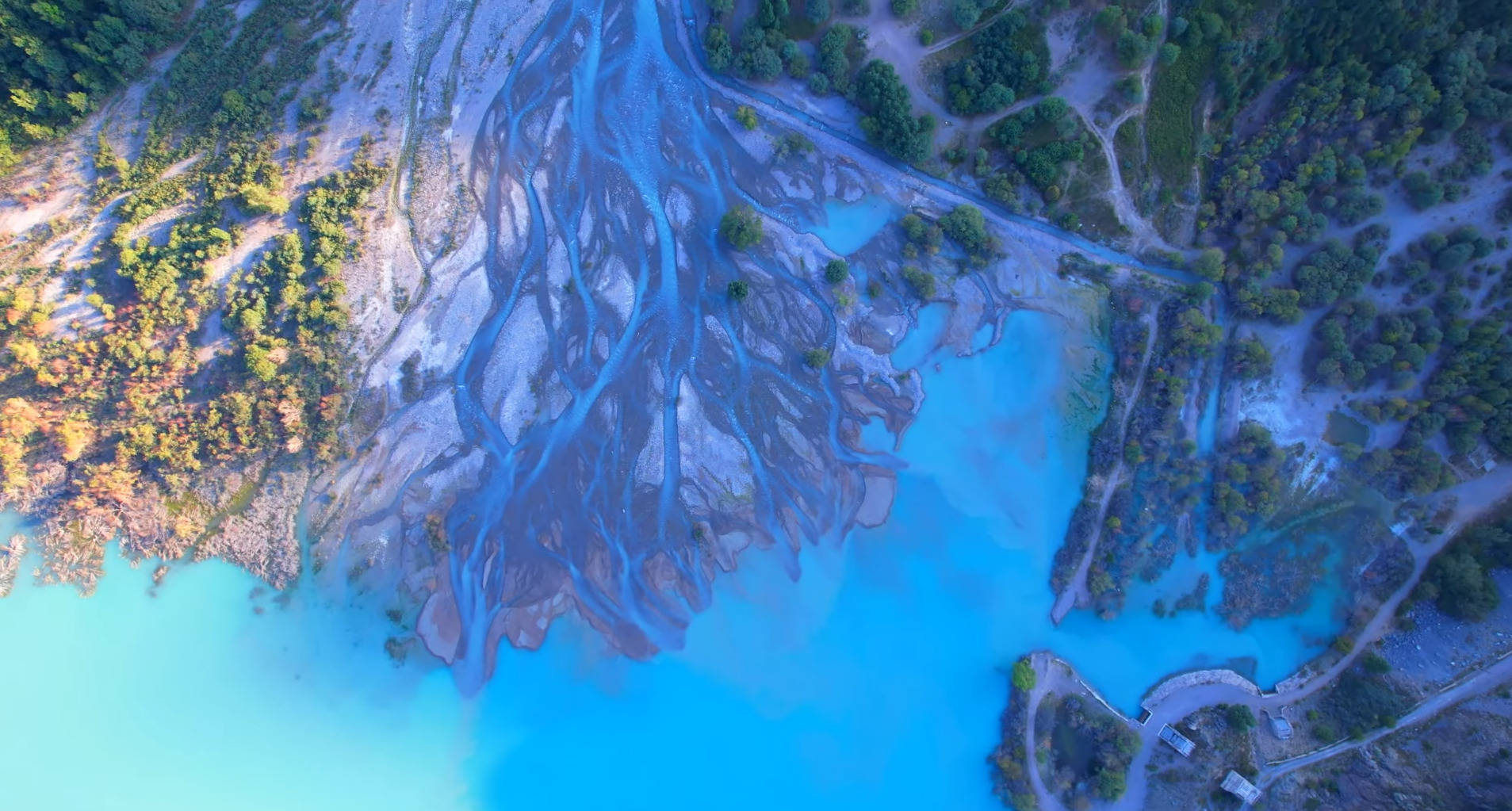
Interesting Facts About Kyrgyzstan: Mountains, Nomads, Lakes and Living Traditions
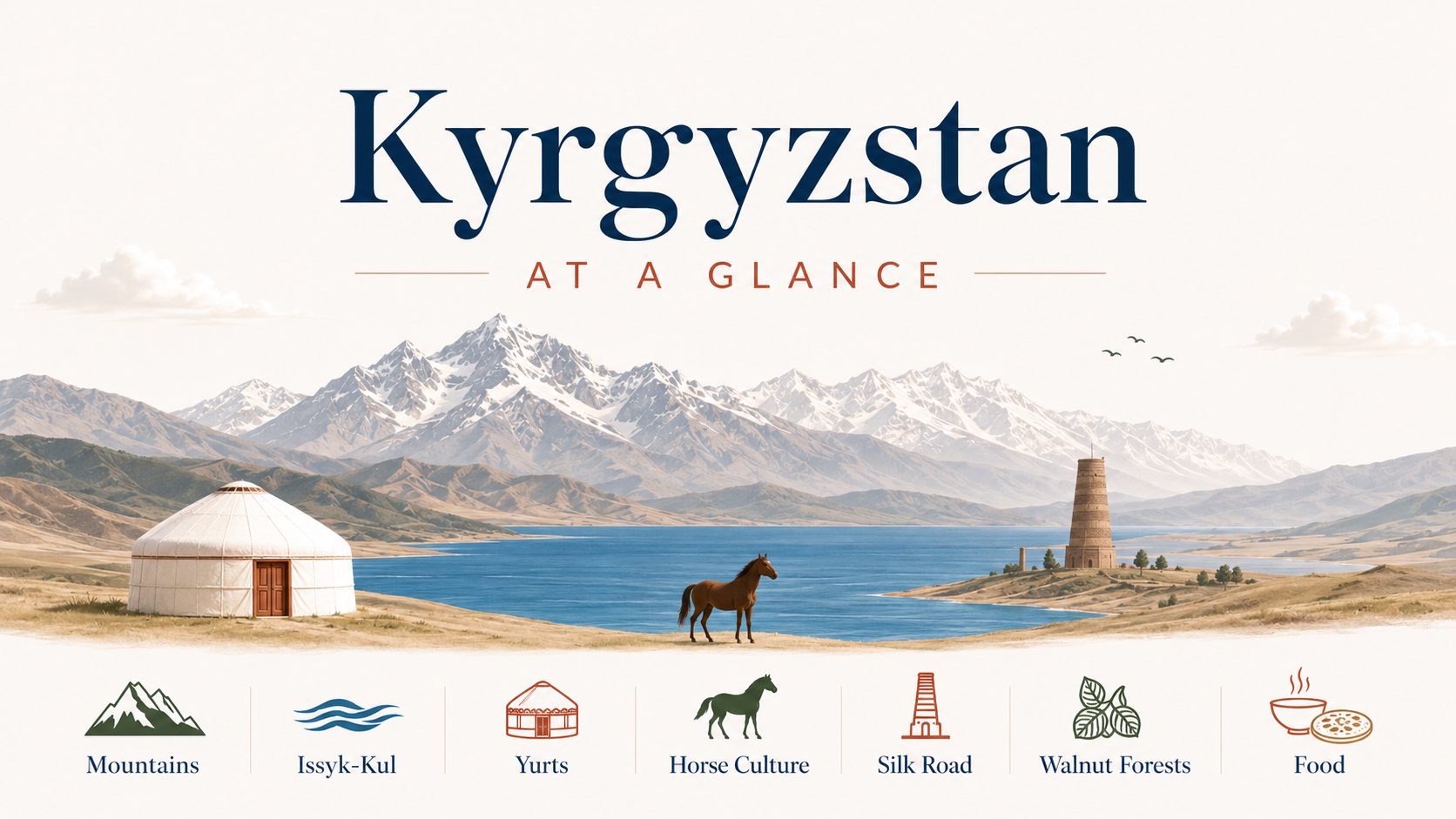
Kyrgyzstan is one of those countries that looks simple from a distance and becomes much more interesting the closer you look. Most people know the easy version: mountains, yurts, horses, maybe Issyk-Kul Lake. All of that is true. But it is only the surface.
This is a country where geography explains almost everything. The mountains shape the roads, the weather, the food, the summer pastures, the old trade routes and even the way people imagine home. Nomadic traditions are still visible, but Kyrgyzstan is not a frozen museum of nomads. It is modern, young, rural in many places, urban in others, and still deeply connected to the landscapes that shaped it.
These interesting facts about Kyrgyzstan go beyond the usual travel clichés. You will find famous facts, surprising details, cultural context and practical travel notes, with links to deeper guides where they are useful.
Quick Facts About Kyrgyzstan
| Fact | Detail | Why It Matters |
|---|---|---|
| Capital | Bishkek | The main arrival point and the easiest base for short trips into the mountains. |
| Region | Central Asia | Kyrgyzstan sits between Kazakhstan, Uzbekistan, Tajikistan and China. |
| Official languages | Kyrgyz and Russian | Both languages are important for understanding signs, cities and everyday communication. |
| Famous lake | Issyk-Kul | One of Kyrgyzstan’s strongest natural and travel symbols. |
| Highest peak | Jengish Chokusu / Victory Peak | A reminder of how extreme the Tian Shan landscape can be. |
| Best-known cultural symbol | The yurt and the tunduk | The tunduk, the crown of a yurt, appears on the national flag. |
For a broader overview of planning a trip, see our full Kyrgyzstan travel guide. If you want numbers and demographics, we also have a separate guide to Kyrgyzstan population statistics.
Geography and Nature Facts About Kyrgyzstan
1. Kyrgyzstan is one of the most mountainous countries in Central Asia
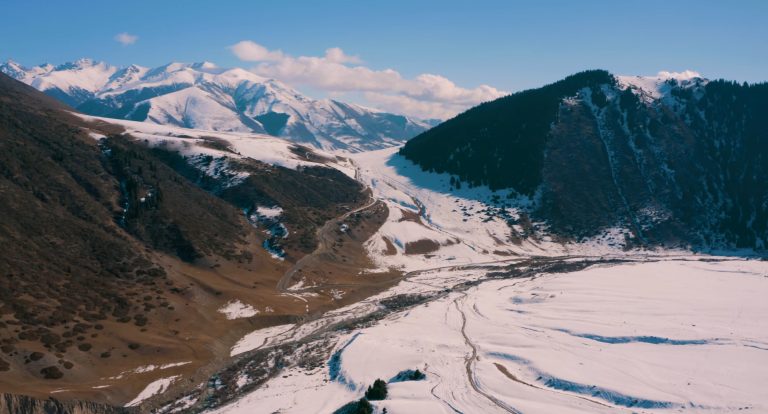
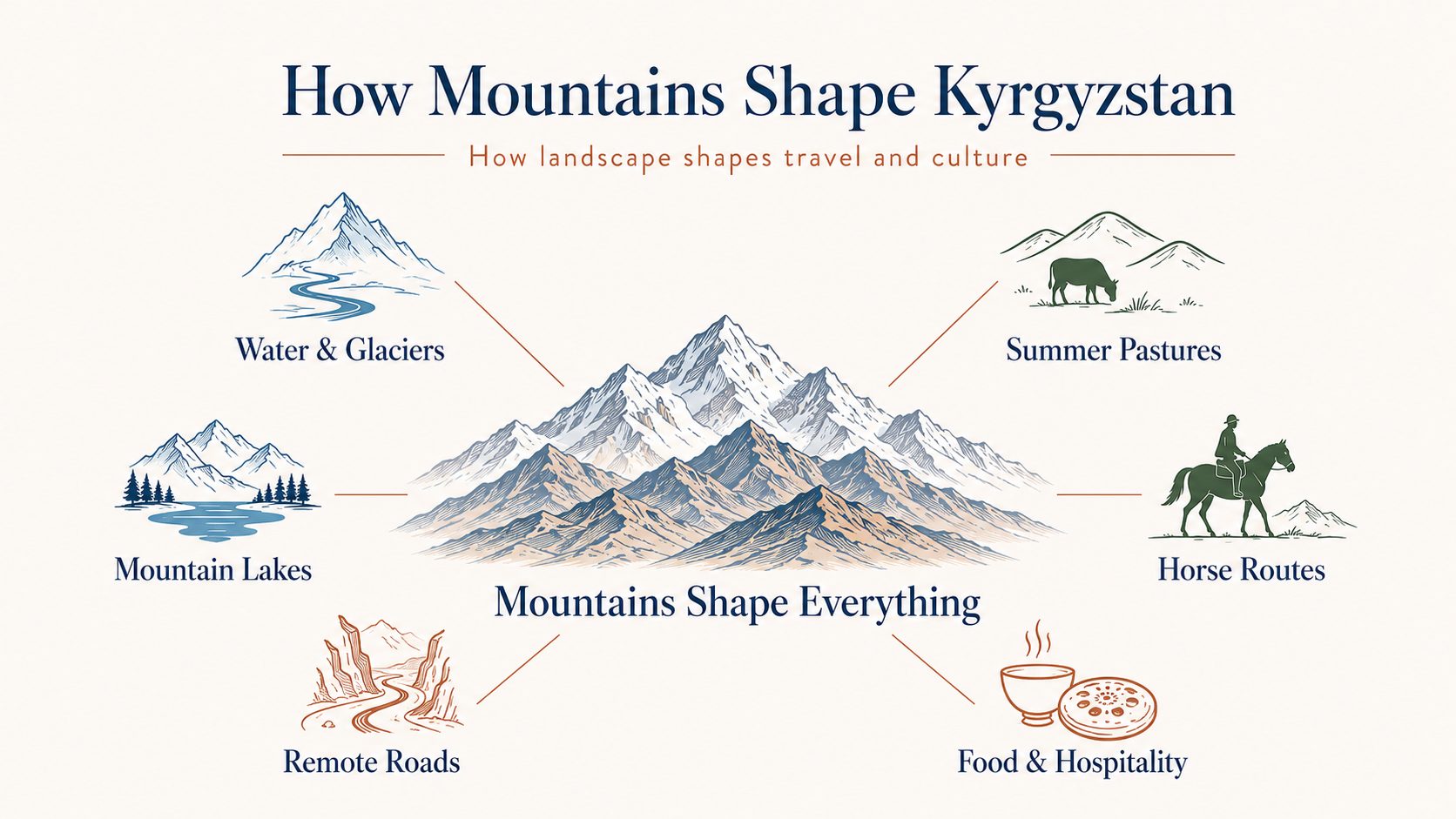
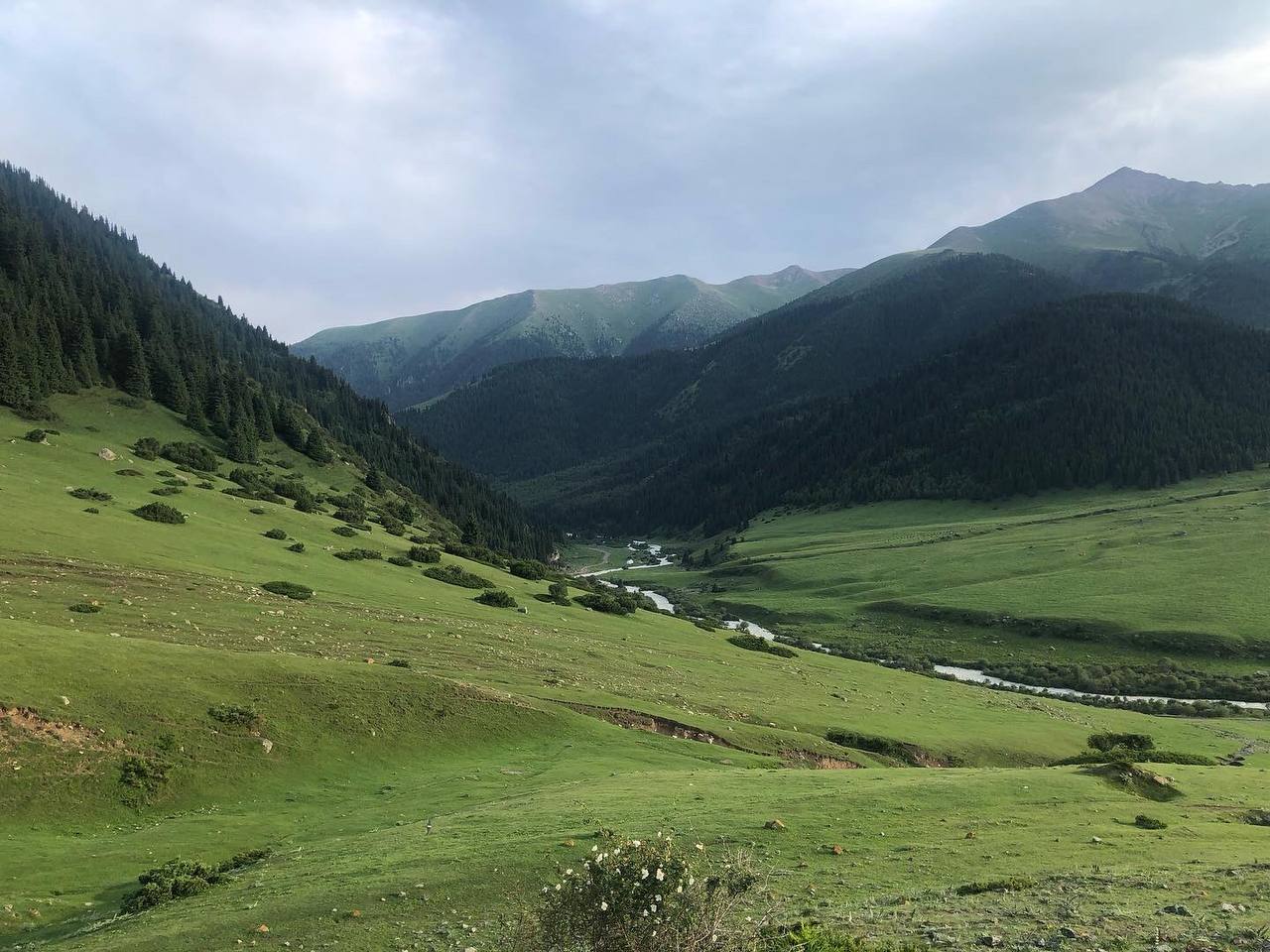
The first thing to understand about Kyrgyzstan is that the mountains are not just scenery. They are the country’s structure. They decide where roads can go, where people live, how long journeys take, when high pastures open, and why even short distances on the map can turn into serious travel days.
That is why many trips in Kyrgyzstan feel more vertical than horizontal. You may start in the flat streets of Bishkek, drive toward a valley, climb into alpine meadows, cross a pass, and suddenly find yourself looking at snow peaks, horses and yurts. The landscape changes fast.
If you want a deeper geographic overview, read our guide to the mountains of Kyrgyzstan.
2. The Tian Shan mountains shape the country’s identity
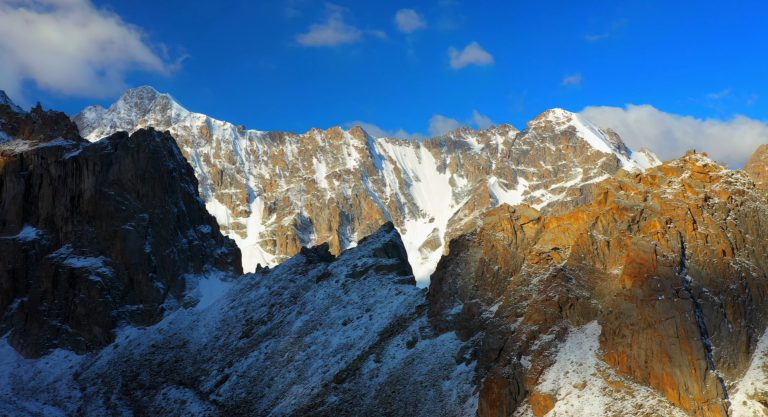
The Tian Shan are often translated as the “Heavenly Mountains,” and in Kyrgyzstan that name does not feel exaggerated. These mountains dominate much of the country and help explain its climate, its rivers, its pasture culture and its adventure tourism.
The highest point in Kyrgyzstan is Jengish Chokusu, also known as Victory Peak. It rises to 7,439 meters and sits in the far eastern Tian Shan near the border with China. Khan Tengri is another famous peak in the region, but it should not be confused with the country’s highest summit.
For travelers, the Tian Shan are not only for serious mountaineers. You can experience them through day hikes, horse treks, lake routes, hot springs, scenic drives and short trips from Bishkek.
3. Kyrgyzstan’s glaciers matter far beyond the mountains
One of the most overlooked facts about Kyrgyzstan is the importance of its glaciers. They are not just dramatic white patches above trekking routes. They are part of the wider water system of Central Asia.
Glaciers help feed rivers, support agriculture, influence hydropower and shape mountain ecosystems. This matters because Kyrgyzstan is landlocked, yet water is one of the country’s most important natural resources. The country has no sea, but it has high mountains, snowfields, lakes, rivers and seasonal meltwater.
4. Issyk-Kul feels more like an inland sea than a small lake
Issyk-Kul is usually described as a lake, but that word can feel too small when you are standing on its shore. The water stretches for such a long distance that it often feels more like an inland sea surrounded by mountains.
The lake is famous for usually not freezing over in winter, despite sitting at altitude. Its name is often translated as “warm lake” or “hot lake,” which refers to that unusual winter behavior. The shore has resort towns, beaches, Soviet-era holiday traces, petroglyph sites, mountain views and access to both easy and ambitious trips.
The northern shore is more developed and easier for classic resort travel. The southern shore feels rougher, quieter and often more atmospheric. Cholpon-Ata is one of the best-known towns on the lake, and you can read more in our guide to Cholpon-Ata.
For planning routes around the lake, see our Issyk-Kul tours.
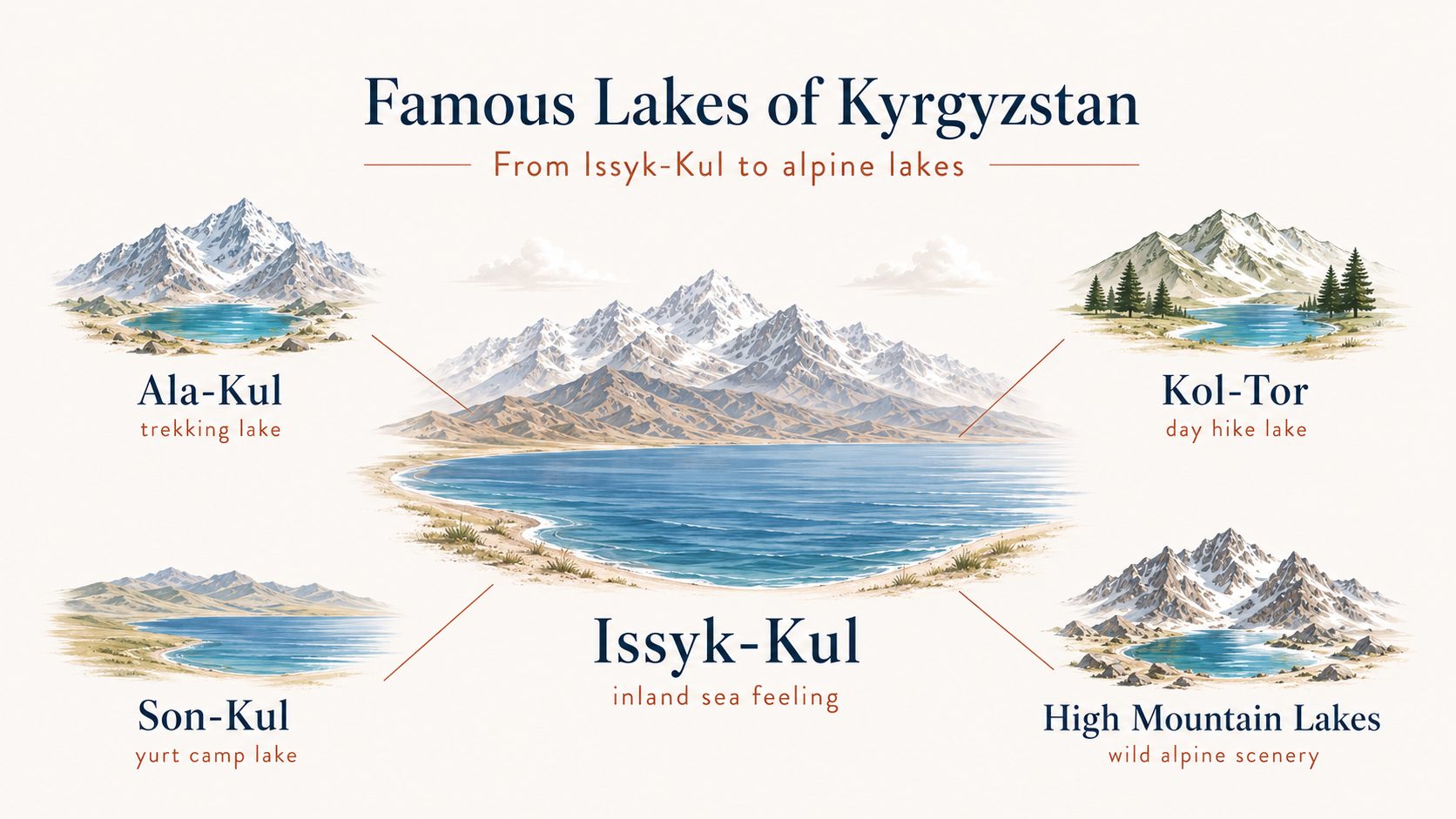
5. Kyrgyzstan has many important lakes beyond Issyk-Kul
Issyk-Kul gets most of the attention, but it is not the only lake that matters. Kyrgyzstan is full of mountain lakes, and many of them show a completely different side of the country.
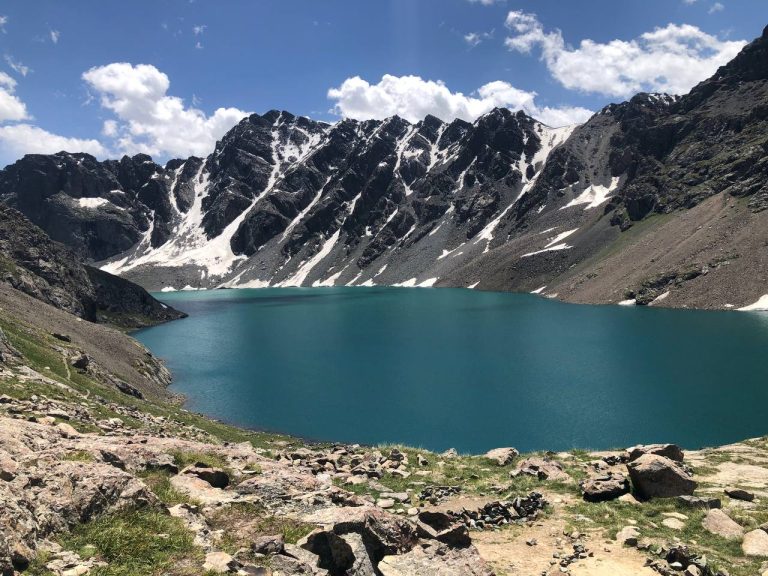
Ala-Kul is one of the most famous trekking lakes, known for its bright alpine color and demanding approach near Karakol. Kol-Tor is easier to reach from Bishkek and works well for travelers who want a mountain lake experience without a long expedition. Song-Kul, although not listed in the links above, is one of the classic places to understand summer pasture life and yurt camps.
For a broader overview, use our guide to the lakes of Kyrgyzstan. For specific routes, see Ala-Kul Lake and the Kol-Tor Lake tour.
6. Arslanbob shows a greener side of Kyrgyzstan
If your mental image of Kyrgyzstan is all glaciers, high passes and dry valleys, Arslanbob will surprise you. This area in southern Kyrgyzstan is known for walnut forests, waterfalls, village life and a softer, greener landscape than many visitors expect.
That is what makes Arslanbob so useful in a facts article. It breaks the usual formula. Kyrgyzstan is not only alpine lakes and horse treks. The south has its own climate, food, history, ethnic mix and natural character.
For more detail, read our full guide to Arslanbob.
7. Western Tien Shan is important for biodiversity
The Western Tien Shan deserves more attention than it usually gets in short “facts about Kyrgyzstan” articles. This mountain region is important not only for scenery, but also for biodiversity and wild fruit ecosystems.
This is a useful reminder that Kyrgyz nature is not one single image. There are snowy peaks, walnut forests, alpine lakes, dry canyons, river valleys, summer pastures and high desert-like landscapes. A good article about Kyrgyzstan should show that variety.
Cultural Facts About Kyrgyzstan
8. The yurt is a national symbol, not just a tourist prop
The yurt is one of the most recognizable symbols of Kyrgyzstan. For travelers, it often appears as a place to sleep in the mountains. But culturally, it means much more than that.
A traditional yurt is portable, circular and designed for life on the move. It can be taken apart, transported and rebuilt, which made sense for pastoral communities moving with animals between seasonal grazing areas. The felt covering, wooden frame and central opening all have practical and symbolic meaning.
The most important detail is the tunduk, the circular crown at the top of the yurt. It appears in the center of the Kyrgyz national flag. That makes the yurt not just a travel image, but a symbol of home, sky, family and national identity.
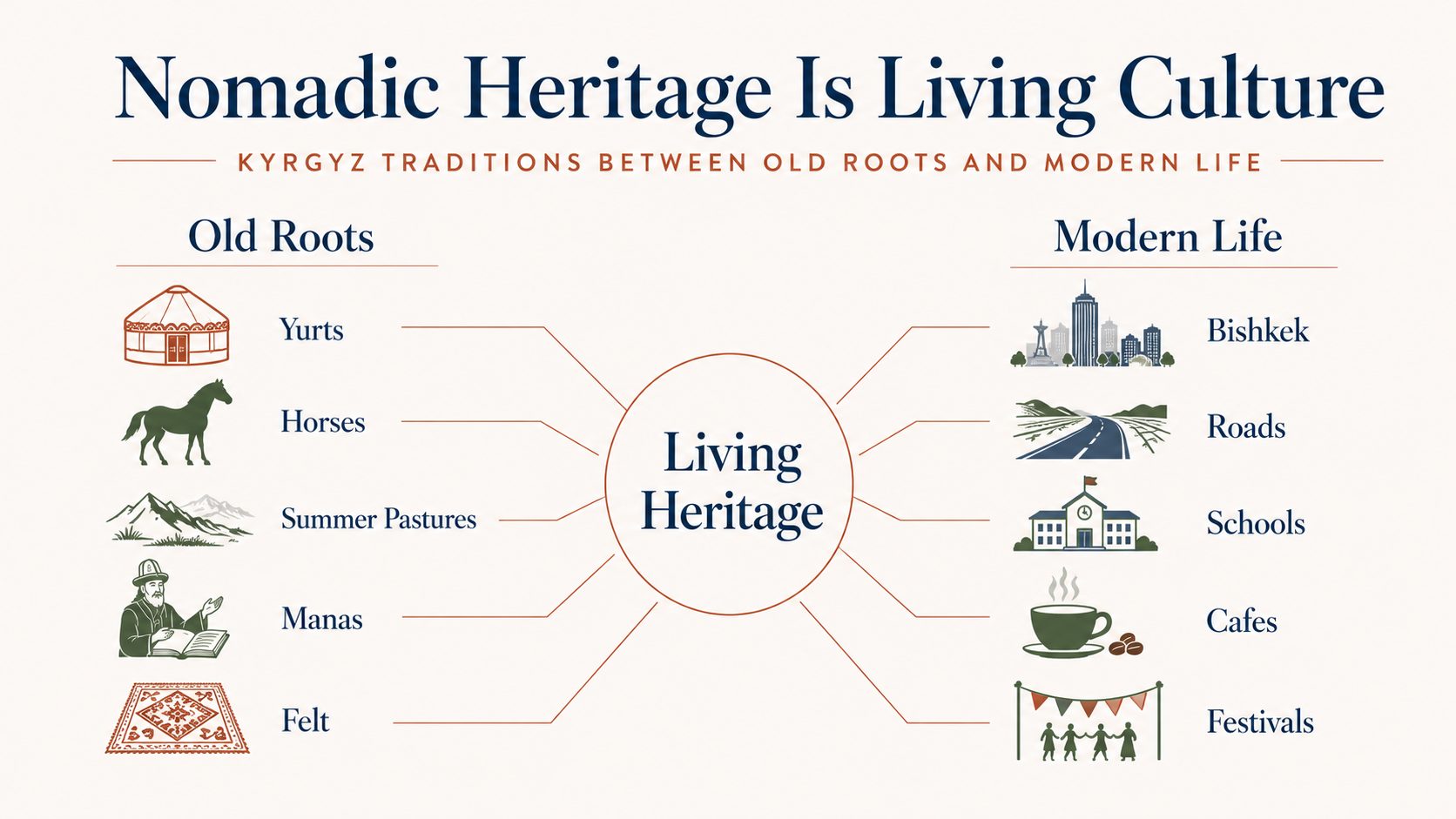
9. Nomadic culture is still visible, but Kyrgyzstan is not a museum
One mistake many articles make is describing Kyrgyzstan as if most people still live as full-time nomads. That is not accurate. Modern Kyrgyzstan has cities, universities, apartment blocks, traffic, smartphones, cafes, offices and all the normal contradictions of a young post-Soviet country.
At the same time, nomadic heritage has not disappeared. It remains visible in summer pasture life, horse culture, food, family memory, festivals, national symbols, yurt camps and the way people talk about the land.
10. Summer pastures are part of the country’s rhythm
The Kyrgyz word often used for summer pasture is jailoo. These high pastures are where animals are taken during the warmer months, when the mountain grass opens and the lower valleys become hot or crowded.
For travelers, jailoo life is often experienced through yurt stays, horse riding, fresh dairy products, open valleys and long mountain views. But it is not just a tourist performance. In many areas, seasonal movement between lower villages and upper pastures still matters economically and culturally.
This is one reason summer feels like the classic Kyrgyzstan travel season. High mountain roads become more accessible, yurt camps open, and landscapes that are frozen or difficult in spring become part of normal travel routes.
11. Horse culture is practical, not only romantic
Horses are everywhere in the outside image of Kyrgyzstan, and for once the cliché has a real base. In mountain areas, horses are not just decorative. They are useful. They cross terrain where cars cannot go, carry supplies, connect pasture camps and make certain routes possible.
That is why horse riding in Kyrgyzstan feels different from a short tourist ride in a resort destination. On the right route, it can be a practical way to understand distance, terrain and the older logic of mountain movement.
Horse Riding Tours in Kyrgyzstan
Horse riding is one of the most natural ways to experience Kyrgyzstan’s mountain landscapes, especially in pasture regions where local routes still follow seasonal movement patterns.
12. Kok boru is one of the world’s most intense horse games
Kok boru is one of the most striking cultural facts about Kyrgyzstan. It is a traditional horseback team game where riders compete for control of a goat carcass or, in some modern versions, a substitute object. To outsiders, it can look chaotic. To people who understand horse culture, it is a demanding sport built on strength, balance, speed and control.
The mistake is to present kok boru as a shocking oddity. It makes more sense when seen as a horse game from a pastoral culture where riding skill mattered deeply. It is physical, competitive and dramatic, but it is not random.
If you are interested in the broader role of horses in travel, see our guide to horse riding tours in Kyrgyzstan.
13. The Epic of Manas is more than a long poem
The Epic of Manas is often introduced with one simple fact: it is extremely long. That is true, but it misses the point.
For Kyrgyz identity, Manas is not just a poem. It is oral history, heroic memory, moral imagination and national mythology woven together. Traditional performers known as manaschi recite episodes from the epic, sometimes with remarkable intensity and rhythm.
In a strong article about Kyrgyzstan, Manas should not be treated as trivia. It belongs beside the yurt, the horse and the mountains as one of the cultural structures that helps explain how the country understands itself.
14. Felt culture tells another side of nomadic life
Many travel articles focus on the masculine symbols of Kyrgyz culture: horses, eagle hunters, mountain games and warriors from the Manas epic. Those are important, but they are not the whole story.
Felt culture gives another view. Felt covered yurts, warmed homes, became carpets, bags, decorations and clothing. Shyrdak and ala-kiyiz carpets are not just pretty souvenirs; they carry patterns, family memory, regional taste and women’s craft knowledge.
The ak-kalpak, the traditional white felt hat worn by men, is another instantly recognizable symbol. The elechek, a traditional women’s headwrap, opens a different conversation about status, age, ceremony and visual identity.
This is one of the easiest ways to make an article about Kyrgyzstan deeper than the standard “mountains and yurts” version.
15. Eagle hunting is powerful, but easy to misunderstand
Eagle hunting is one of the most photogenic traditions associated with Kyrgyzstan. A hunter with a golden eagle on horseback is an image that instantly attracts attention. But like kok boru, it can be misunderstood if it is presented only as exotic spectacle.
The tradition is connected to hunting knowledge, animal training, mountain life and regional identity. Today, visitors are most likely to encounter it through demonstrations, festivals or cultural events rather than as part of ordinary daily life everywhere in the country.
Salbuurun, which often combines eagle hunting, archery, horse skills and traditional hunting culture, is especially useful to mention. It shows how some traditions survive through a mix of practice, performance, sport, family transmission and tourism.
Where These Facts Start Turning Into Real Travel
One reason Kyrgyzstan works so well as a travel destination is that many of its cultural facts are connected to actual places. Mountains are not abstract; you can visit them from Bishkek. Lakes are not just statistics; you can hike to them. Food is not only a list of dishes; you can taste it in bazaars and homes. Horse culture is not only history; it still shapes routes through pasture country.
| Experience | Best For | Region / Focus |
|---|---|---|
| Issyk-Kul Tours | First-time visitors | Lake scenery, resort towns, cultural stops |
| Horse Riding Tours | Nomadic culture and landscapes | Pastures, mountain routes, rural stays |
| Ala Archa Tours | Short trips from Bishkek | Easy mountain scenery |
| Burana Tower & Konorchek Day Trip | History and landscapes in one day | Silk Road heritage, red canyons |
History and Silk Road Facts About Kyrgyzstan
16. Kyrgyzstan became independent in 1991, but Kyrgyz history is much older
Modern Kyrgyzstan became independent after the collapse of the Soviet Union in 1991. That date matters, but it should not make readers think the country itself began in the 20th century.
Kyrgyz history reaches much deeper than the modern state. The Kyrgyz people have older roots connected to the wider Turkic world, mountain societies, steppe movement, oral traditions and regional power shifts across Central Asia. The borders are modern. The identity is not.
This is one reason Kyrgyzstan can feel layered when you travel through it. Soviet apartment blocks, nomadic symbols, Islamic sites, Russian language, Turkic identity, mountain villages and Silk Road ruins can all appear in the same journey.
17. Bishkek has had three names
Bishkek is not an ancient Silk Road city in the same way as Osh or Samarkand. Its character is different: broad streets, Soviet planning, trees, parks, monuments, cafes, traffic, apartment blocks and mountains rising behind the southern edge of the city.
The city was once known as Pishpek, later became Frunze during the Soviet period, and then took the name Bishkek after independence. Those three names tell a compact story of the country’s political and cultural changes.
For visitors, Bishkek is often the easiest place to start understanding Kyrgyzstan. It is not the wild mountain image from postcards, but it shows the modern capital, the Soviet layer and the practical base from which many trips begin.
If you want to explore the city with context, see our Bishkek city tour.
18. Osh shows a much older, southern side of Kyrgyzstan
Osh gives Kyrgyzstan a very different tone. If Bishkek feels Soviet, planned and northern, Osh feels older, warmer, more southern and more connected to the Fergana Valley.
The city is closely associated with Sulaiman-Too, the sacred mountain that rises above Osh. This is one of the most important historic and spiritual landscapes in the country. It also helps correct a common mistake: Kyrgyzstan is not only high pastures and alpine lakes. It has old urban centers, bazaars, pilgrimage sites and southern trade routes too.
Even if your trip starts in Bishkek, it is worth remembering that the south shows a different Kyrgyzstan. The food changes, the climate changes, the ethnic mix changes and the sense of history feels less Soviet and more deeply Central Asian.
19. Osh Bazaar in Bishkek gives a taste of market culture
Despite the name, Osh Bazaar is in Bishkek. It is one of the best places in the capital to feel the energy of everyday trade: spices, bread, dried fruit, meat, clothes, household goods, money exchange counters and the controlled chaos of a real city market.
It should not be confused with the city of Osh, but it does give visitors a useful introduction to bazaar culture before they travel deeper into the country. It is also a good place to notice how Kyrgyz, Russian and wider Central Asian influences overlap in daily life.
For a practical visitor guide, read our article on Osh Bazaar in Bishkek.
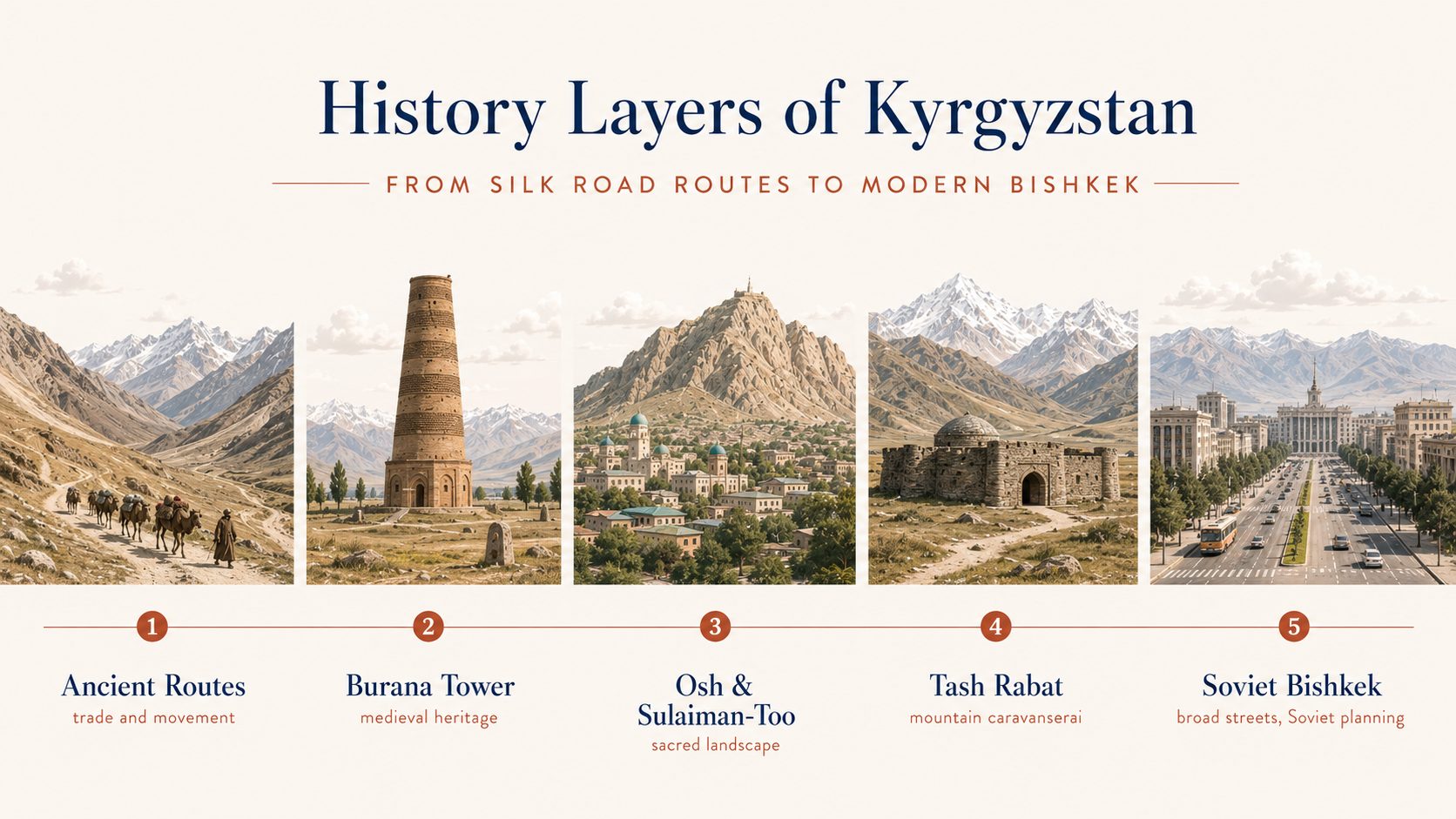
20. Burana Tower is one of the easiest Silk Road sites to visit from Bishkek
Burana Tower is one of the best historical day trips from Bishkek. It is not a huge site, and that is part of its appeal. You can stand beside the old minaret, look across the valley, walk among stone balbals and get a compact glimpse of the region’s medieval history without needing a long expedition.
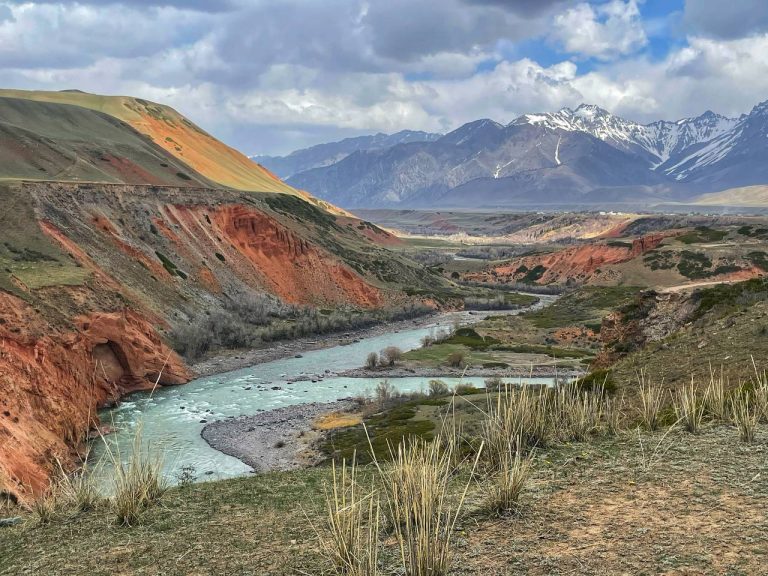
The site is often connected with the old city of Balasagun and the Karakhanid period. For travelers, it works especially well because it can be combined with the red landscapes of Konorchek Canyons in a single day.
That combination is exactly what makes the route useful: history in the morning, strange canyon scenery later, and back to Bishkek without turning the trip into a full overland journey.
See our route guide here: Burana Tower and Konorchek Canyons day trip.
21. Tash Rabat is one of Kyrgyzstan’s most atmospheric historic sites
Tash Rabat feels completely different from Burana. It is remote, stone-built, colder in mood and surrounded by a high mountain landscape. The building is often described as a caravanserai, and whether visitors come for Silk Road romance, architecture or the road itself, the place has a strong atmosphere.
Part of the appeal is the setting. Tash Rabat is not tucked inside a city or beside a busy modern attraction. It sits in a mountain valley, and the journey there helps create the feeling of arrival.
For travelers interested in history beyond Bishkek and Issyk-Kul, this is one of the strongest places to include. Read more in our guide to Tash Rabat.
People, Language and Everyday Life Facts
22. Kyrgyz and Russian are both official languages
One of the most useful facts for travelers is that Kyrgyz and Russian are both official languages. Kyrgyz is the national language and belongs to the Turkic language family. Russian remains widely used in Bishkek, business, government, education, tourism and communication between different ethnic groups.
This creates a layered language environment. In the countryside, Kyrgyz may dominate daily life. In the capital, Russian is still very visible. In tourism, English is growing but cannot be assumed everywhere, especially outside the most visited routes.
For visitors, learning a few basic words in Kyrgyz is appreciated. Russian can also be practical, especially with older generations, drivers, markets and city services.
23. Kyrgyzstan is more ethnically diverse than many visitors expect
Many outsiders imagine Kyrgyzstan as culturally uniform. In reality, the country is more diverse than that. Kyrgyz people form the majority, but there are also Uzbek, Russian, Dungan, Uyghur, Tajik, Kazakh and other communities.
This diversity is especially visible in food, markets, language and regional identity. Southern Kyrgyzstan feels different from the north. Karakol feels different from Bishkek. Osh feels different again.
That variety is one of the reasons the country rewards slow travel. A short trip can show mountains and lakes. A longer trip starts to reveal how regional Kyrgyzstan really is.
24. Karakol is one of the best places to see Kyrgyzstan’s cultural mix
Karakol is often treated only as a trekking base, but it is more interesting than that. It has access to some of the country’s best mountain routes, but also shows Russian, Dungan, Kyrgyz and wider Central Asian influences in a compact town.
This is where travelers often pass through on the way to Ala-Kul, Altyn Arashan or the eastern side of Issyk-Kul. But the town itself deserves attention: wooden architecture, religious sites, food culture, markets and the practical energy of a mountain gateway.
For nearby adventure routes, see our guides to Ala-Kul Lake, Altyn Arashan and the Altyn Arashan tour.
25. Most people do not live in a big-city version of Kyrgyzstan
Kyrgyzstan has urban life, but it is not a heavily urbanized country in the way many visitors might imagine. Bishkek is the capital and largest city, but much of the country’s identity is still connected to smaller towns, villages, valleys and rural households.
This matters because it changes how you read the country. Hospitality, food, family networks, animal keeping, seasonal movement and local markets are not side details. They are part of the everyday structure of life for many people.
For more context, see our guide to Kyrgyzstan population statistics.
Food Facts About Kyrgyzstan
26. Kyrgyz food reflects mountain and pastoral life
Kyrgyz food makes more sense when you connect it to climate, livestock and travel across difficult landscapes. Meat, dough, dairy, tea and bread all have practical roots. This is not light Mediterranean cooking. It is food built for cold weather, physical work and rural hospitality.
Beshbarmak is often named as the national dish. Lagman, manty, plov, samsa, soups, fresh bread and dairy products are also common, although many of these dishes belong to wider Central Asian food culture rather than Kyrgyzstan alone.
That distinction matters. A stronger article should avoid pretending that every popular dish is exclusively Kyrgyz. Food in Kyrgyzstan is a regional mix, shaped by nomadic heritage, settled Central Asian cuisine, Soviet influence, neighboring cultures and local ingredients.
For a deeper food guide, read our article on the national food of Kyrgyzstan.
27. Kumis is memorable, but Kyrgyz food is bigger than horse milk
Kumis, fermented mare’s milk, is one of the most famous traditional drinks in Kyrgyzstan. Visitors usually remember it because the flavor is sharp, sour, lightly alcoholic and very different from ordinary milk.
It is strongly connected to pasture culture and horses, especially in the warmer season. But it should not dominate the entire food story. Kyrgyz cuisine is bigger than kumis. There is bread culture, tea culture, soups, noodles, dumplings, rice dishes, market snacks, dairy products and regional variation.
Use kumis as one memorable fact, not as the whole food section.
28. Tea and bread are central to hospitality
In Kyrgyzstan, food is not only about what is served. It is also about how people host. Tea, bread and a spread of small dishes can appear quickly when guests arrive. The table may be simple or abundant, but the gesture matters.
Bread should be treated with respect, and tea often structures conversation. In rural areas especially, eating together can become the most direct way to understand hospitality.
For travelers, this is one of the quieter facts that matters more than it sounds. You may remember a mountain view, but you may also remember being handed hot tea after a long road.
29. Bishkek is one of the easiest places to taste the country
If you are not traveling deep into the regions, Bishkek is still a good place to begin with Kyrgyz food. The capital has bazaars, casual cafes, traditional restaurants, Soviet-style canteens, modern coffee shops and Central Asian food from different communities.
Osh Bazaar is useful for ingredients and market atmosphere. A food tour is better if you want someone to explain what you are tasting and how the dishes fit into local culture.
For practical options, see our Bishkek food tour and guide to Osh Bazaar in Bishkek.
Travel Facts About Kyrgyzstan
30. Summer opens the high pastures
Summer is the classic season for high mountain travel in Kyrgyzstan. This is when many jailoo pastures become accessible, yurt camps operate, horse treks are easier to arrange and high-altitude roads are more realistic.
That does not mean every place is easy. Weather can still change quickly, and remote routes may involve rough roads, long transfers or river crossings. But compared with winter and early spring, summer gives travelers the broadest access to the country’s mountain landscapes.
31. Ala Archa is the easiest mountain escape from Bishkek
Ala Archa is one of the simplest ways to experience Kyrgyzstan’s mountains without committing to a long journey. It sits close enough to Bishkek for a day trip, yet the scenery feels completely different from the city.
This makes it especially useful for travelers with limited time. You can spend the morning in the capital and still see alpine slopes, river valleys and mountain views the same day.
For planning, see Ala Archa tours or our wider guide to the best day trips from Bishkek.
32. Karakol is the practical base for serious mountain travel
Karakol is one of the most important travel bases in Kyrgyzstan. It gives access to Ala-Kul, Altyn Arashan, Jeti-Oguz, the eastern side of Issyk-Kul and some of the country’s best trekking routes.
The town also works because it has enough infrastructure to support mountain trips: guesthouses, guides, transport options, food, gear help and connections to nearby valleys. It is not just a scenic stop. It is a logistics hub.
Useful starting points include Ala-Kul Lake, Altyn Arashan and our Altyn Arashan tour.
33. Kyrgyzstan can be affordable, but logistics cost more than people expect
Kyrgyzstan is often described as a budget-friendly destination, and in many ways it is. Food, local transport and basic guesthouses can be affordable compared with many mountain destinations.
The catch is logistics. Private transfers, remote routes, 4×4 vehicles, guides, horse support and multi-day mountain travel can raise the cost quickly. A cheap country is not always a cheap itinerary.
This is especially true if you want to reach high lakes, remote valleys or places with limited public transport. For realistic numbers, read our guide to Kyrgyzstan travel costs and budget.
34. The best short trips from Bishkek show very different sides of the country
One of the useful things about Bishkek is how many contrasting landscapes and historical sites are reachable from the capital. Ala Archa gives you mountains. Burana Tower gives you medieval history. Konorchek gives you red canyons. Kol-Tor gives you a mountain lake. Issyk-Kul can be reached on a longer day or short overnight trip.
That variety makes Bishkek a better base than many visitors expect. You do not need to cross the whole country to get a first impression of Kyrgyzstan’s range.
Start with our guide to the best day trips from Bishkek.
35. Kyrgyzstan rewards travelers who go beyond the obvious route
A simple first trip might cover Bishkek, Ala Archa, Burana Tower, Issyk-Kul and Karakol. That is already a strong introduction. But the country becomes more interesting when you add places like Arslanbob, Tash Rabat, southern Kyrgyzstan, lesser-known lakes or pasture routes.
The best itineraries balance famous sights with slower, more textured stops. Kyrgyzstan is not a country where the most famous place is always the most meaningful one.
Why Kyrgyzstan Feels So Distinctive
- Mountain landscapes shape culture, travel and daily life.
- Nomadic heritage is still visible in food, sport, hospitality and summer pasture life.
What Travelers Should Understand
- Remote places often require careful transport planning.
- High-altitude routes are seasonal and weather-dependent.
Recommended Experiences If These Facts Made You Want to Visit
| Experience | Best For | Region / Focus |
|---|---|---|
| Issyk-Kul Tours | First-time visitors | Lake scenery, resort towns, cultural stops |
| Horse Riding Tours | Nomadic culture and landscapes | Pastures, mountain routes, rural stays |
| Ala Archa Tours | Short trips from Bishkek | Easy mountain scenery |
| Bishkek Food Tour | Food and market culture | Local dishes, bazaars, city context |
| Burana Tower & Konorchek Day Trip | History and landscapes in one day | Silk Road heritage, red canyons |
What Most Articles Get Wrong About Kyrgyzstan
Kyrgyzstan is not just “the Switzerland of Central Asia”
You will often see Kyrgyzstan called the “Switzerland of Central Asia.” The comparison is understandable because both countries are mountainous. But it is also lazy.
Switzerland does not explain yurts, jailoo pastures, kok boru, Soviet city planning, the Fergana Valley, the Epic of Manas, kumis, Tash Rabat or the role of Russian and Kyrgyz languages. Kyrgyzstan is not interesting because it resembles somewhere else. It is interesting because of its own combination of mountains, nomadic heritage, Central Asian history and modern change.
Not everyone lives in yurts
Yurts are important, but they are not the everyday home of most people year-round. They are part of seasonal pasture life, cultural identity, tourism, festivals and family memory.
Writing as if Kyrgyzstan is still entirely nomadic makes the country sound frozen in time. A better approach is to show how yurt culture still matters while also recognizing apartment life, city life, migration, schools, offices, markets and modern technology.
Issyk-Kul is not the only lake worth knowing
Issyk-Kul deserves its fame, but it should not swallow the whole lake story. Ala-Kul, Song-Kul, Kol-Tor and many other mountain lakes show different landscapes and different styles of travel.
For a wider view, read our guide to the lakes of Kyrgyzstan.
Kyrgyz food is not only beshbarmak and kumis
Beshbarmak and kumis are important, but they are only part of the food culture. A better food section should include bread, tea, soups, noodles, dumplings, market snacks, dairy, plov, samsa and the influence of neighboring Central Asian cuisines.
For more detail, see our guide to the national food of Kyrgyzstan.
35 Interesting Facts About Kyrgyzstan at a Glance
- Kyrgyzstan is one of the most mountainous countries in Central Asia.
- The Tian Shan mountains shape much of the country’s geography.
- Jengish Chokusu, also called Victory Peak, is the highest mountain in Kyrgyzstan.
- Issyk-Kul is one of the country’s most famous natural landmarks.
- Issyk-Kul is known for usually not freezing over in winter.
- Kyrgyzstan has many high-altitude lakes beyond Issyk-Kul.
- Glaciers are part of Kyrgyzstan’s wider water system.
- Arslanbob shows a greener walnut-forest side of southern Kyrgyzstan.
- The Western Tien Shan is important for biodiversity.
- The yurt is one of the country’s most important cultural symbols.
- The tunduk, the crown of a yurt, appears on the national flag.
- Nomadic heritage remains visible, but Kyrgyzstan is not a museum.
- Jailoo summer pastures are part of the country’s seasonal rhythm.
- Horse culture is still practical in many mountain areas.
- Kok boru is a traditional horseback team sport.
- The Epic of Manas is central to Kyrgyz identity.
- Felt carpets such as shyrdak and ala-kiyiz show another side of nomadic culture.
- Eagle hunting is associated with traditional hunting knowledge and festivals.
- Kyrgyzstan became independent in 1991.
- Bishkek was once known as Pishpek and later Frunze.
- Osh shows a much older and more southern side of the country.
- Sulaiman-Too is one of Kyrgyzstan’s most important sacred landscapes.
- Burana Tower is one of the easiest historic sites to visit from Bishkek.
- Tash Rabat is one of the country’s most atmospheric Silk Road-era stops.
- Kyrgyz and Russian are both official languages.
- Kyrgyzstan is more ethnically diverse than many visitors expect.
- Karakol is both a mountain base and a culturally mixed town.
- Much of Kyrgyz life remains connected to villages, valleys and rural networks.
- Kyrgyz food reflects mountain, pastoral and wider Central Asian traditions.
- Kumis is fermented mare’s milk and one of the country’s most memorable drinks.
- Tea and bread are central to hospitality.
- Ala Archa is the easiest mountain escape from Bishkek.
- Karakol is a key base for Ala-Kul and Altyn Arashan.
- Kyrgyzstan can be affordable, but remote logistics can raise travel costs.
- The country is modern, young and changing, not a frozen picture of the past.
FAQ About Interesting Facts About Kyrgyzstan
What is Kyrgyzstan best known for?
Kyrgyzstan is best known for its mountains, nomadic heritage, yurts, horse culture, Issyk-Kul Lake, the Epic of Manas and high-altitude landscapes in the Tian Shan.
What is the most interesting fact about Kyrgyzstan?
One of the most interesting facts about Kyrgyzstan is that the central symbol on its national flag is the tunduk, the circular crown of a traditional yurt.
Is Kyrgyzstan mostly mountains?
Yes. Kyrgyzstan is one of the most mountainous countries in Central Asia, and its mountains shape travel, climate, roads, settlement patterns and seasonal pasture life.
What language do people speak in Kyrgyzstan?
Kyrgyz and Russian are both official languages. Kyrgyz is the national language, while Russian remains widely used in cities, business, government and interethnic communication.
What food is Kyrgyzstan famous for?
Kyrgyzstan is known for dishes such as beshbarmak, lagman, manty, samsa, plov, fresh bread, tea and kumis, a fermented mare’s milk drink linked to pasture culture.
Is Kyrgyzstan good for tourists?
Yes, especially for travelers interested in mountains, trekking, horse riding, lakes, yurt stays and Central Asian culture. Logistics can be challenging in remote areas, so planning matters.
What makes Kyrgyzstan different from other Central Asian countries?
Kyrgyzstan stands out for its accessible mountain landscapes, strong horse culture, visible nomadic heritage, high-altitude lakes and the close connection between travel, pasture life and the Tian Shan mountains.
What is the best fact for travelers to know before visiting Kyrgyzstan?
The most useful fact is that distance on the map can be misleading. Mountains, road conditions, altitude and seasonality can make short-looking routes take much longer than expected.
Final Thoughts
The best facts about Kyrgyzstan are not isolated pieces of trivia. They connect to each other. The mountains explain the lakes, the pastures, the horses, the roads and the food. The yurt connects architecture, family memory, seasonal life and the national flag. The Silk Road sites show that the country is not only wild nature, but also history, trade and spiritual landscapes.
That is what makes Kyrgyzstan so rewarding to understand. It is not just beautiful. It is layered. And the more you connect the facts, the more interesting the country becomes.